At just eight years old, Divyank is a superhero fan with a big love his dog, Ruby.
In many ways, he’s just like other children his age. However, Divyank lives with a very rare genetic condition called Crouzon syndrome. Divyank has a severe case of craniosynostosis, a condition that causes the bones of the skull to fuse too early, affecting the development of his skull, eyes, nose, teeth, and spine. Because of this, Divyank requires ongoing specialist care and has already undergone dozens of surgeries in his short life.
For Divyank’s mum, Sabina, finding the right care was everything.
“We moved from Canberra to Adelaide because of the incredible Craniofacial and Neurosurgery specialists that the Women’s and Children’s Hospital have” she explains. We’ve been to many hospitals around Australia and the WCH is our favourite. The staff are warm, friendly and they truly hear us.”
Divyank is under the care of multiple teams at the Hospital, including ENT, Gastroenterology, Neurology, Orthopaedics and Speech Pathology. One of his many operations, including a tracheostomy, which requires frequent suction, tape and tube replacement.
“Having a child with significant healthcare needs is hard,” Sabina shares. “Divyank needs suction throughout the night, so I rarely sleep for long stretches. But we’ve learned to manage, and we just do what’s needed to keep him safe and comfortable.”
The family works together to navigate the challenges. “It has been extremely tough at times,” says Sabina. “I am his full-time carer, and Sanjiv (his dad) often adjusts his work so he can support us with the many appointments. It hasn’t always been easy, but together we do our best to stay strong for Divyank.” During hospital stays, Sabina says it’s often the small comforts that lift Divyank’s spirits and aid his recovery.
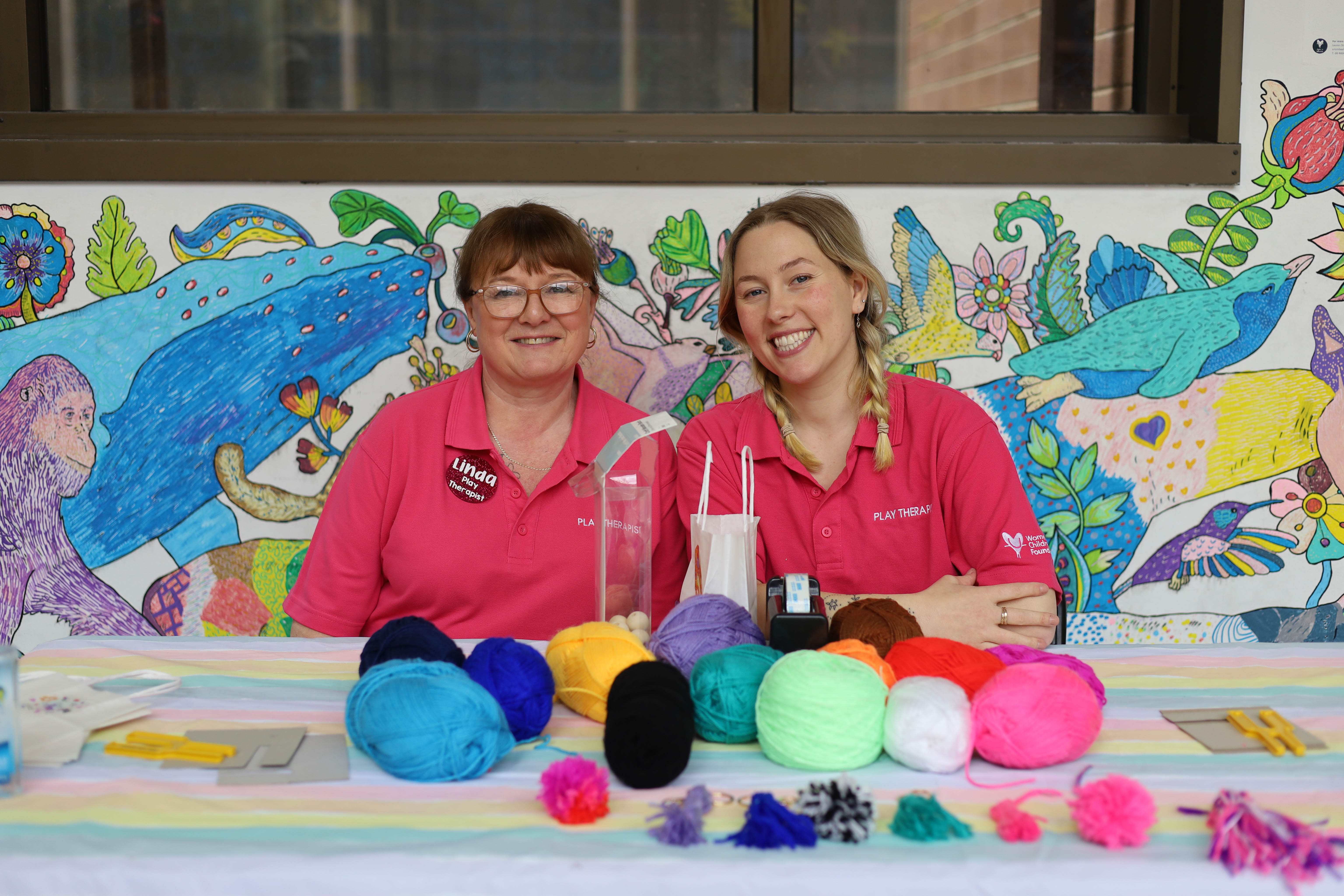
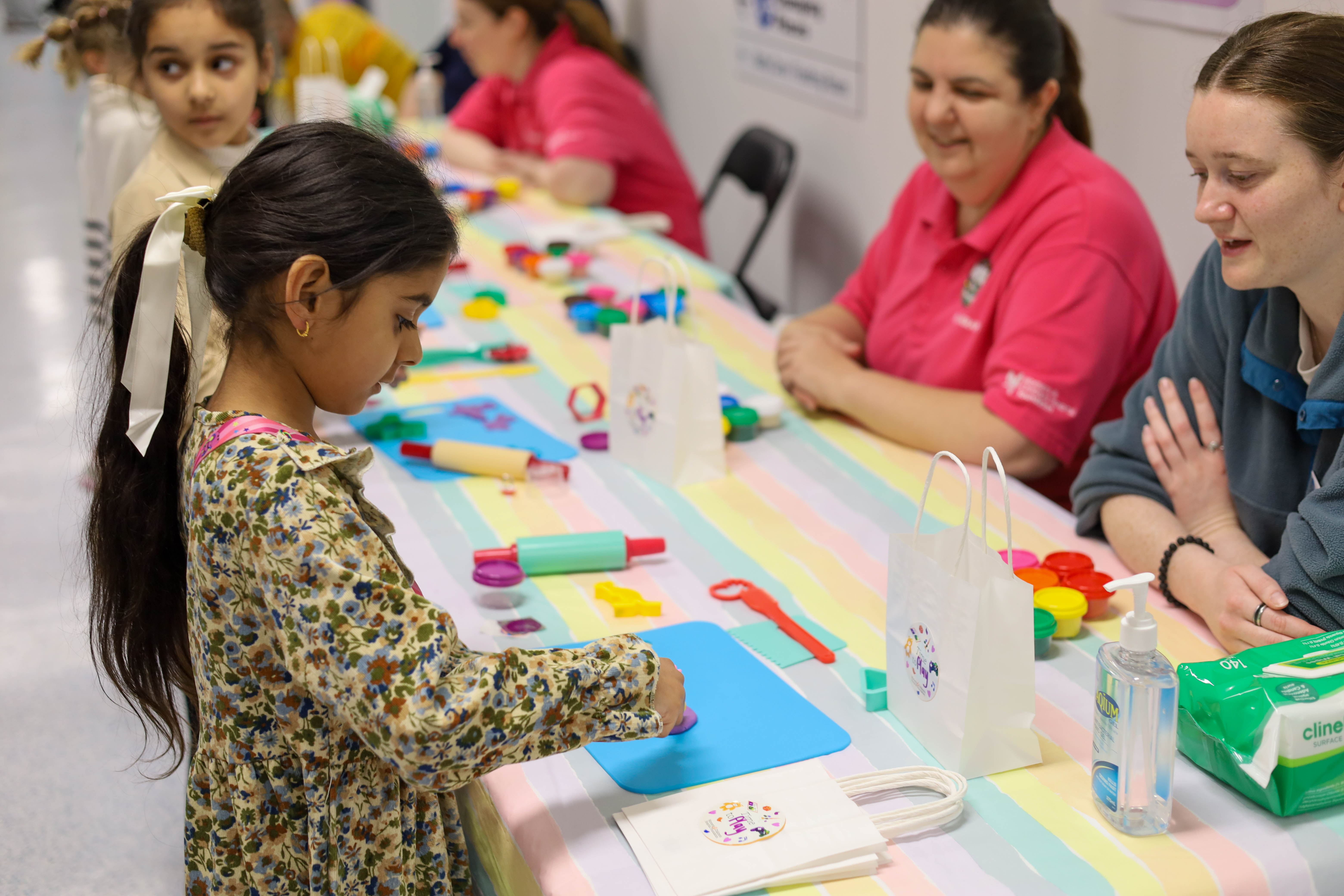
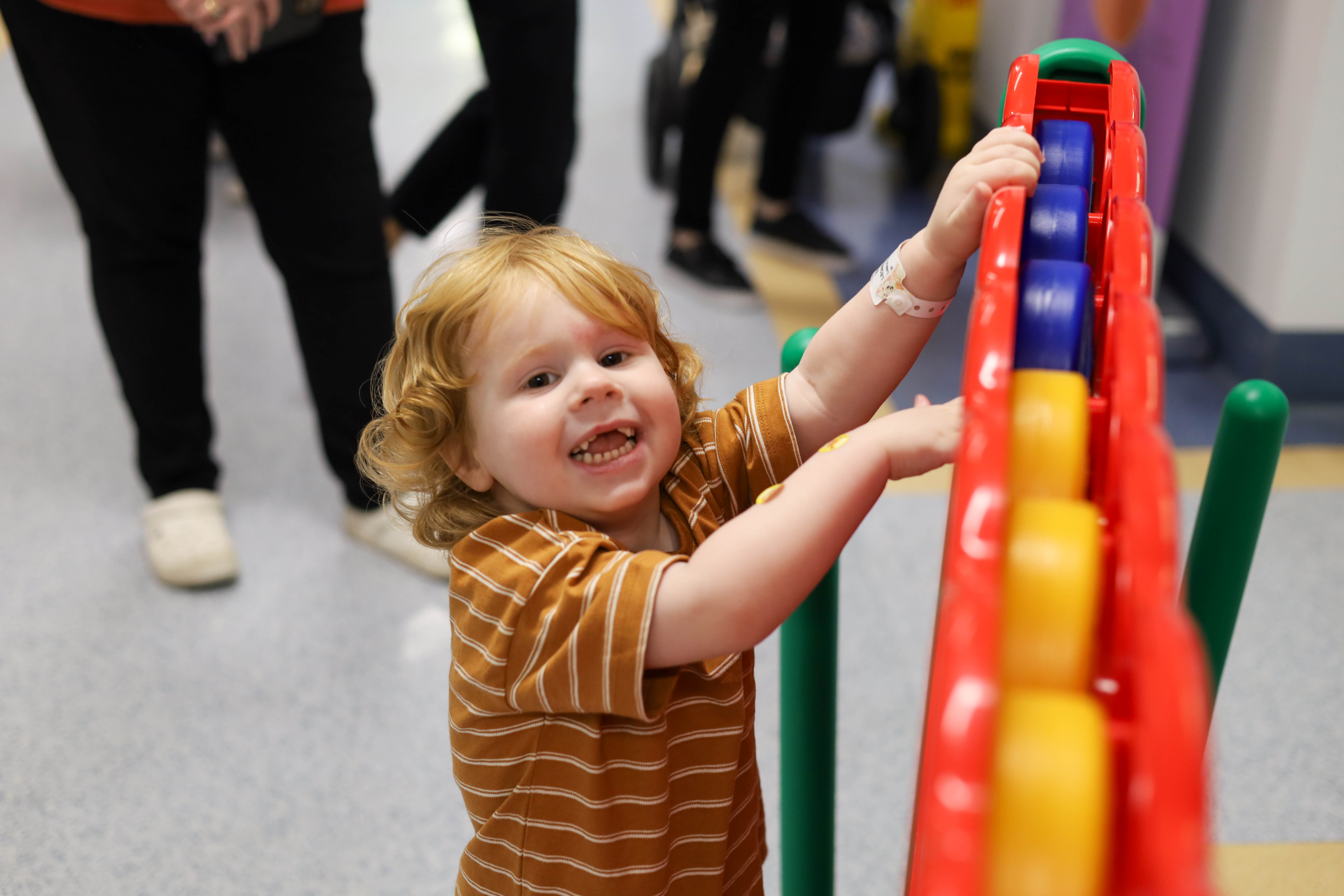
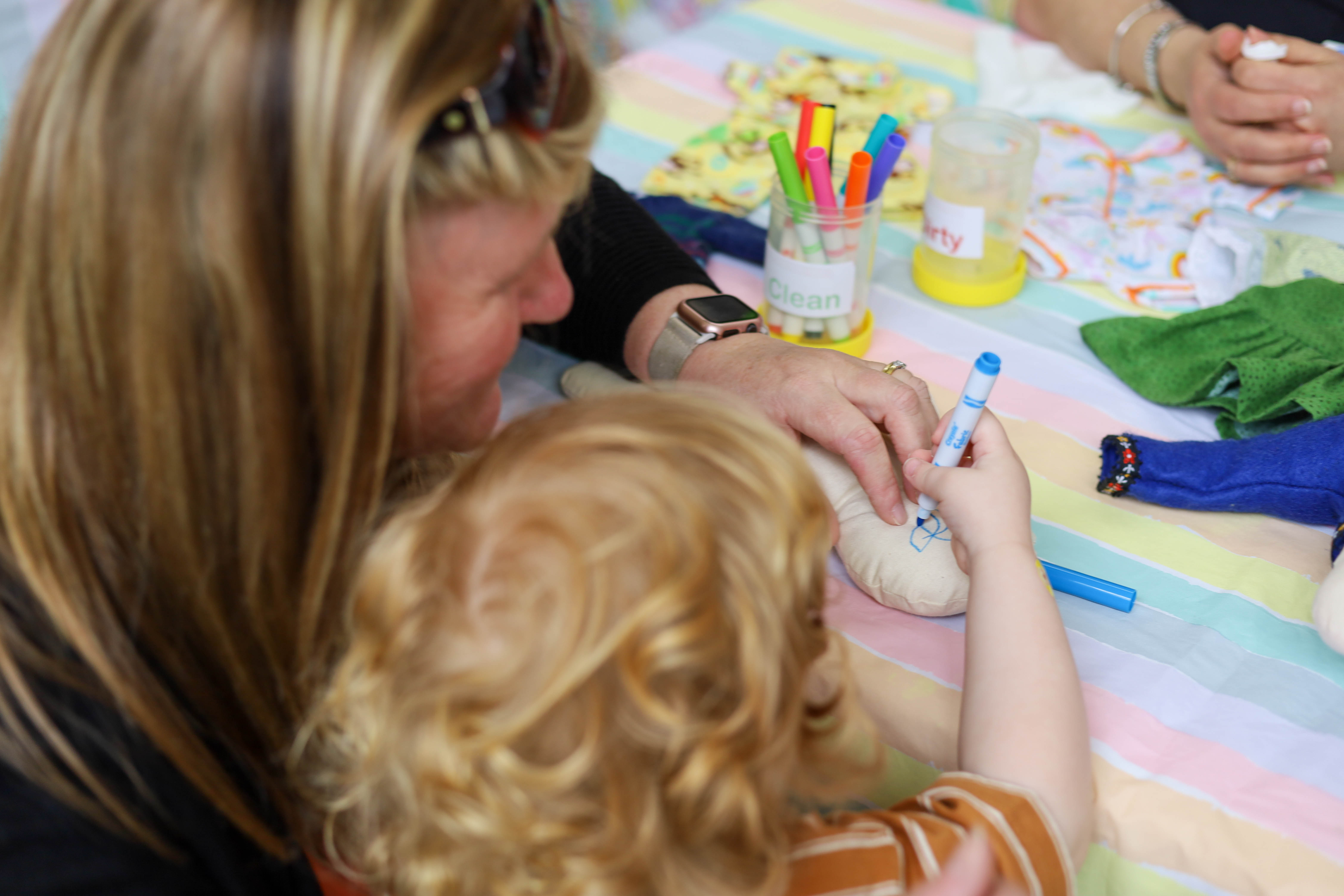
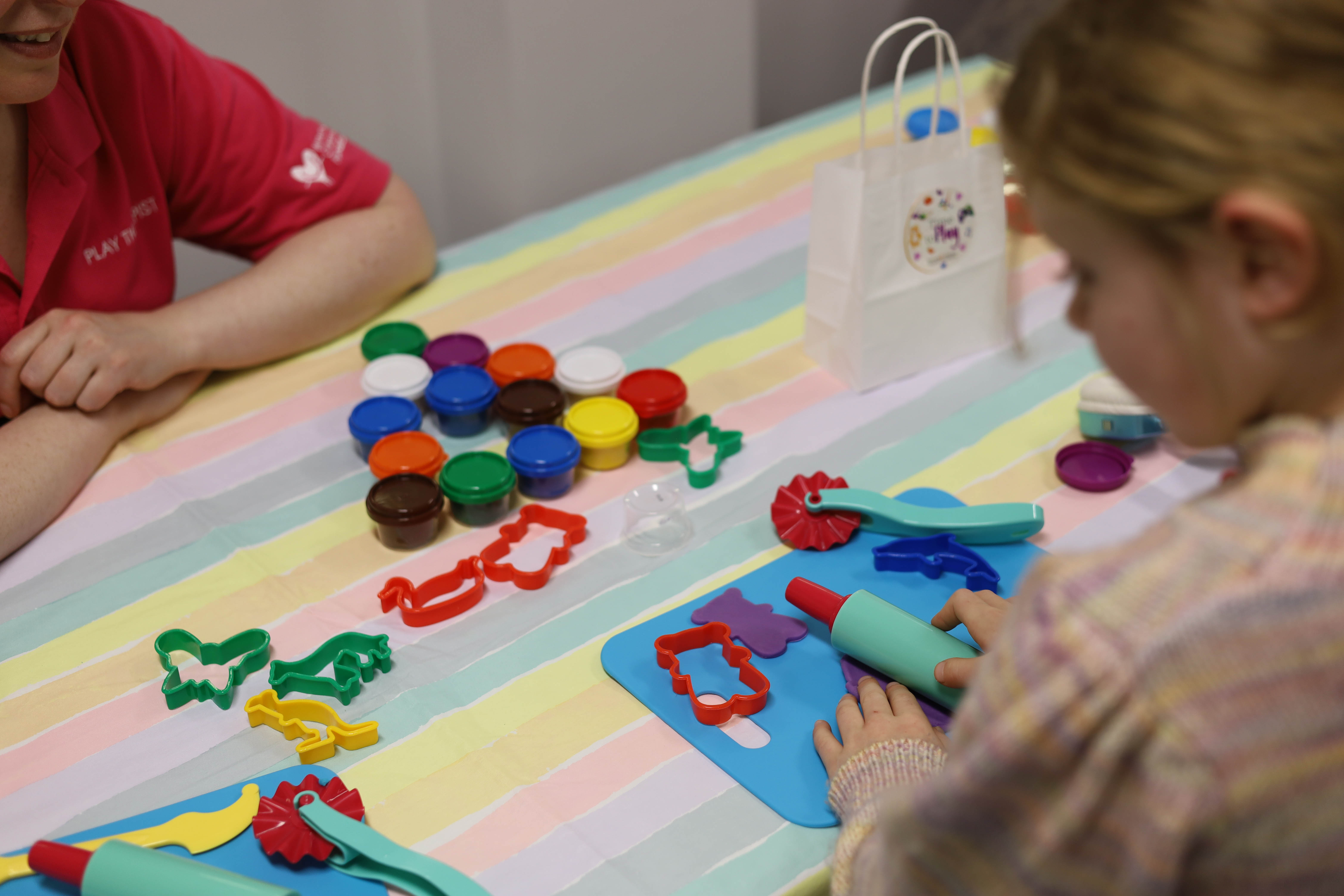
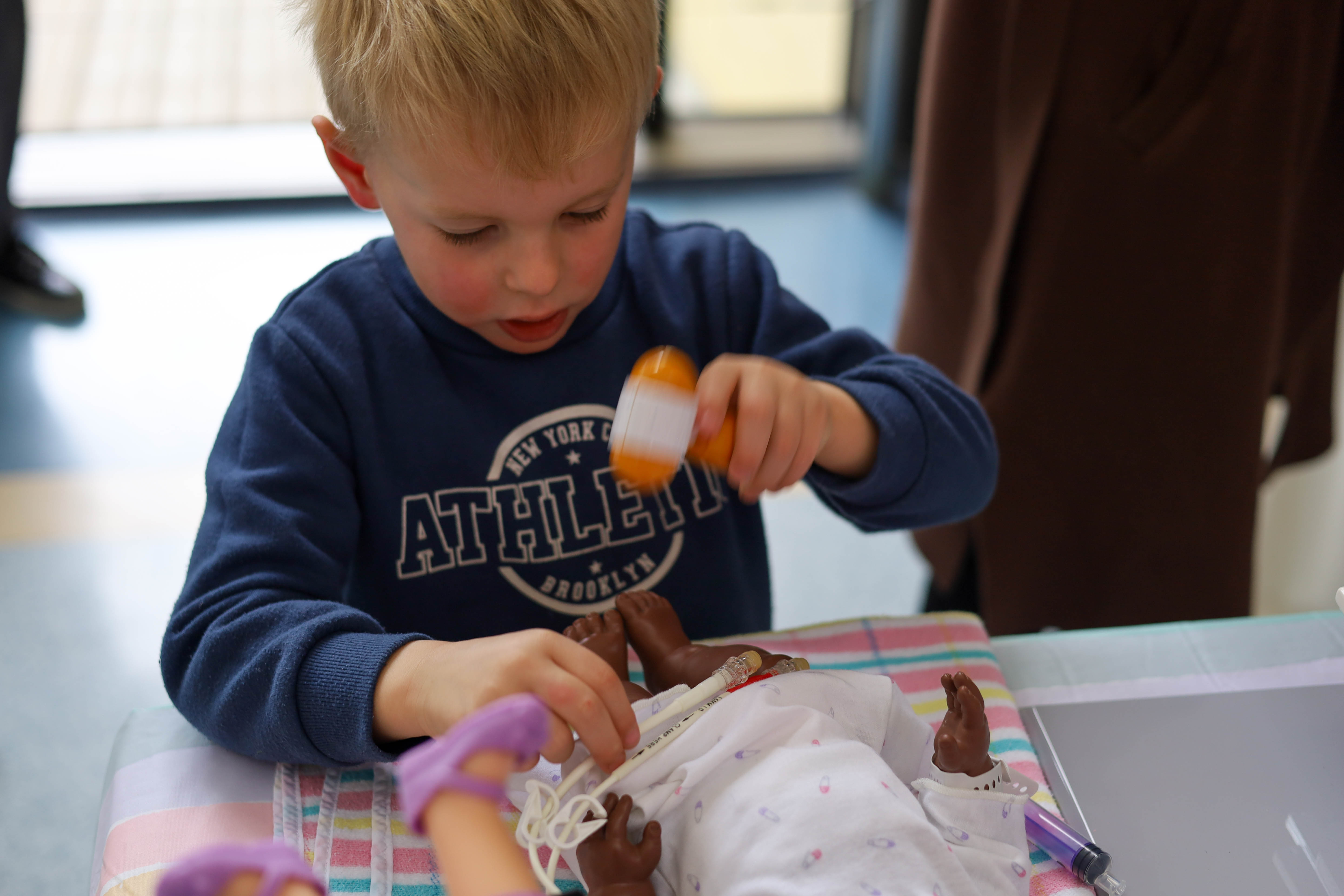
“Sometimes a nurse or therapist will find a special toy that they know Divyank likes. And the play spaces and children’s musical activities in the Hospital really help lift his spirits.”
And what does Divyank look forward to most when he goes home? “Treat-food Saturdays!” he says with a smile. As he is mostly liquid-fed, these special evenings at home enjoying his favourite meal (McDonald’s) are a treasured family ritual.
Despite the immense challenges they face, the family finds joy in their time together. “When we have Divyank at home with us, I forget the hardship and just feel happy and blessed to have him with us.”
The WCH Foundation is supporting innovative research offering new hope for children like Divyank. Led by Professor Peter Anderson, this work could delay or even eliminate the need for invasive surgery for infants with craniosynostosis, reducing the trauma and challenges faced by these children and their families. Read more on Professor Anderson’s research here.