For families facing a childhood cancer diagnosis, navigating what lies ahead can be overwhelming. Alongside the shock and uncertainty of the diagnosis comes a flood of new information, unfamiliar medical language and complex treatment decisions.
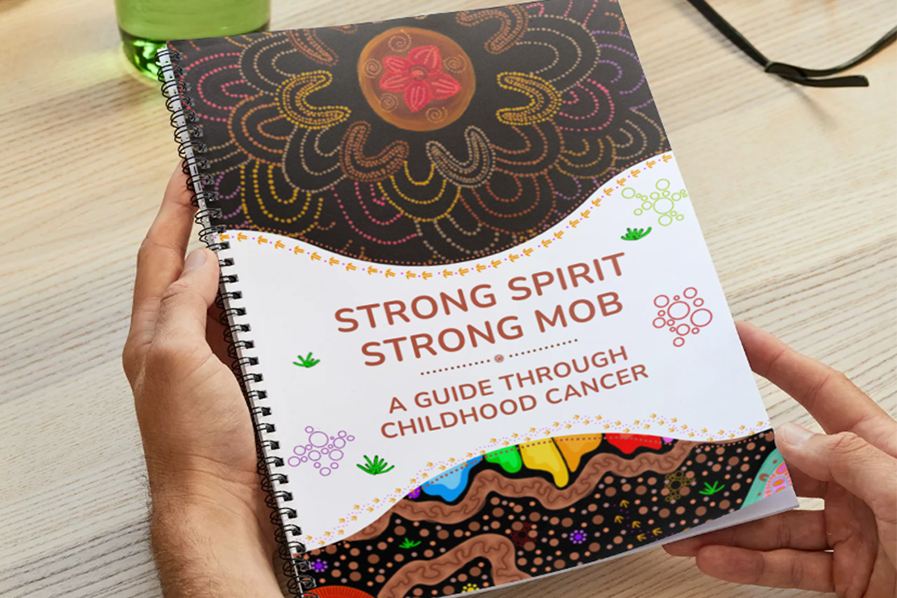
The Women’s & Children’s Hospital Foundation is proud to support the development of an Aboriginal childhood cancer information booklet designed to help Aboriginal and Torres Strait Islander families better understand the cancer journey.
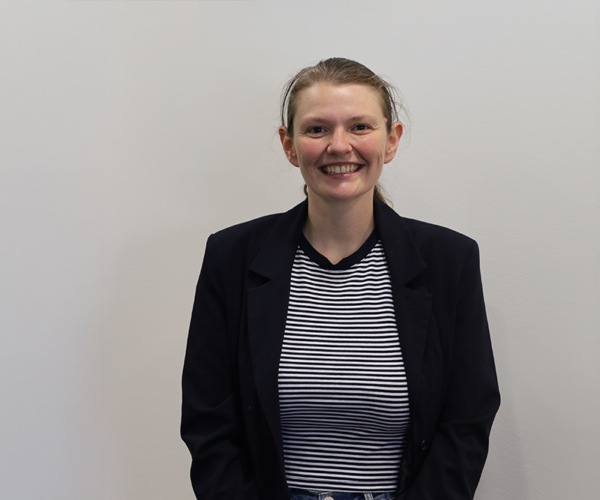
Led by paediatric oncologist Dr Sophie Jessop, the project has been co-designed with Aboriginal families, healthcare workers, clinicians and researchers to ensure the resource is culturally safe, accessible and relevant to community needs.
Responding to a need
The project was born from a clear message from Aboriginal families and healthcare workers: information about childhood cancer was often difficult to understand at an already overwhelming time.
Research found families wanted educational resources that used simpler language, visual aids and storytelling approaches to help explain diagnoses, treatment and support services.
Anica Beckett, whose family has firsthand experience navigating childhood cancer, said there had long been a need for resources to help families make sense of a childhood cancer diagnosis.
“I often had conversations about the need to help families understand more. I found things overwhelming, so I could only imagine others having the same feelings,” shared Anica.
Dr Jessop said previous Aboriginal patients, families and healthcare workers consistently reported that education surrounding a childhood cancer diagnosis was often “too complex and unfamiliar”.
“We co-designed educational tools regarding cancer, cancer treatment, supports and care, with the hope to make the information culturally safe and appropriate,” Dr Jessop said.
The resource is being developed not only to improve understanding, but also to create opportunities for connection and reflection during a difficult time.
“With Aboriginal artwork and illustrations, information in narrative and story form, and room for mindfulness and connection, we hope these resources will help Aboriginal families and communities navigate a childhood cancer diagnosis, management and ongoing follow up, and feel safe and supported throughout,” Dr Jessop said.
Looking ahead
While the resource remains in development, families involved in the review process already see its potential to make a meaningful difference.
As Anica shared, “This booklet would be amazing for all patients and their families, but I can certainly see how it will help families, particularly from remote communities.”