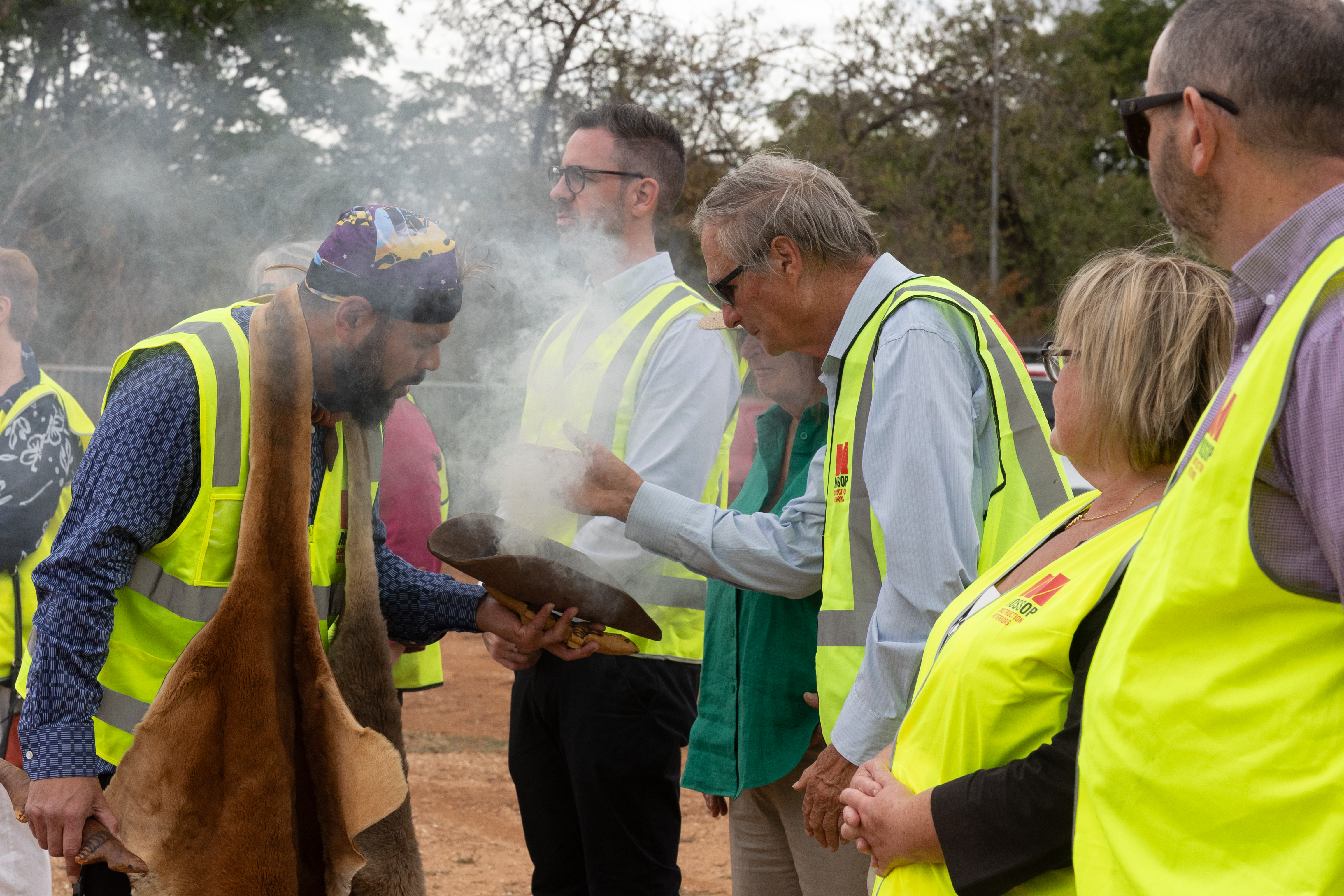
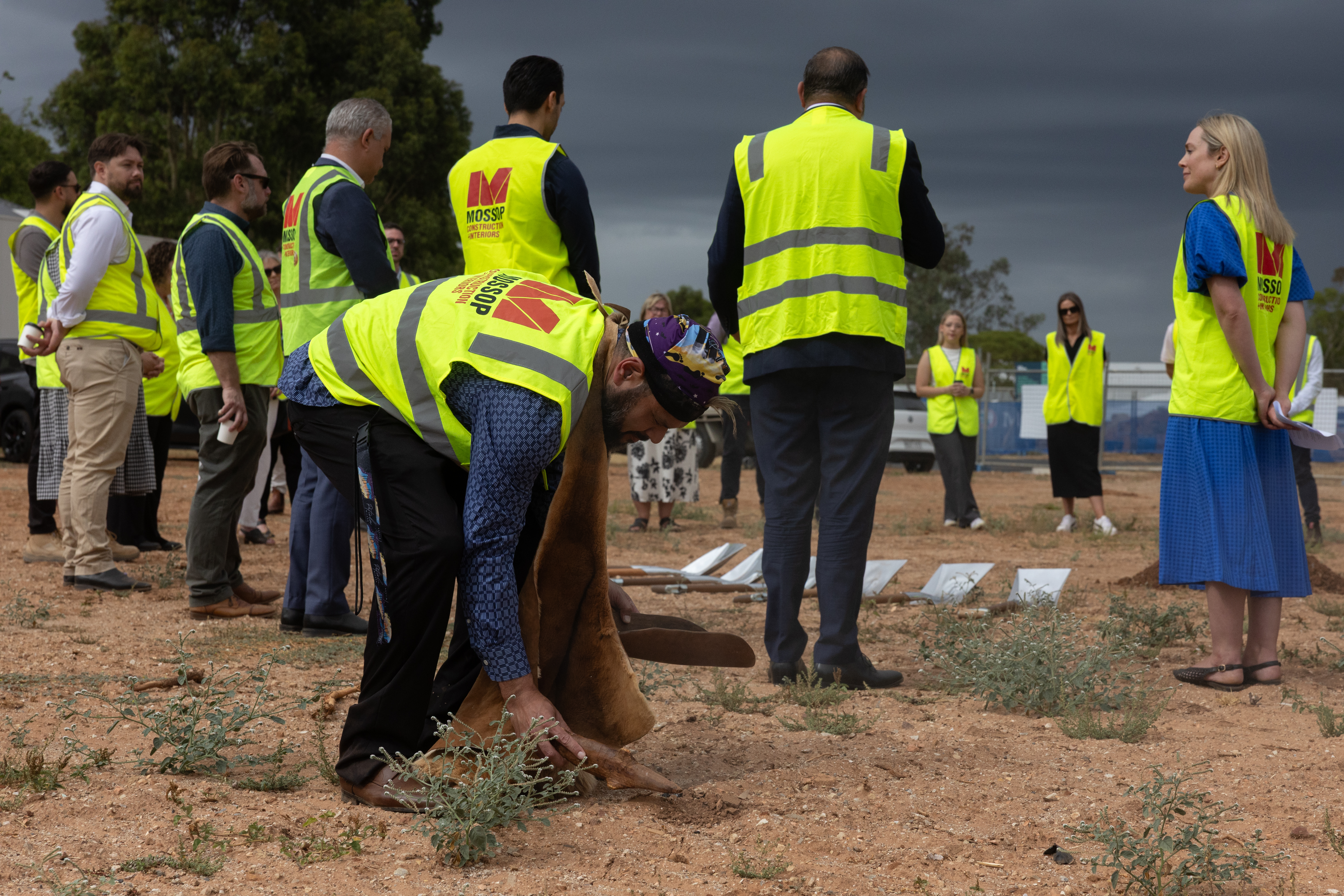
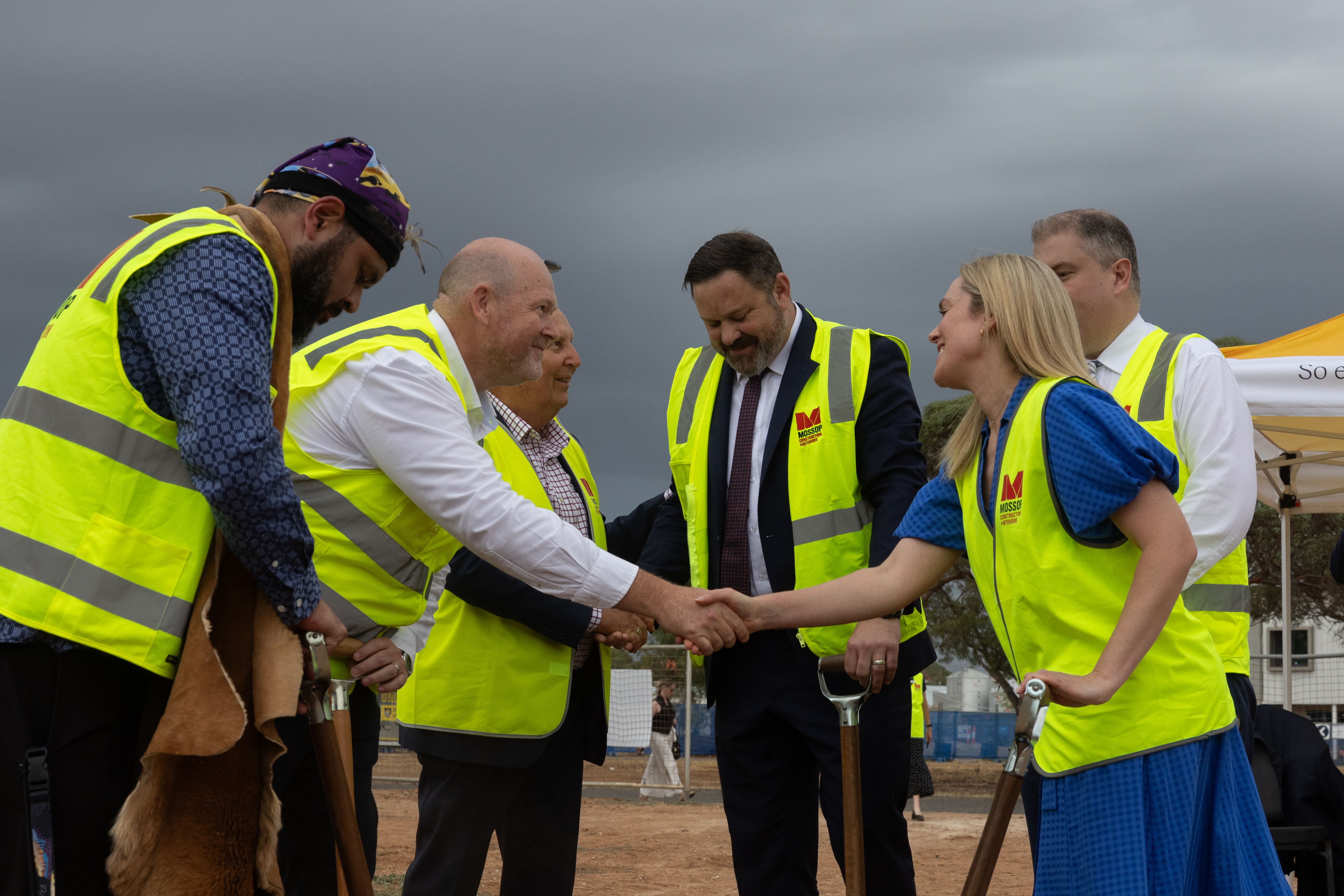
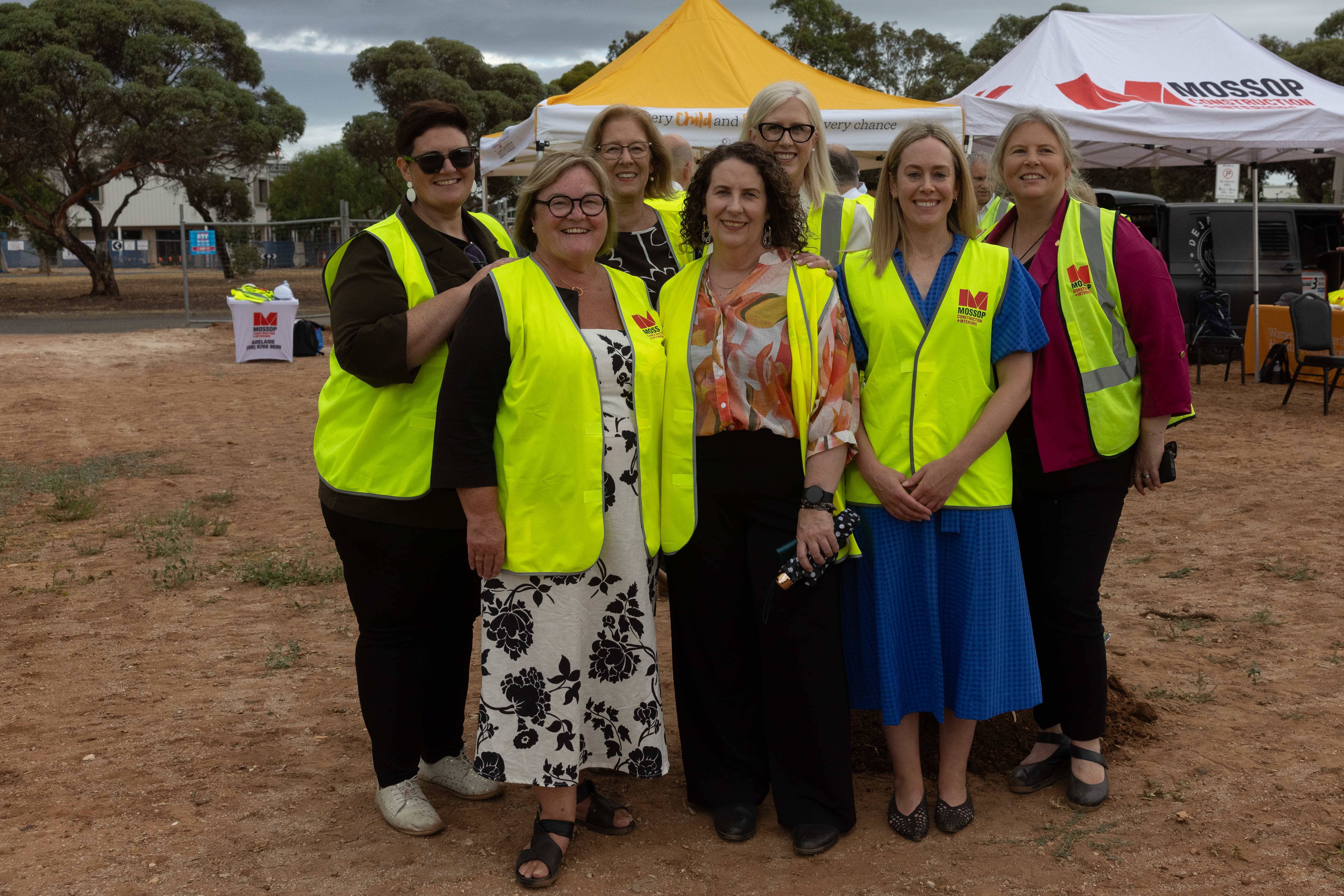
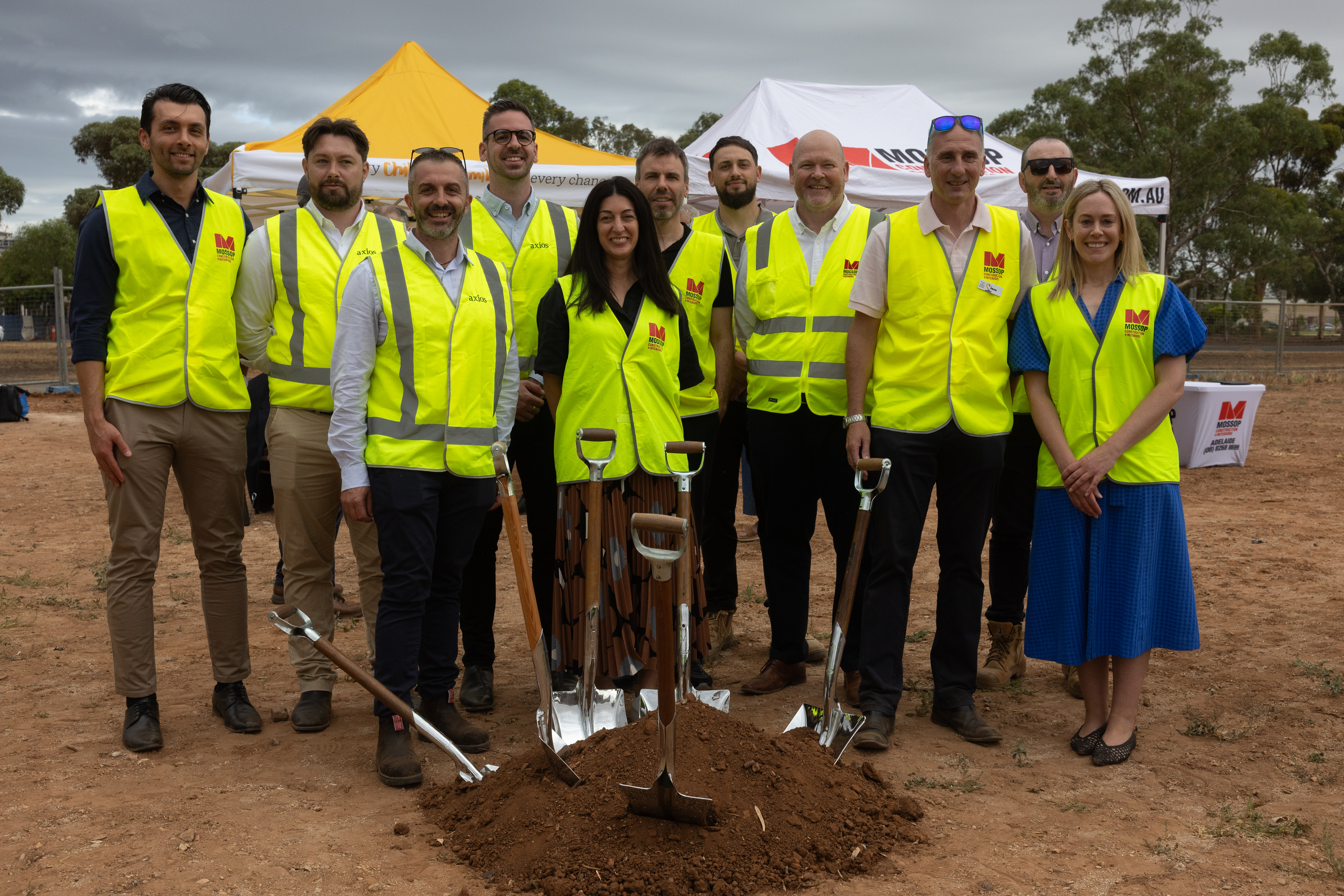
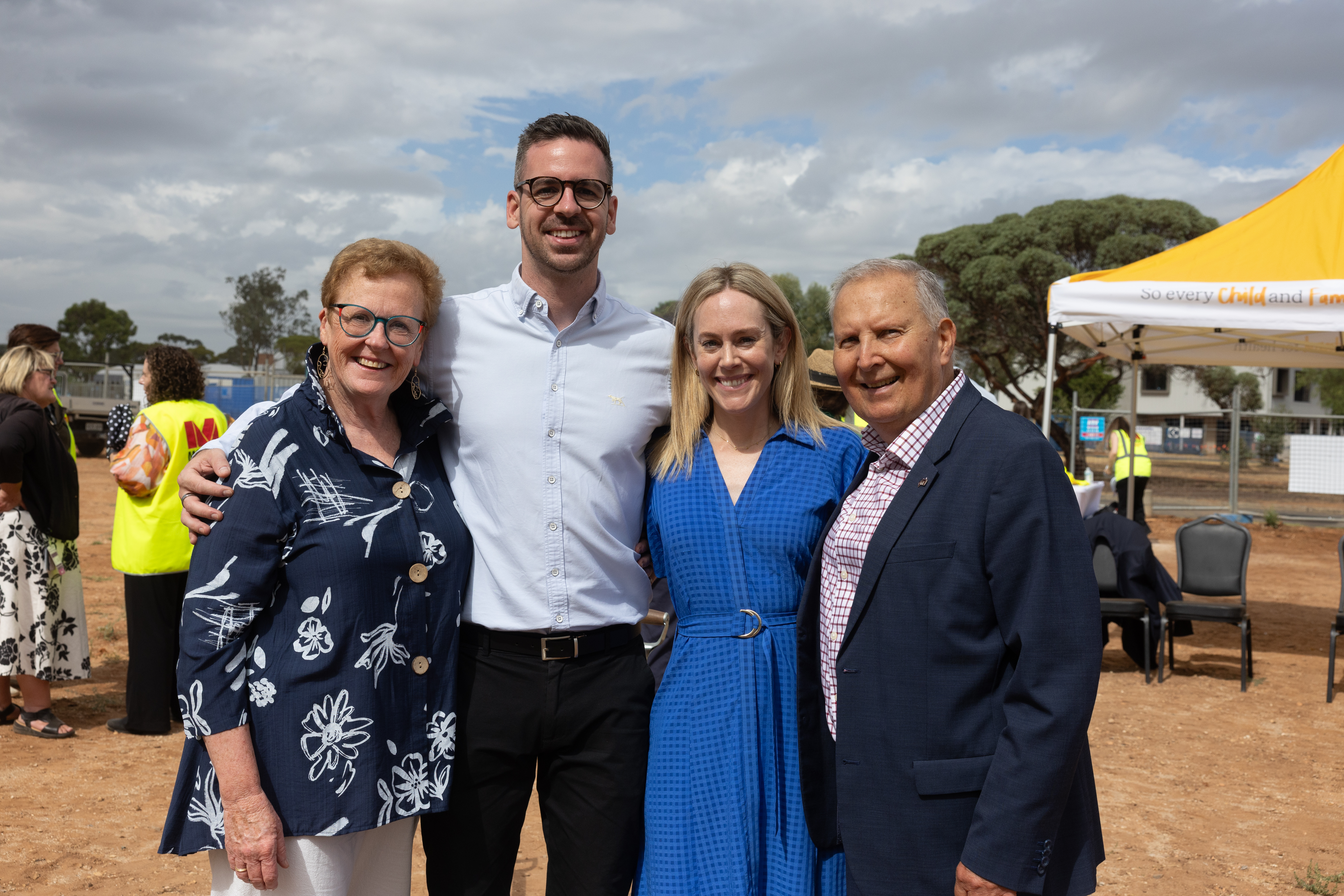
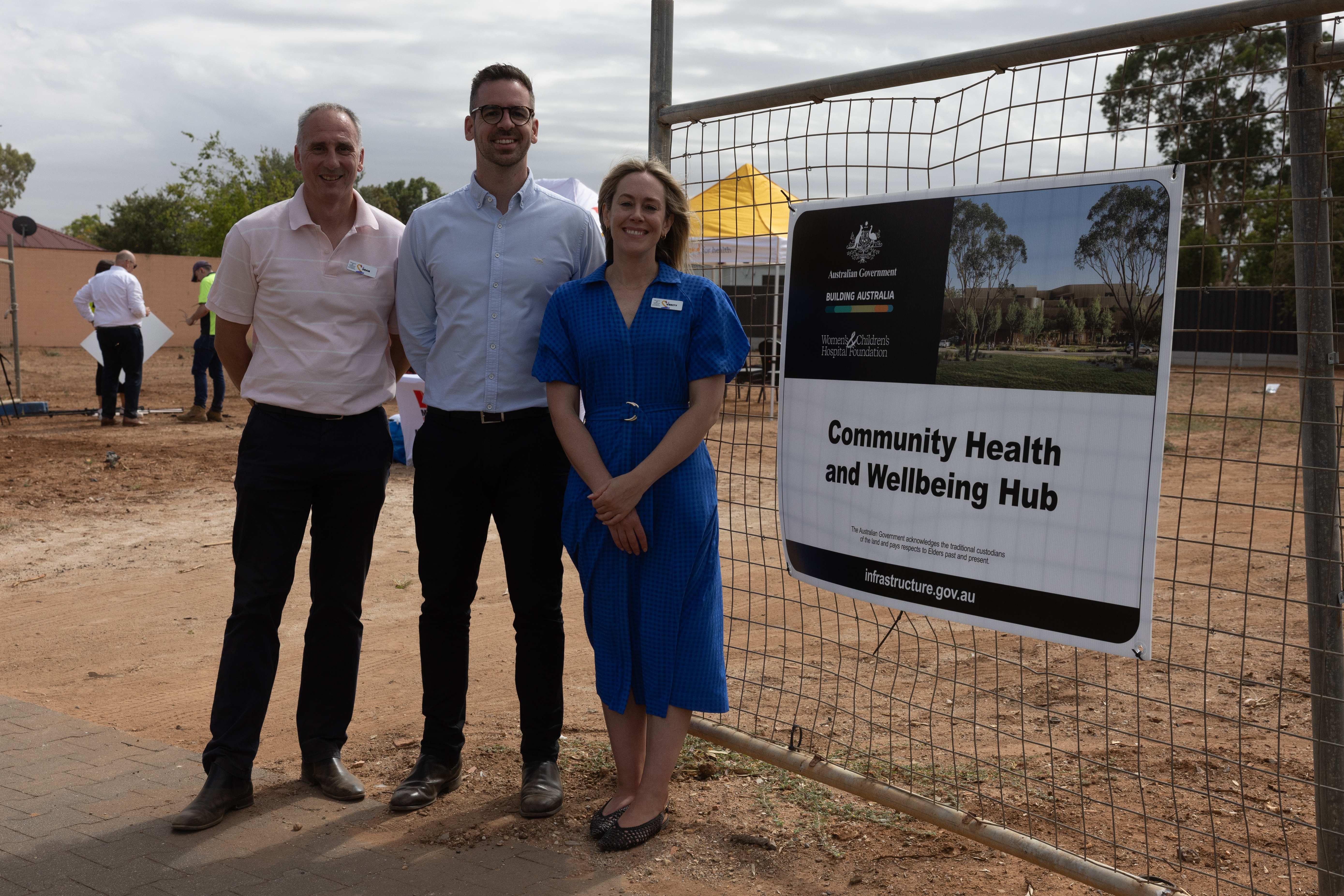
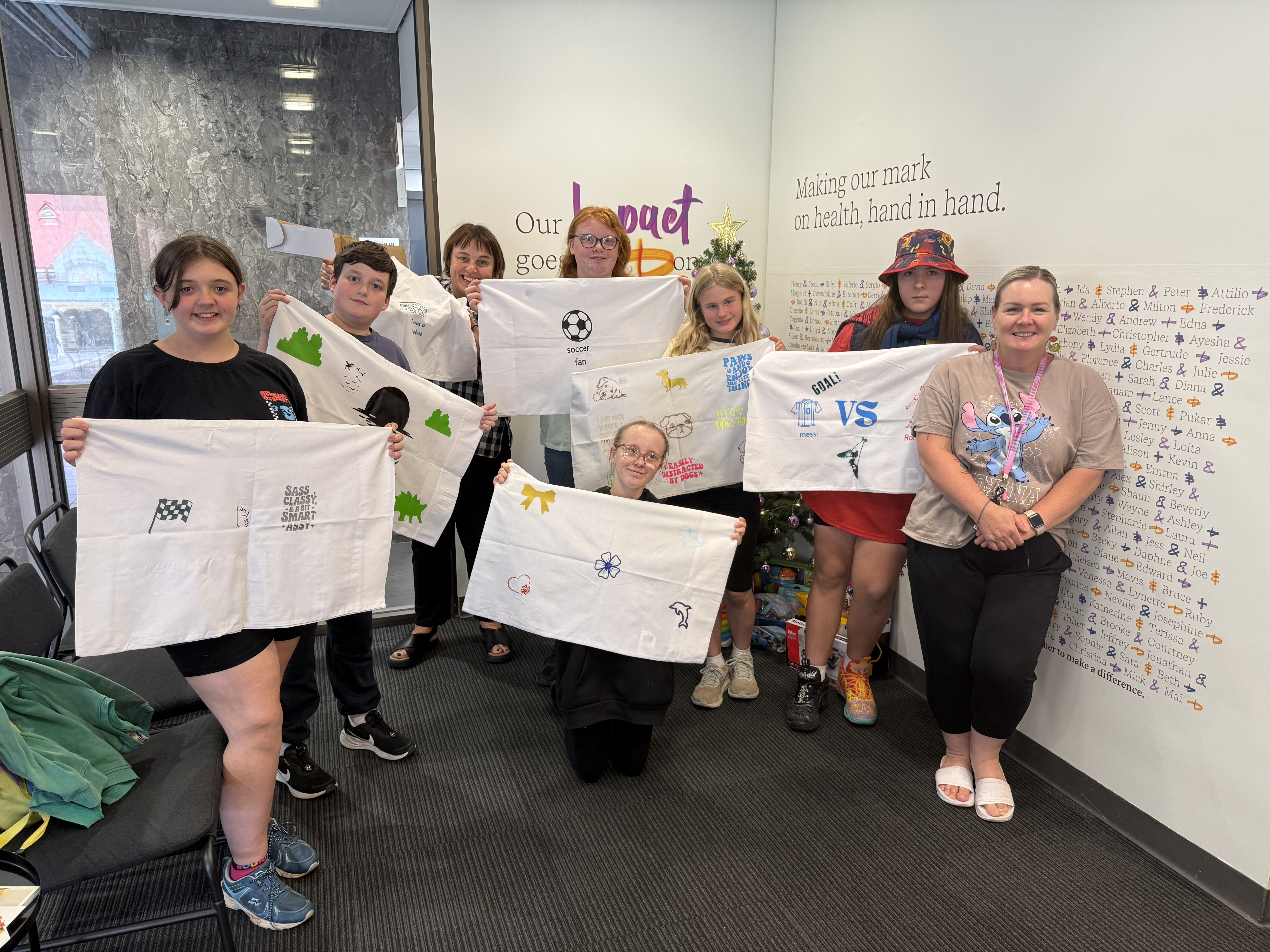
The Women’s & Children’s Hospital Foundation (WCH Foundation) has celebrated an exciting milestone, the start of construction for a new Community Health and Wellbeing Hub in Elizabeth Vale, marked with a Breaking of the Sod ceremony on 17 February 2026.

Construction is being led by Mossop Construction + Interiors, with the Hub expected to open mid-2027. Located adjacent to the Lyell McEwin Hospital, this vibrant facility will bring families, children, and community organisations together, providing access to vital health services closer to home and fostering connection across the community.

With $26 million in funding from the Australian Government’s Urban Precincts and Partnerships Program (uPPP), the Hub is set to transform the way families access health and wellbeing services in Adelaide’s northern suburbs. The uPPP supports projects that unite communities, grow local economies, and bring essential services closer to those who need them most.

“The Hub has the potential to make a profound difference to a region experiencing entrenched disadvantage. We are excited to be one step closer to bringing to life our vision of a vibrant, village-based approach to health and wellbeing to the community,” said Verity Gobbett, CEO WCH Foundation.

Representatives from WCH Foundation, Women’s and Children’s Health Network (WCHN), City of Playford, NAHLN, Flinders University, and the federal government attended the Breaking of the Sod ceremony to celebrate the start of this transformative project.

This Hub isn’t just a building. It’s a place where families, neighbours, and organisations can come together to learn, connect, and thrive. It’s a bright step forward for the North, and for the many children and families who will benefit for years to come.
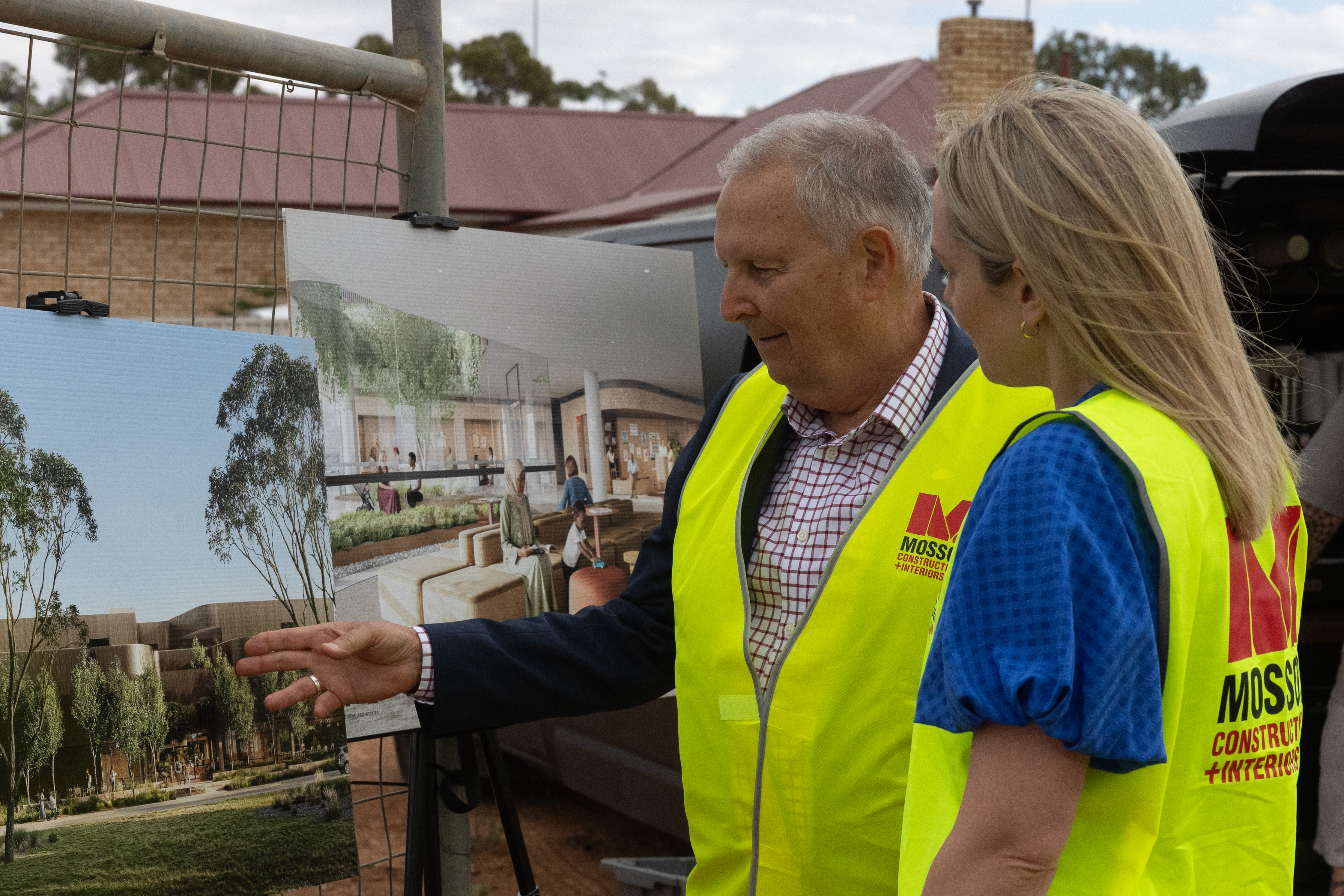
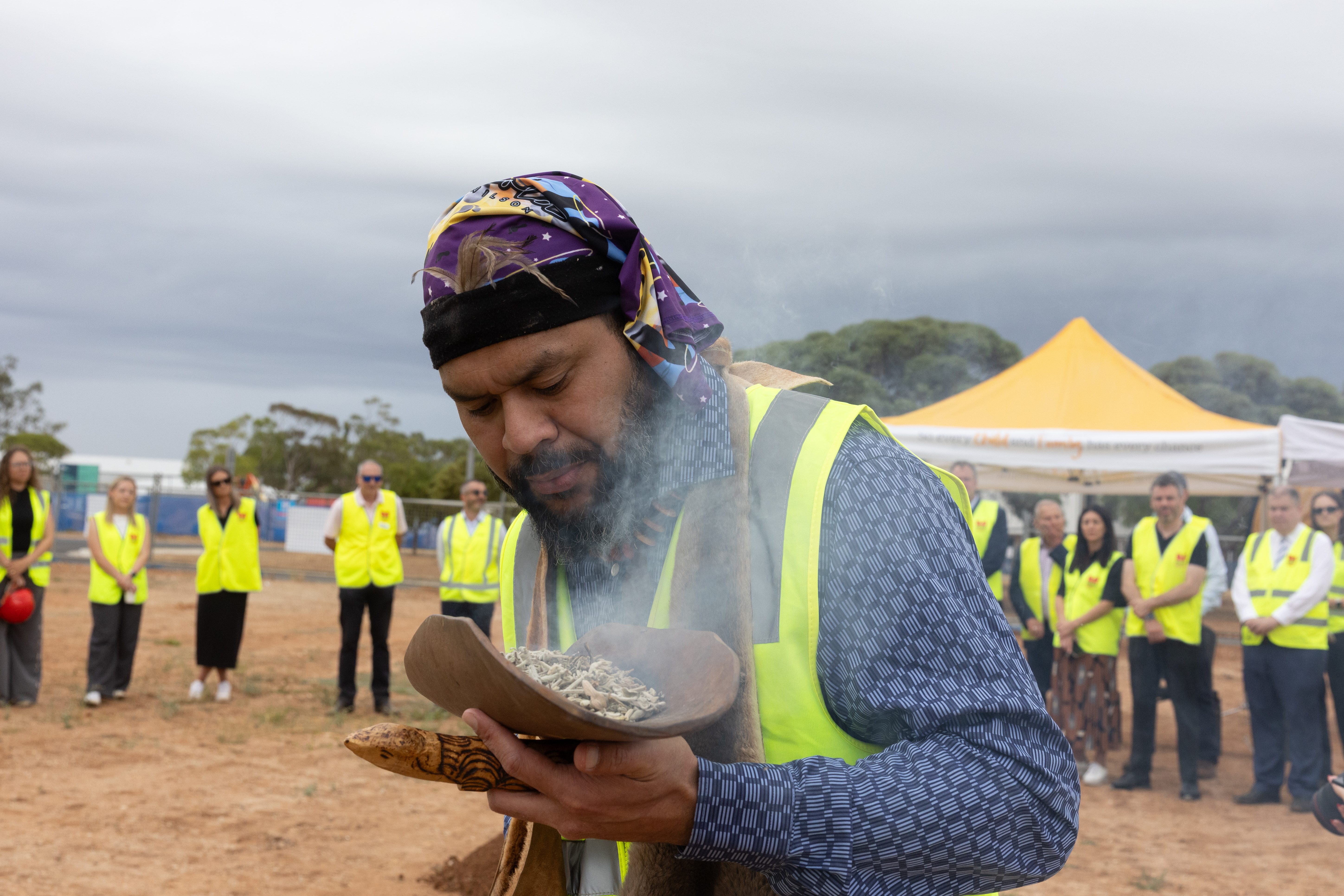
For Susannah and her family, time away together isn’t easy to come by, making their recent Laklinyeri Beach House stay all the more special.

Susannah lives with multiple complex health challenges, including Spina Bifida, hydrocephalus, and severe scoliosis that affects her lung function. She requires full-time care, using a manual wheelchair and specialised equipment to support her daily needs. Their recent Beach House stay offered a rare opportunity to slow down, reconnect, and enjoy being together as a family.

“We’re so grateful to have had the opportunity to spend time here with family and close friends, especially to share this special time with the grandparents who’ve supported us so much over the years,” shared Susannah’s mum, Kylie.

From the moment they arrived, every detail helped create a sense of welcome and calm. A thoughtfully prepared welcome basket and quiet moments in a peaceful, home-like space allowed the family to slow down and simply enjoy each other’s company. “It’s amazing to come to a place where it’s all just there,” said Kylie.

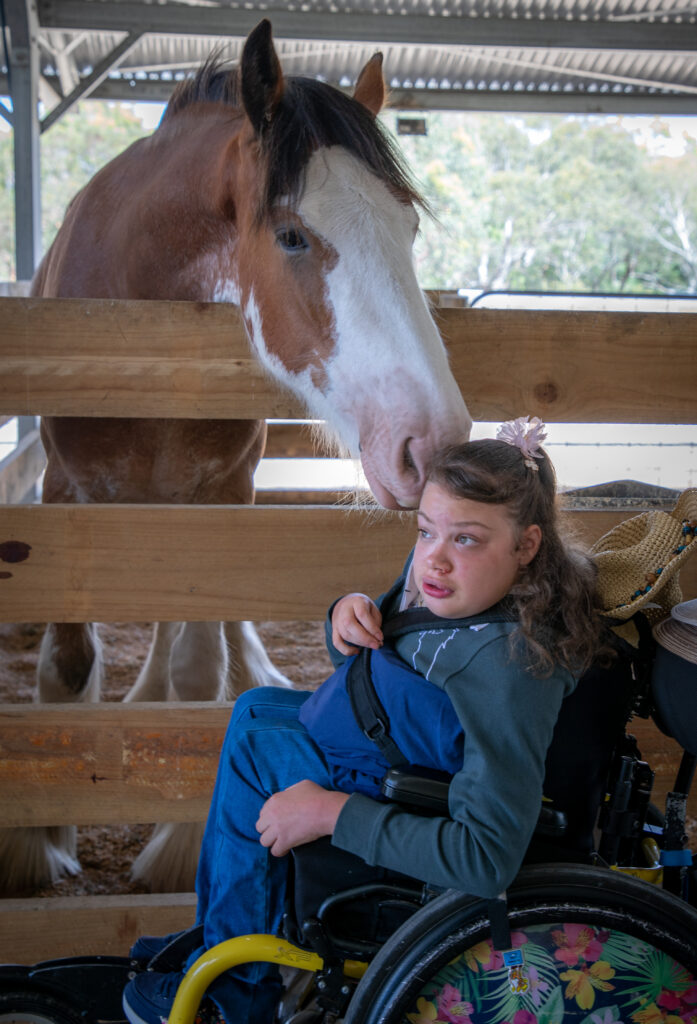
A highlight of the stay was a behind-the-scenes visit to the Horse Drawn Tram Stables. “Susannah absolutely loved the Beach House, and the stables were a highlight! She was thrilled to get up close to the horses,” says Kylie.

Susannah at the stables of the Horse Drawn Tram in Victor.

Beyond rest and fun, the stay also offered practical benefits. During their visit, the family had the opportunity to trial equipment, including a ceiling hoist and sling lifter, giving them valuable insight and confidence as they plan for Susannah’s future care needs.

“We’re so thankful. There’s no way we could have afforded this experience without the Foundation’s support,” they shared.

For families managing complex medical care every day, time away isn’t just a holiday it’s a chance to reset, reconnect, and create joyful memories together in a safe and supportive environment.

Our Beach House program is made possible through the generosity of our supporters, including the HAS Foundation who help enhance Beach House stays with special family outings and experiences.

As the rush of the holiday season settles and the New Year begins, many of us take a quiet moment to reflect on the past and look forward to the future. It’s a time for setting goals, embracing fresh starts, and considering the legacy we wish to leave behind.

Writing a Will provides peace of mind, knowing that your wishes will be honoured. It is also an opportunity to make a lasting impact through a bequest. Leaving a gift in your Will to the WCH Foundation is a powerful way to ensure that future generations of South Australian women, children, and families continue to receive the best possible health care and support.

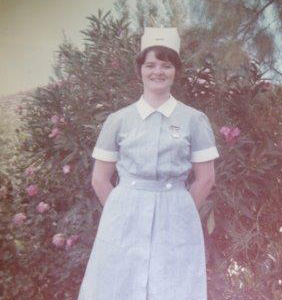
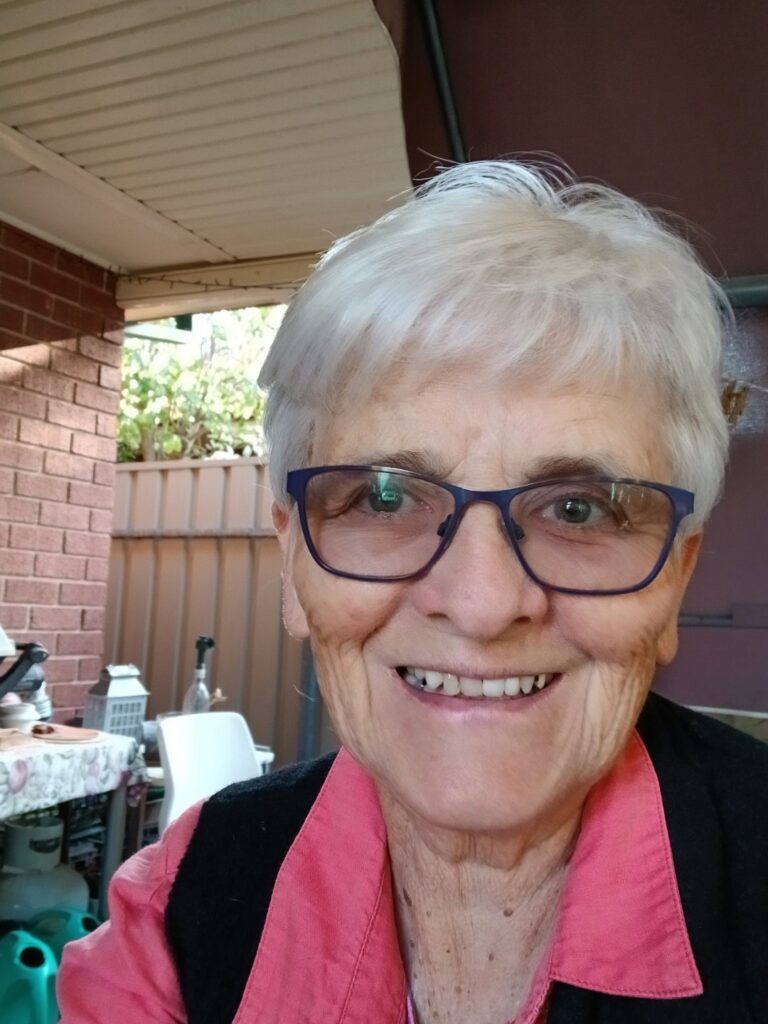
For some of our supporters, this decision comes from a lifetime of connection to the Women’s and Children’s Hospital. Doris Henderson (née Findlay) is one such supporter whose journey with the hospital began more than five decades ago as a nurse trainee.

“It was very rewarding, and I felt very privileged to be there,” Doris explains.

“My time as a nurse at the Women’s and Children’s Hospital has ingrained it in my heart as a place I want to support.”

Today, Doris continues that support not on the wards, but as a dedicated member of the WCH Foundation Golden Hearts Bequest Society. Having witnessed the hospital’s evolution and the vital work of the WCH Foundation firsthand, she is passionate about contributing to programs that enhance patient care.

She holds a special interest in the Arts in Health program, particularly the Animal Assisted Therapy program, which brings pets onto the wards to comfort patients and encourage movement. Her support also extends to the WCH Foundation Beach House at Victor Harbor, a holiday home designed for families with children requiring complex care.

“Having seen evidence of the amazing work of the Foundation, I am very happy to assist this group of dedicated workers,” Doris says.

By leaving a bequest, Doris ensures that the care and compassion she embodied as a nurse will continue to support families long into the future.

If you would like to learn more about leaving a bequest to the WCH Foundation, please visit our Gift in Wills page here or contact us.

Children recovering from orthopaedic surgery at the Women’s and Children’s Hospital (WCH) now have access to a colourful new sensory cart, providing comfort and support during their rehabilitation, thanks to funding from the WCH Foundation.

The Rehabilitation Orthopaedic Service cares for children with neuromuscular and physical conditions, who often face significant pain, limited mobility, and overwhelming sensory environments during their hospital stay. For many of these young patients, bright lights, loud spaces, unfamiliar faces and stressful procedures can make recovery even harder.

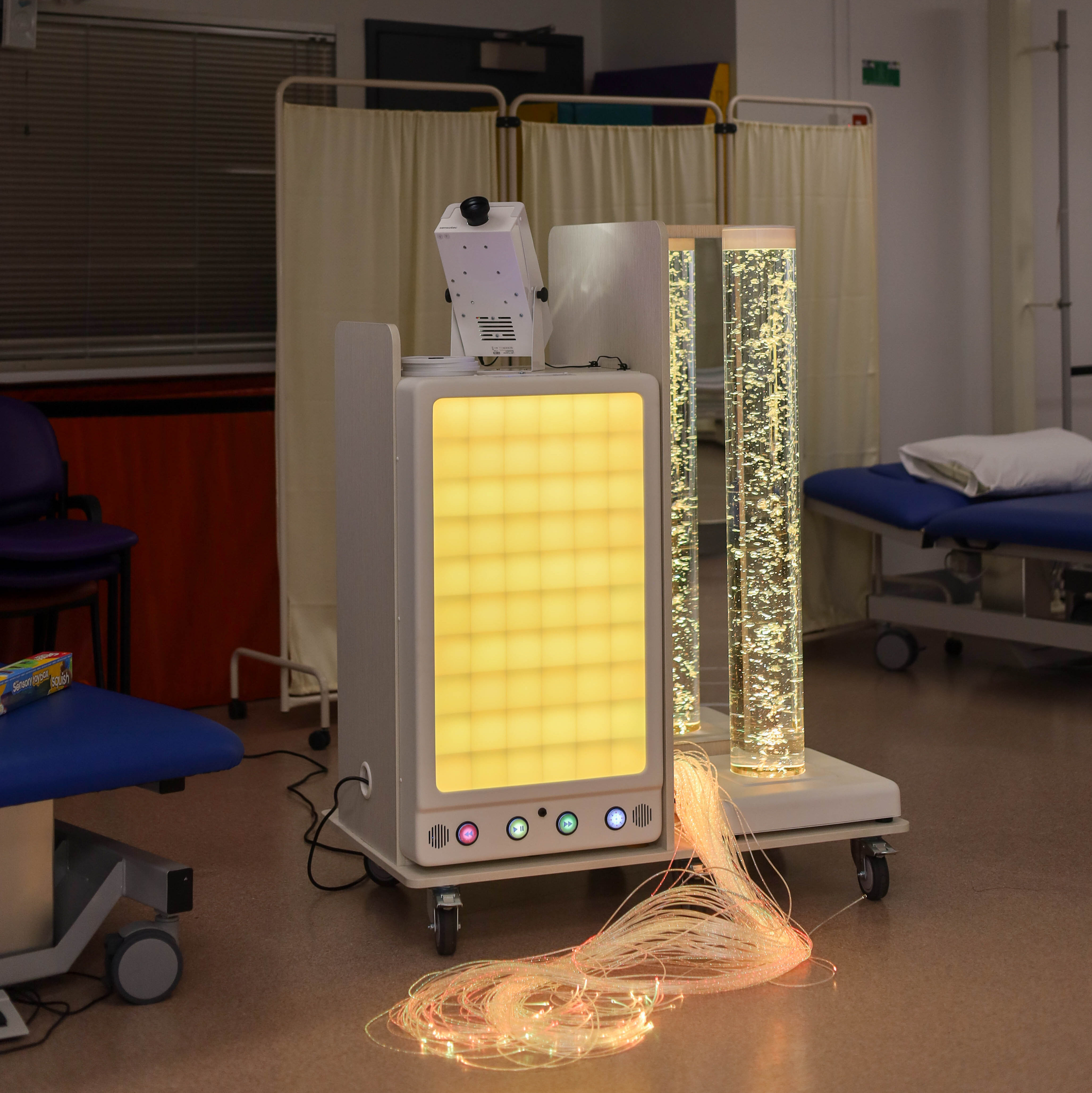
To help ease these experiences, the team has introduced a mobile sensory cart, filled with carefully selected tools designed to comfort, distract and motivate children throughout their rehabilitation.

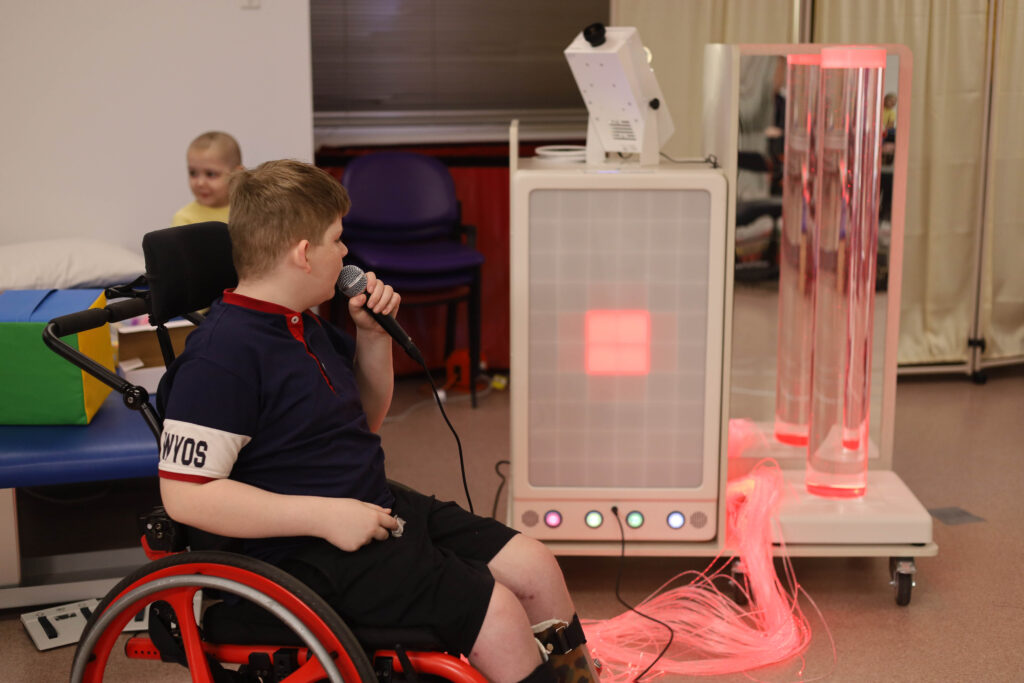
The cart features a gentle bubble tube, a projector that washes the room in soft movement, fibre-optic strands to touch and explore, an infinity wall mirror, and an interactive panel that lights up and responds to clapping, talking and music.

These sensory tools are already helping children feel more grounded and calm, providing positive distraction from pain and reducing the stress of procedures such as cast removal, blood tests and cannula insertions.

Rebecca Appleby, Occupational Therapist at the WCH, shared that “’Hospitals can feel overwhelming and unfamiliar for children and their families.”

“By meeting their sensory needs, we can reduce stress and help individuals to feel safe to participate in therapy and interventions, creating positive experiences in hospital.”

For 10-year-old Max, who is currently undergoing rehabilitation, the sensory cart has become part of his exercise program. Each exercise is assigned a colour, and during therapy sessions Max rolls a colour-coded cube to choose what comes next. The sensory cart then lights up in the same colour, helping guide and motivate him through each exercise.

“It’s really cool,” Max said with a grin. “I rate it nine out of ten.”

Seeing children engage so positively with the cart has been especially meaningful for the team.

Rebecca says, “It’s been so exciting to see children like Max be able to enjoy the cart, and to be able to meet their needs in a creative, accessible and fun way.”

When children’s sensory needs are better met, they feel safer, more regulated and more able to participate in therapy, which can support faster recovery and earlier discharge.

The WCH Foundation is proud to have funded this project, helping transform challenging moments into calmer, more positive experiences for children and families.

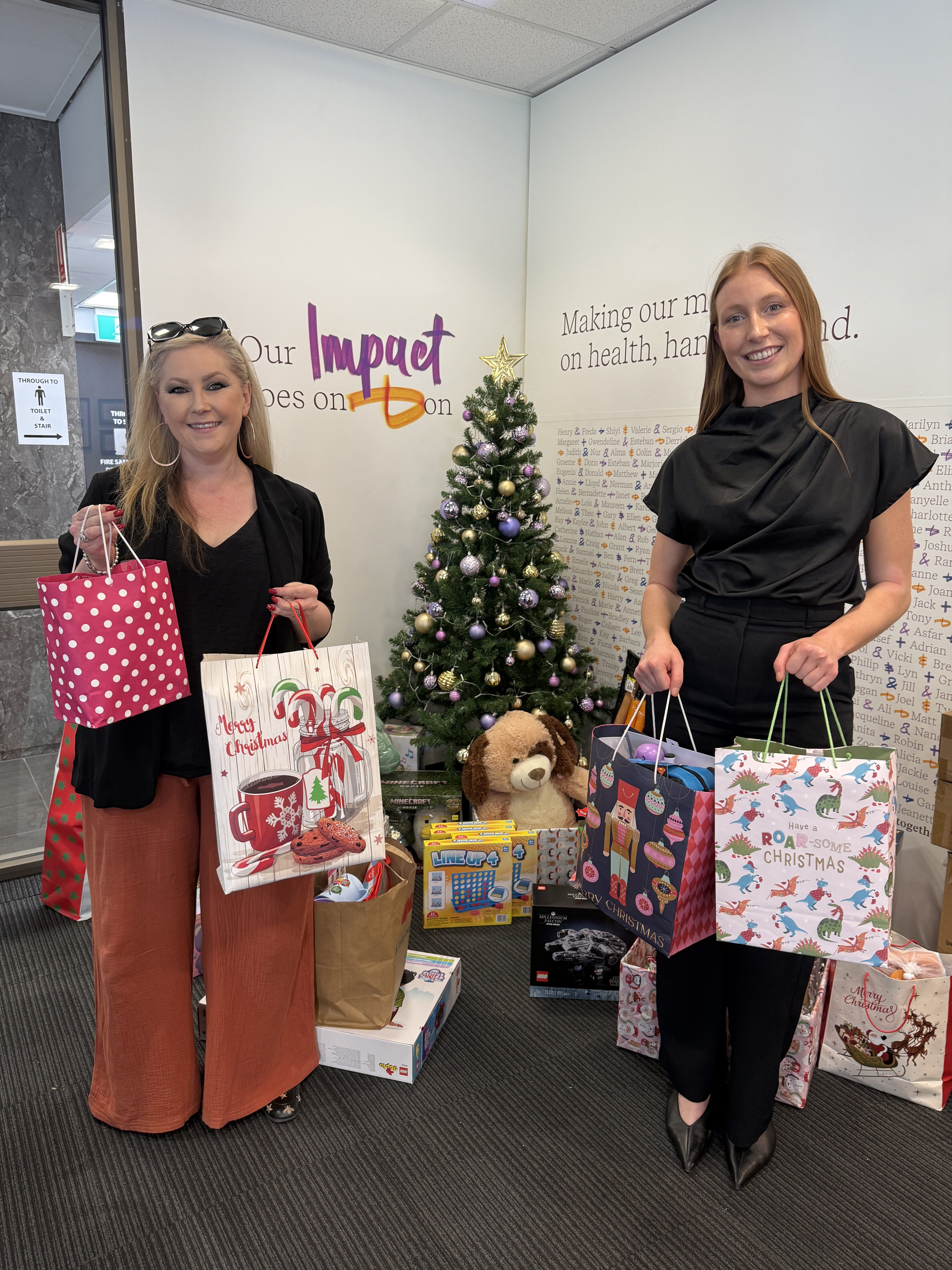
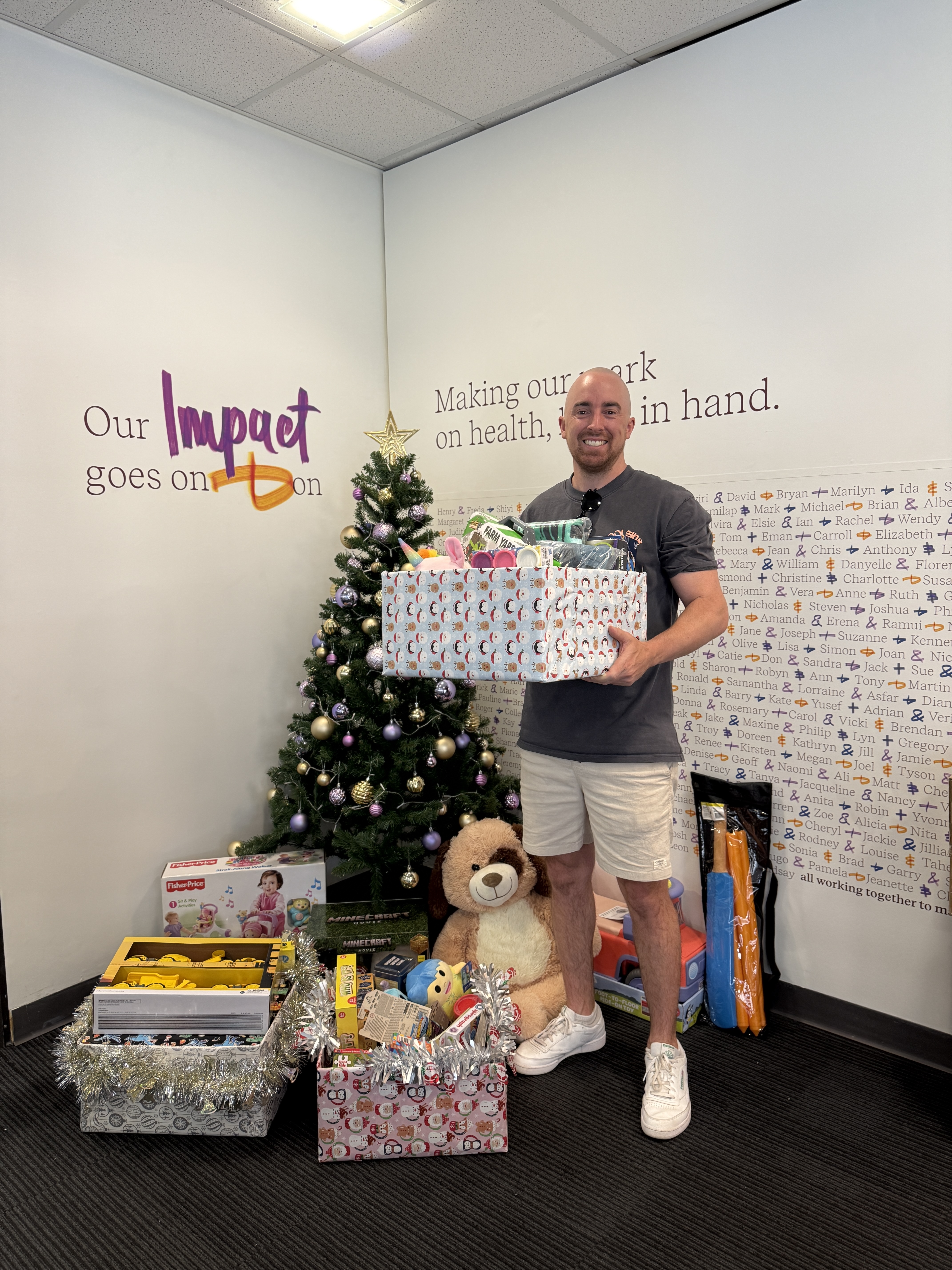
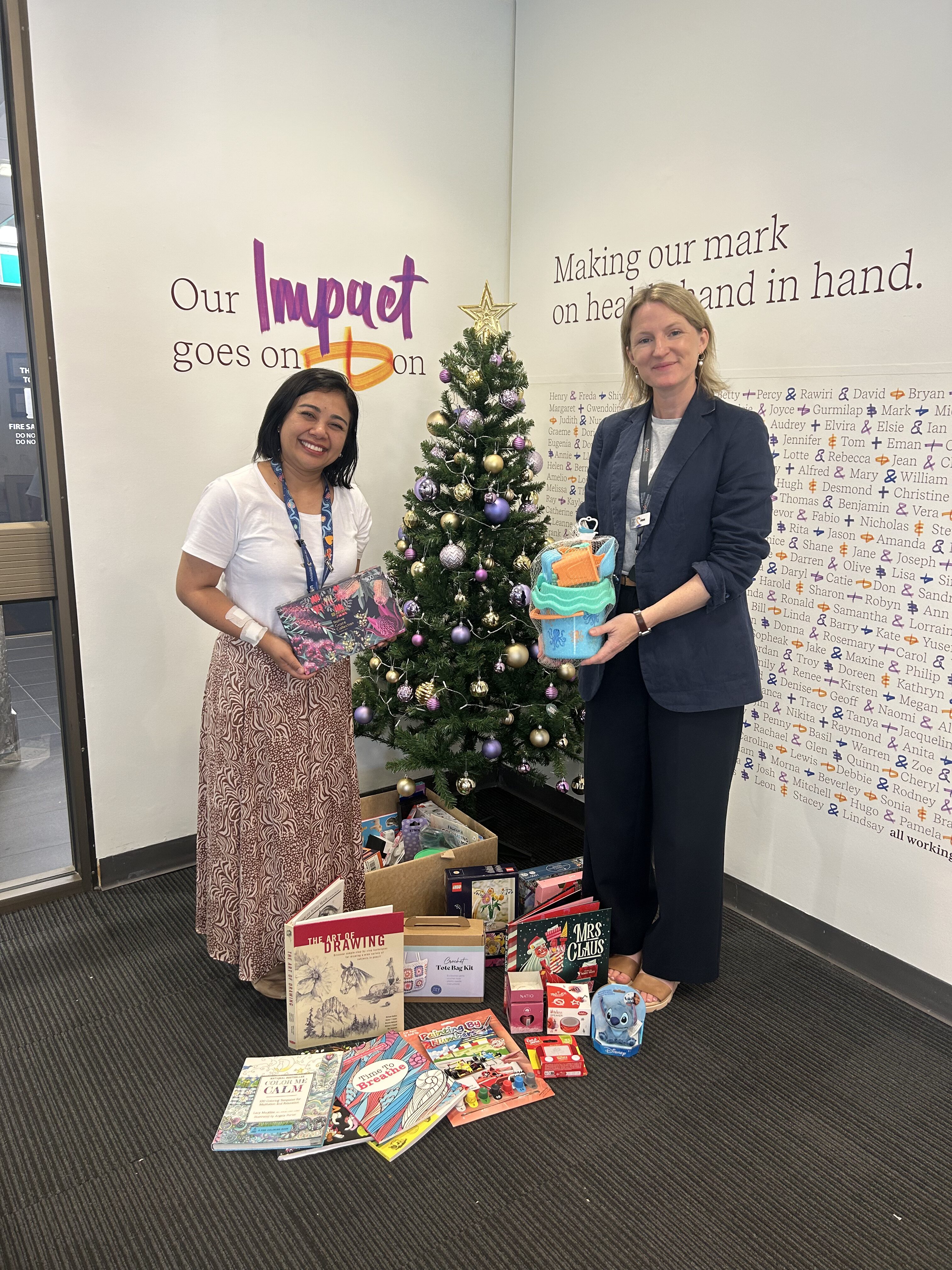
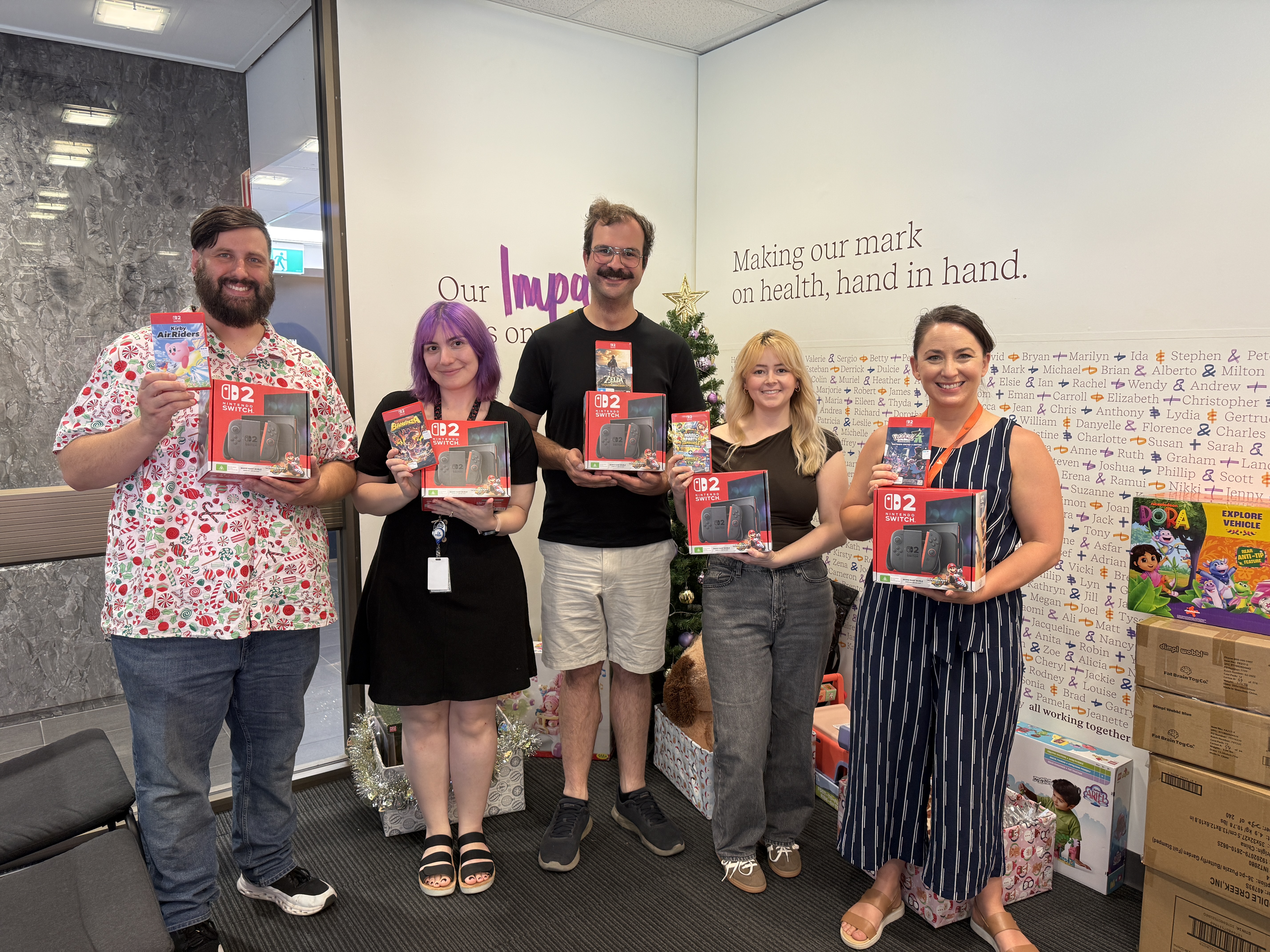
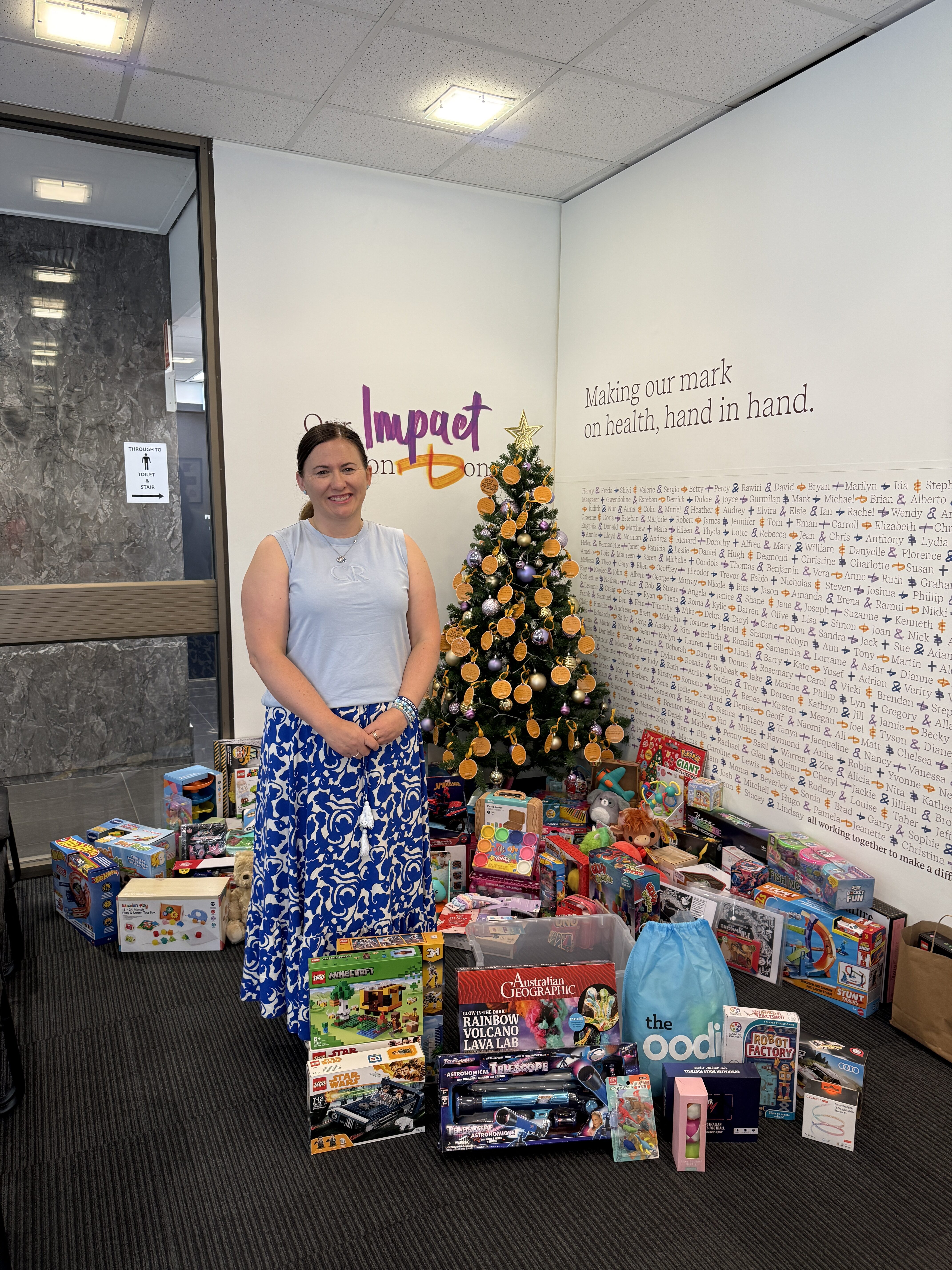
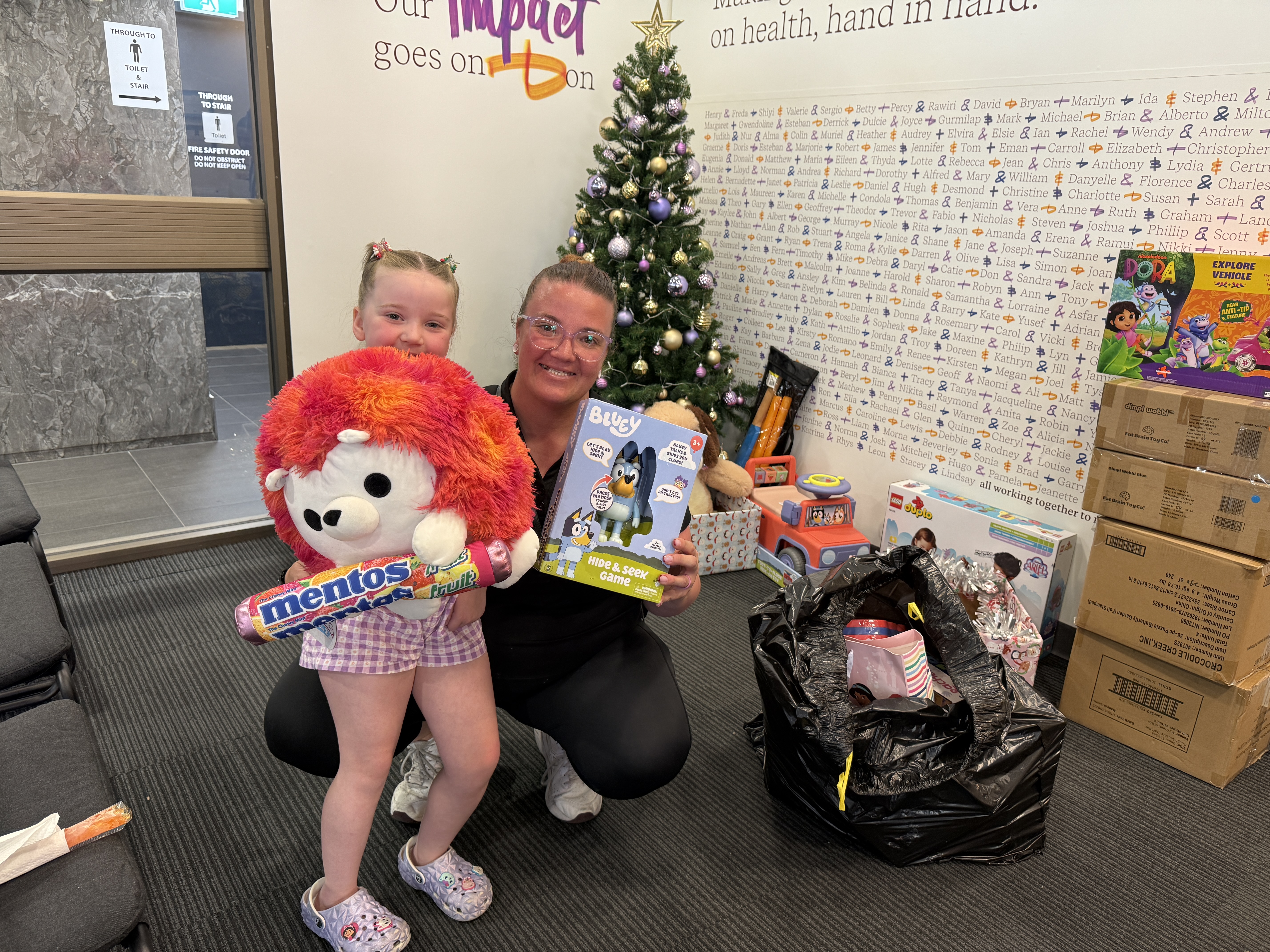
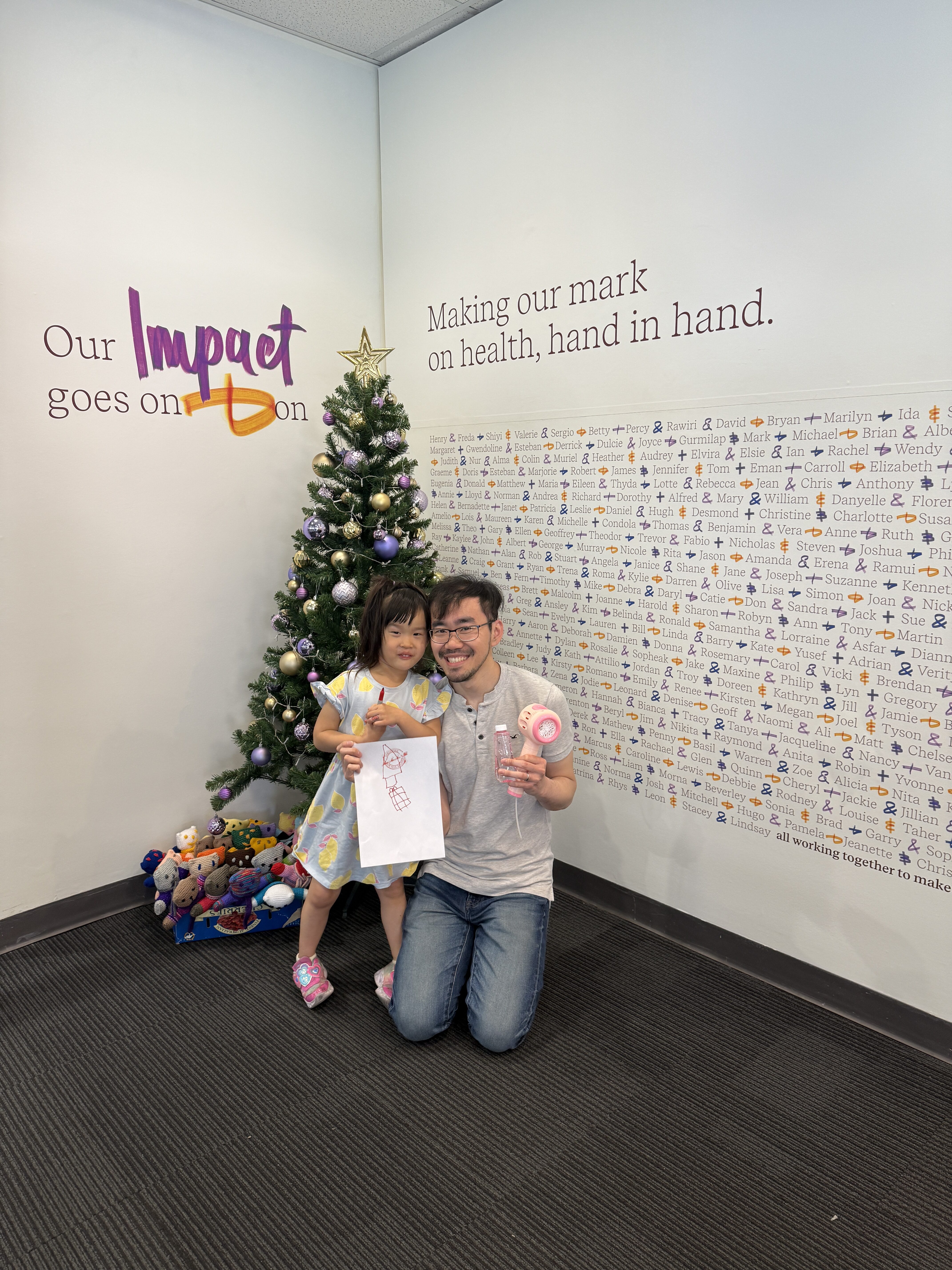
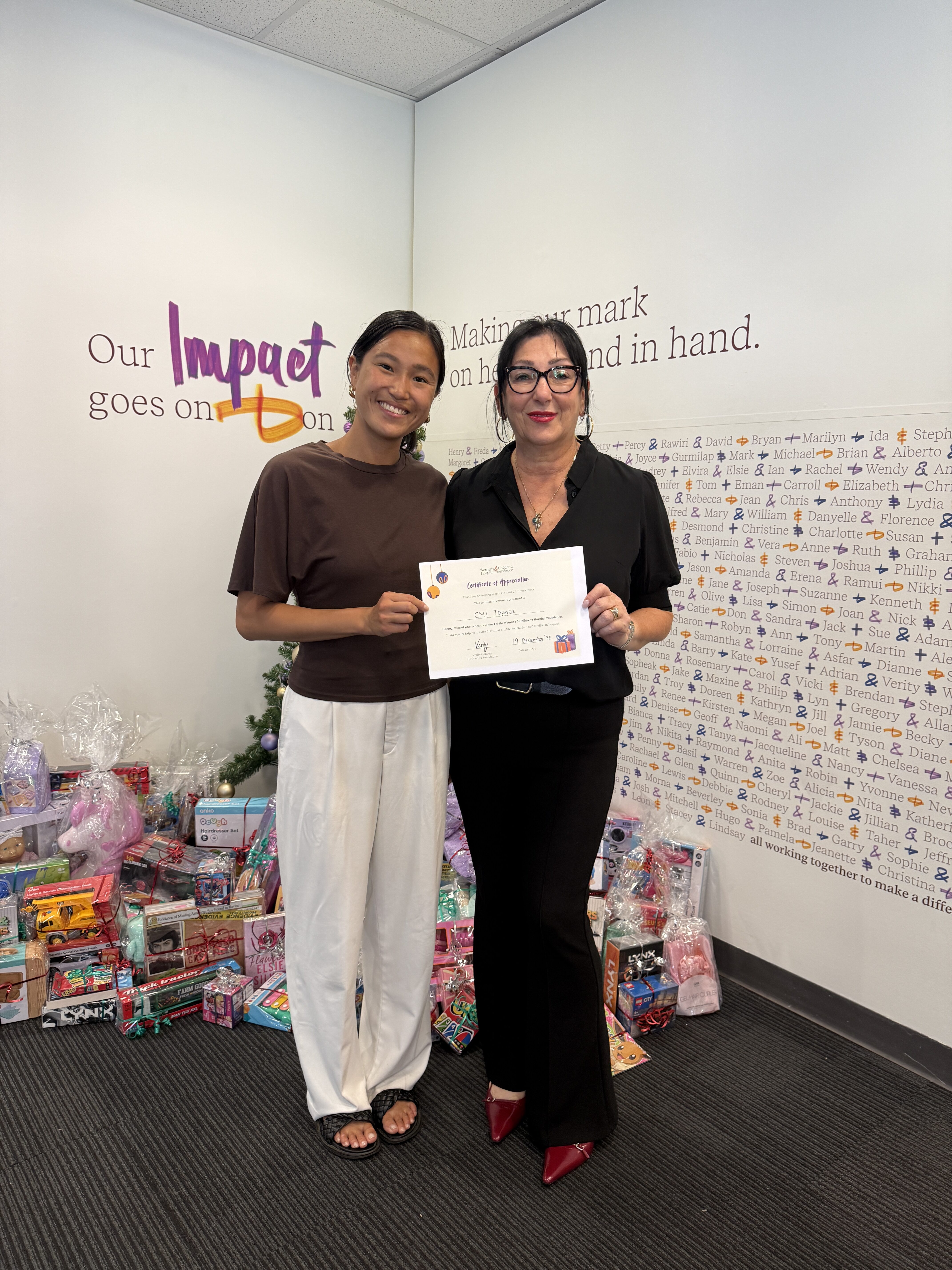
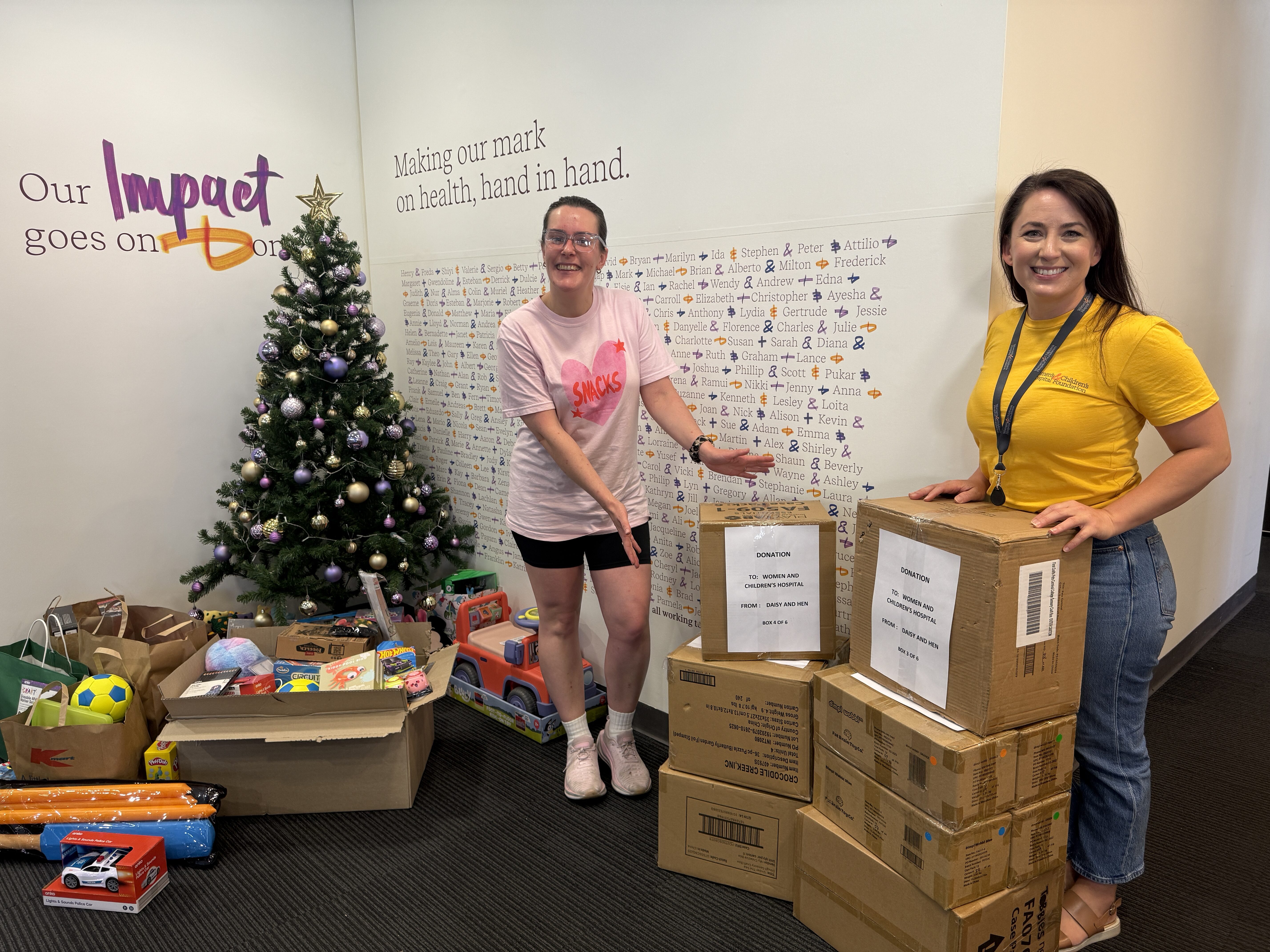
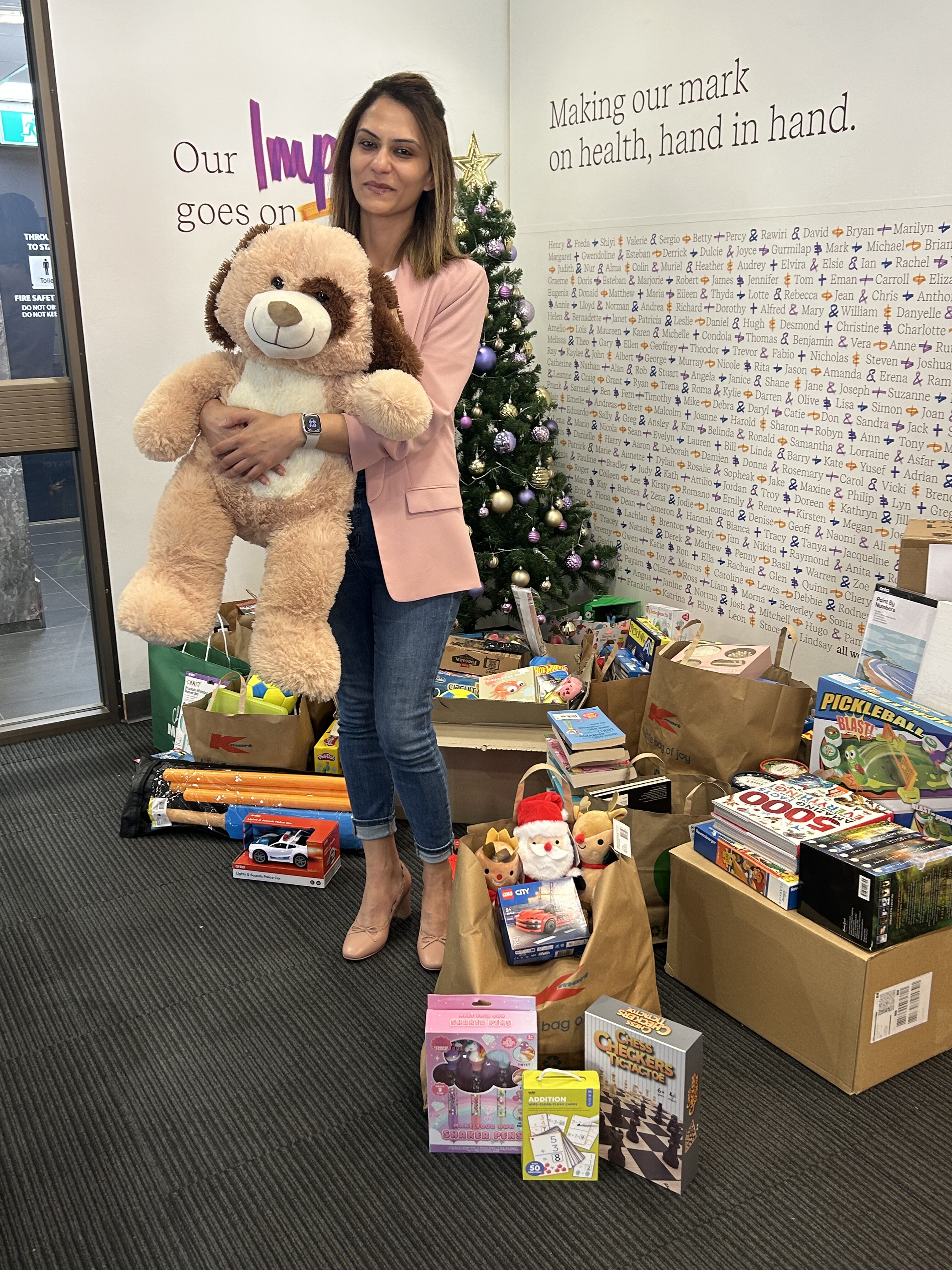
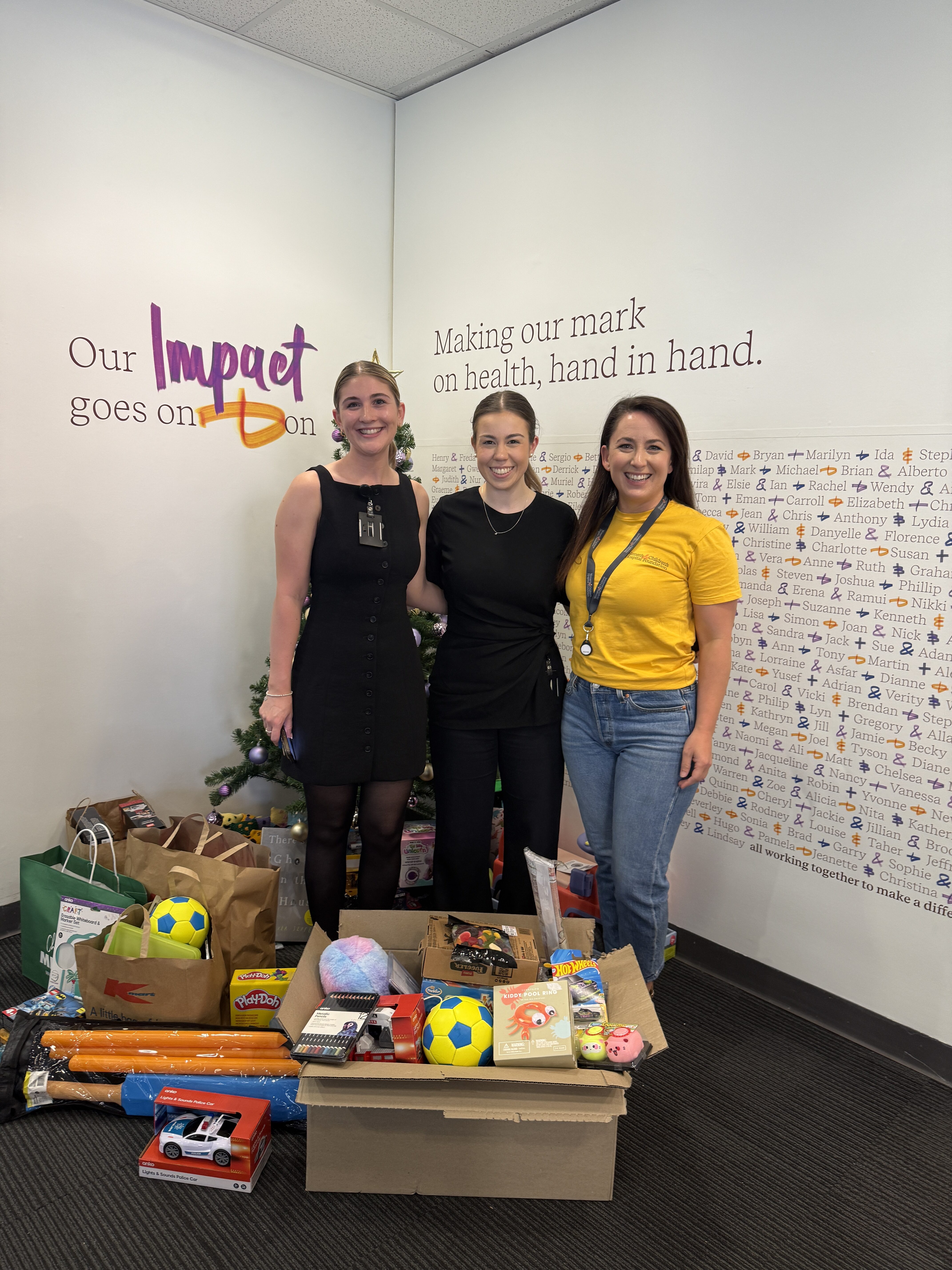
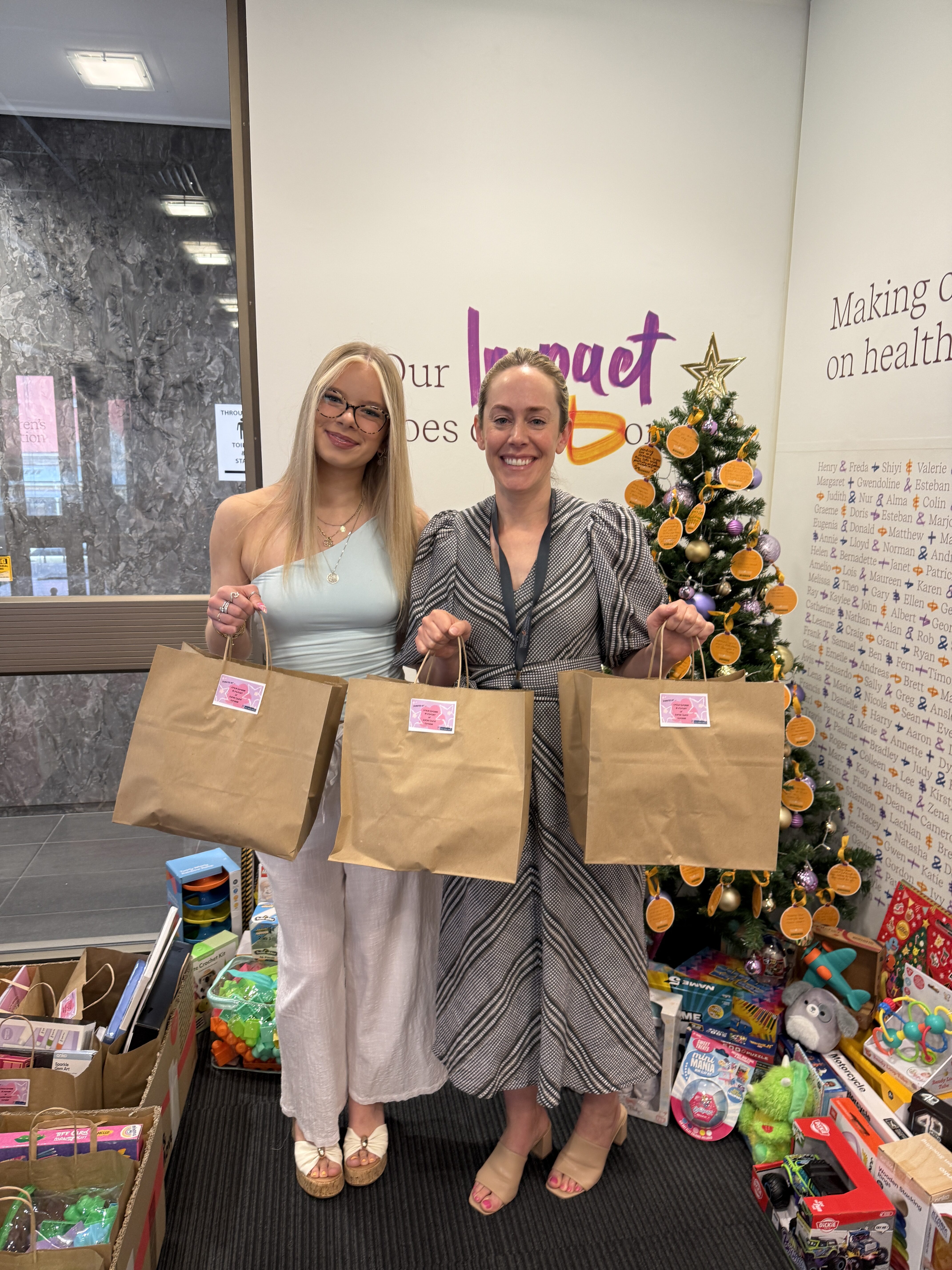
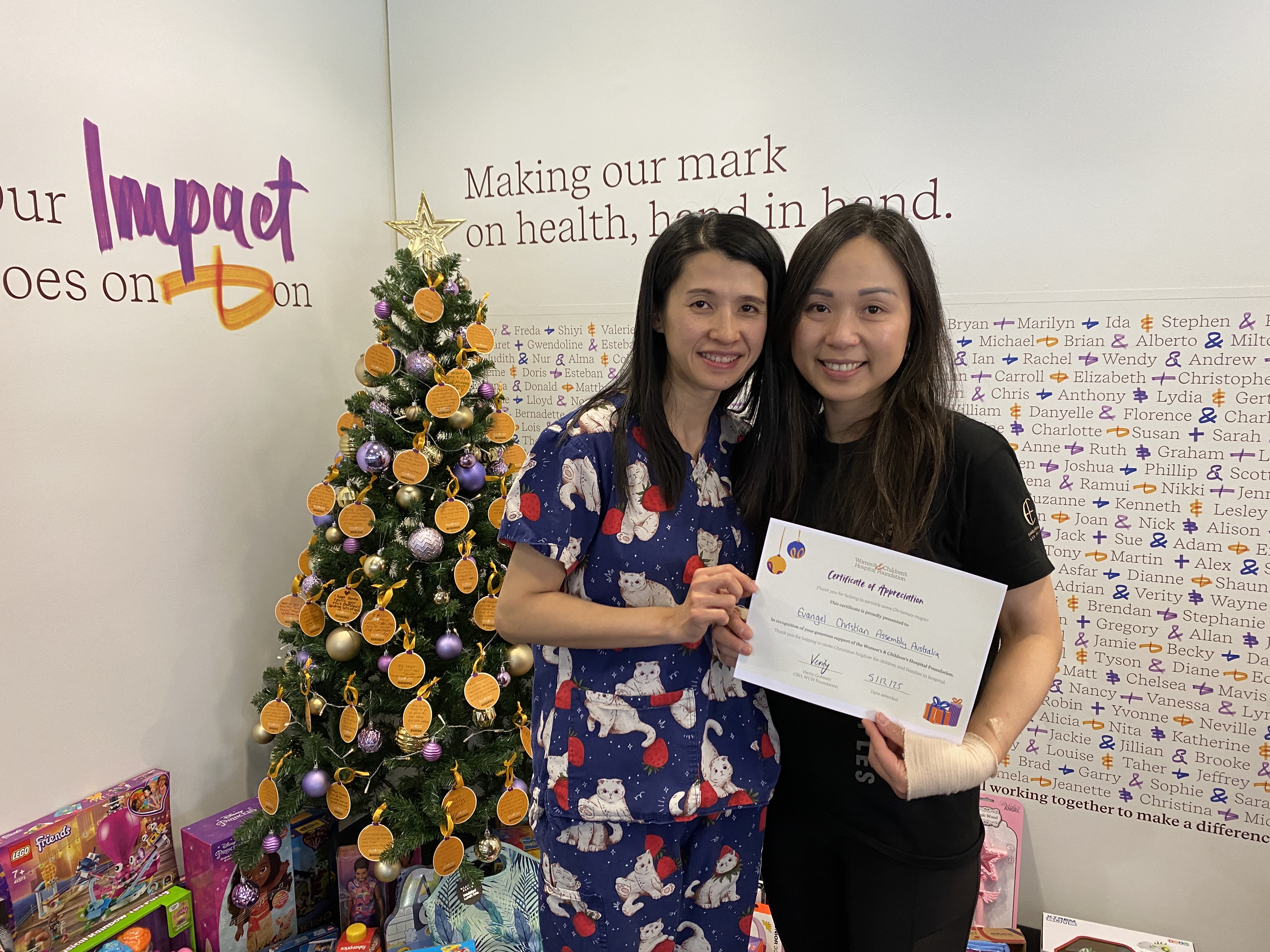
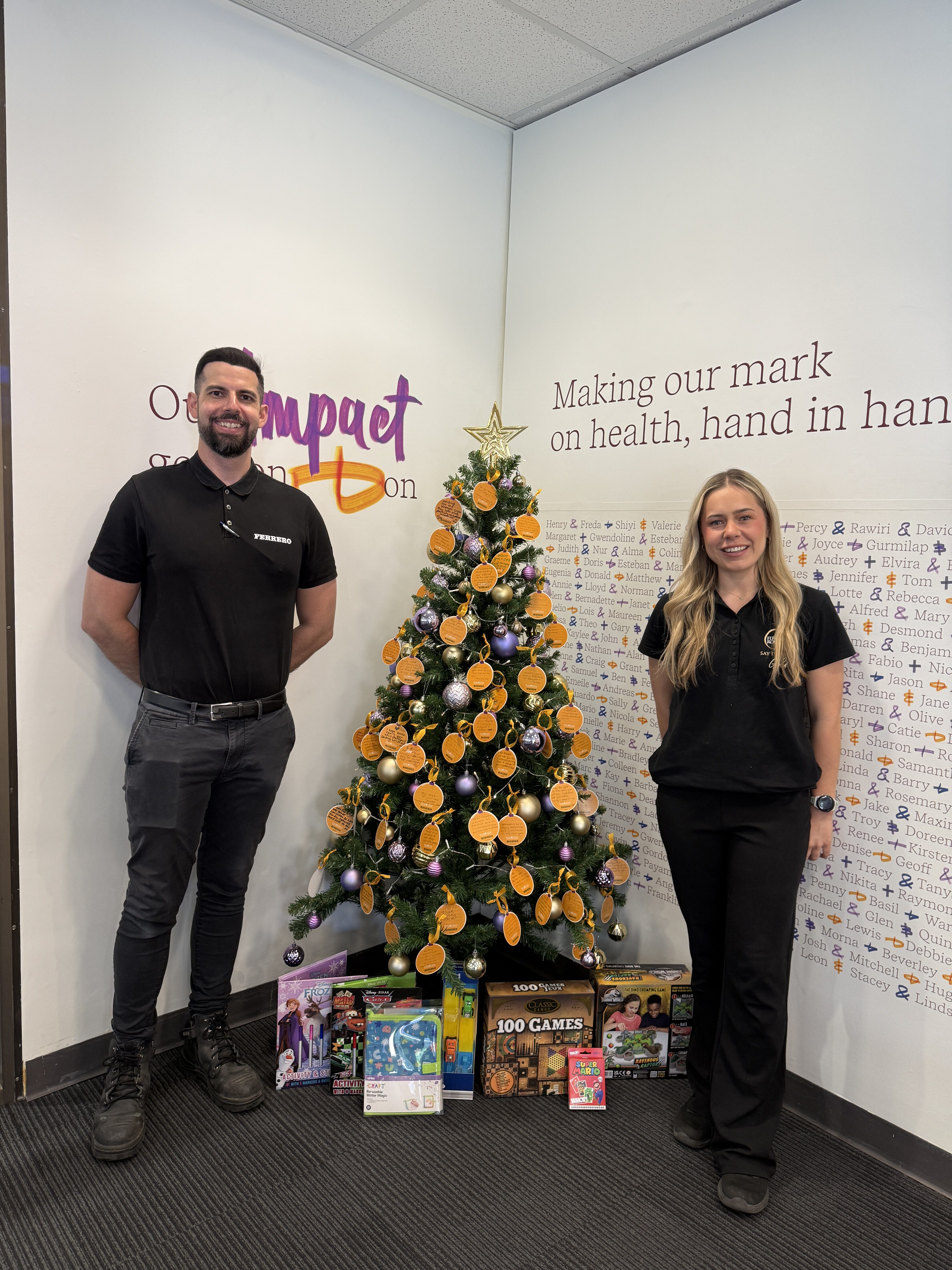
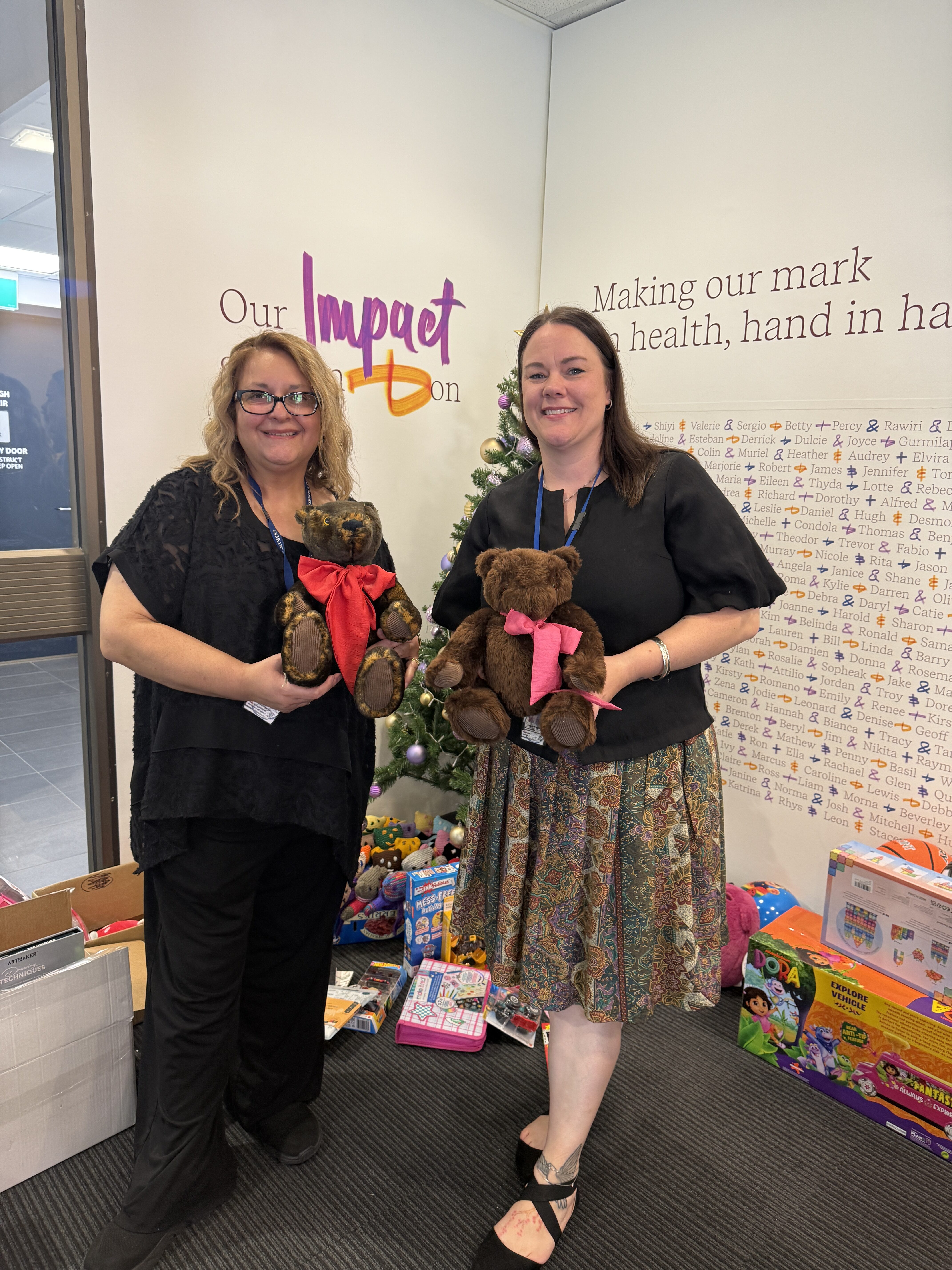
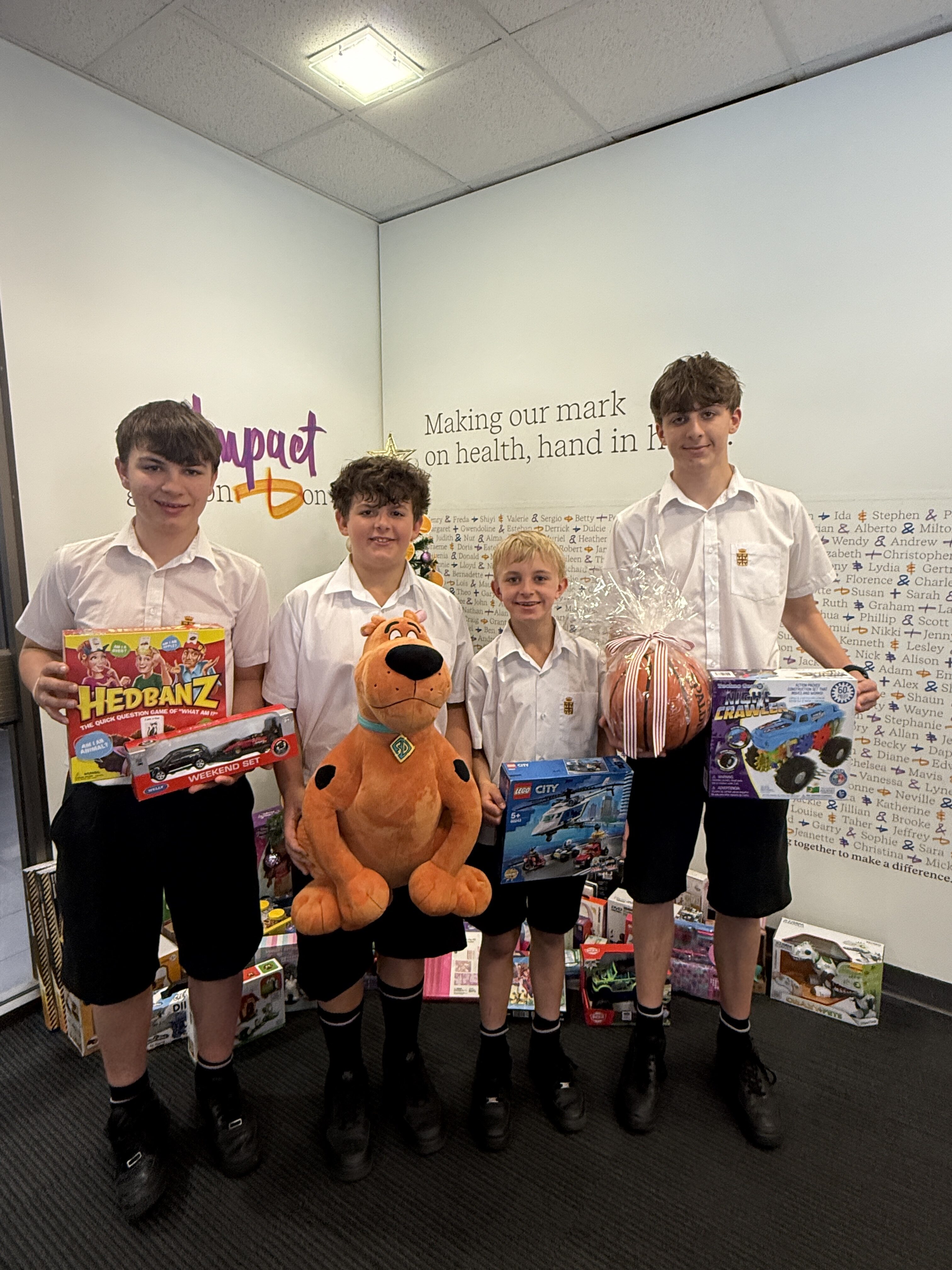
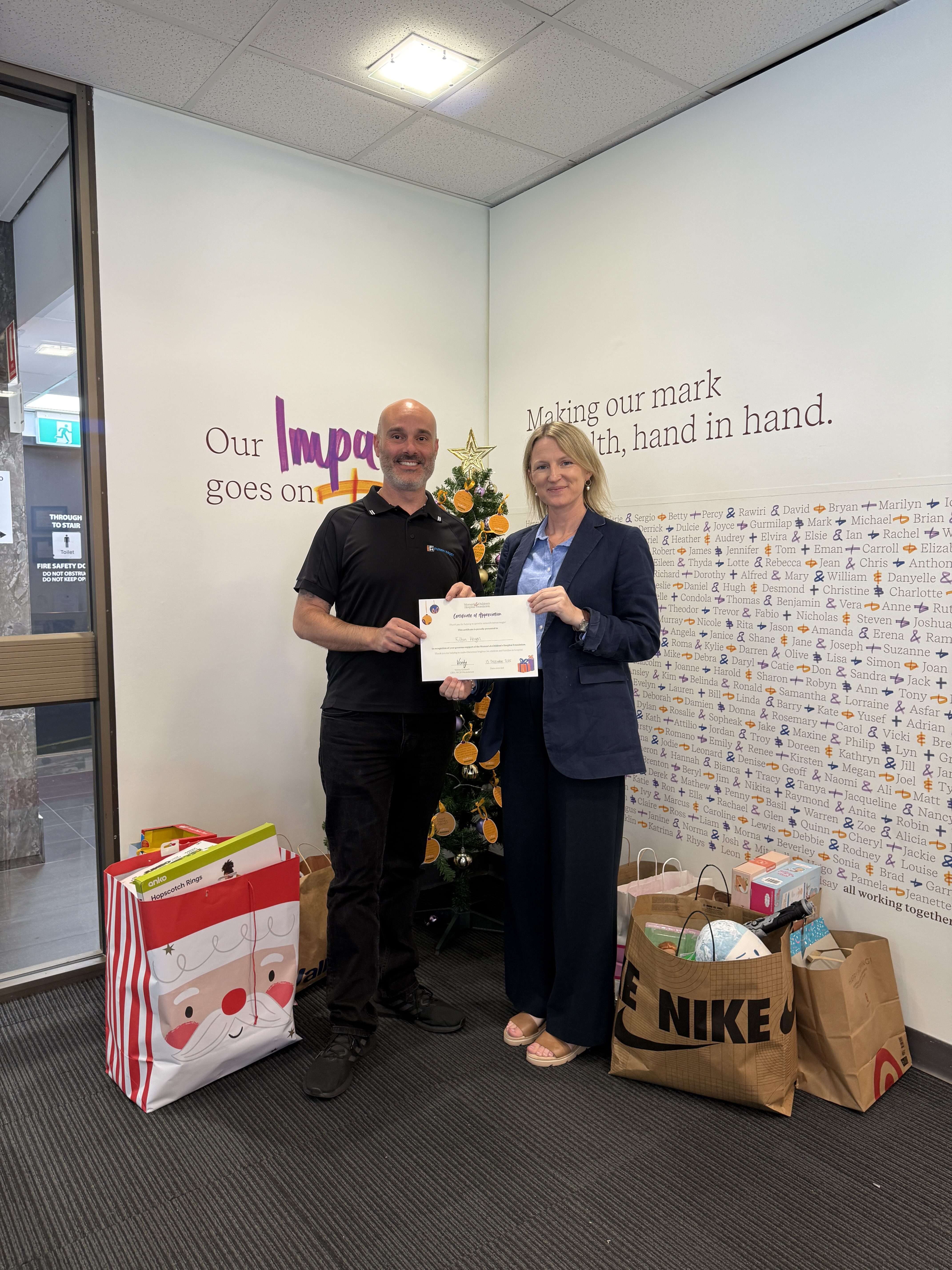
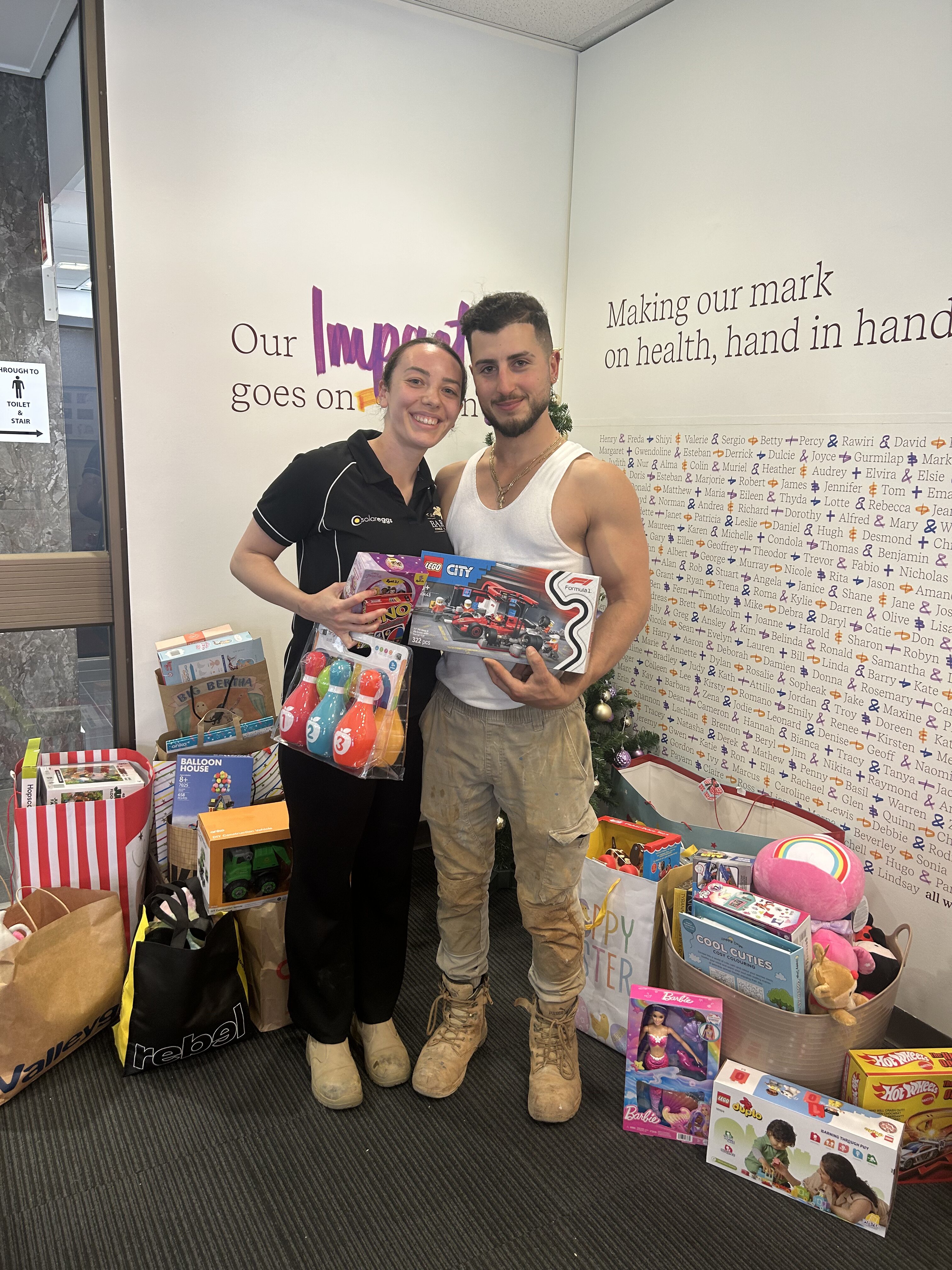
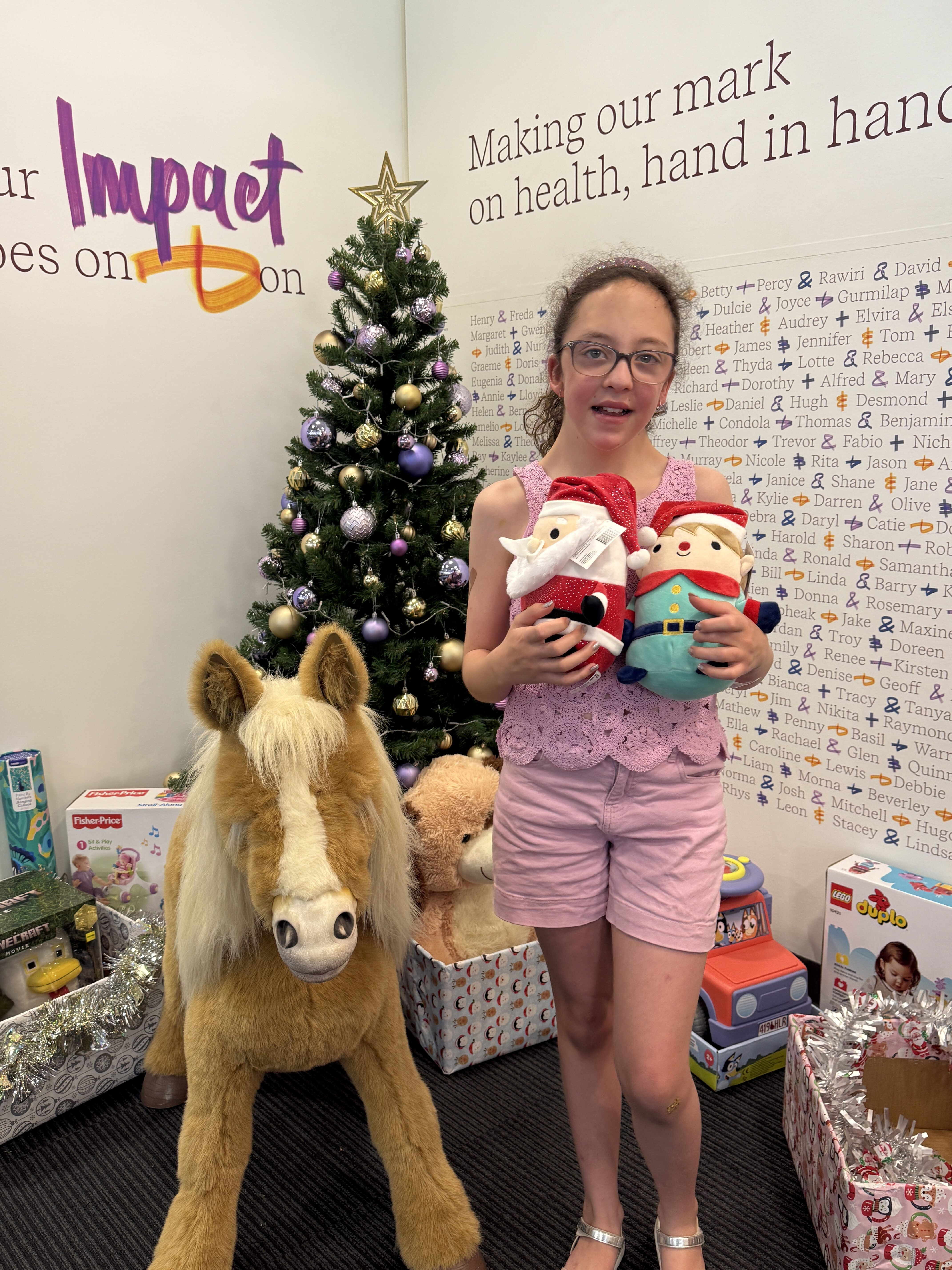
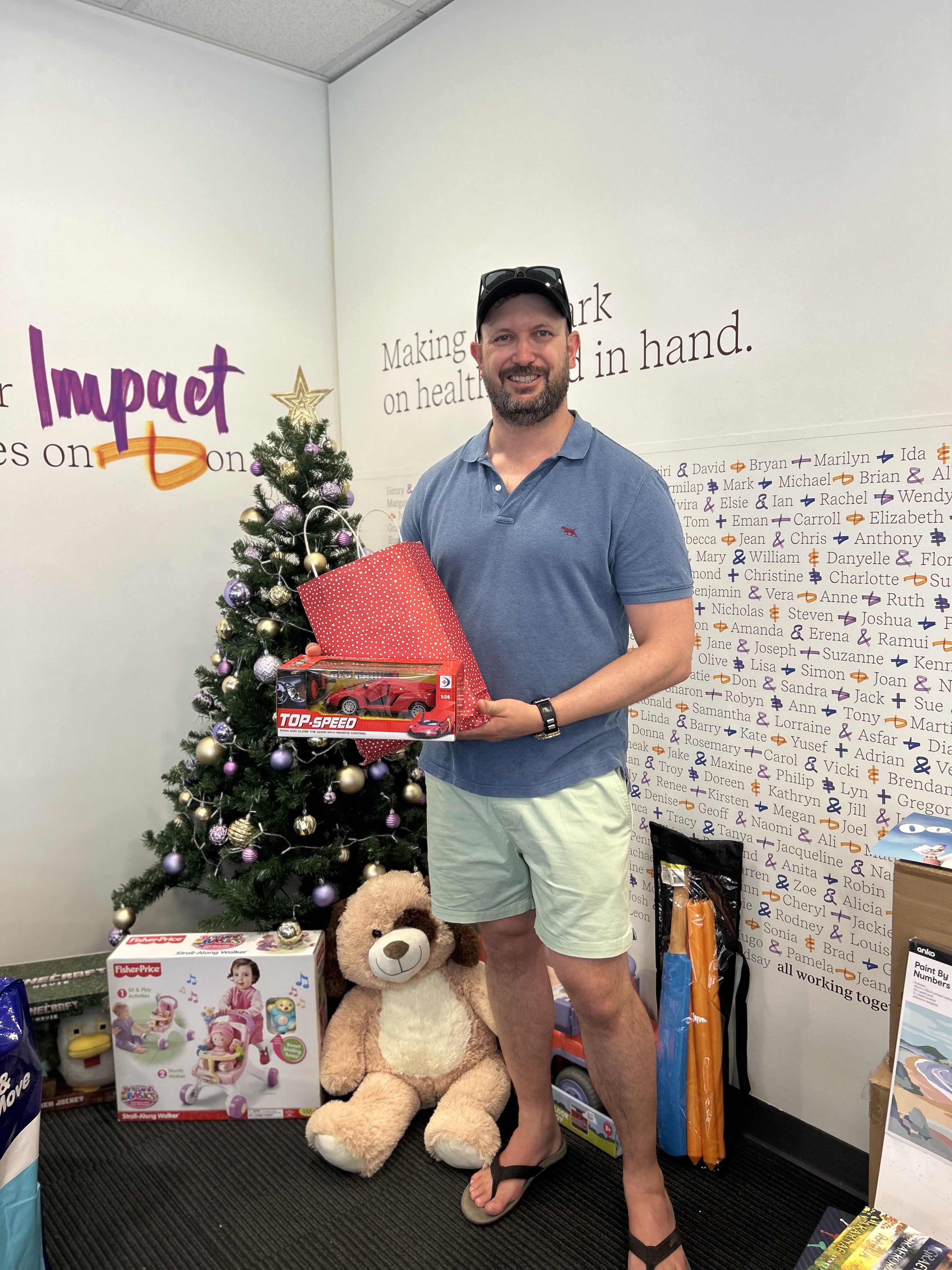
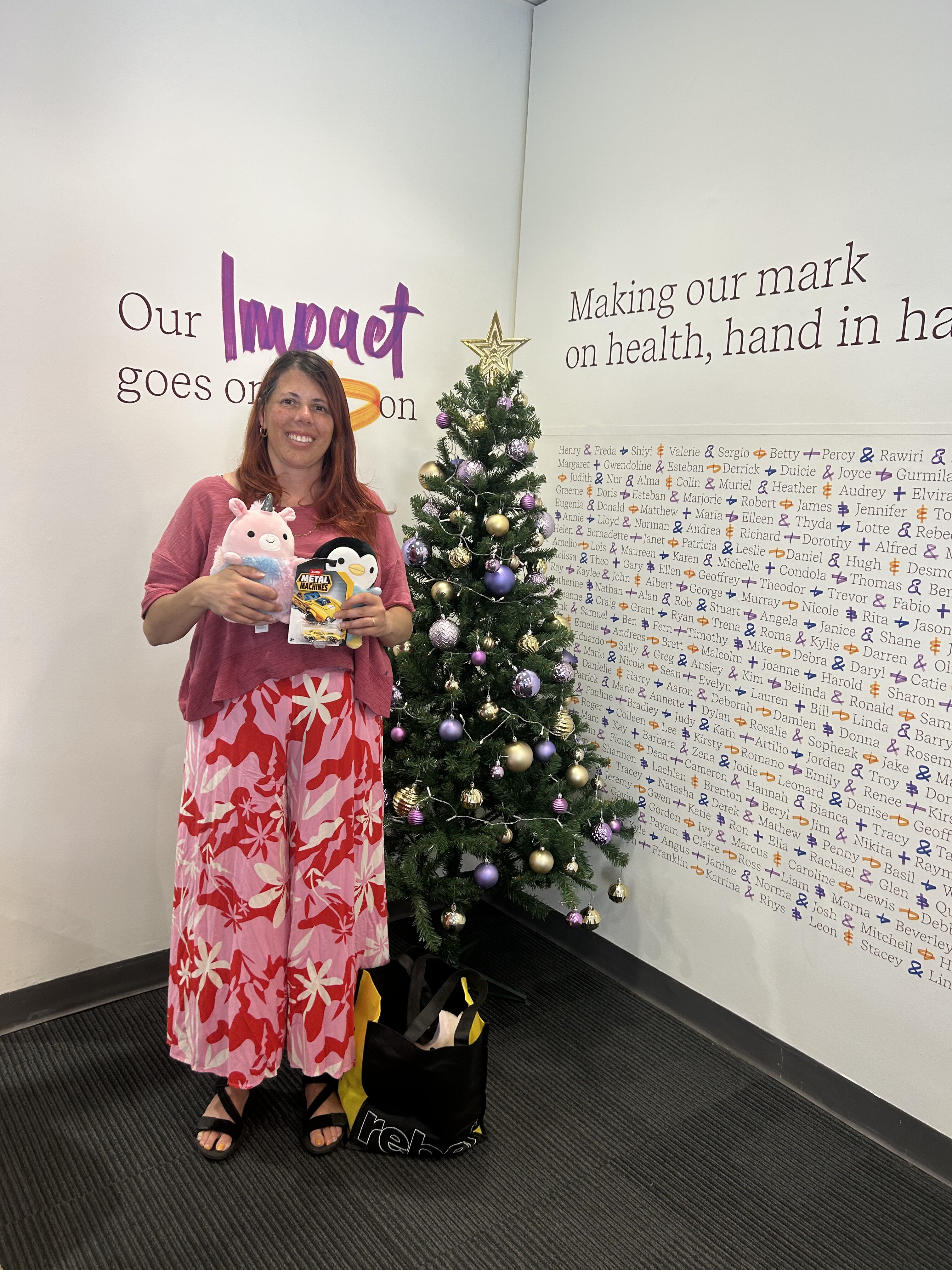
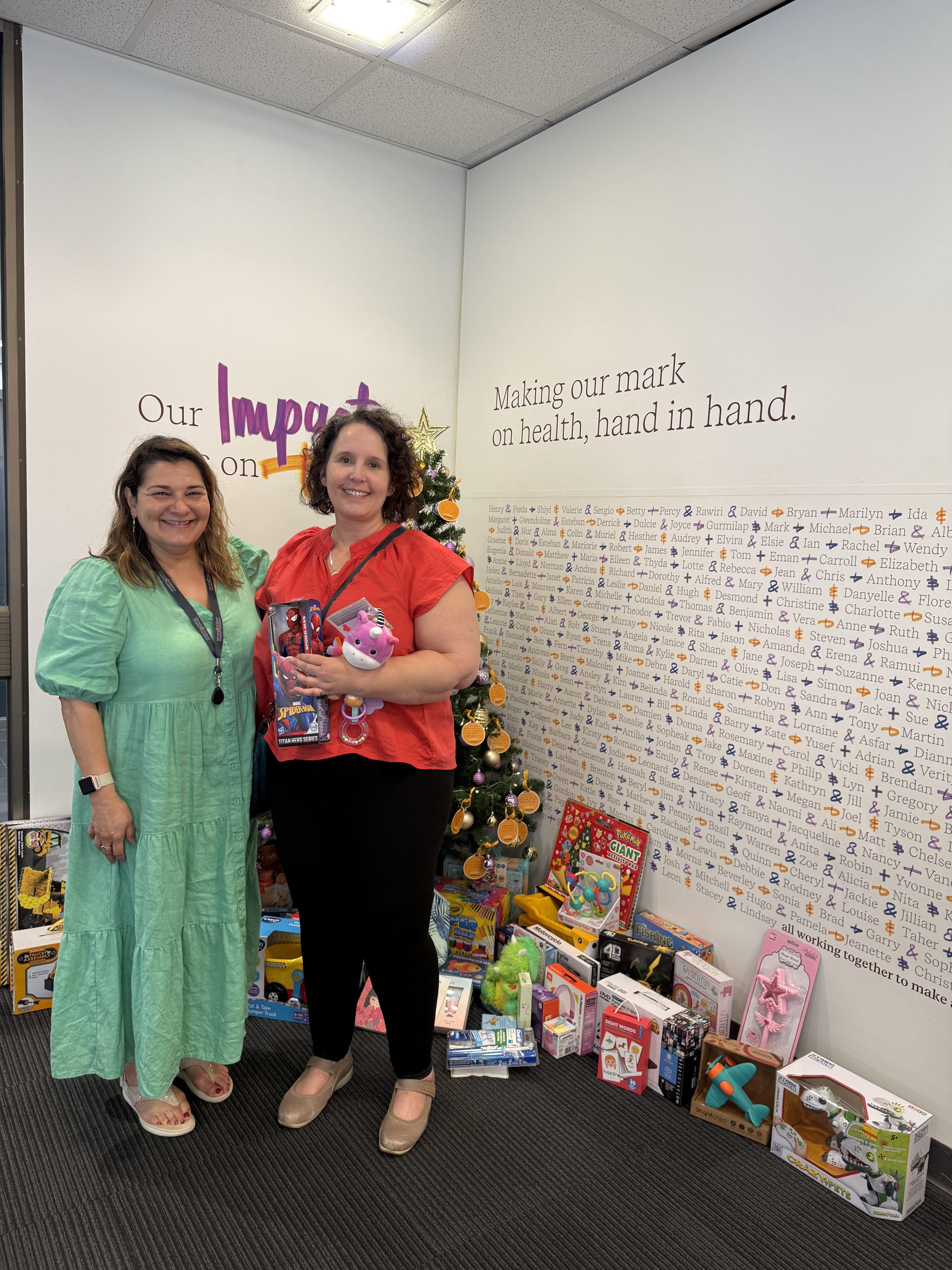
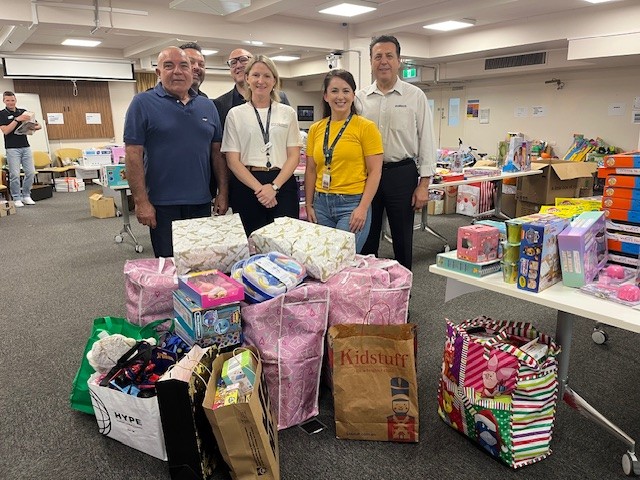
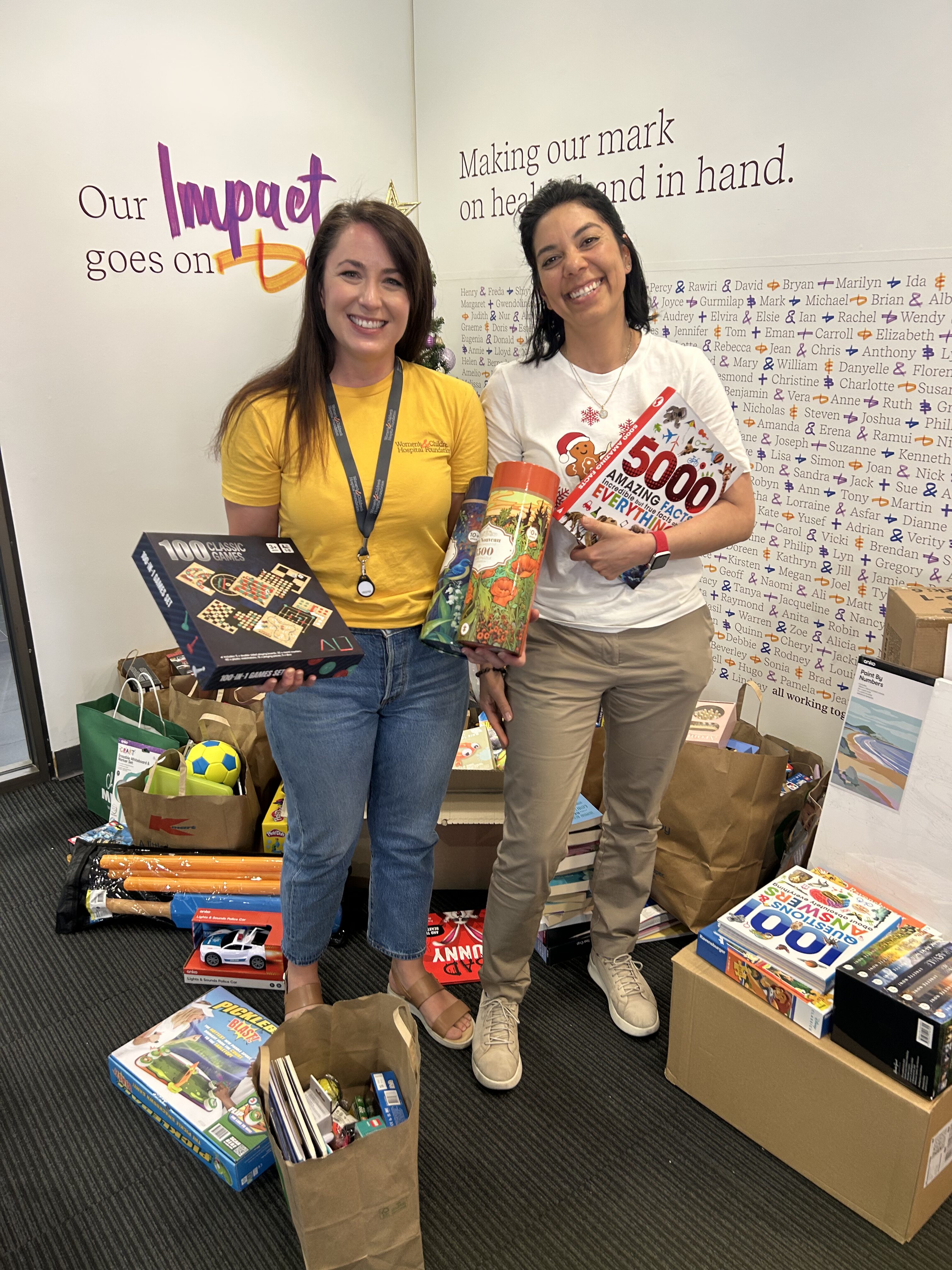
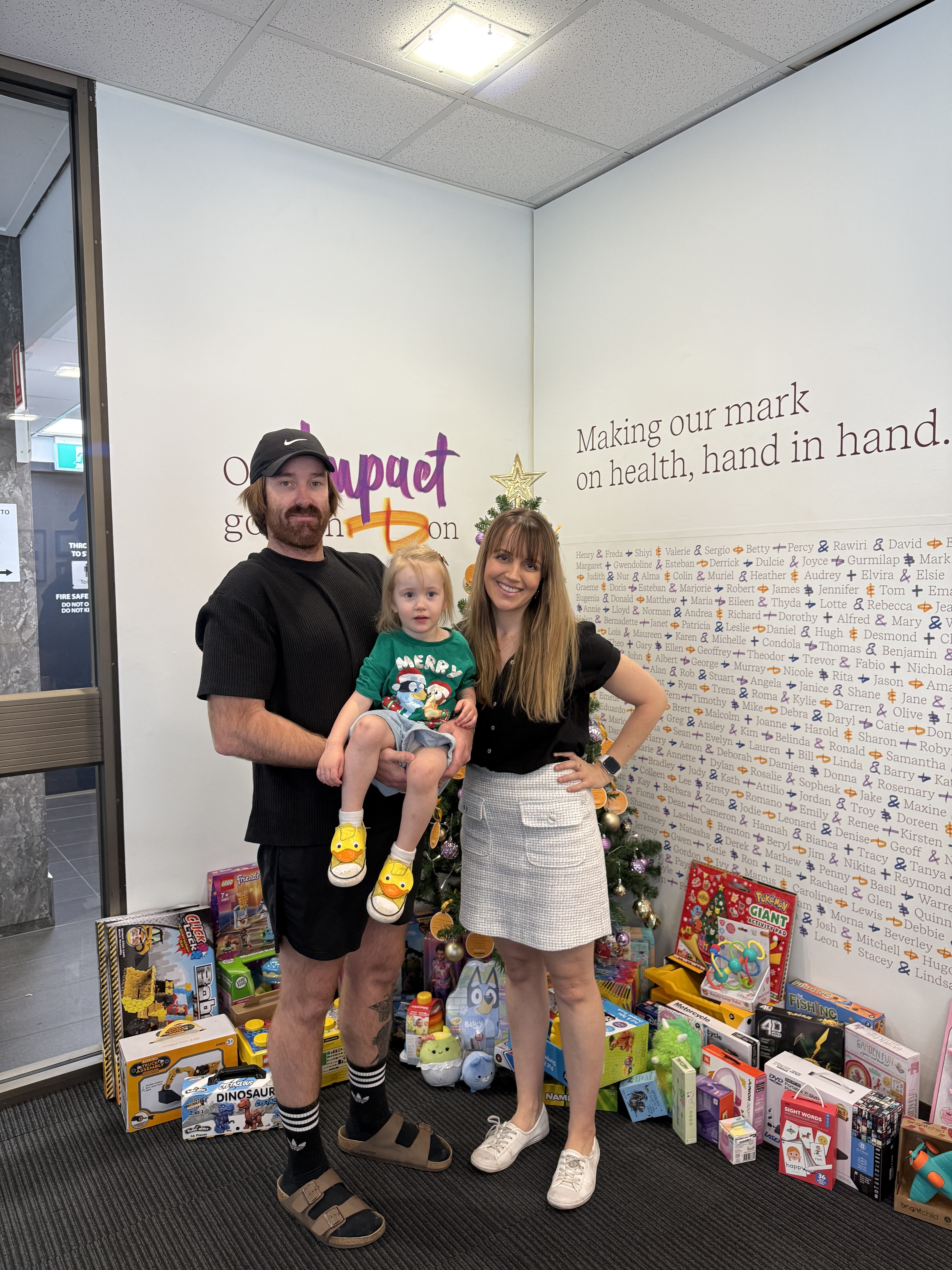
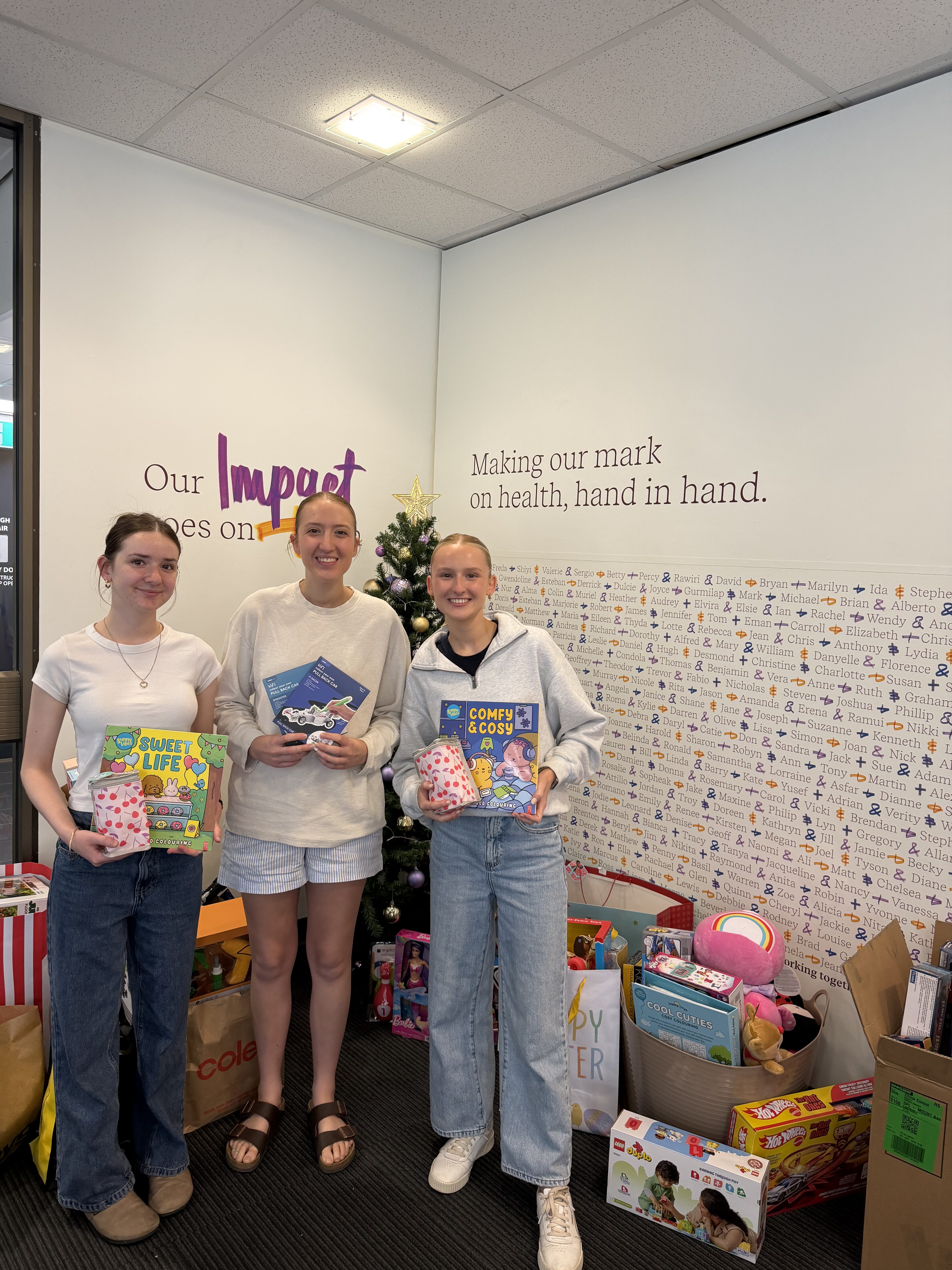
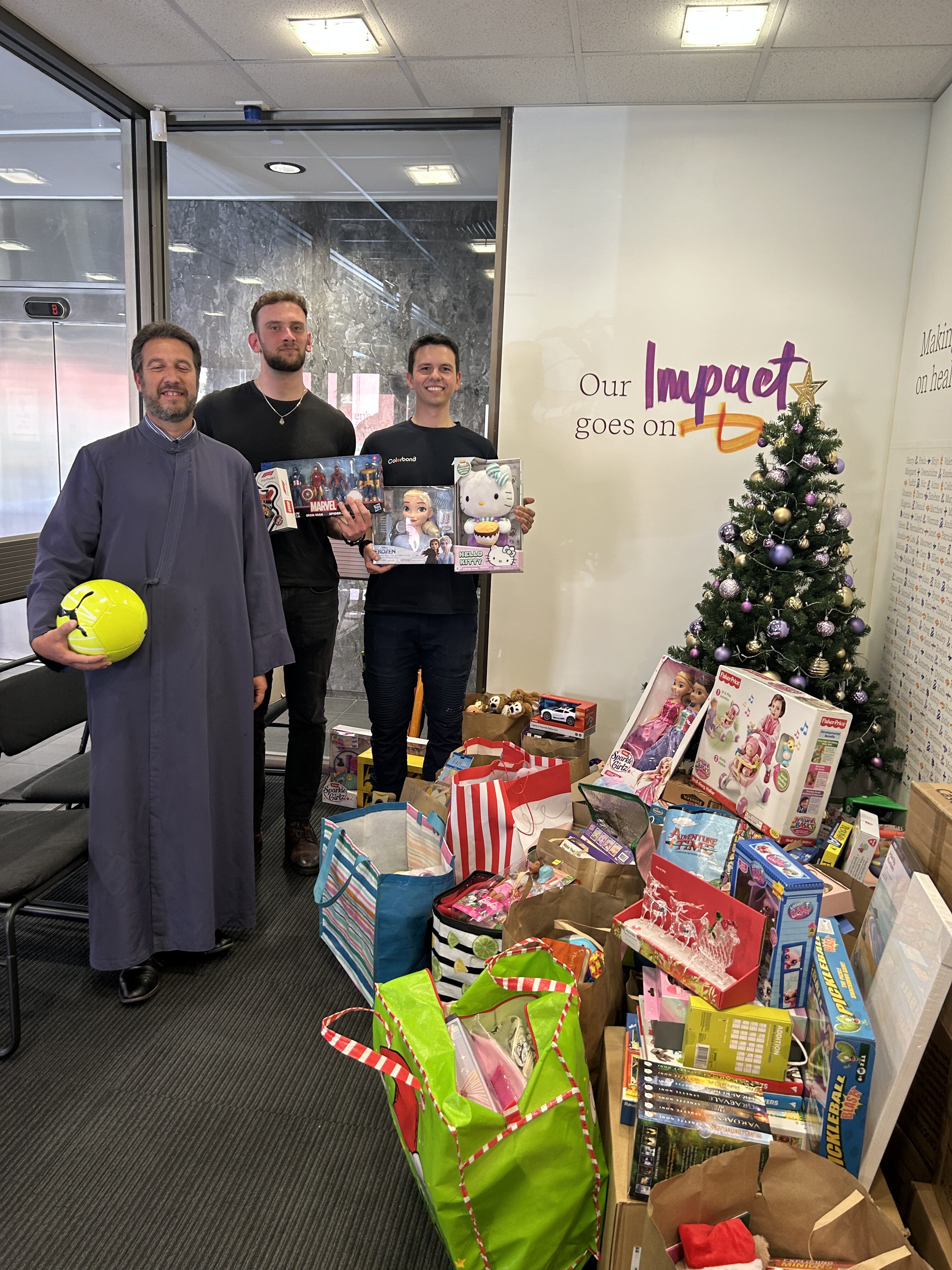
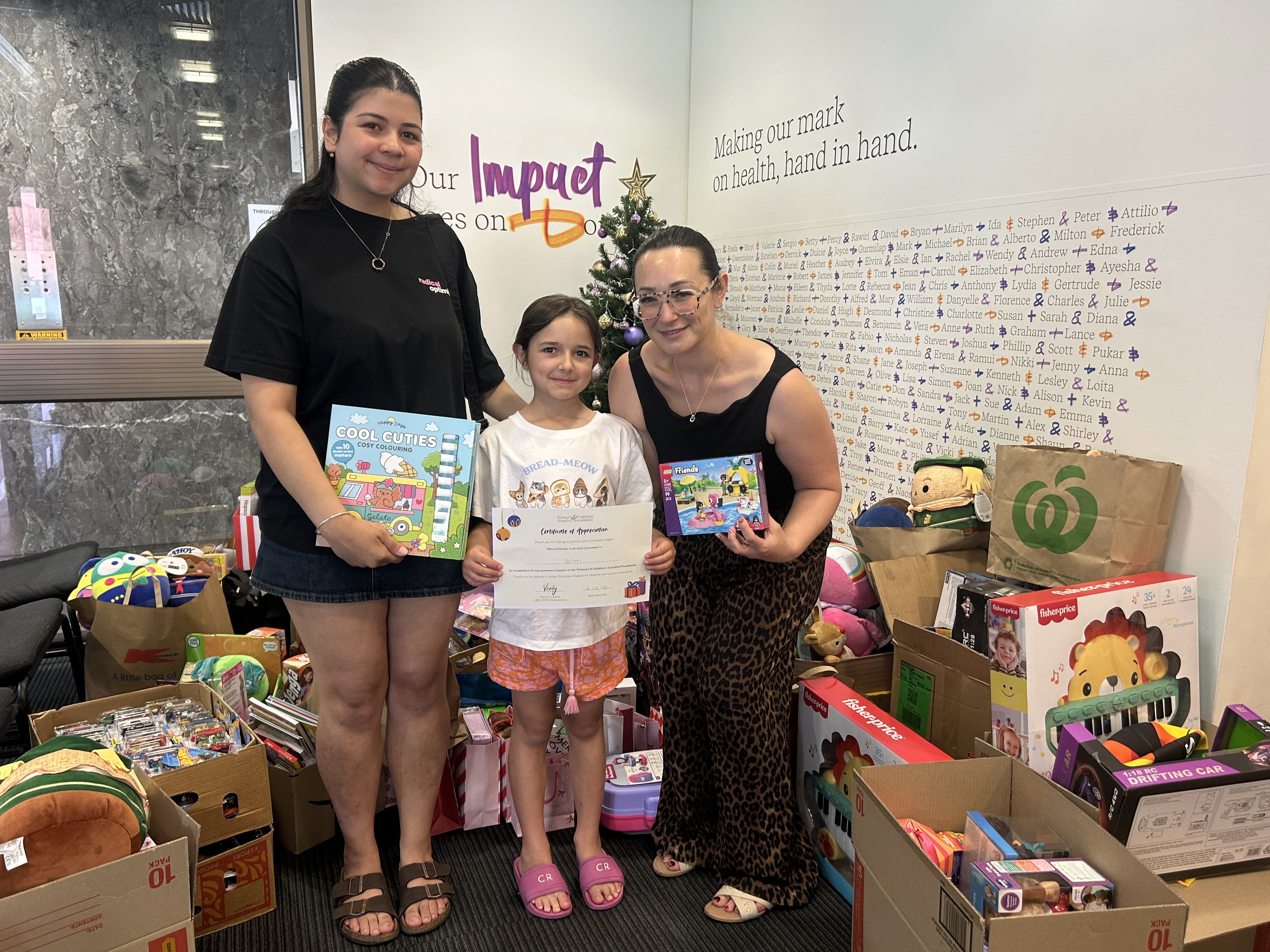
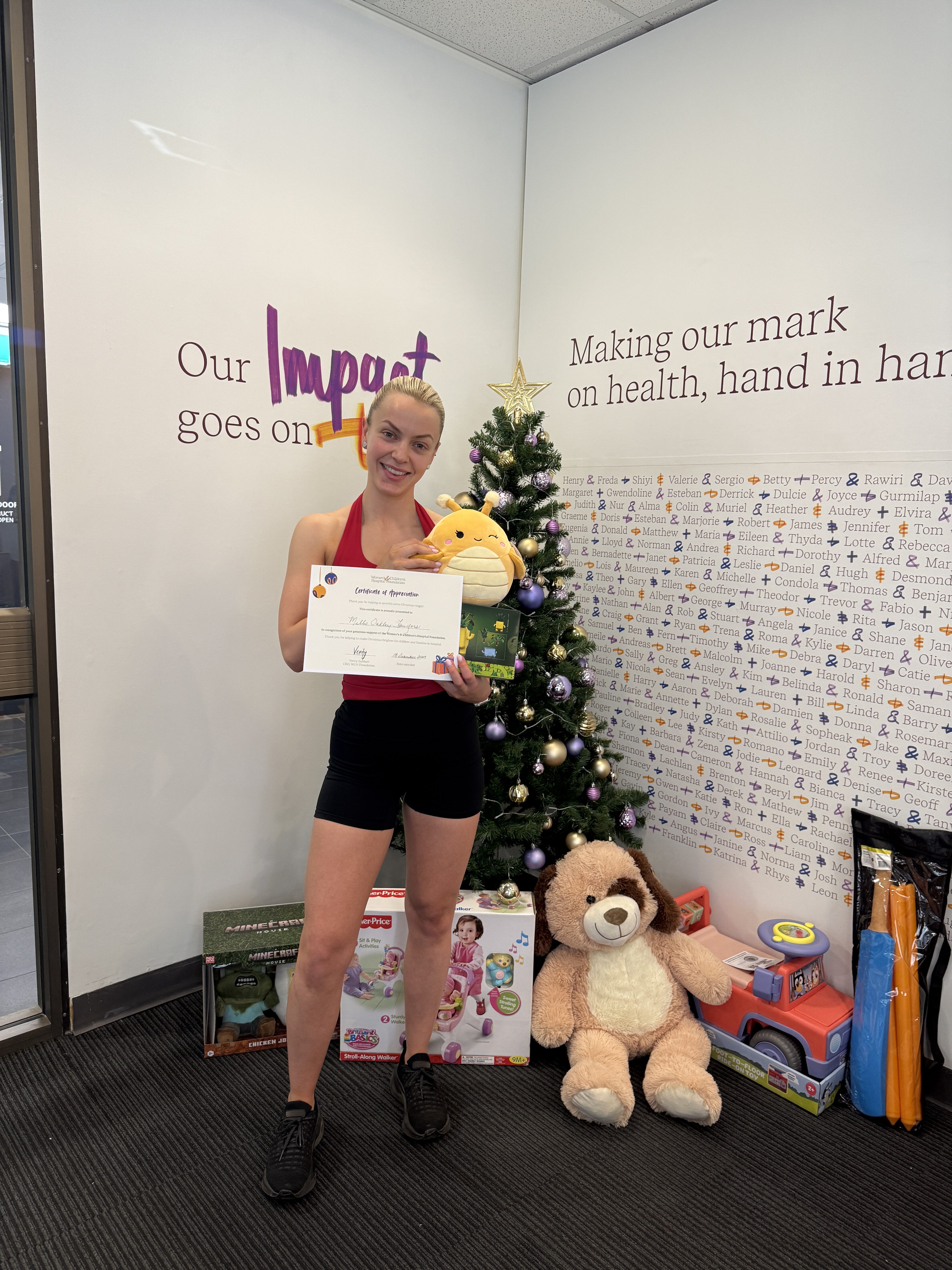
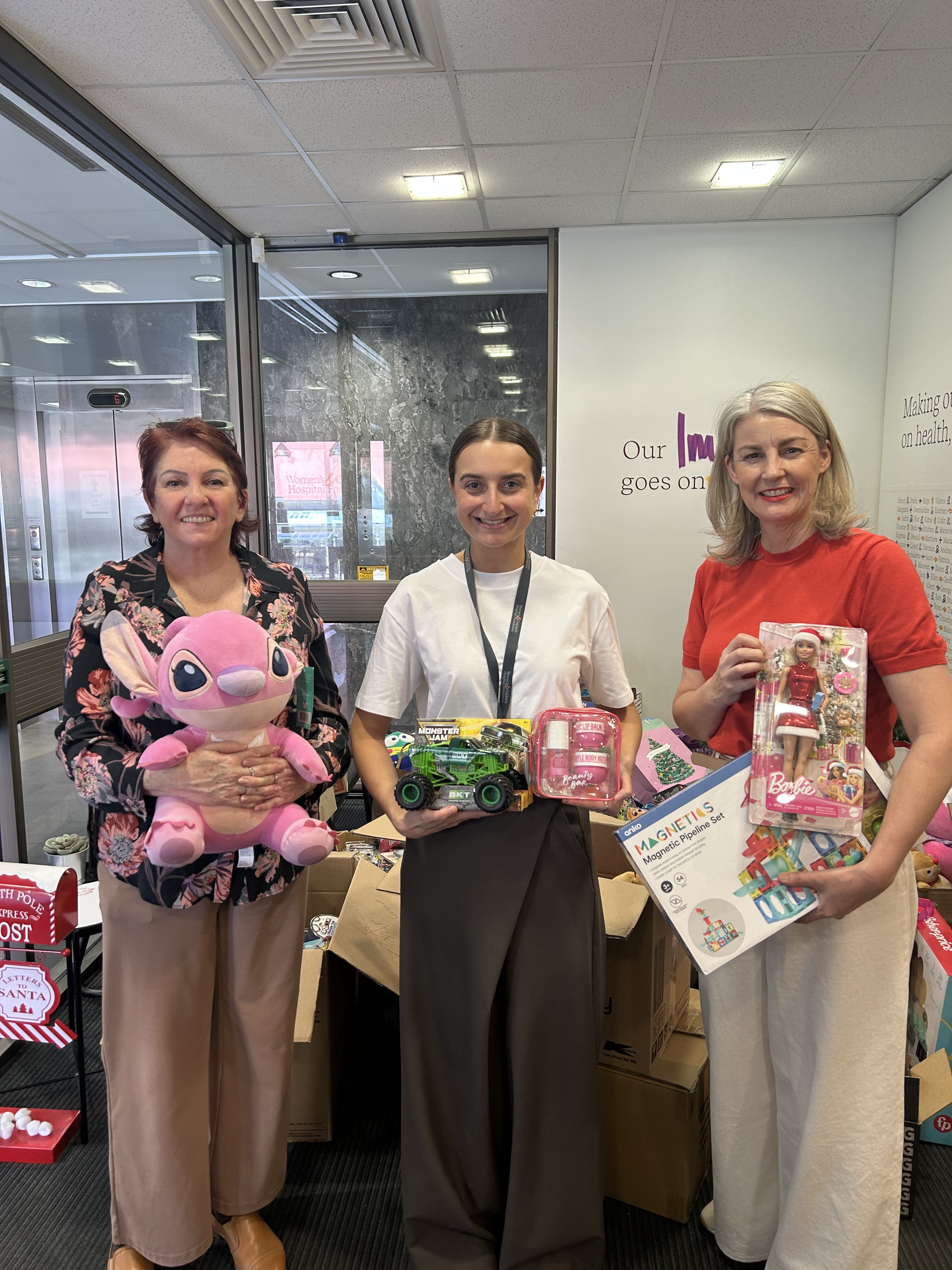
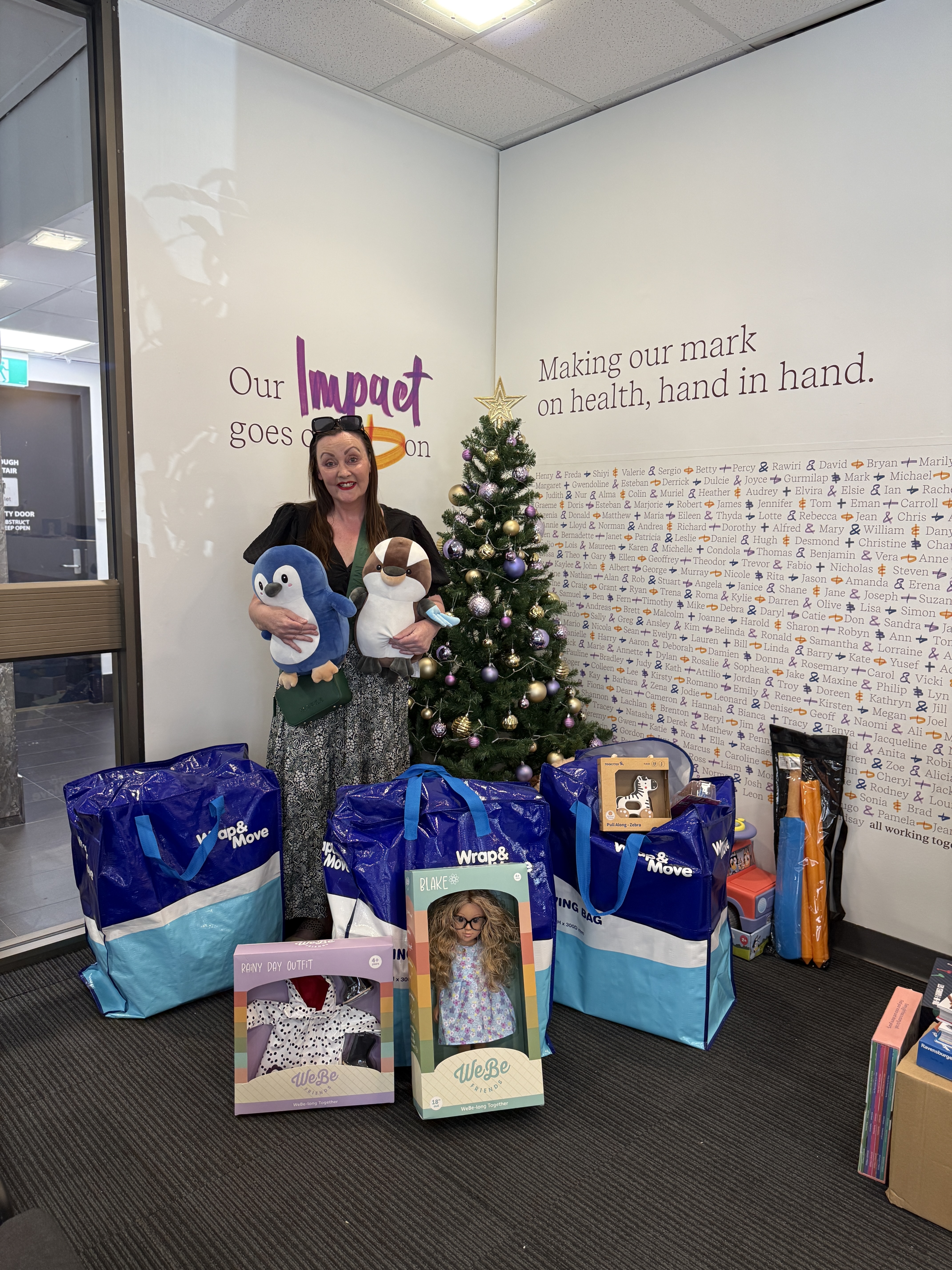
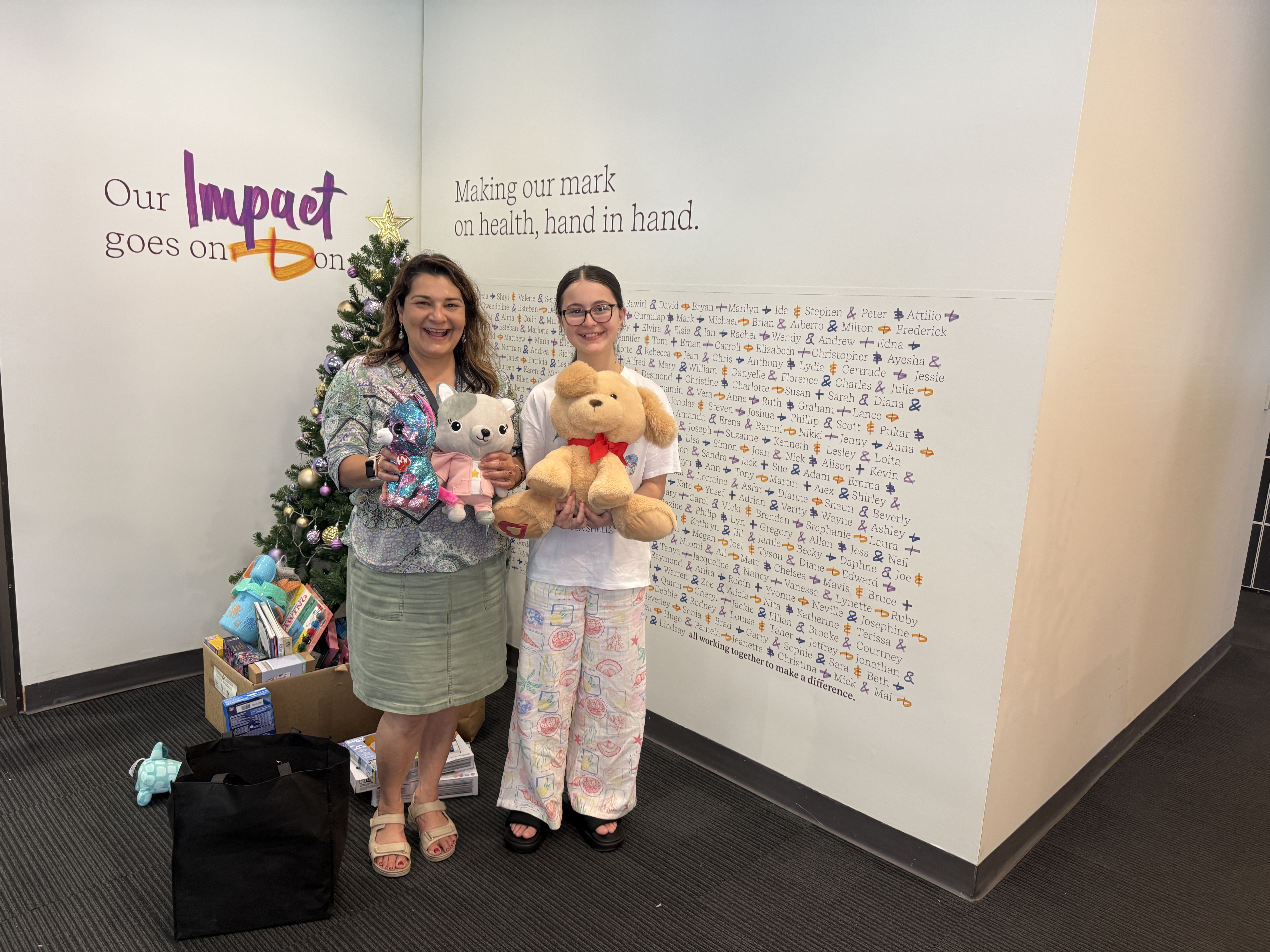
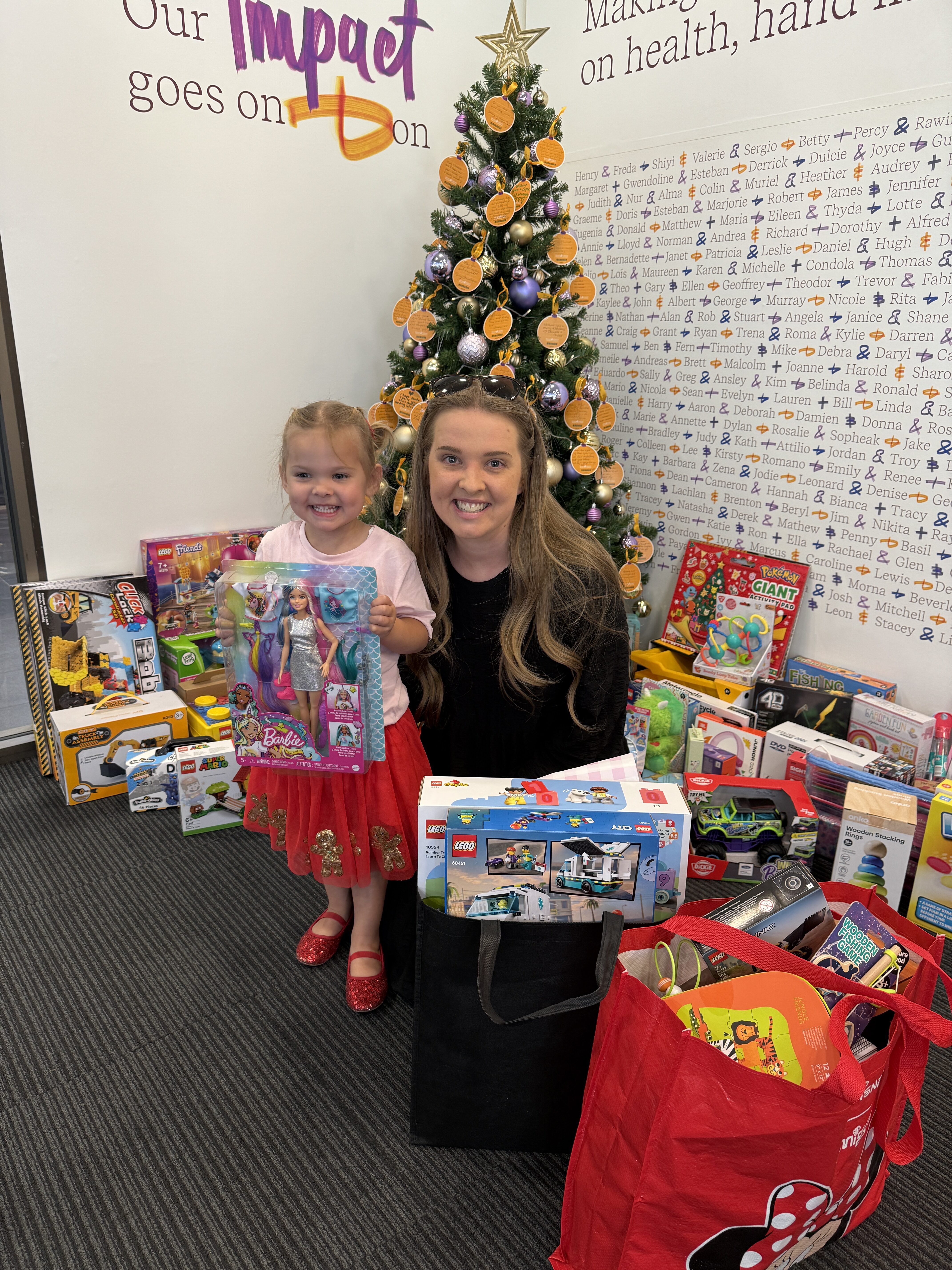
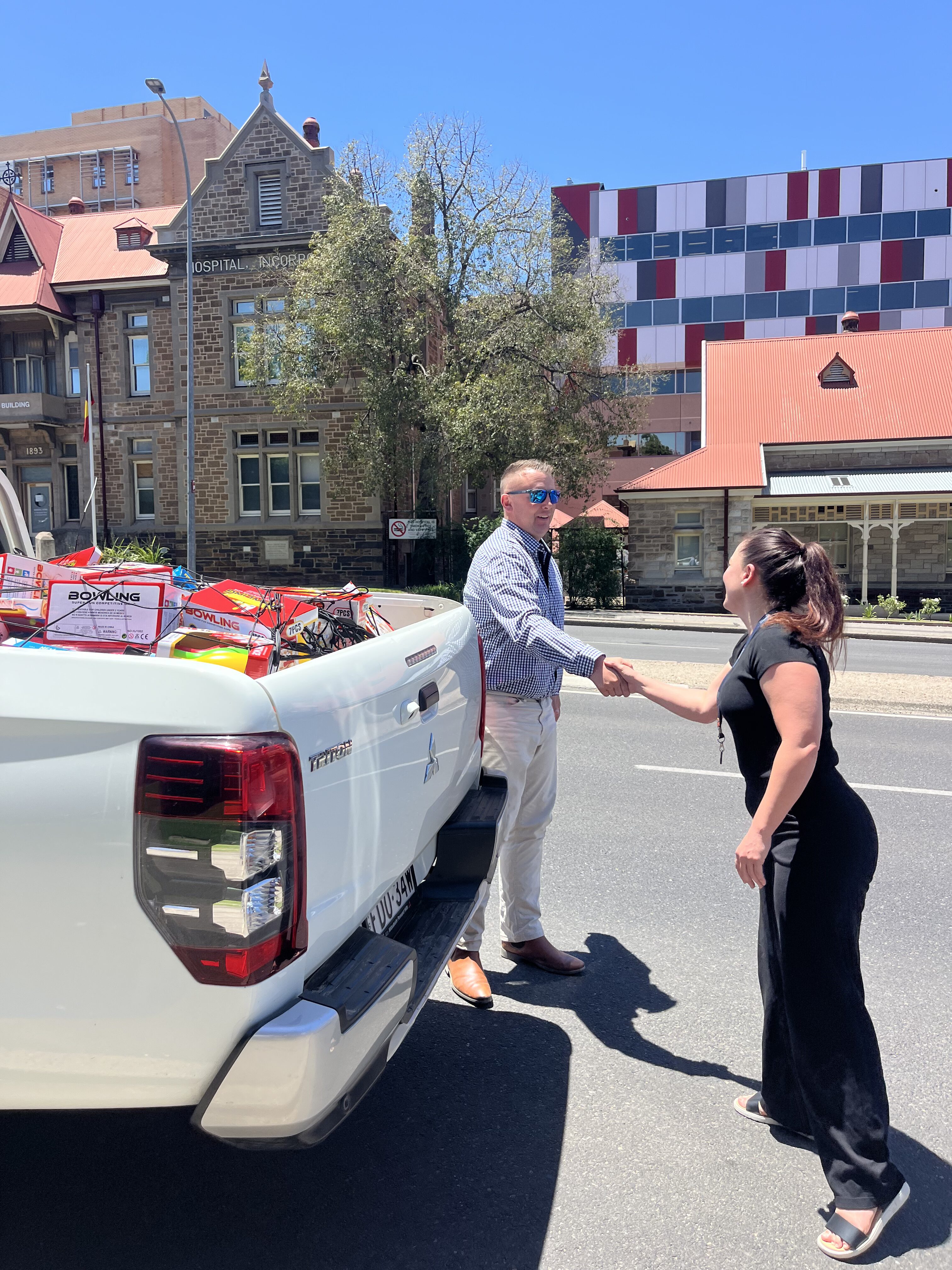
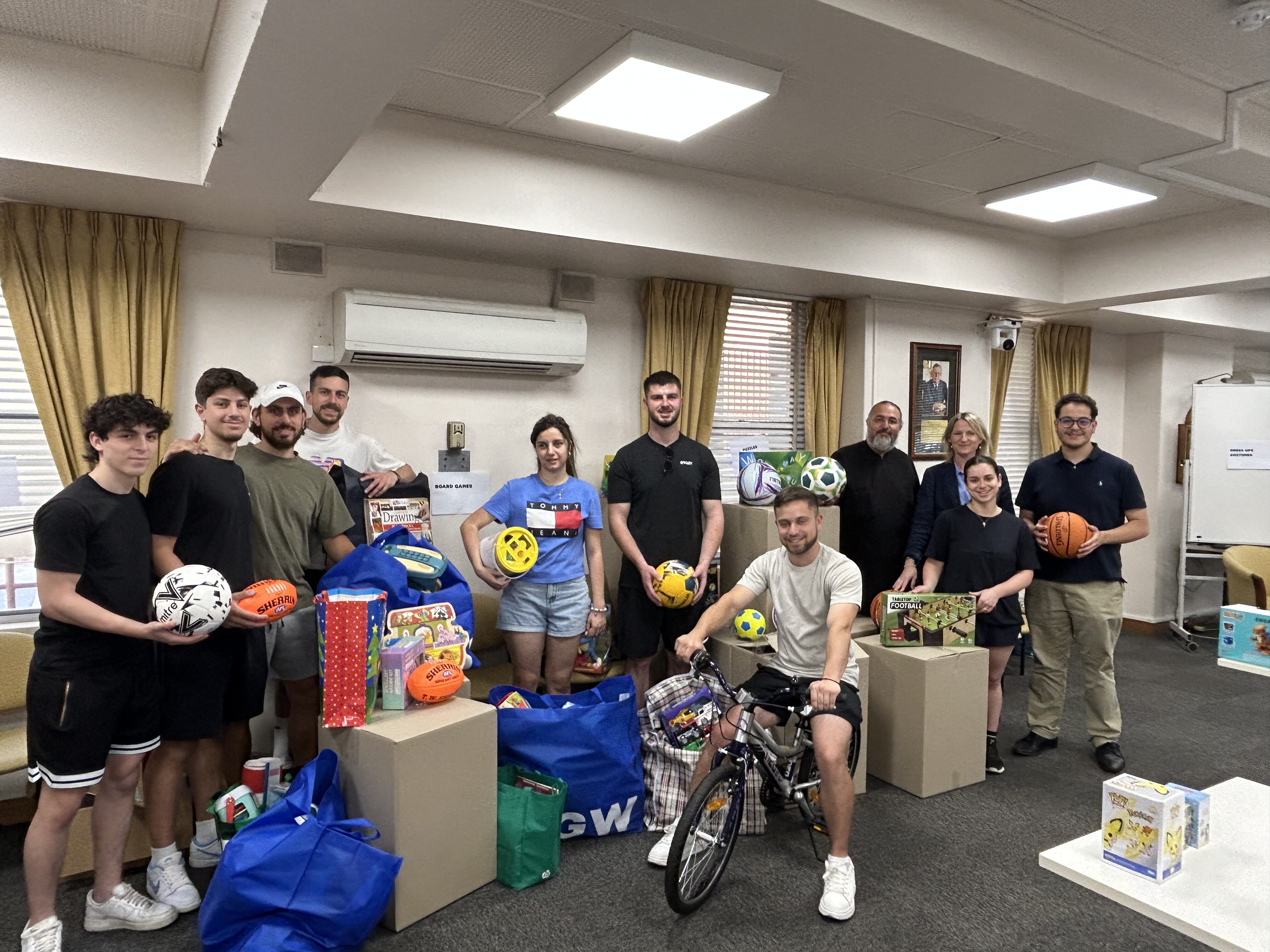
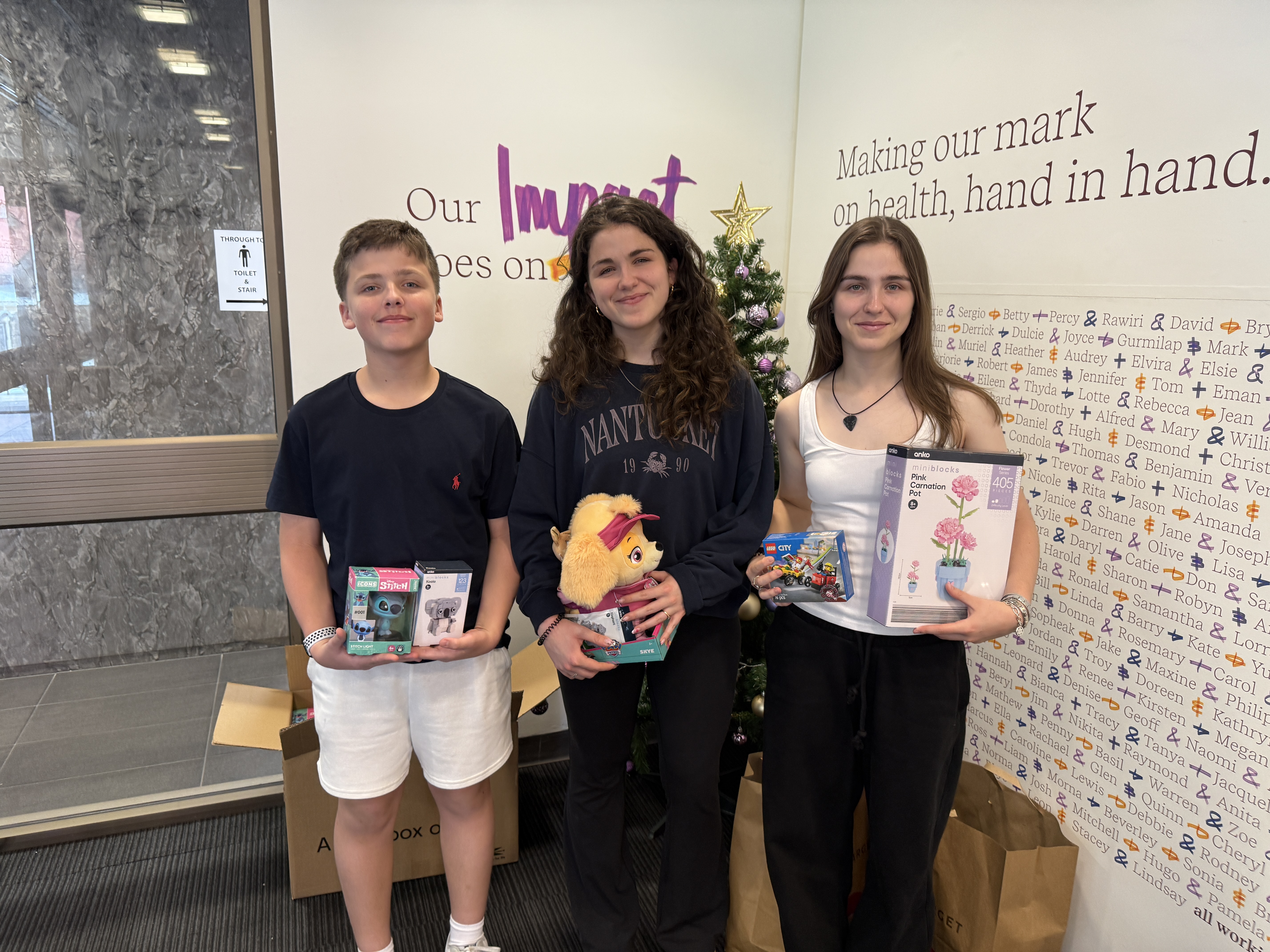
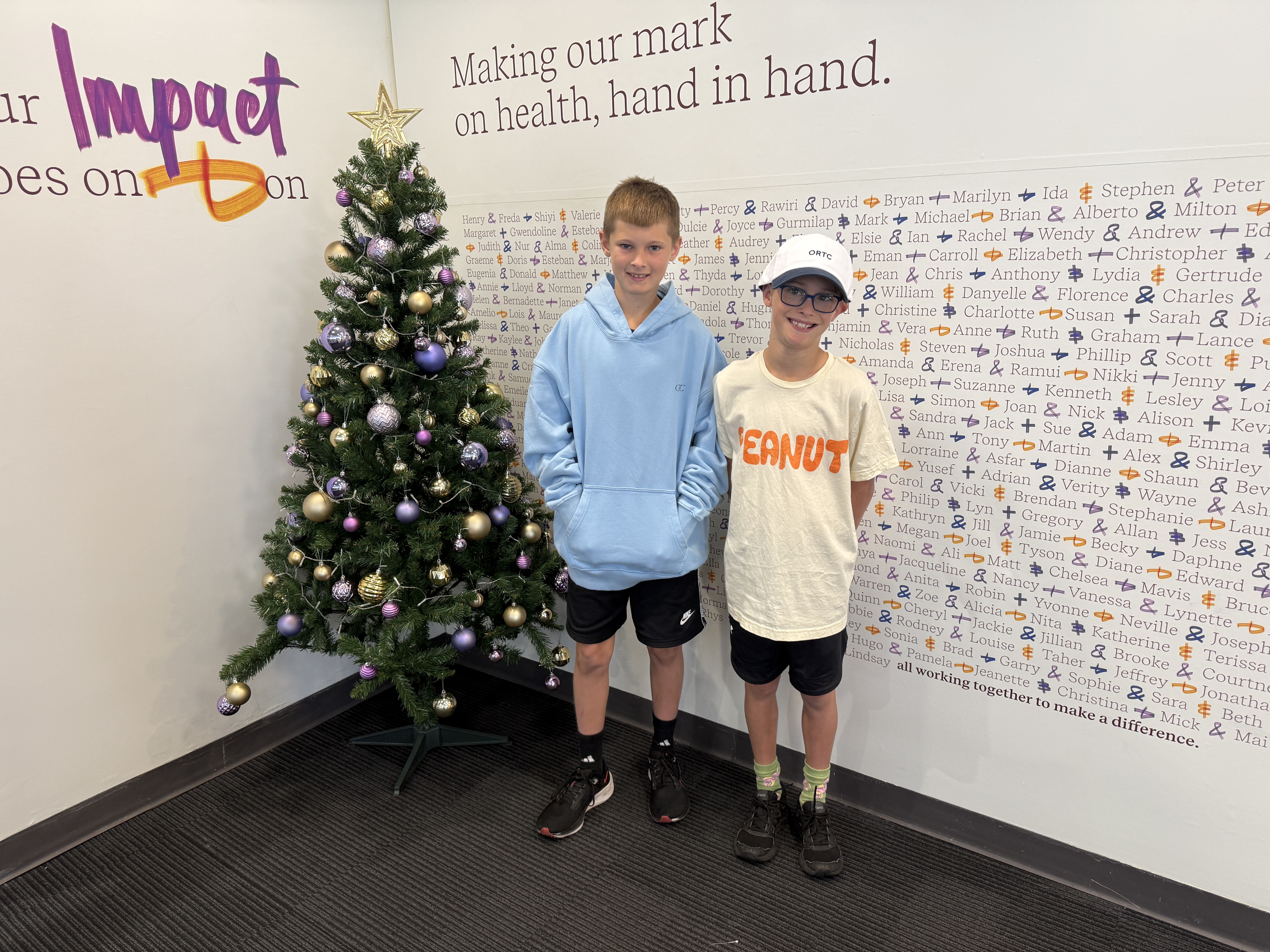
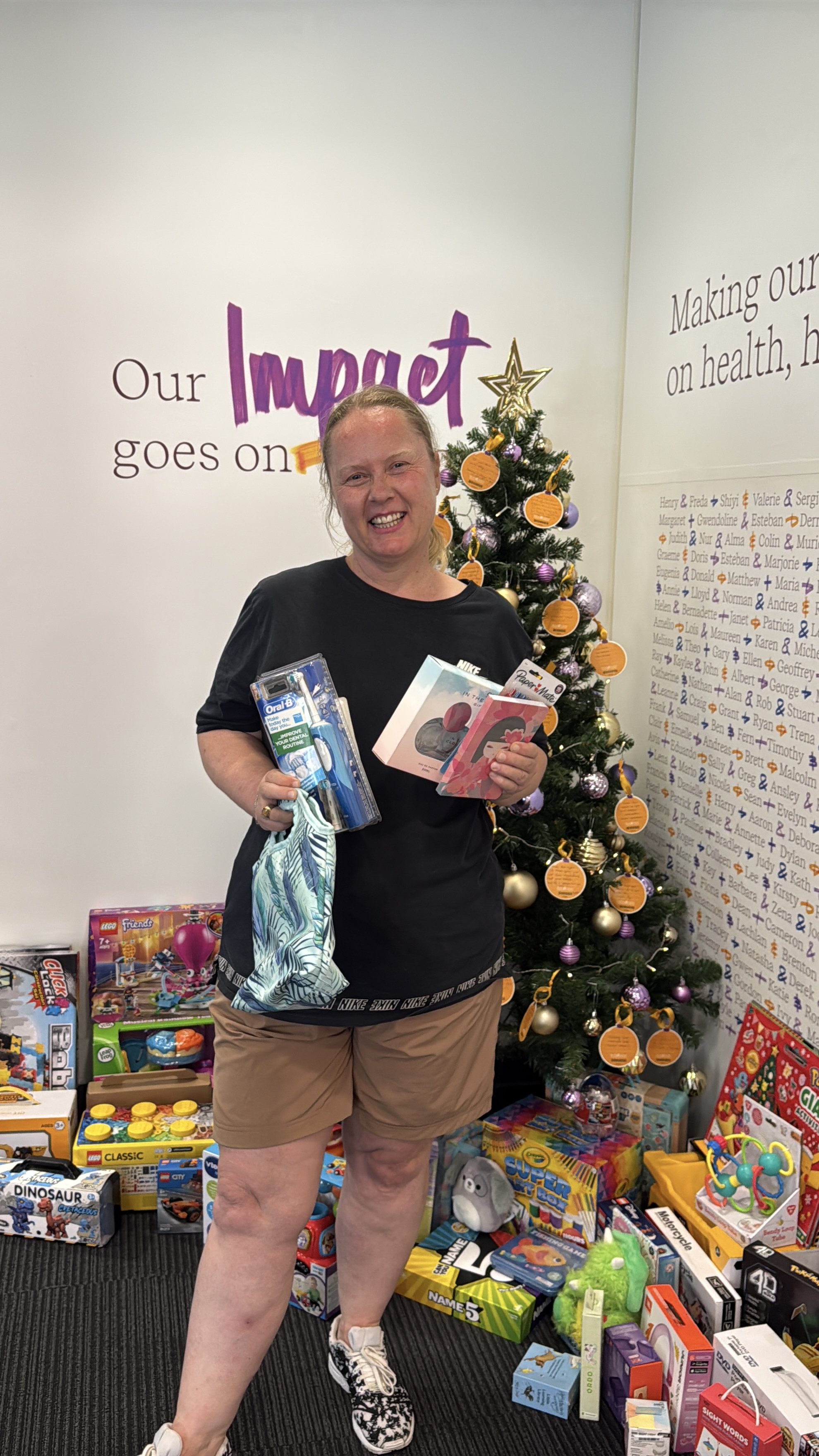
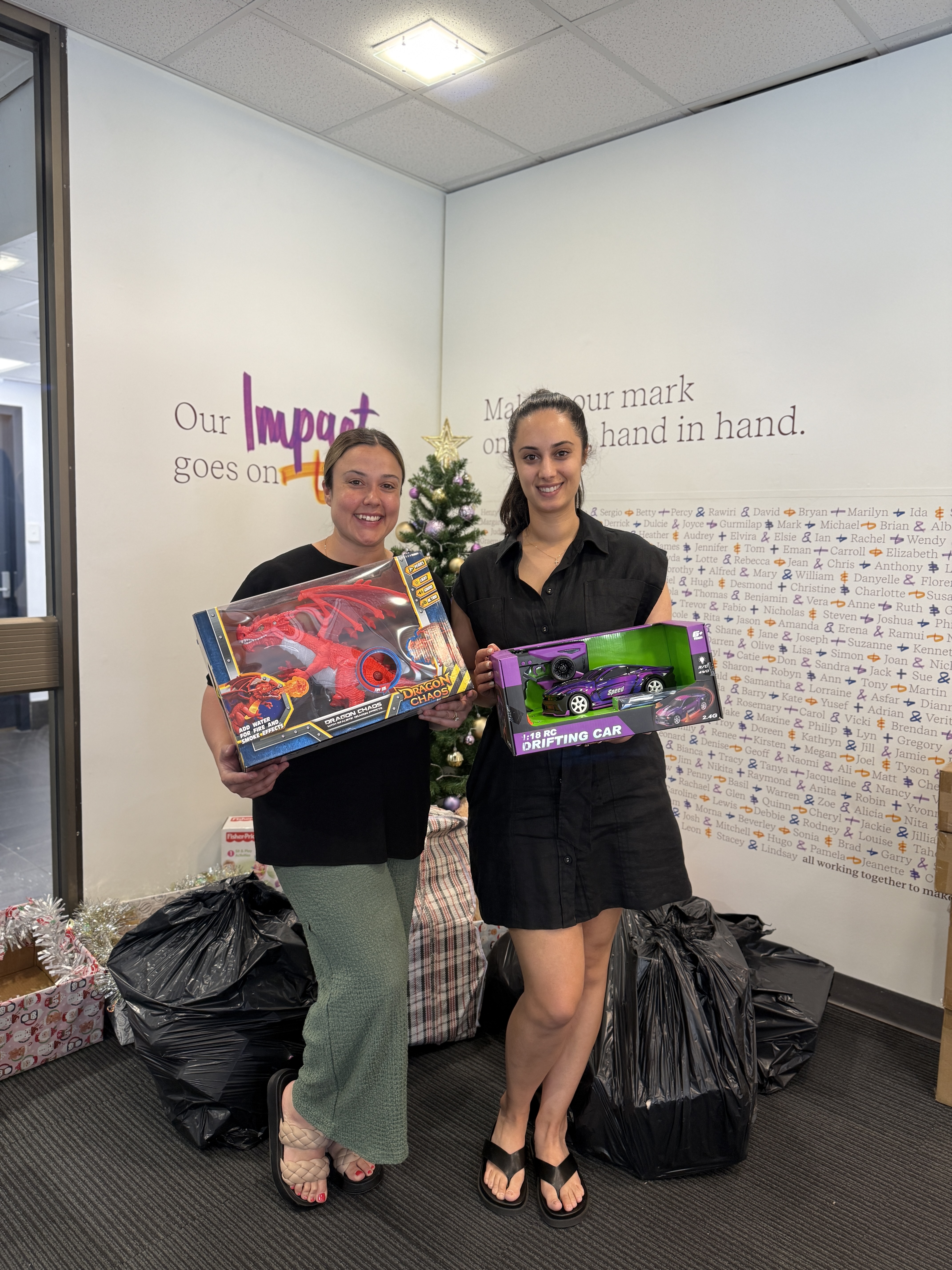
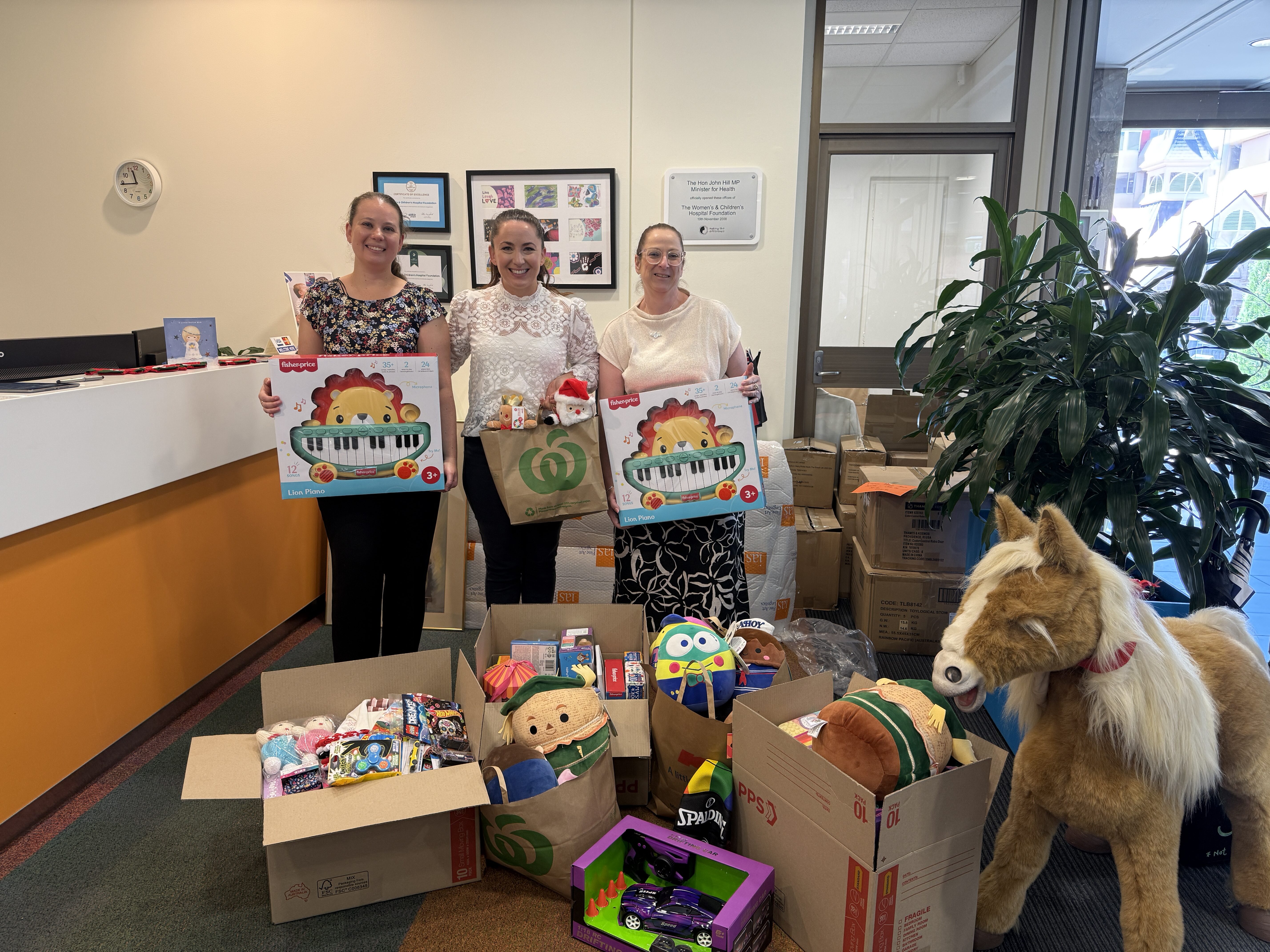
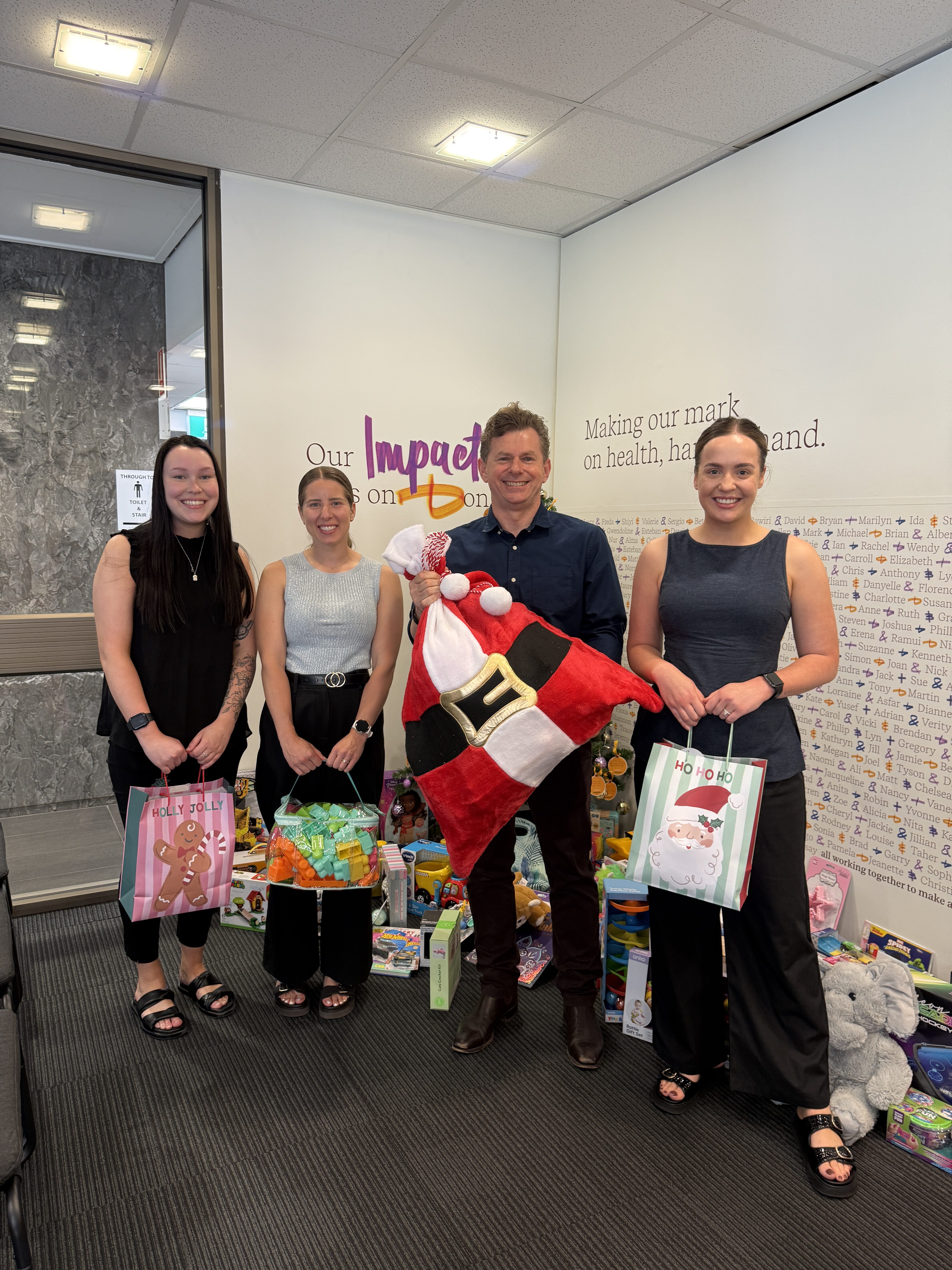
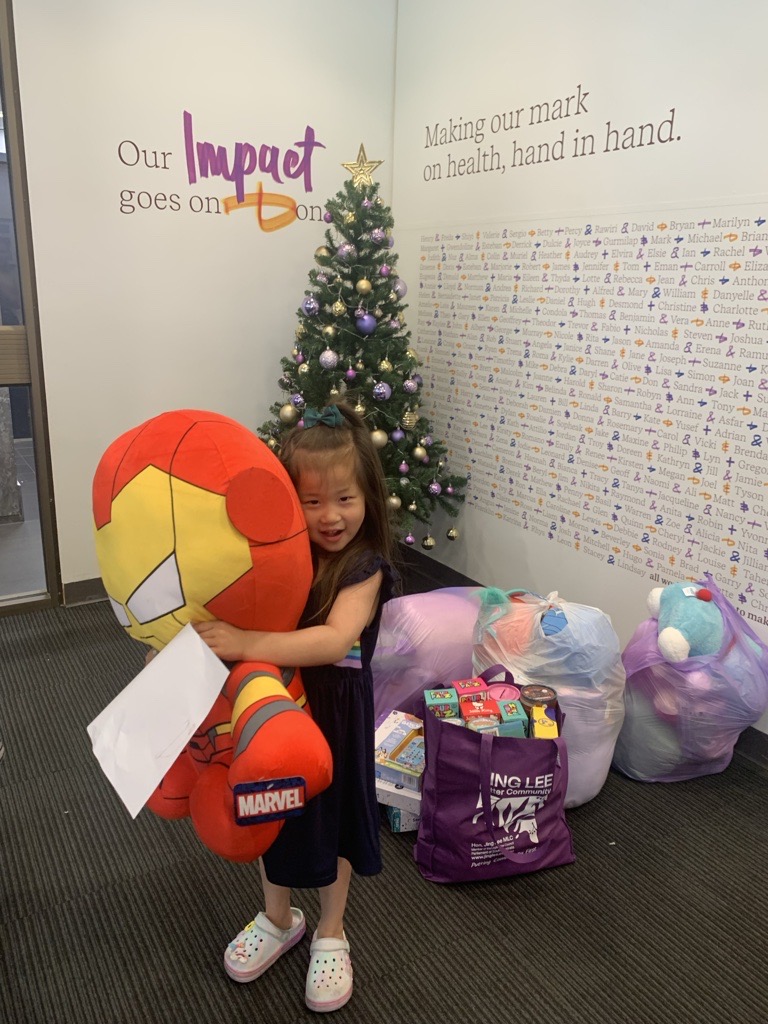
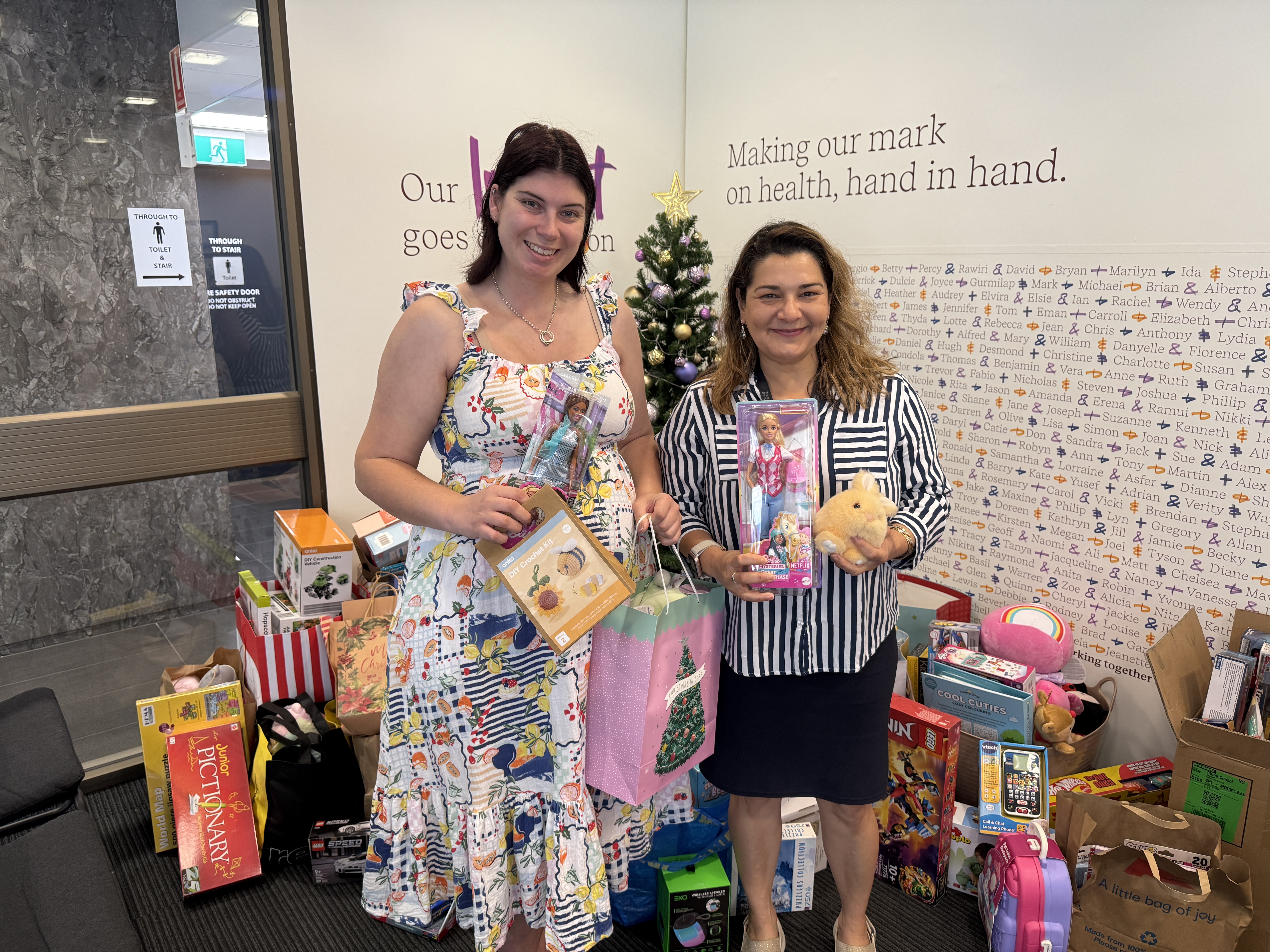
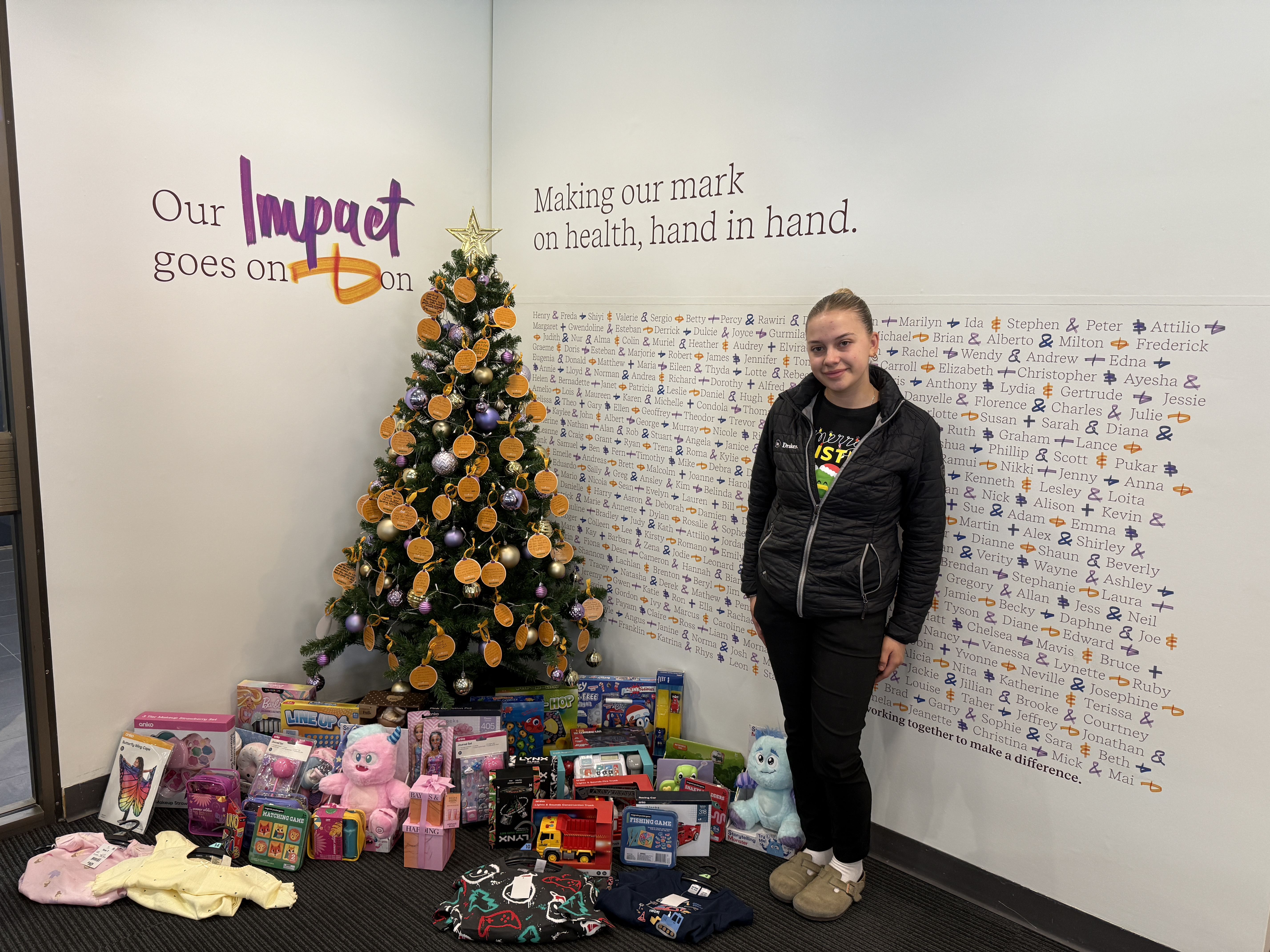
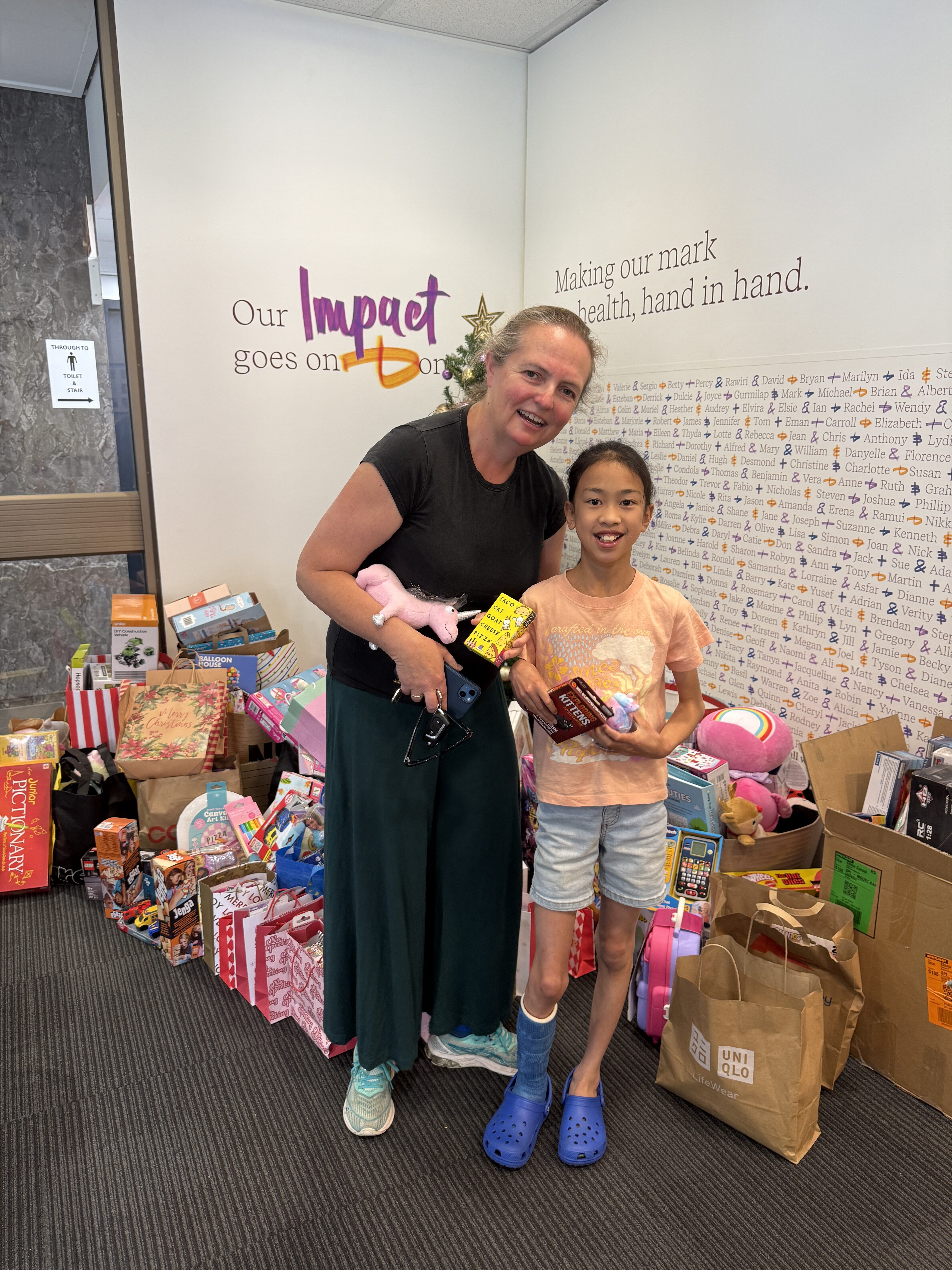
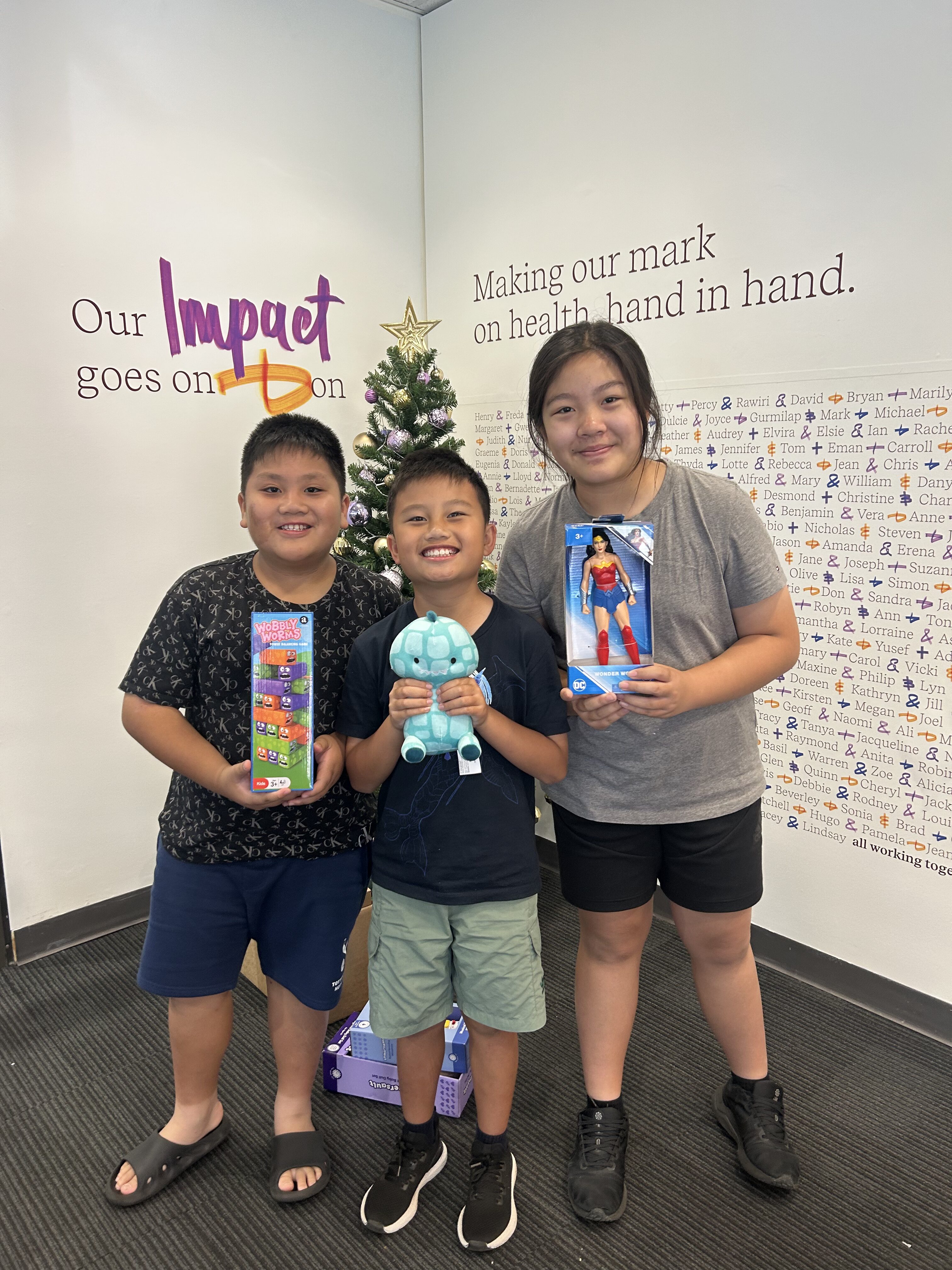
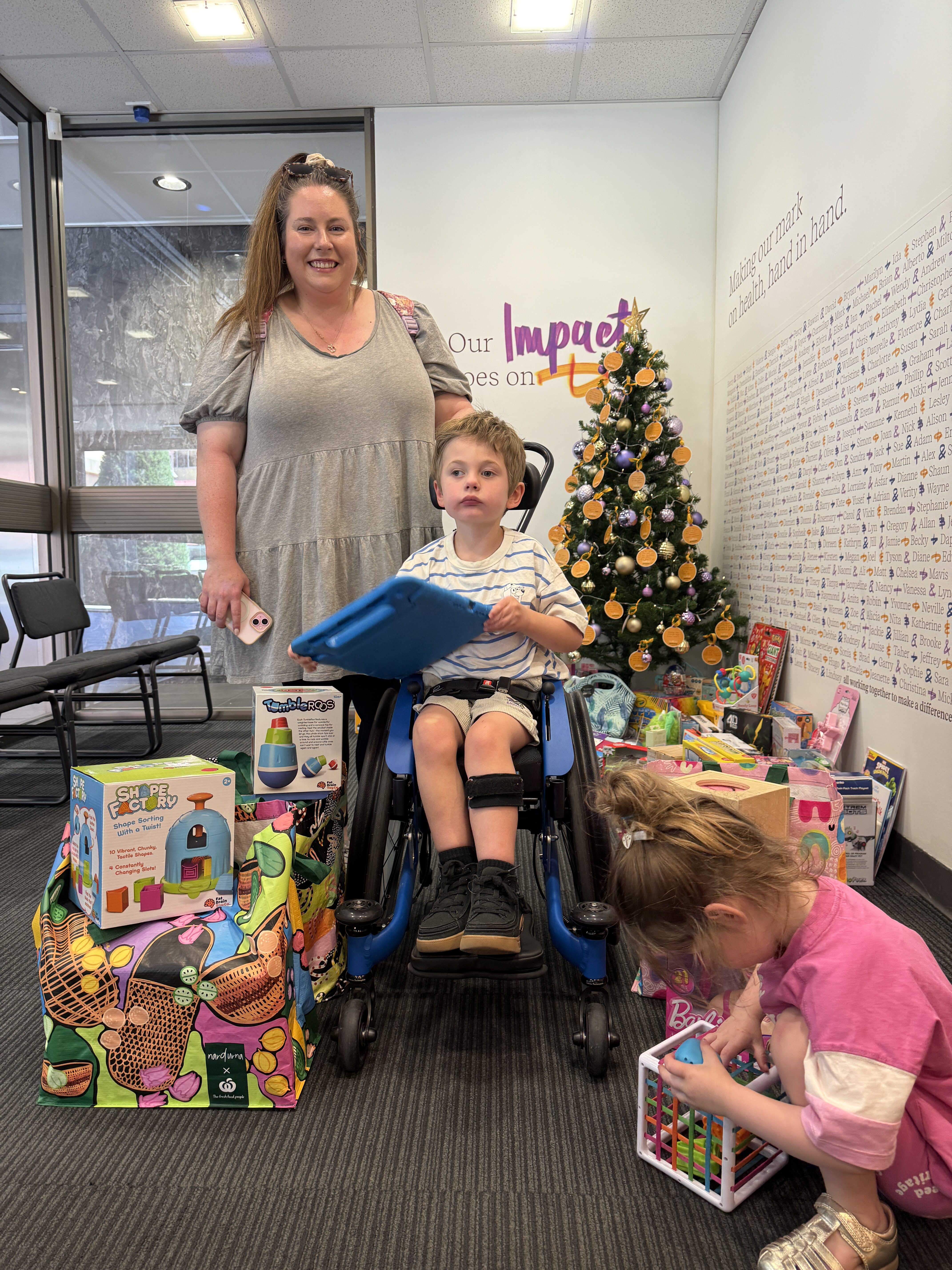
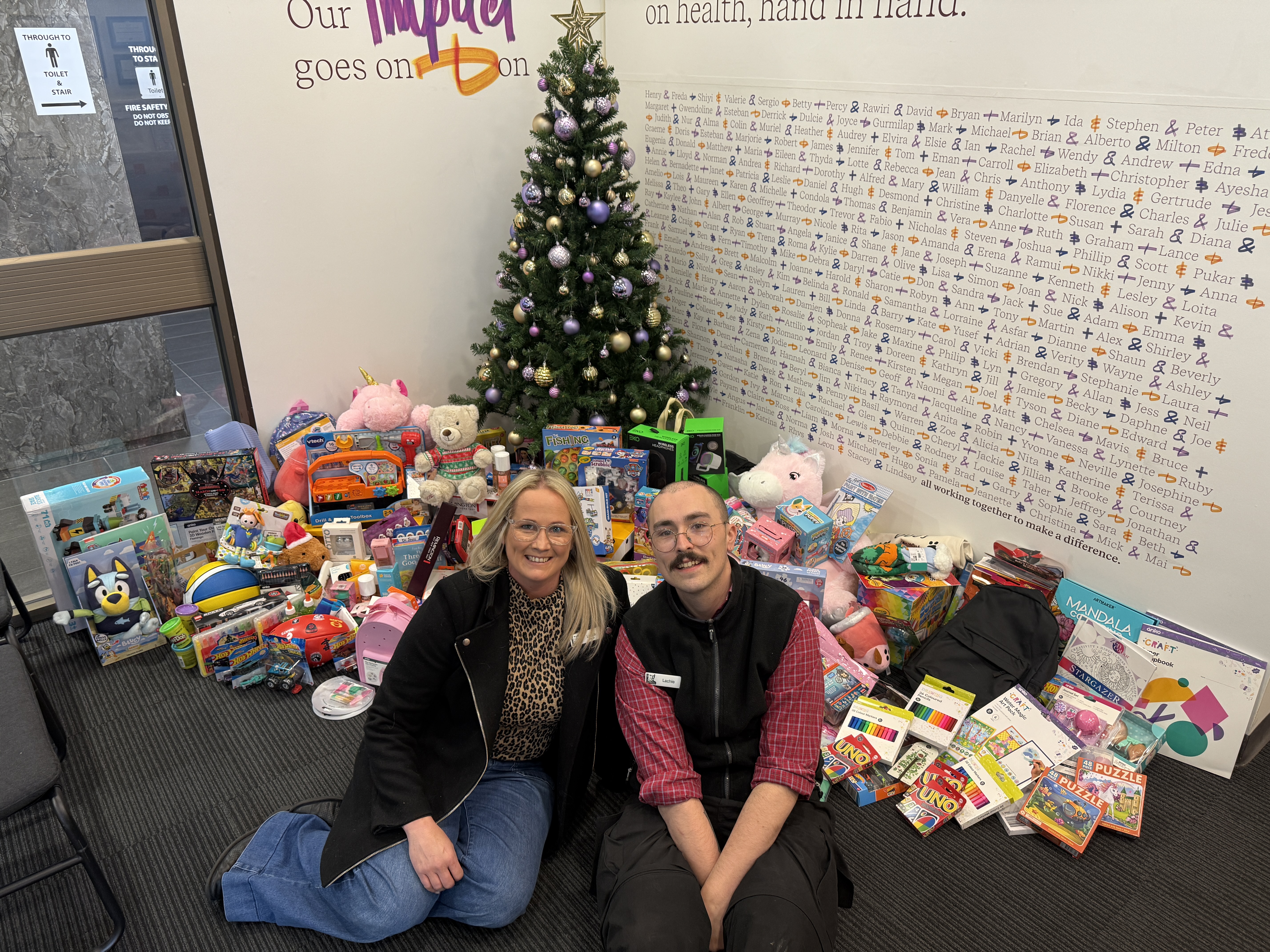
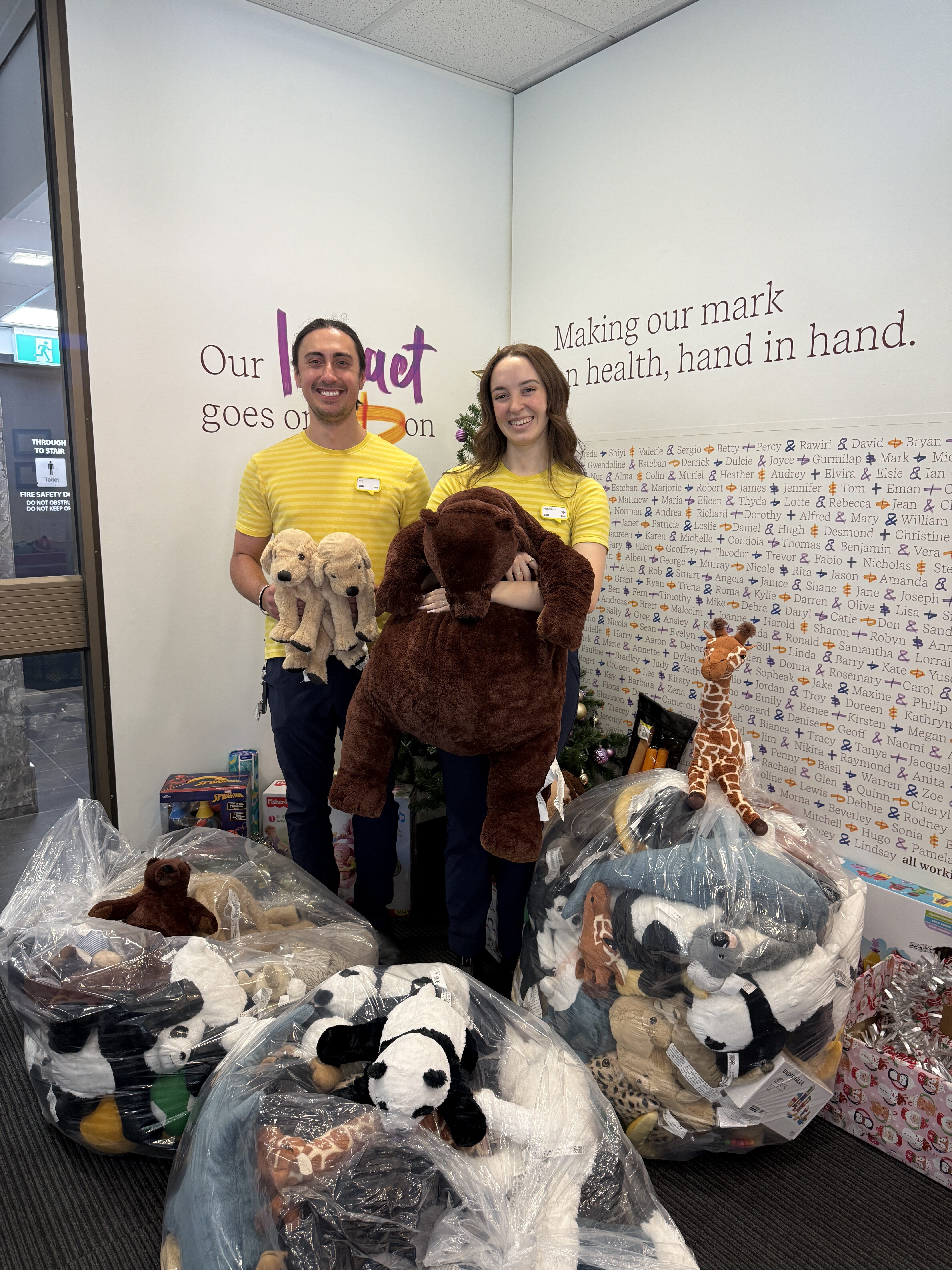
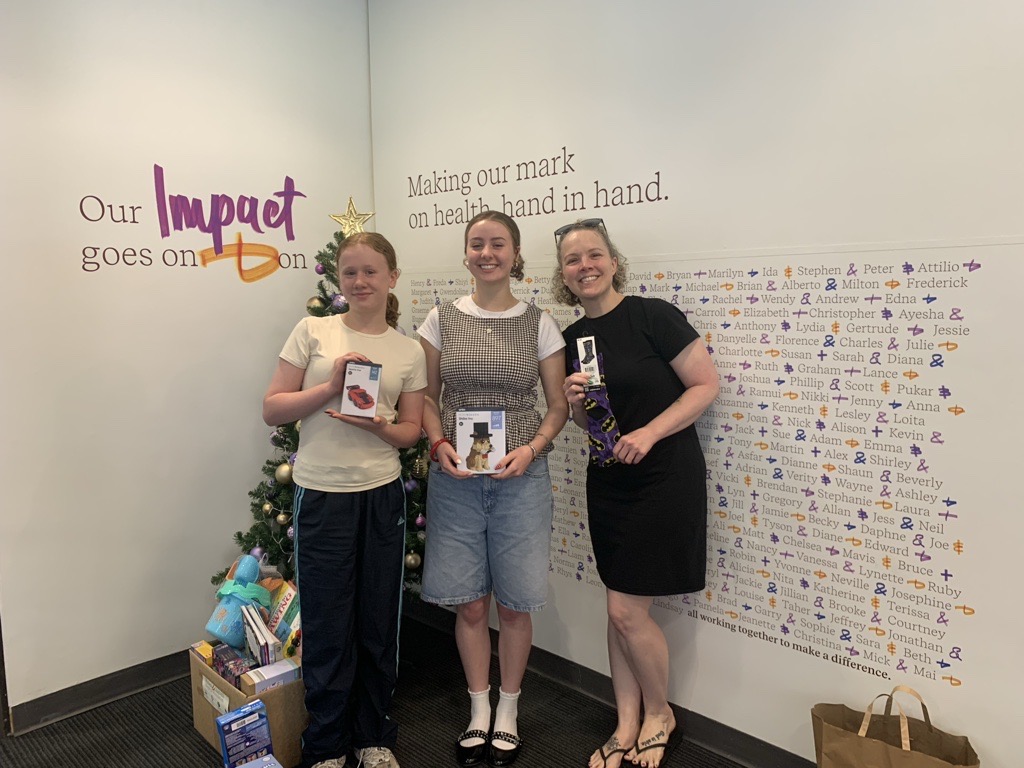
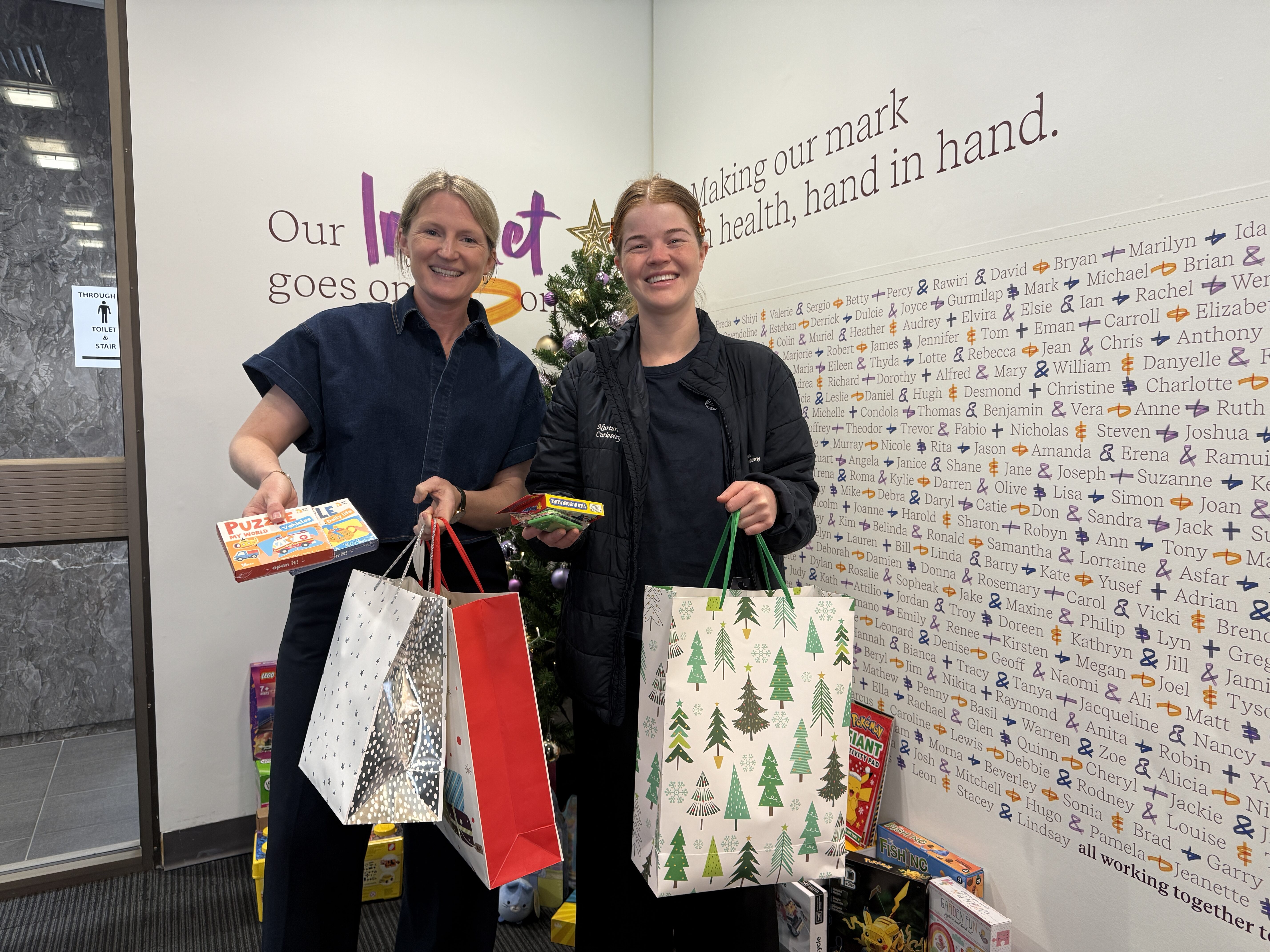
Throughout the festive season, we were truly touched by the incredible outpouring of support from our community. From local families to generous businesses, the spirit of giving shone bright with over 100 donations.

We want to say a huge thank you to every single person and organisation who took the time to drop off a gift. Your kindness has brought so much joy to children and families at the hospital, making a real difference during what can be a very tough time.

A special thank you to the following organisations and groups for their generous support:

We would also like to extend our heartfelt thanks to BIG W for their incredible help sorting toy donations. Thanks to their support, our play therapists were able to easily select the perfect gift for each child, making every moment just that little bit brighter for our patients and their families.

Spending the holidays in the hospital is never easy. For many families, it can be a time of uncertainty and stress. However, thanks to your generosity, we were able to bring smiles to the faces of some of our bravest little patients.

Whether you donated a single toy or organised a toy drive at your workplace, your contribution has made a tangible impact.

View some of our incredible donors below.

New parent-friendly videos, supported by the WCH Foundation, are helping families understand and prevent flat spots in babies’ head shape.

The Community Physiotherapy service at the Women’s and Children’s Hospital Network supports infants and young children with orthopaedic and neuro-developmental concerns. Delivered by two dedicated physiotherapists across three CaFHS centres in metropolitan Adelaide, the service regularly sees families seeking advice about flat spots on their baby’s head, known as plagiocephaly and brachycephaly.

These conditions can occur when babies spend long periods lying on their backs with pressure on the same area. They can also develop if a baby favours looking to one side, has limited tummy time, or spends extended time in car seats, prams, or baby seats.

To empower families with practical, accessible advice, the WCH Foundation proudly supported the creation of a new series of educational videos. These resources guide parents through simple, at-home strategies to prevent and manage flat spots, including daily supervised tummy time, encouraging babies to look both ways, varying how they are held and carried, and ensuring plenty of time to play on the floor.

Physiotherapist Melissa Keough said the right information, provided early, can make a remarkable difference.

“Head shape is a common cause for concern for parents of new babies. It can be managed by employing strategies at home, and in fact if started early, head shape issues can be prevented from occurring in the first place.”

By helping fund and develop these videos, the Foundation is supporting families to feel confident, informed, and reassured during their baby’s early development.

View the video below.

For families affected by Morquio syndrome (MPS IV), life takes a heartbreaking turn. While children may appear healthy at birth, they soon begin to regress, developing severe skeletal abnormalities that lead to permanent disability, chronic pain, and tragically, a shortened lifespan.

Morquio syndrome comes in two forms type A (MPS IVA) and type B (MPS IVB). Current treatments offer little relief. For type A, enzyme therapy can ease some symptoms, but it does not address the painful bone problems that severely impact a child’s quality of life. For type B, there are no approved treatments at all. Families are left with few options and an urgent need for research and hope.

One of the biggest challenges in finding effective therapies is the lack of reliable animal models that mimic the disease as it appears in children. Existing mouse and rat models fail to replicate the severe bone defects that make Morquio syndrome so debilitating. Without better models, researchers are limited in their ability to test new treatments effectively and efficiently.

That’s why the WCH Foundation is proud to support Dr. Karissa Barthelson’s groundbreaking work to develop zebrafish models of Morquio syndrome. Zebrafish, with their genetic similarities to humans and bone development pathways that closely mirror our own, offer a promising new avenue for research. Their small size and rapid growth also make them ideal for large-scale therapeutic testing.
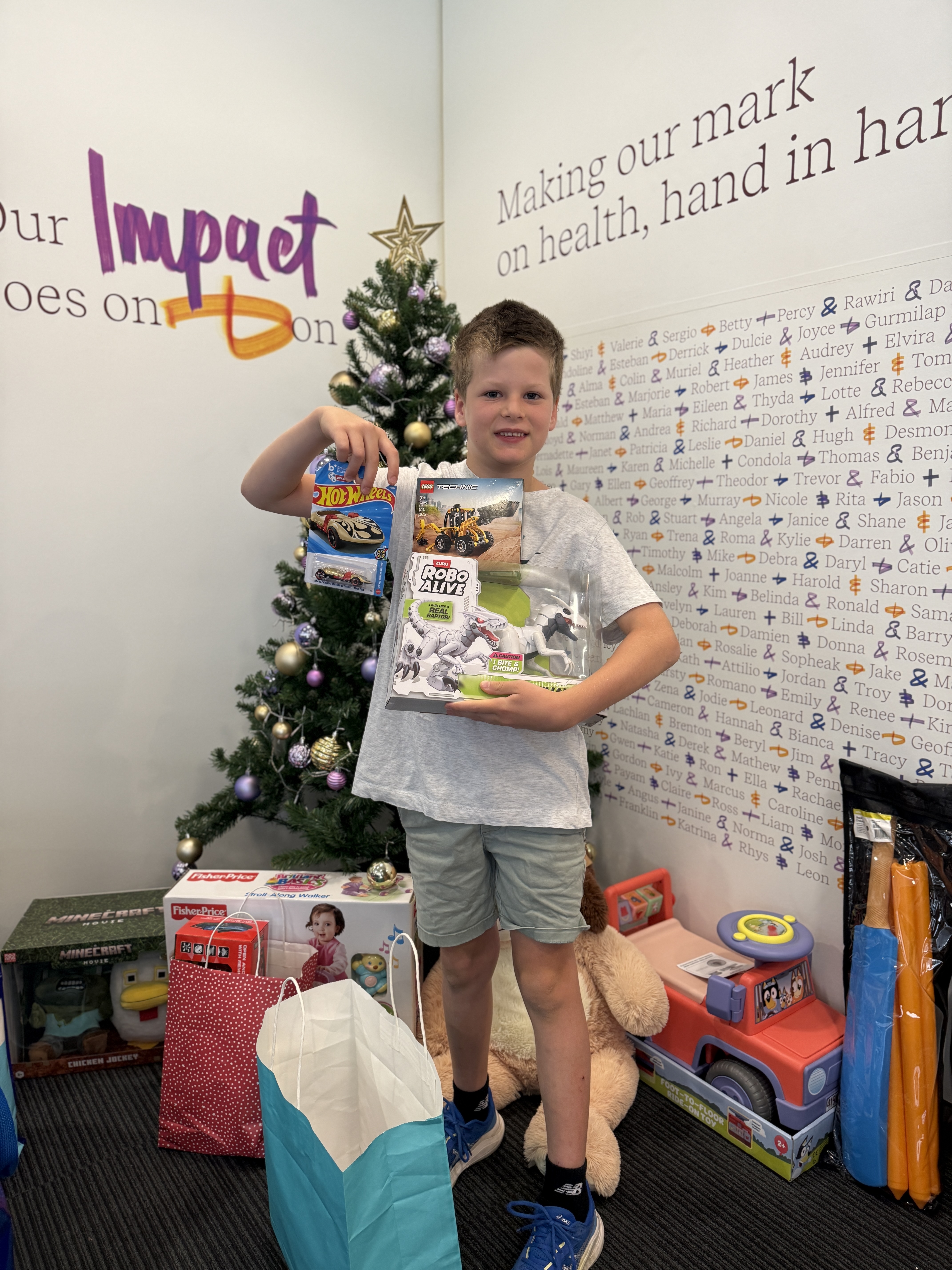
“Zebrafish are the second most common model organism in biomedical research, after rodents. Biologically, when we compare humans to zebrafish, the way that our bones and zebrafish bones develop, there’s a lot of similarities.” – Dr Karissa Barthelson

This work has the potential to accelerate global research into Morquio syndrome, opening new possibilities for treatment and offering hope to children and families who currently have none.

This vital research is funded through the Malcolm Douglas Grant Research Fund, a memorial fund established to support international-standard research into the causes and treatments of Morquio syndrome, other mucopolysaccharidoses, and genetic disorders involving bone dysplasias within the lysosomal storage disorders group.

By charting new waters with zebrafish models, Dr. Barthelson’s work has the potential to transform the future for children living with Morquio syndrome.
Find out more about the research we support, here.
For some families, the joy of welcoming a newborn is quickly overshadowed by fear when their baby is born with a congenital condition requiring urgent surgery.
These major abdominal or chest surgeries, though rare, account for 17% of all Neonatal Intensive Care Unit (NICU) admissions in Australia. For these tiny patients, recovery is a delicate and challenging process.

Feeding after surgery is one of the biggest hurdles. Instead of breastmilk or formula, these newborns often rely on intravenous nutrition made up of carbohydrates, fats, and amino acids. Until now, the standard practice has been to provide all these components immediately. However, emerging evidence suggests that delaying amino acids in critically ill children may significantly improve recovery, reducing time in intensive care by nearly one-third and time on breathing support by almost half. The youngest and most vulnerable patients may benefit the most.

Despite this promising evidence, no large-scale study has ever tested whether this approach works for surgical newborns. Without robust data, doctors cannot confidently change practice, leaving families to endure long, stressful, and costly hospital stays.

That’s where the DELA3Y Trial comes in.

Supported through the WCH Foundation’s Bloom Research Program, Professor Michael Stark and his team are leading a world-first clinical trial to investigate whether a simple change in nutritional timing can transform outcomes for babies recovering from major surgery. This groundbreaking study will compare early versus delayed provision of amino acids in newborns and measure the impact on their recovery.

“Because it’s a simple intervention, there’s every chance that it will be rapidly translated into clinical practice and change the approach to neonatal care for these babies worldwide” – Professor Michael Stark

If successful, the DELA3Y Trial could shorten intensive care stays, reduce reliance on breathing support, improve long-term health outcomes, and revolutionize global medical practice with a simple, cost-effective intervention for NICUs. Prof. Stark’s work has the potential to make a lasting impact on the lives of the youngest and most vulnerable members of our community.

Find out more about the research we support, here.

Childhood dementia is a devastating condition caused by more than 145 rare genetic disorders, affecting 1 in every 2,900 births.

For children and their families, the impact is profound. As the disease progresses, children lose the skills they’ve worked so hard to develop; walking, talking, eating, and face a rapid decline. With no effective treatments, half of these children will not live to see their 10th birthday, and 70% will not reach adulthood.

But there is hope on the horizon.

A promising drug, N-acetyl-L-leucine (NAL), has already been approved in the United States for one form of childhood dementia, Niemann-Pick disease type C. It is also being trialed for other conditions, and early laboratory research here in Australia suggests that NAL could benefit other forms of childhood dementia that currently have no approved treatments. These include Sanfilippo syndrome, which robs children of their abilities and often leads to death in their teenage years, and GM1 gangliosidosis, an even more aggressive condition where some children diagnosed in infancy may not survive beyond their second birthday.

For families, these diagnoses are heartbreaking, and the lack of treatment options compounds their despair. That’s why the WCH Foundation is proud to support Professor Kim Hemsley’s groundbreaking research to evaluate NAL as a potential treatment for these devastating diseases.

This work will also lay the groundwork for clinical trials, bringing us closer to life-changing therapies for these devastating conditions.

“Wins are few and far between in medical research, and for us in this field, it’s personal. We know these families, and we care about these families. So to realise that you have the funding to potentially make a difference, that’s a very good day.” – Professor Kim Hemsley

Through this vital research, Prof. Hemsley and her team are working to transform the future for children living with childhood dementia. By building on promising laboratory findings, this project has the potential to bring life-changing treatments within reach for children and families affected by this devastating disease.

Find out more about the research we support, here.

Every year, one in seven babies are born with seizures, developmental delays, or the risk of early death due to genetic changes that disrupt brain development.

Despite advances in identifying the genes involved, most of these children face a lifetime without effective treatments, leaving families with heartbreak and uncertainty.

A breakthrough technology called antisense oligonucleotides (ASOs) is offering new hope. These genetic therapies, already proven safe and effective in other diseases, have the potential to transform outcomes for children with rare and devastating brain disorders. By targeting the root cause of these conditions at the genetic level, ASOs could provide treatments where none currently exist.

At present, children with conditions like PCDH19 clustering epilepsy, a severe form of epilepsy that primarily affects girls, and TIMMDC1 neurodegenerative disorder, a rare and life-limiting disease, have few, if any, treatment options. Families are left with no therapies that can truly change their child’s future, compounding the distress of these diagnoses.

The WCH Foundation is proud to support Professors Jozef Gecz and Paul Thomas, along with their multidisciplinary team, in their groundbreaking research to develop ASO therapies for these conditions.

Their work will test new ASO therapies in models that reflect how these diseases affect children, identify safe and effective doses to give children the best possible chance of benefit, and build a treatment pipeline that could be applied to many other rare childhood brain disorders in the future. This research represents a critical step forward in the fight against rare genetic brain disorders, offering families the possibility of treatments that were once unimaginable.

“The donors who make this possible are just phenomenal. I’m eternally grateful to everyone who donates to health and medical research, because in one way or the other, it comes back to all of us.” – Professor Jozef Gecz

Find out more about the research we support, here.

Sign up for our latest news

"*" indicates required fields

This field is for validation purposes and should be left unchanged.

Name *

Name*

Email *

Email*