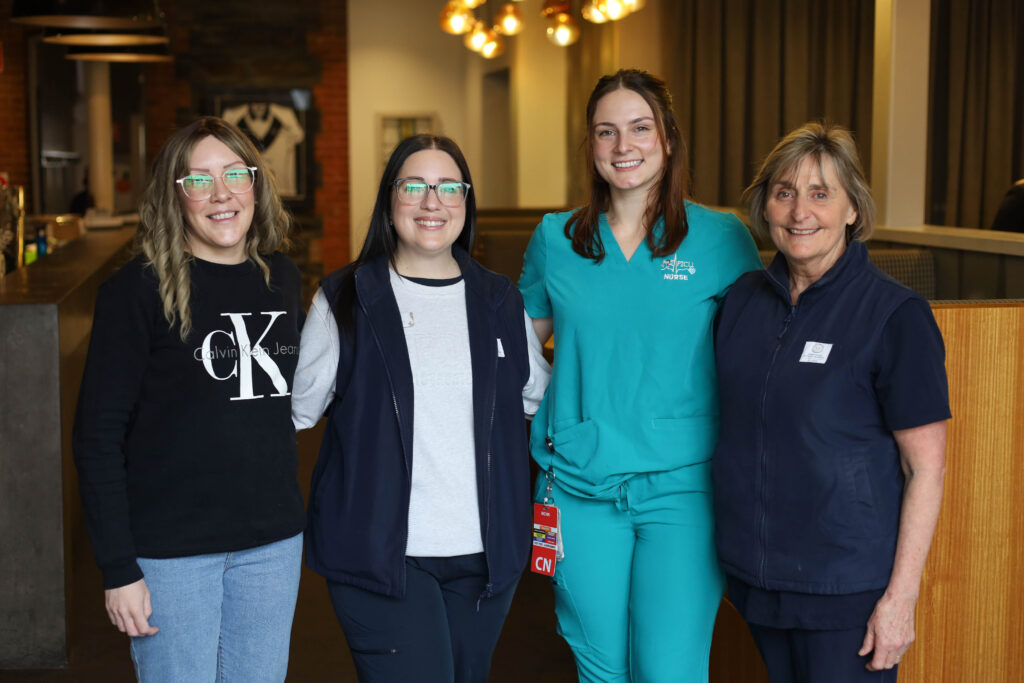
On International Nurses Day, we’re proud to celebrate a remarkable family whose legacy of nursing spans four generations, almost 80 years of care, compassion and commitment to children and families.

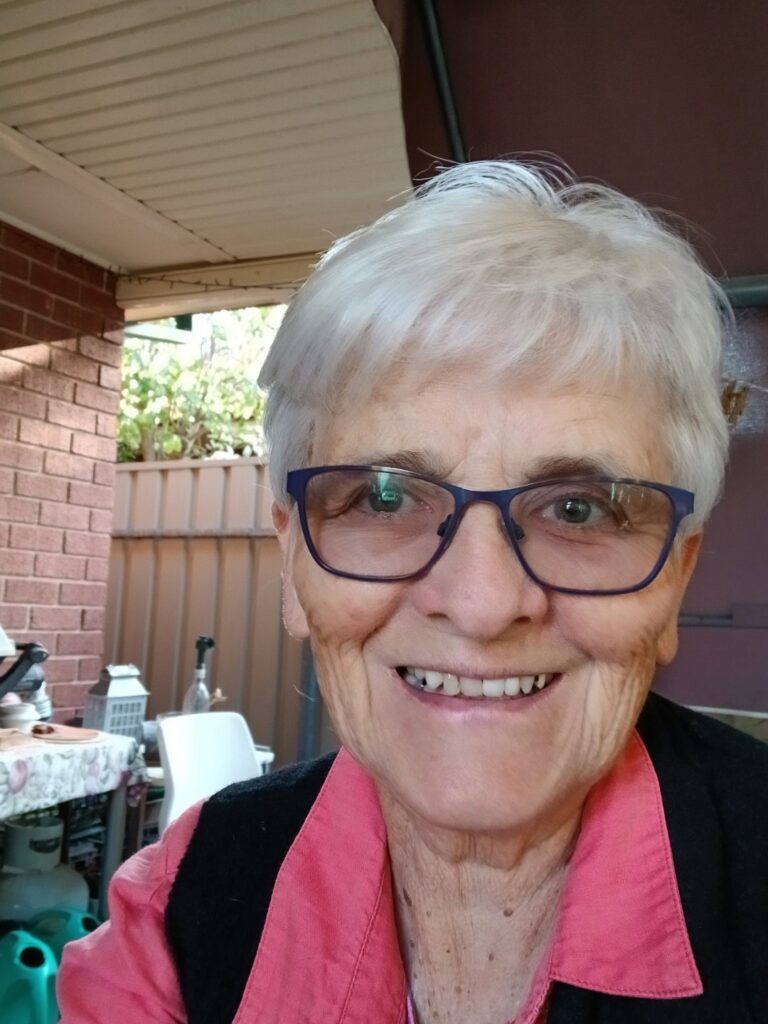
For Michelle Lock, nursing has never just been a profession. It’s a shared family story, passed down from her grandmother to her mother, to herself, and now to her daughter, each generation connected by a deep commitment to caring for others.

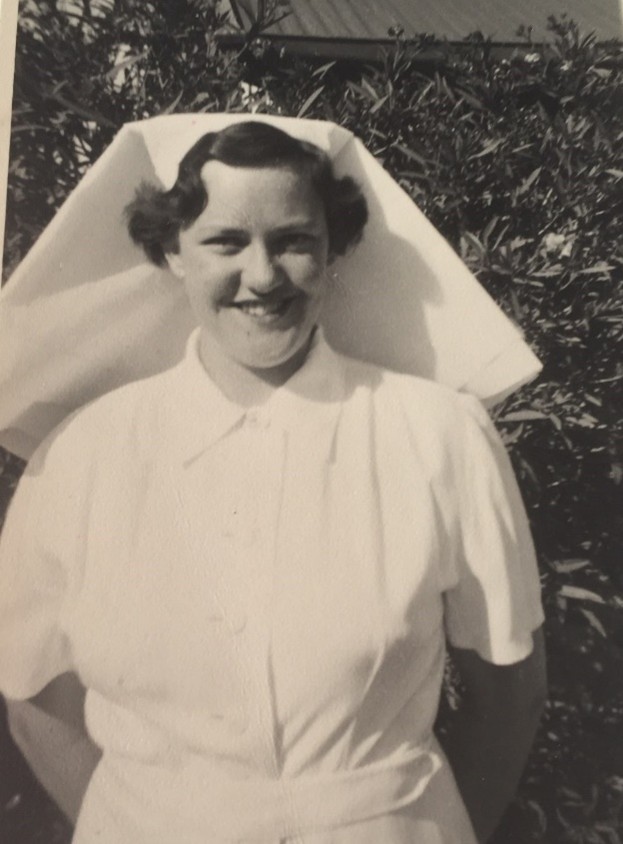
That story began with Michelle’s grandmother, Margaret, who started her nursing training at Adelaide Children’s Hospital (now the Women’s and Children’s Hospital) in 1948 and became a registered nurse in 1951. Shortly after qualifying, Margaret travelled to England, backpacking across the UK while working for six months in a paediatric hospital before returning to Adelaide Children’s Hospital in 1954. The values she gained through nursing of resilience, compassion and care, lived on through her family.

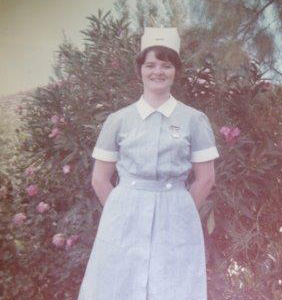
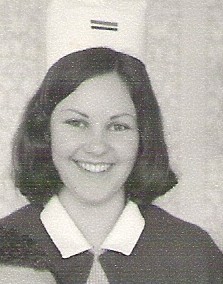
Margaret’s daughter, Mary, followed in her footsteps, starting her nursing training on her 18th birthday in 1973. She worked across Joanna, Rose, Fielders and Princess wards and lived in the nurses’ quarters in the Samuel Way Building while she trained. “It was very lush accommodation,” Michelle recalls her mum saying. After leaving Adelaide Children’s Hospital, Mary moved to Sydney to work at the Royal Alexandra Children’s Hospital before returning to Adelaide to raise her family, with nursing now firmly woven into the family’s identity.
For Michelle, nursing felt like a natural path. She studied nursing at Flinders University from 1998 to 2000, where a clinical placement on Newland Ward confirmed her passion for paediatric care. Those years were busy, Michelle’s daughter, Sarah, was born during her second year of university and spent the first six months of her life accompanying Michelle to classes. Michelle completed her graduate nurse program on the 4th Floor Medical Ward in 2001 and worked there until 2004. In 2023, she returned to the Women’s and Children’s Health Network as Nurse Unit Manager of WCH@Home.

Today, the legacy continues with Sarah, the fourth generation of nurses in the family. Sarah studied nursing at UniSA from 2020 to 2022. A clinical placement on Michael Rice Ward confirmed paediatric nursing was where she belonged. She completed her Transition to Professional Practice Program at Flinders Medical Centre and continued working across paediatric services, including Women’s and Children’s Hospital wards through the Casual Pool. In 2025, Sarah also volunteered as a nurse in a remote community in Africa, an experience she describes as “life changing”.

When Sarah chose nursing, Michelle says she felt immense pride. “I was very proud of her for setting out on what she wanted to achieve. I knew nursing could take her all over the world if she wanted to, and it already has.”

Across four generations, nursing has changed significantly. “Technology, training, skills and scope of practice have advanced enormously,” Michelle reflects. “But what hasn’t changed and should never change is the human touch, compassion, and empathy provided through nursing.”

This International Nurses Day, we celebrate not only the incredible nurses caring for our community today, but family legacies like this one reminding us that care, connection and commitment can truly span generations.
For many children who need dental impressions for appliances like dentures, orthodontic plates or nasoalveolar moulding, the traditional process involves using putty to make a physical mould. This method is often uncomfortable and can take up to seven minutes to set. Children may experience a strong gag response, anxiety, or distress, especially those with cleft lip, palate, or other craniofacial conditions.

For some, restricted mouth opening or a cleft lip or palate can increase the risk of putty becoming stuck, while for babies, there is even a risk of airway obstruction. Multiple attempts may be needed if the impression fails, only adding to the discomfort and worry families feel in the dental chair.

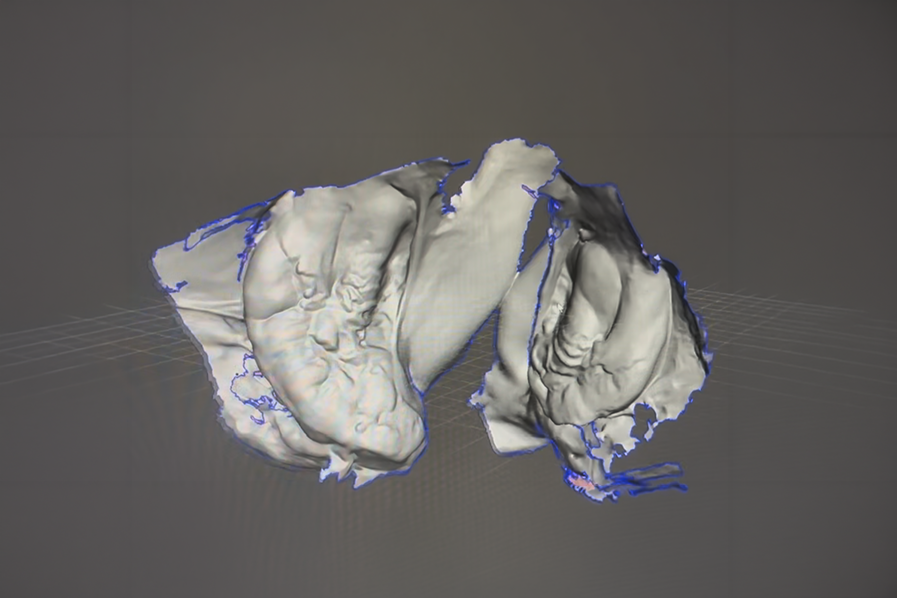
Thanks to a generous $50,0000 donation from Freemasons SA & NT, the WCH Foundation has provided a state-of-the-art intraoral scanner to the Women’s and Children’s Hospital Dentistry team. This breakthrough presents a wonderful opportunity to transform dental care. Intraoral scanners almost completely remove the need for physical impressions, providing children with accurate, precise digital images of their mouth in as little as 30 seconds. No more messy or uncomfortable putty, just a swift, gentle scan that makes appointments shorter and care more accessible for every child.

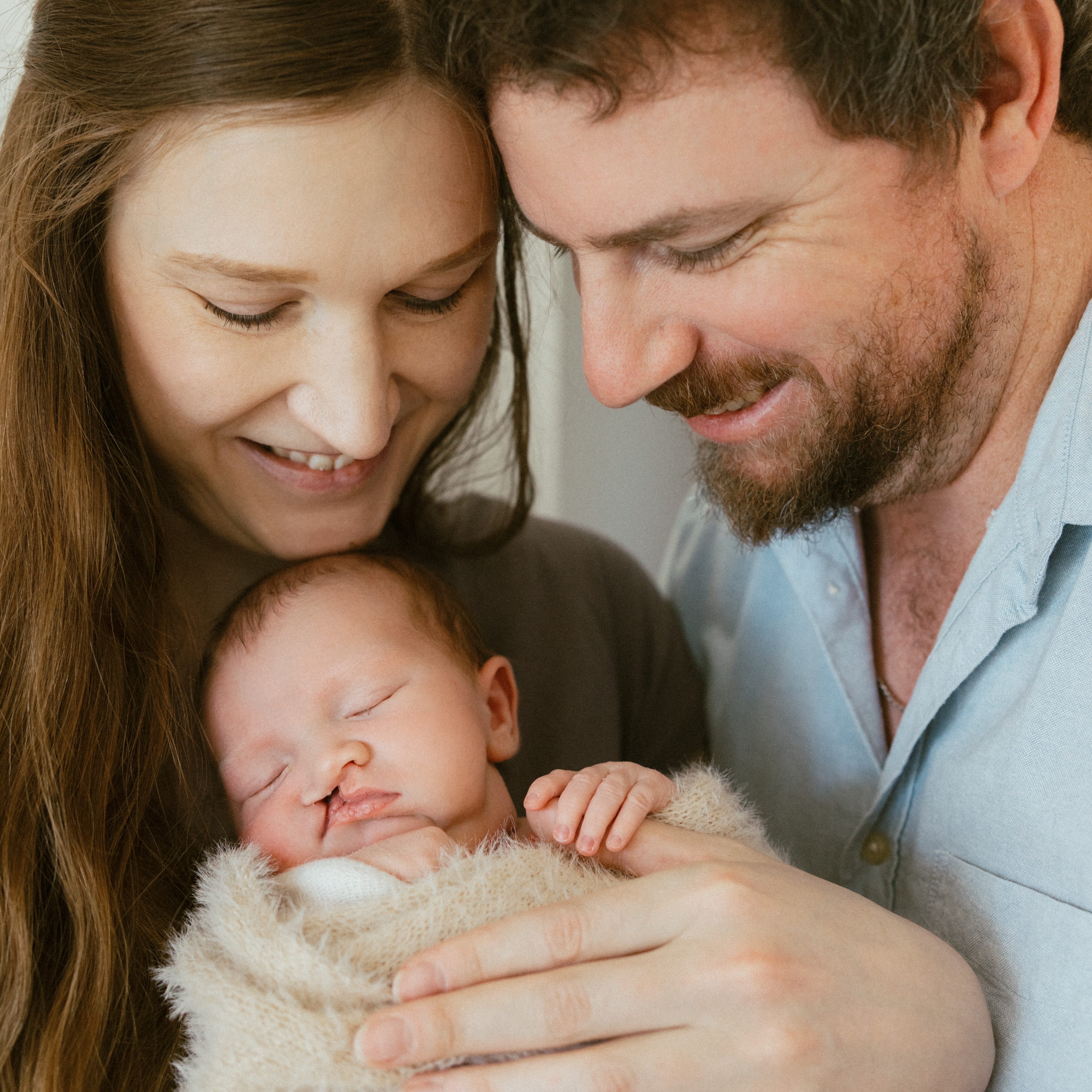
“Zoe is having naso-alveolar moulding (NAM) treatment which means she needs accurate images of her mouth taken to ensure the mould is personalised to fit her mouth. The new intraoral scanner means the process is quicker and less distressing,” says mum Amy.

With this technology, all children who need dental impressions can experience a faster, more comfortable process that removes the need for messy trays and lengthy procedures. The intraoral scanner makes dental appointments less stressful for families, provides accurate results in seconds, and helps ensure that every child can receive the care they need with ease and dignity.

Thanks to supporters like the Freemasons SA & NT, we’re helping create healthcare without limits for babies and children like Zoe.

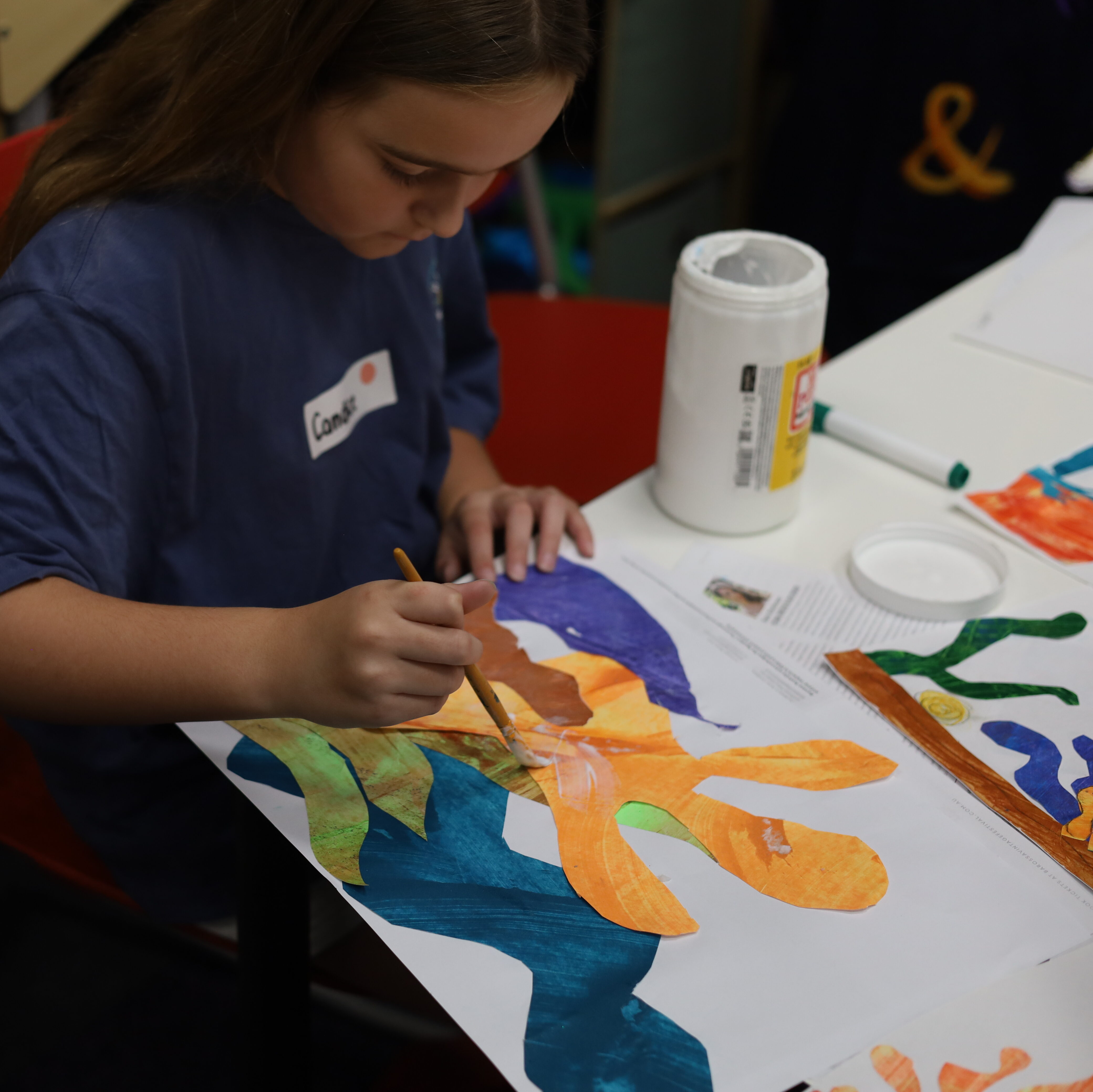
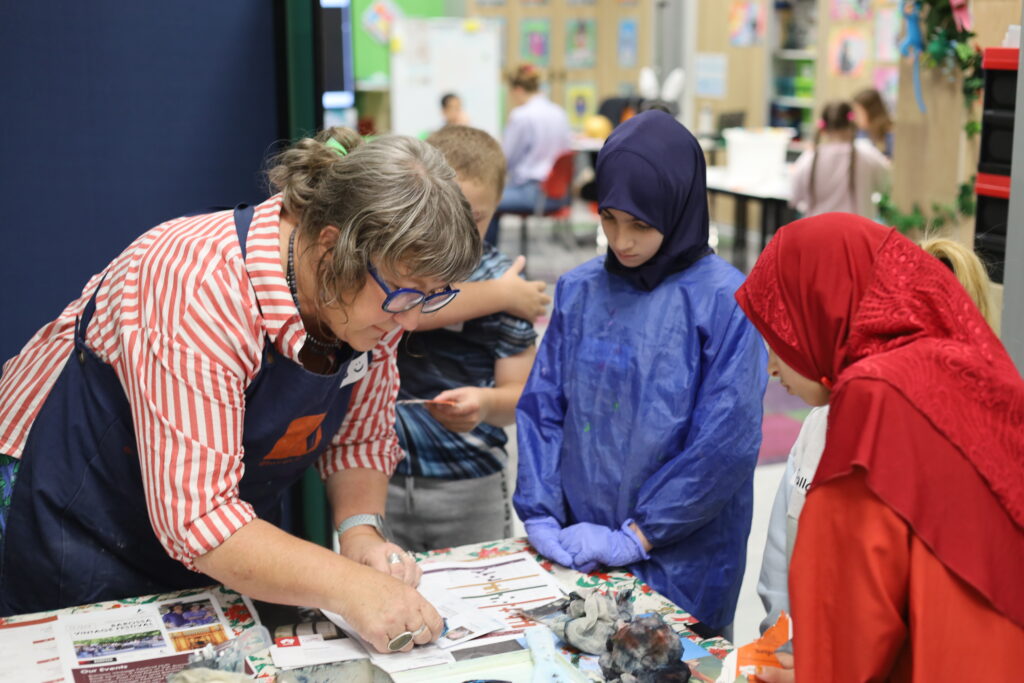
With the support of the Women’s & Children’s Hospital Foundation (WCH Foundation), students from Hospital School at the WCH recently had the unique opportunity to combine art and environmental education in a two-day workshop led by renowned community artist and educator, Deb Twining.

The workshop was part of the inspiring Great Southern Reef installation, ‘We Speak for the Seas’, and brought together creativity, learning, and a shared passion for protecting our oceans.

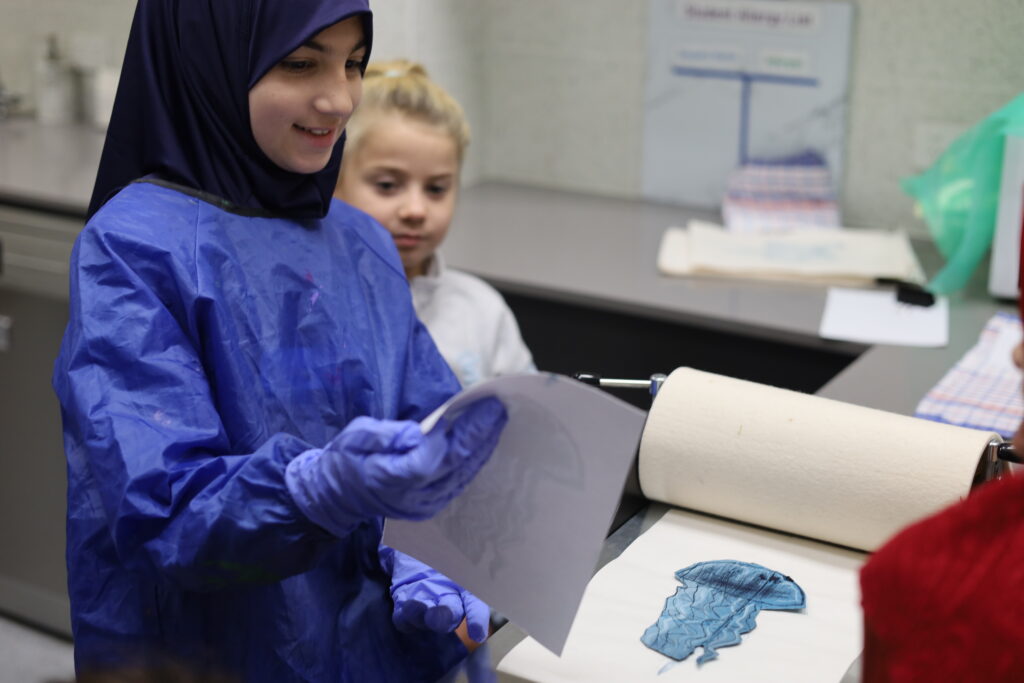
Junior and Senior students engaged in cross-curricular activities, exploring the extraordinary biodiversity of the Southern Ocean while learning printmaking techniques using recycled materials. Printed sea creatures were created using recycled Tetra Pak milk cartons, transformed through scratching, tearing, inking and repeated printing using the traditional intaglio process. Marine plants were formed using leftover paint, scraped and collaged into layered compositions.

The result? Stunning collaborative collages that now proudly adorn the corridors outside the Hospital School.

One student shared, “This art represents the love and care for the sea,” with another sharing that “The art makes me think that I can help look after the sea and the animals that live there.”

Deb Twining, an established artist with a background in visual arts and installation work, is known for her thoughtful and nurturing approach to creativity. Her passion and expertise shone through as she guided students and teachers in creating meaningful art that speaks to the importance of ocean conservation.

This workshop, proudly supported by the WCH Foundation Arts in Health program, not only allowed every student to contribute to the collaborative artwork but also left a lasting impression on the Hospital Community.  

The completed collages are now on display in the Blue Gallery at the Hospital, located on the Ground Floor outside Hospital School.

A heartfelt thank you to Deb Twining for sharing her skills and passion, and to the students and teachers who brought this project to life. 

To learn more about the Galleries or to purchase an artwork head to www.wchfoundation.org.au/galleryprogram or email artsinhealth@wchfoundation.org.au.

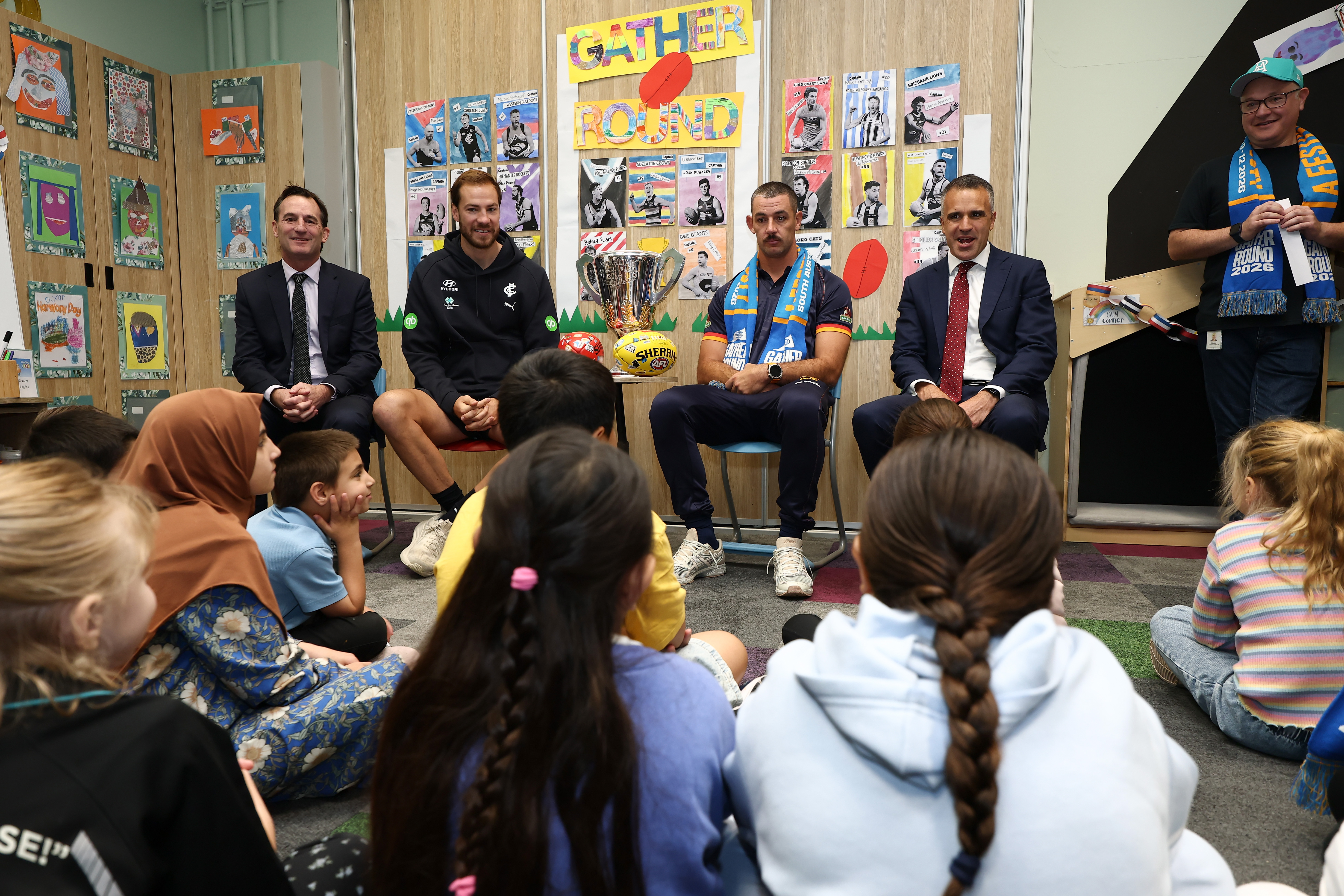
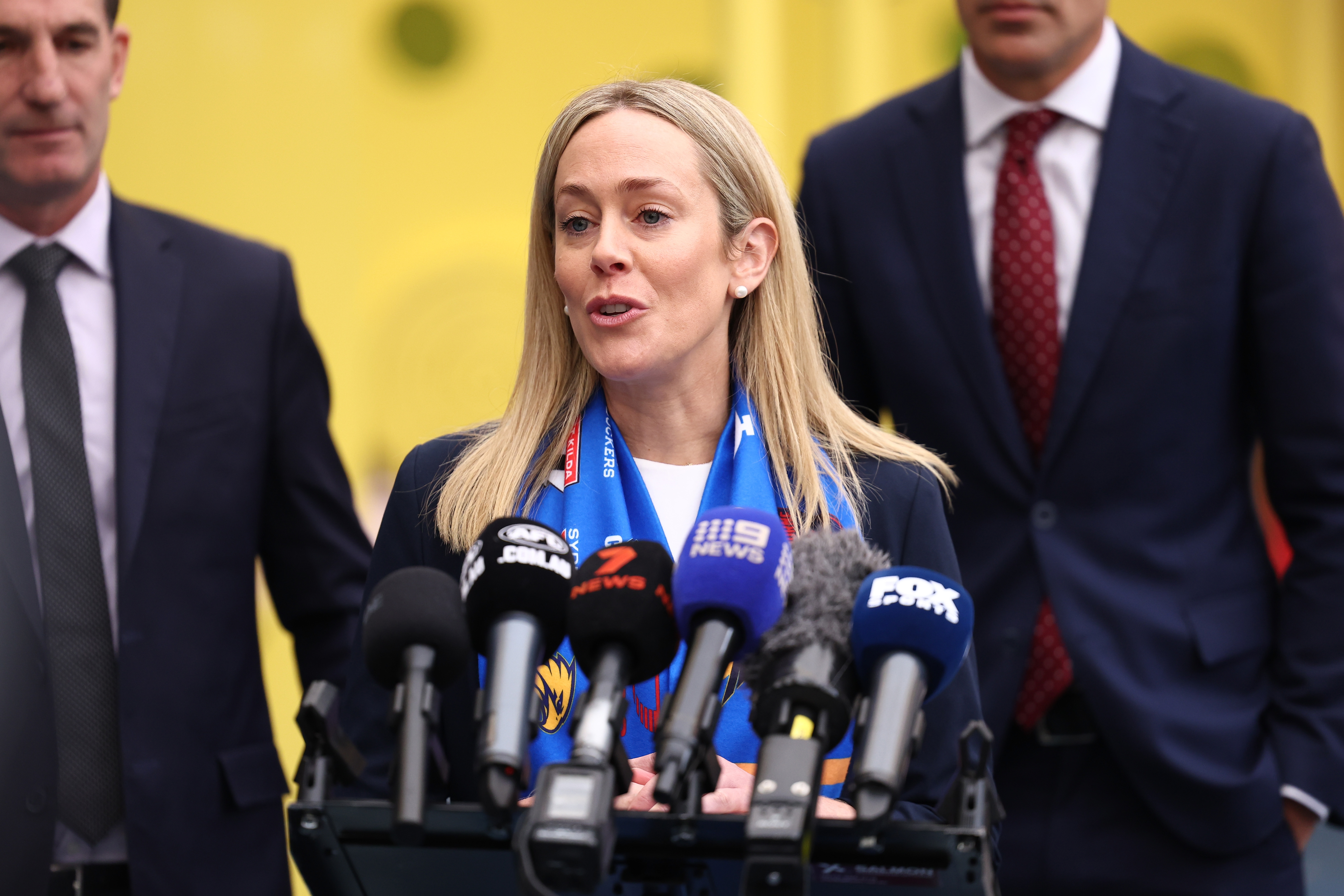
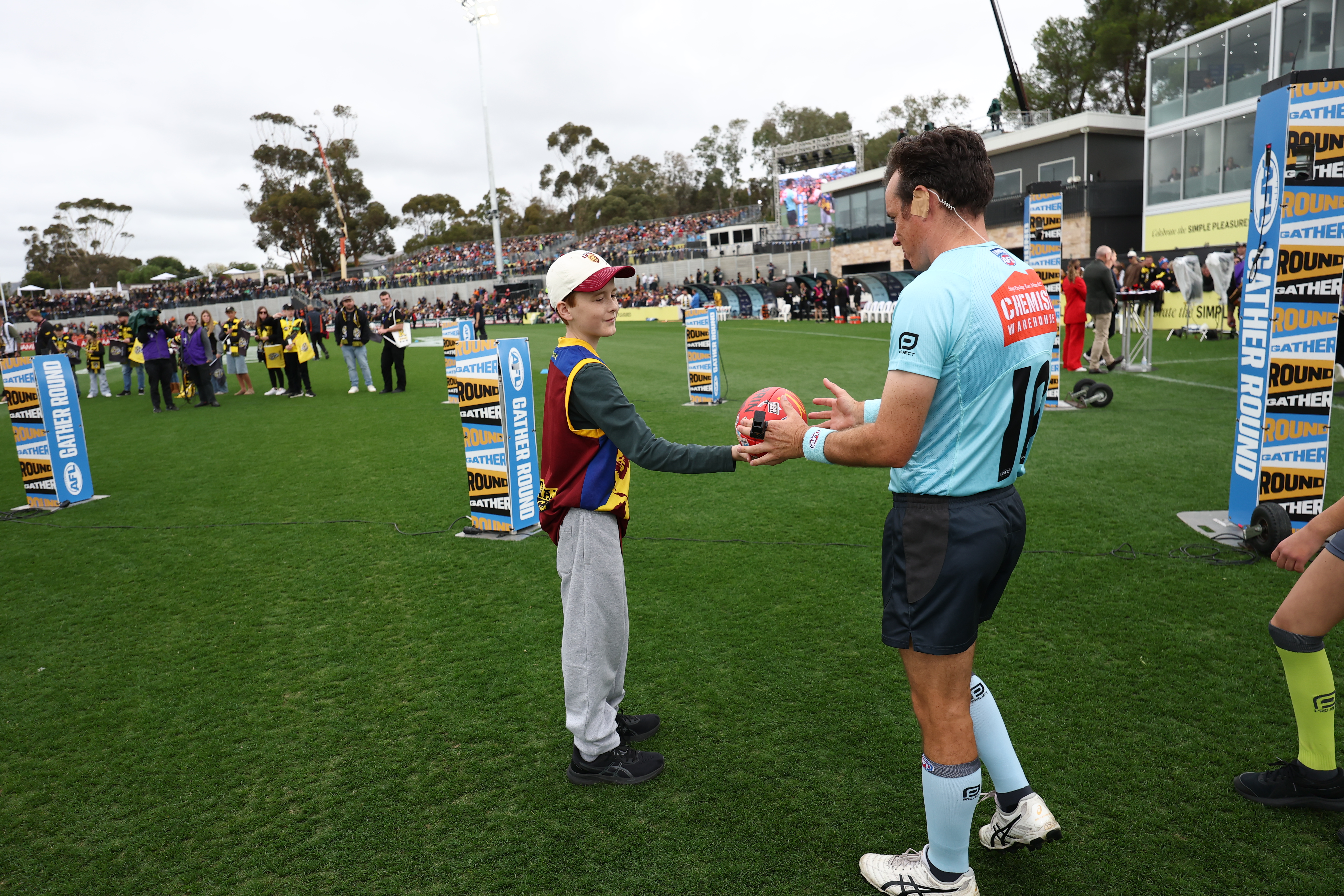
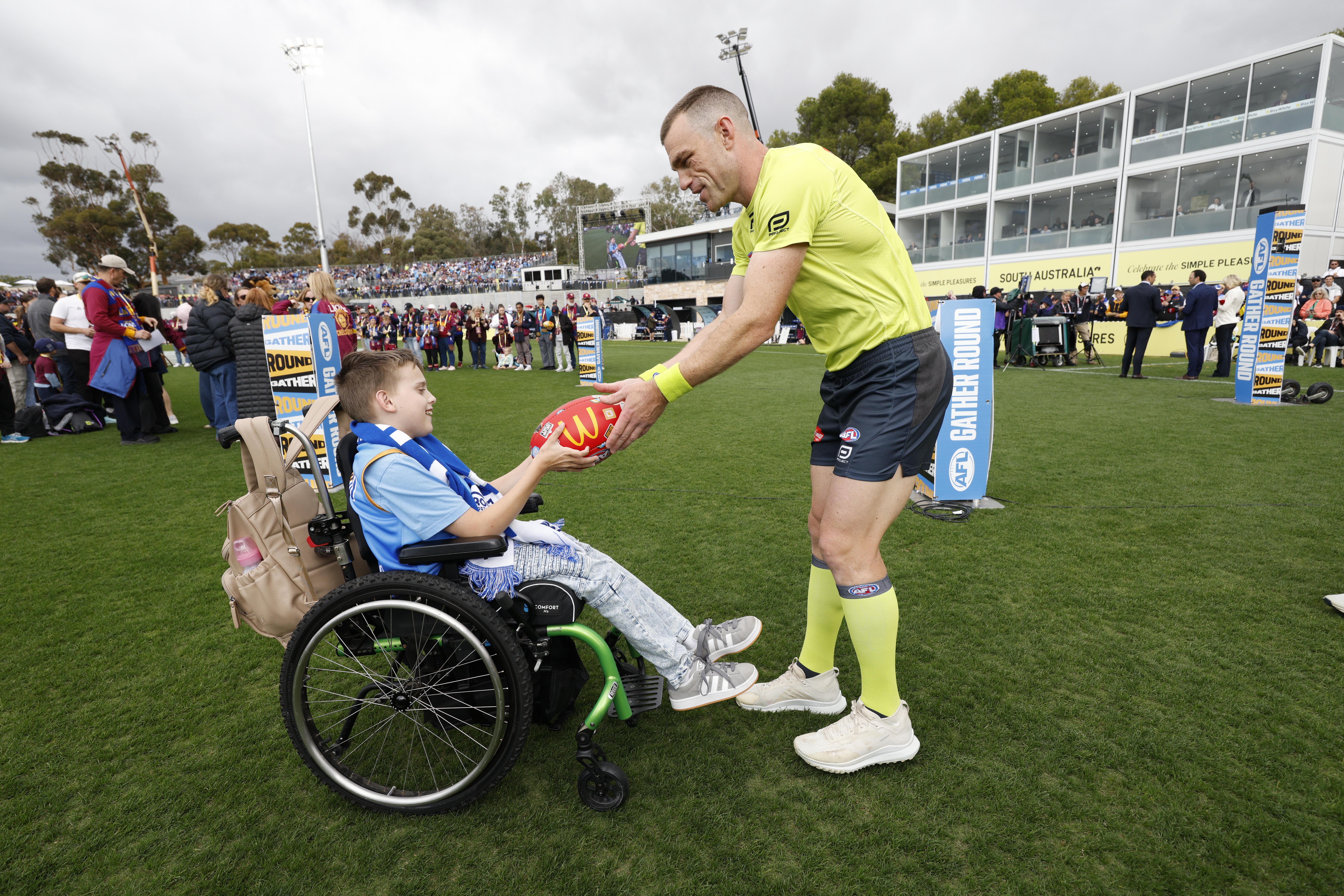
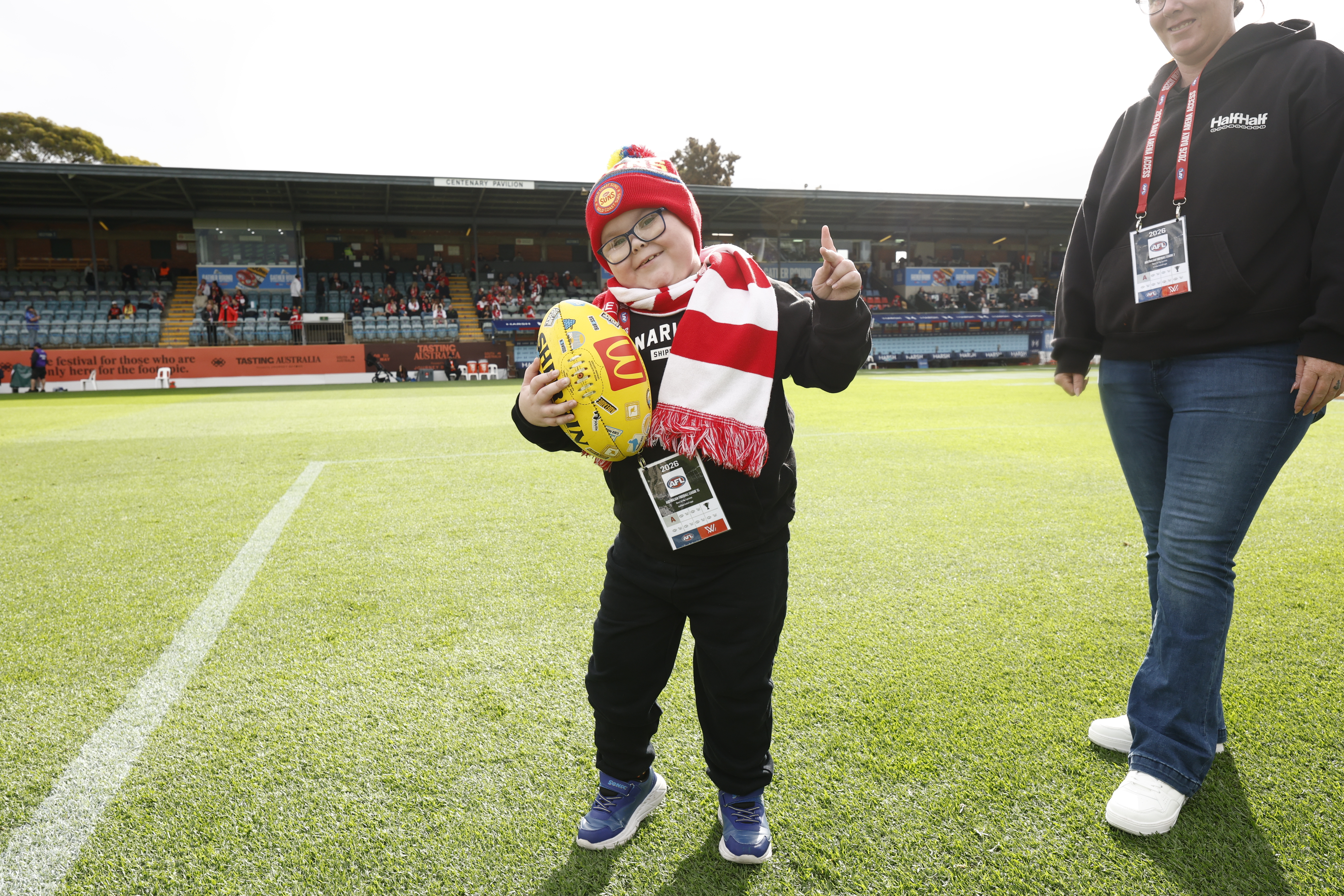
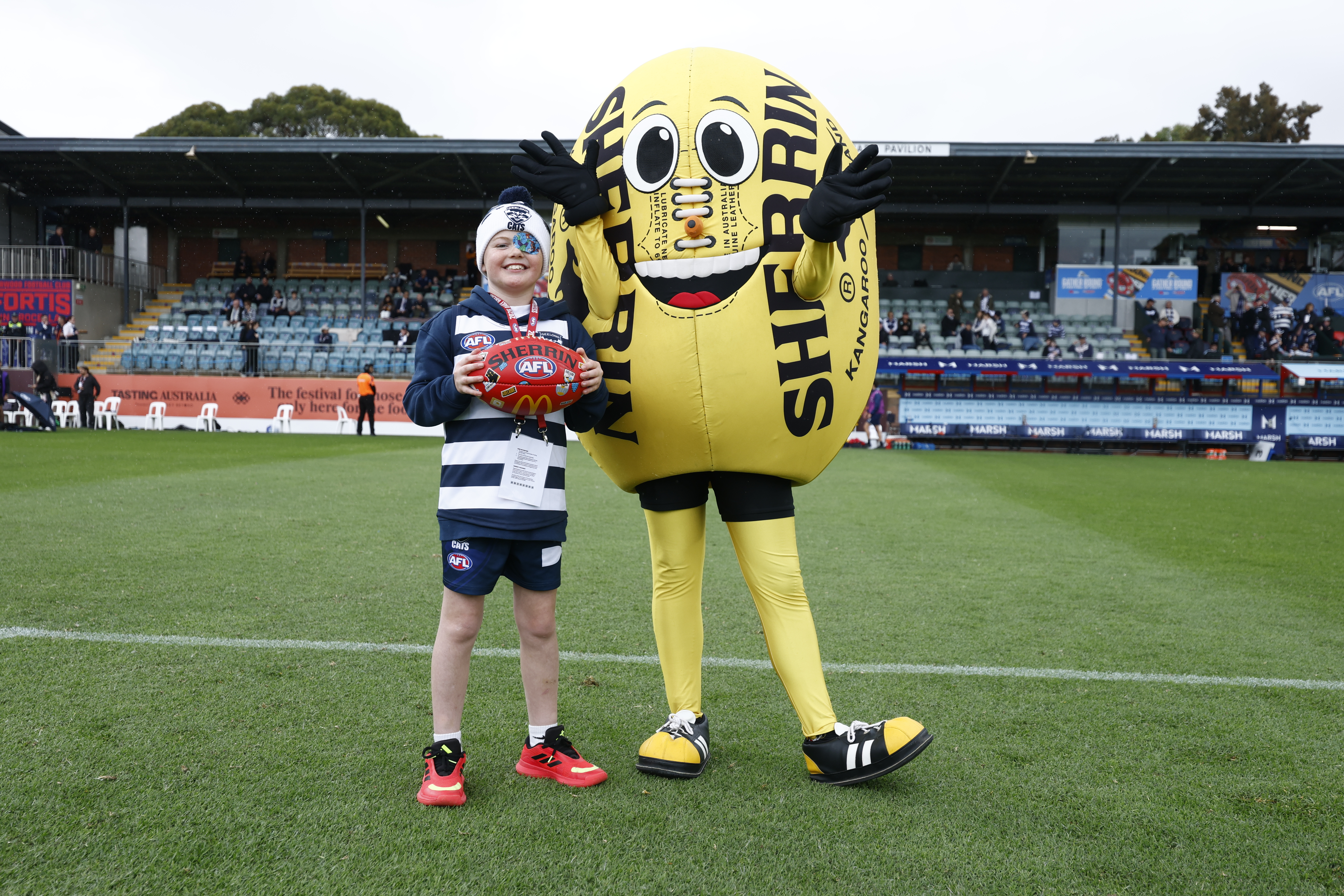
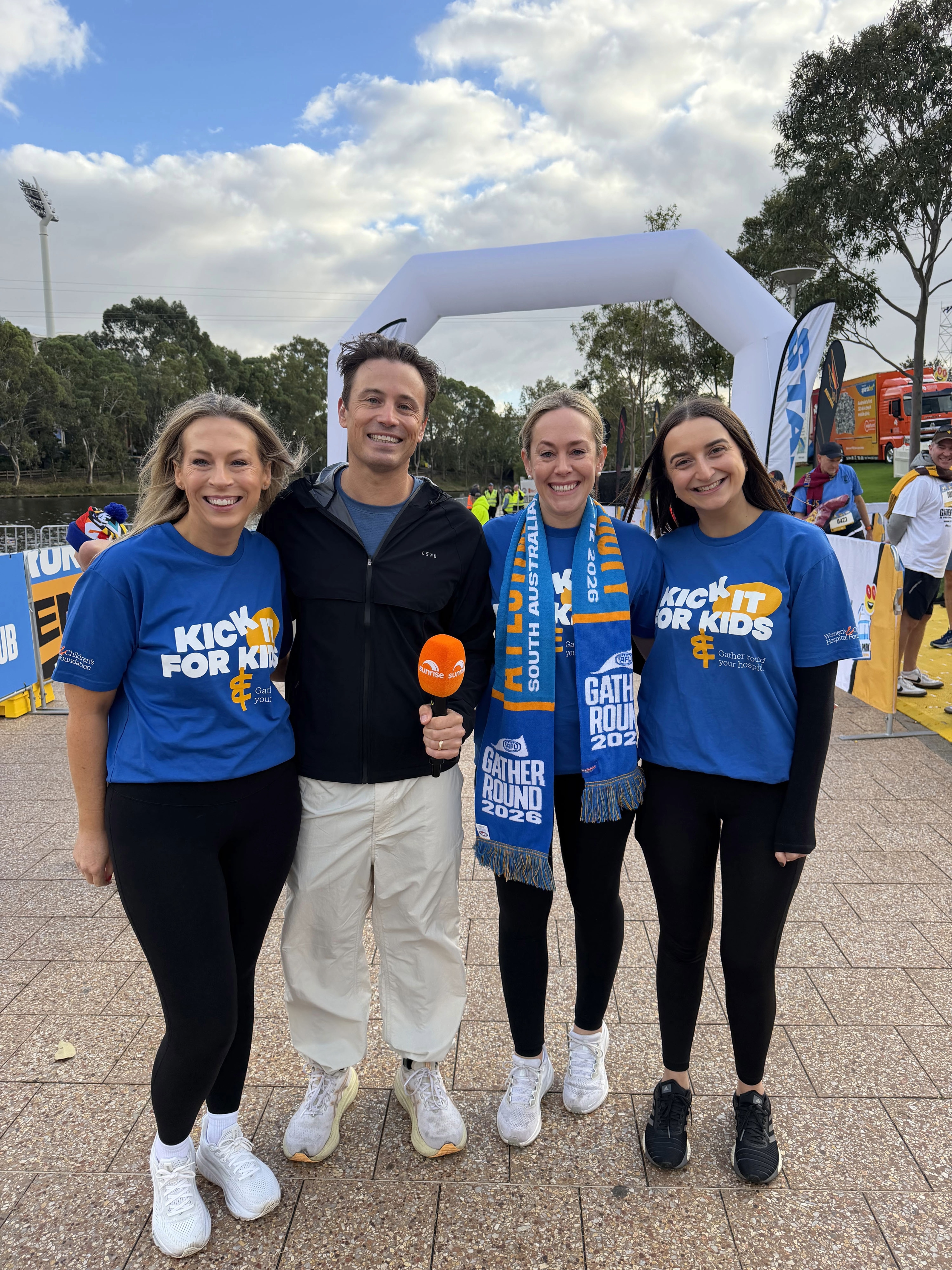
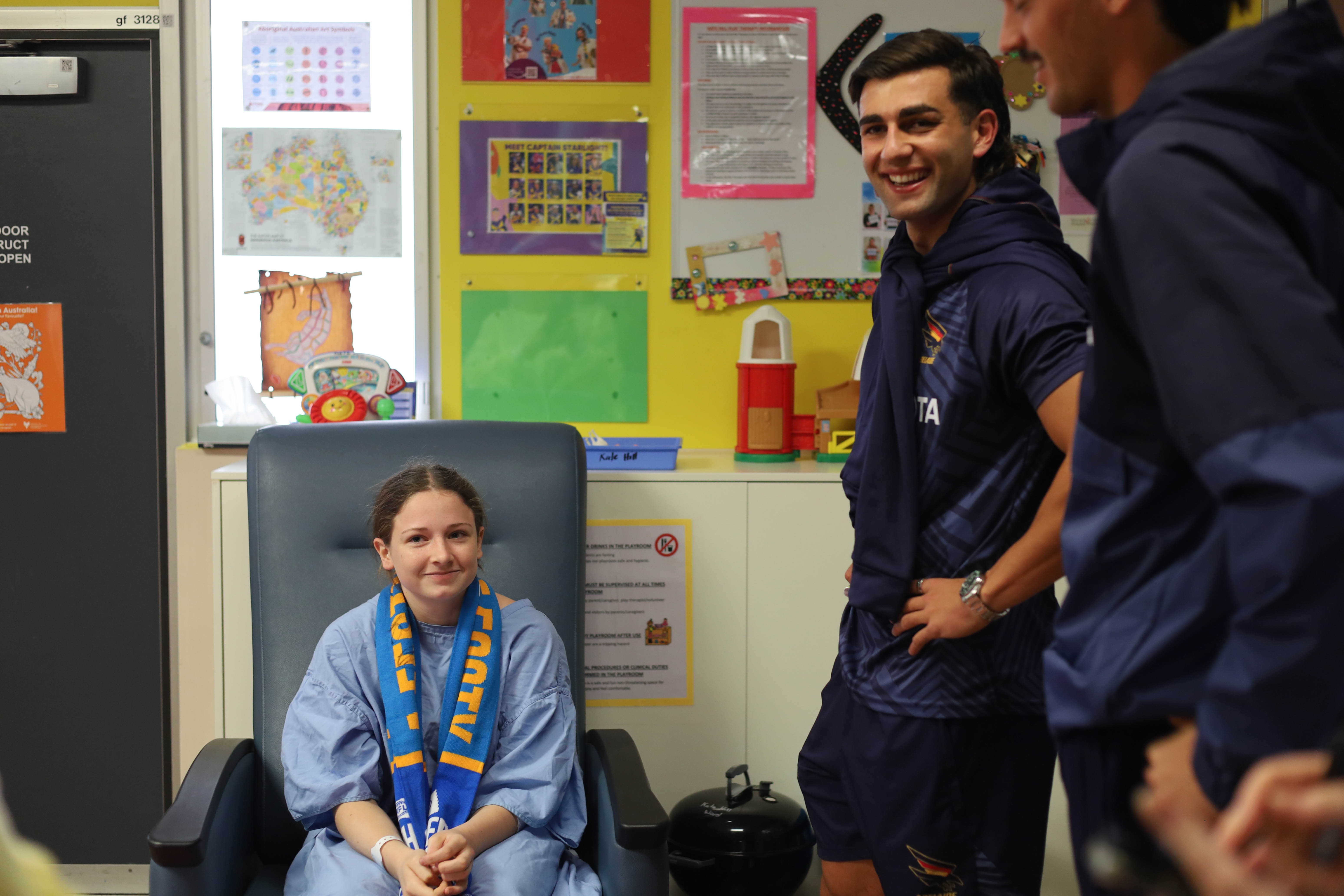
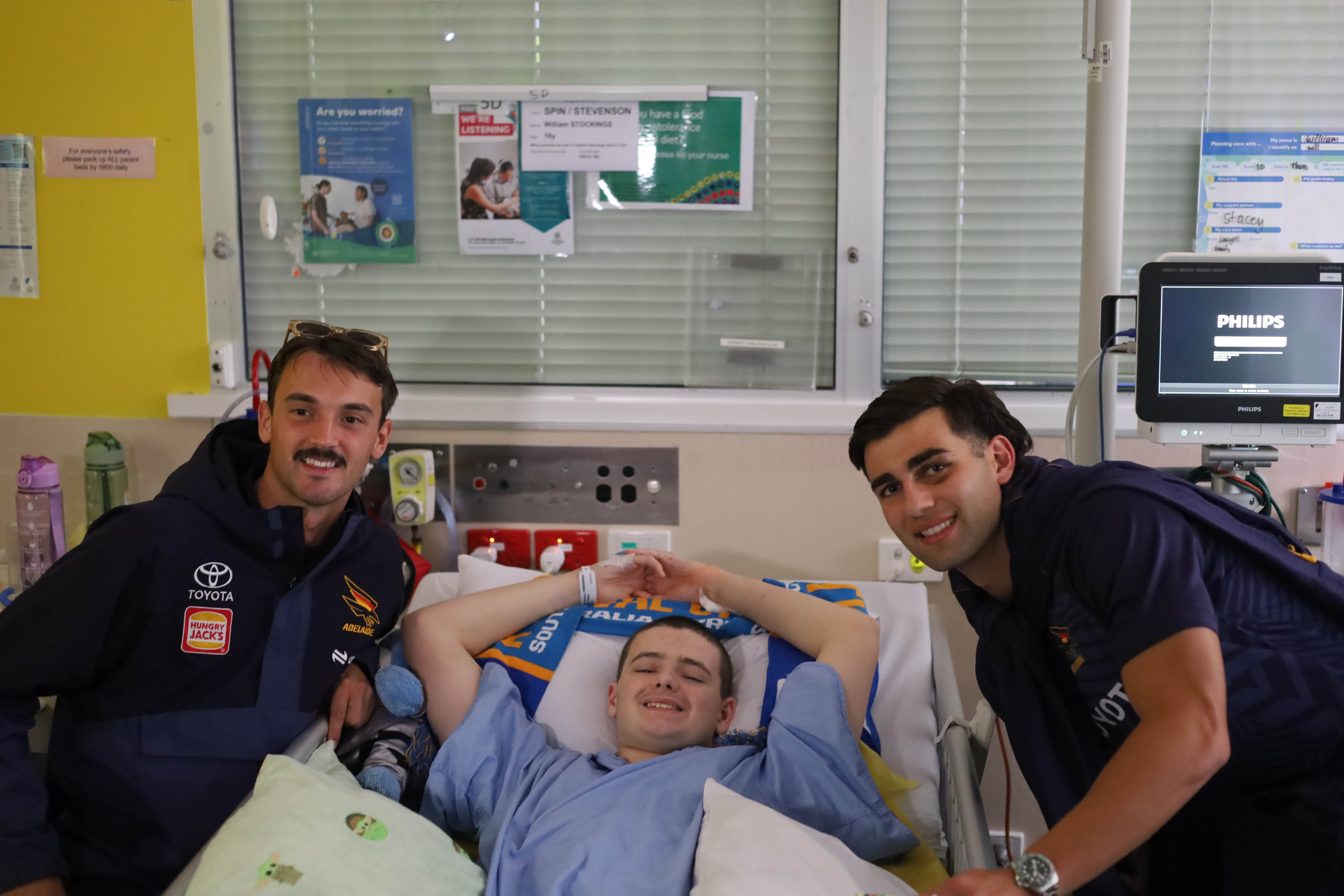
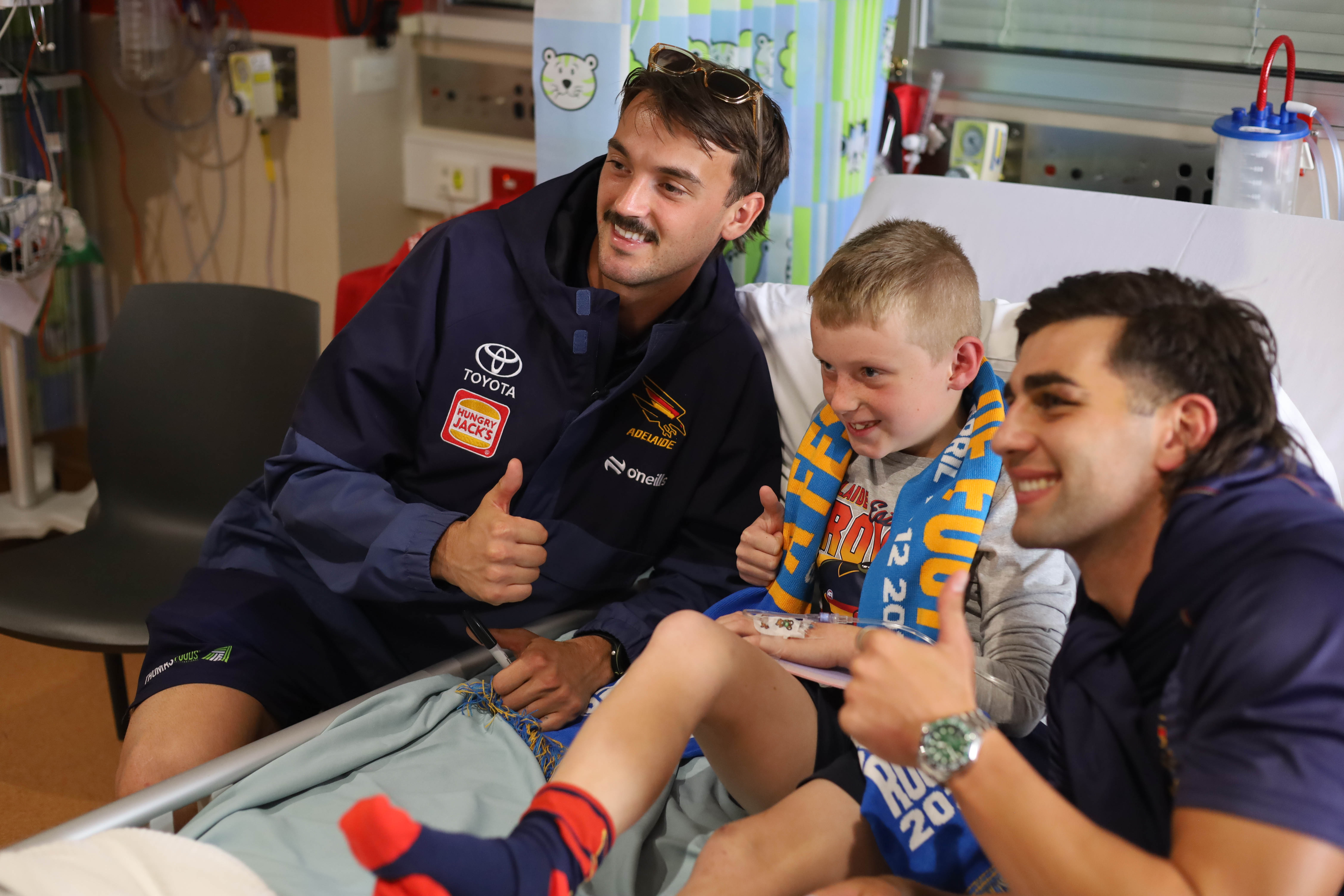
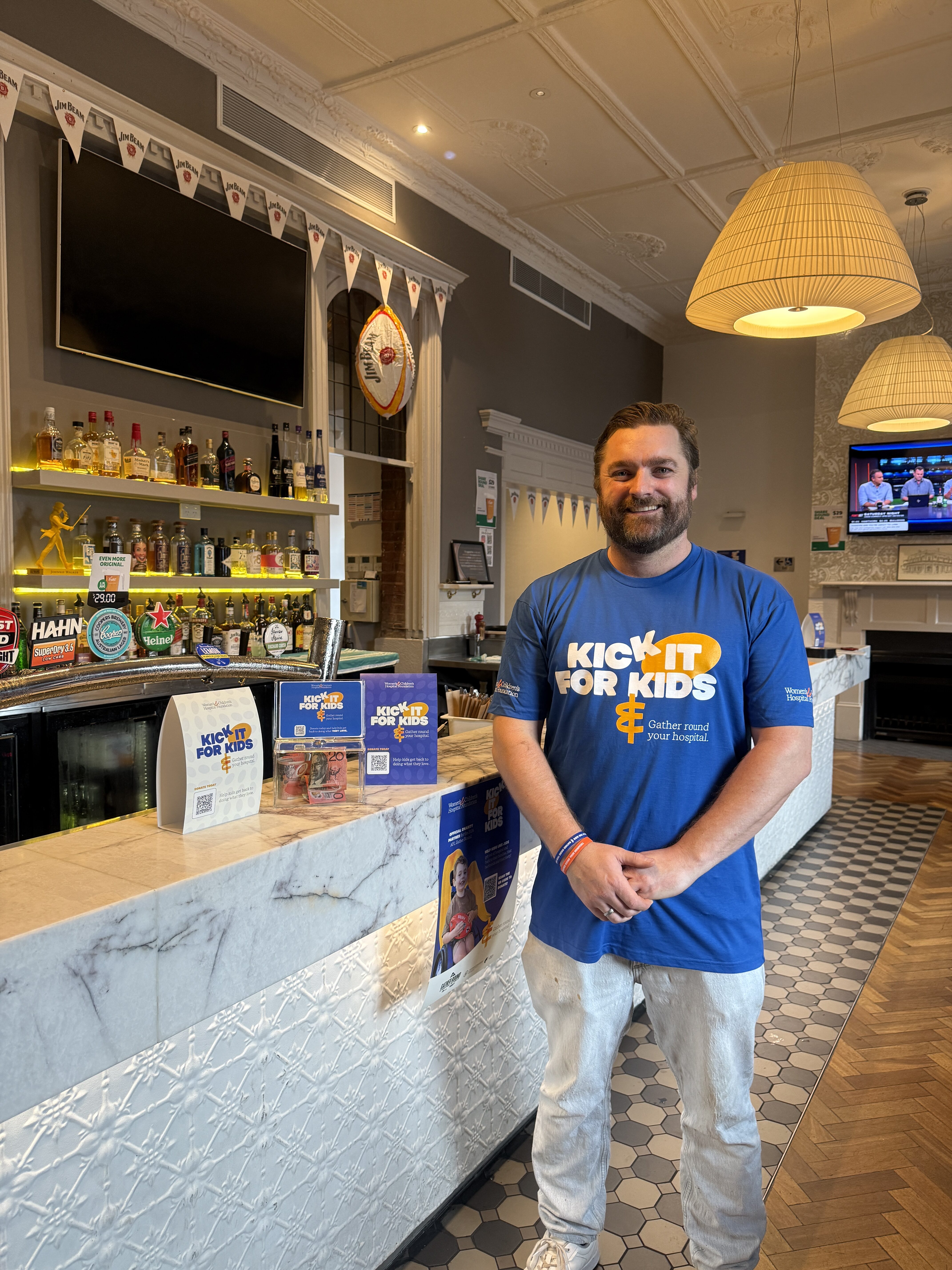
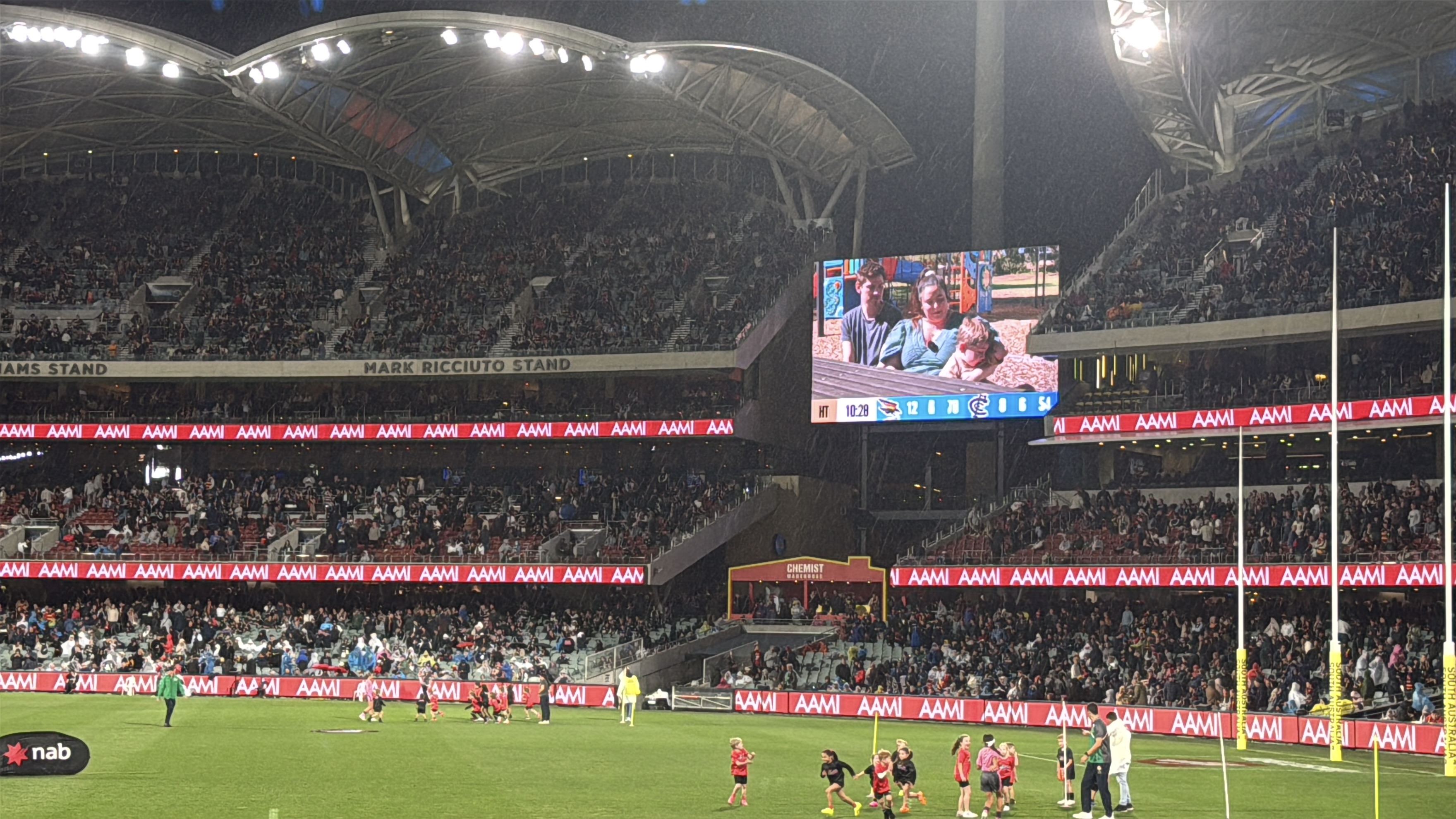
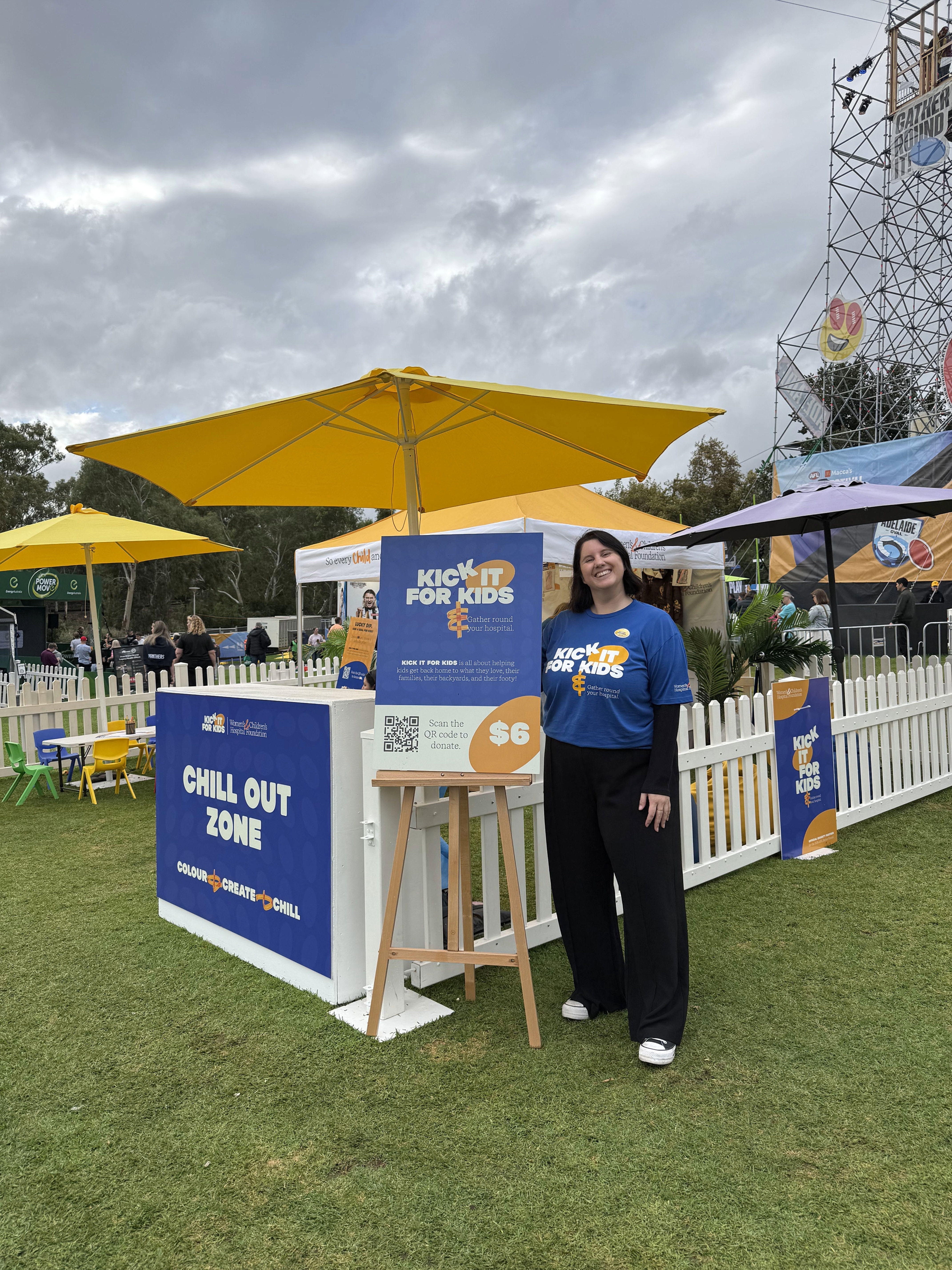
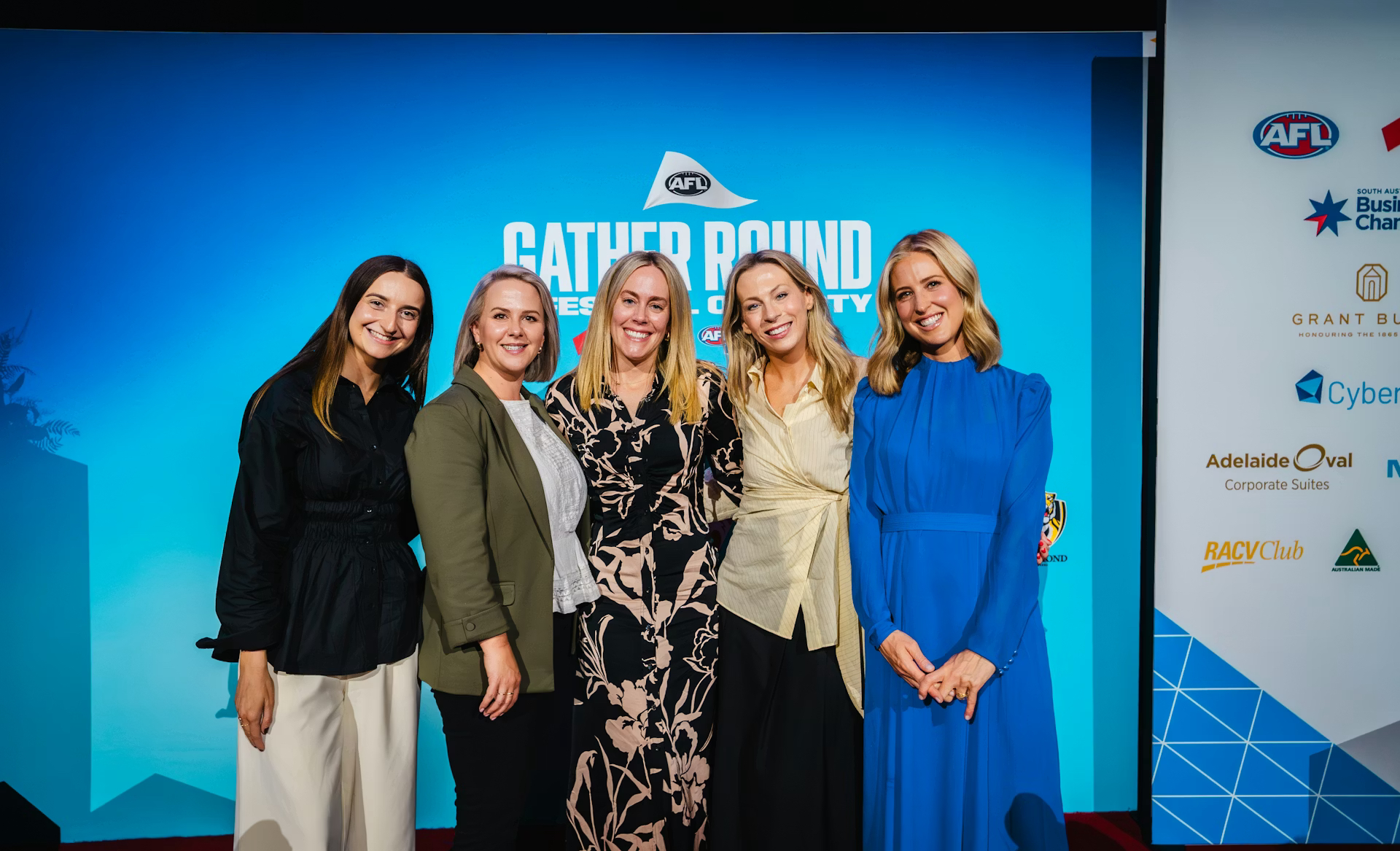
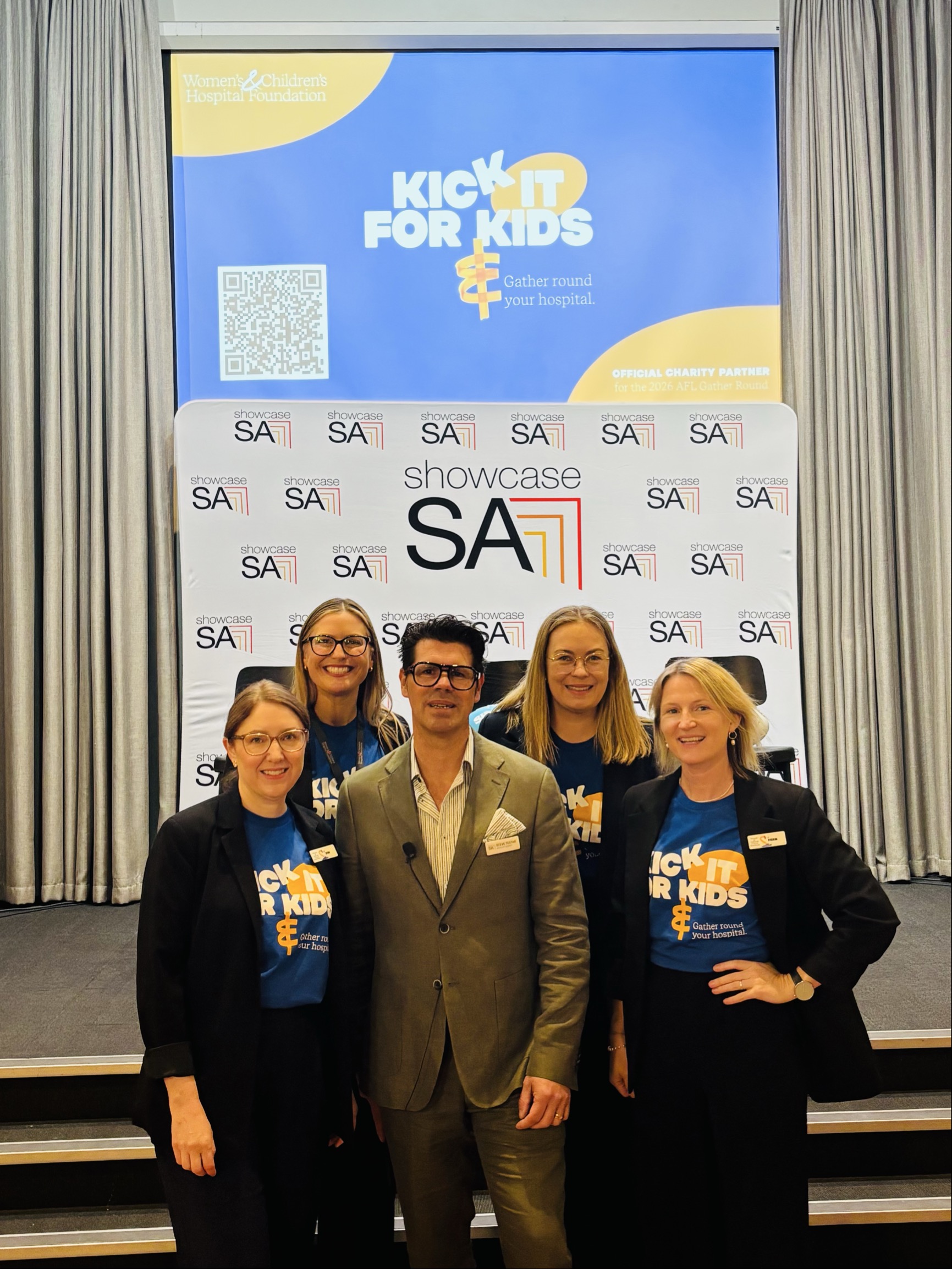
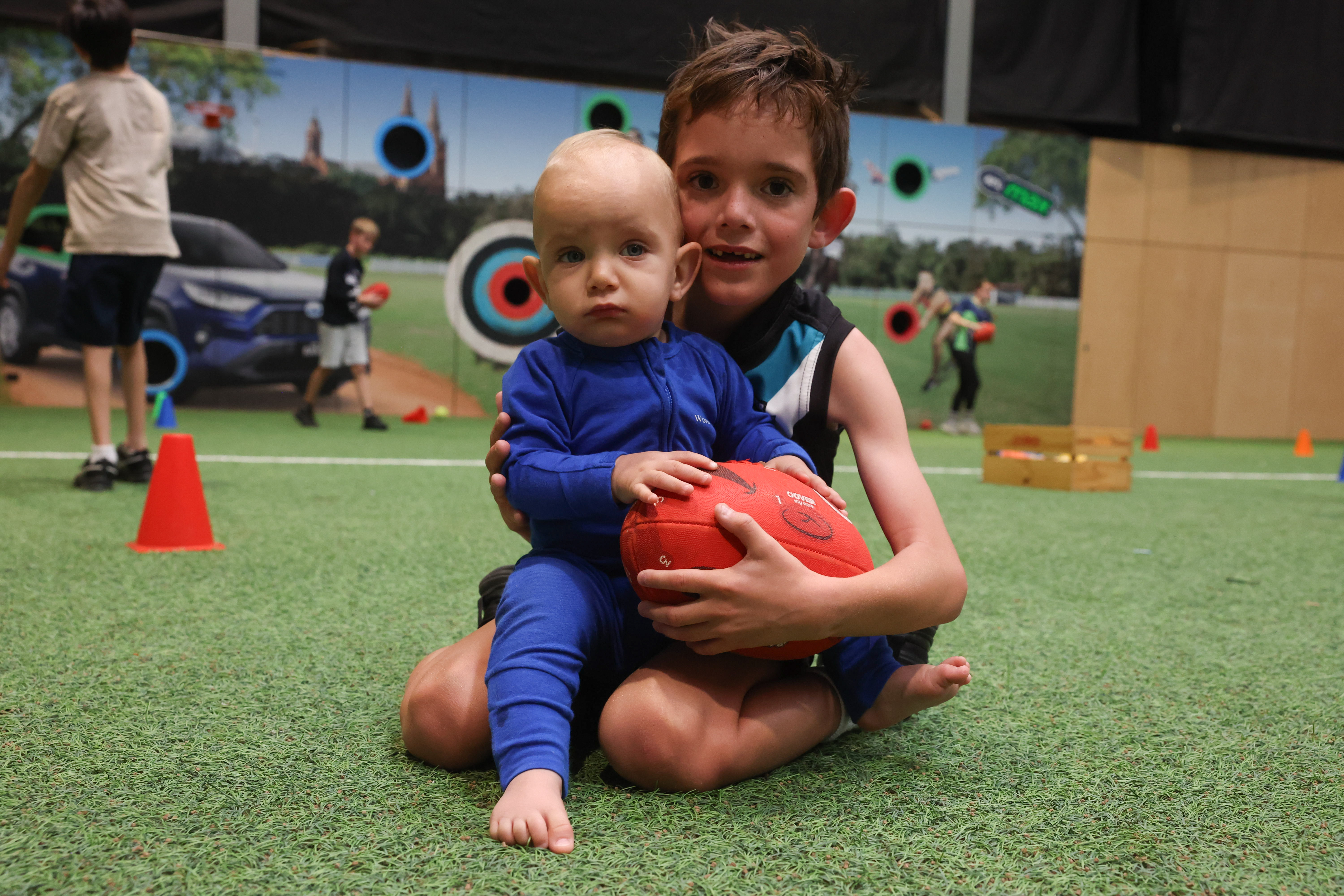
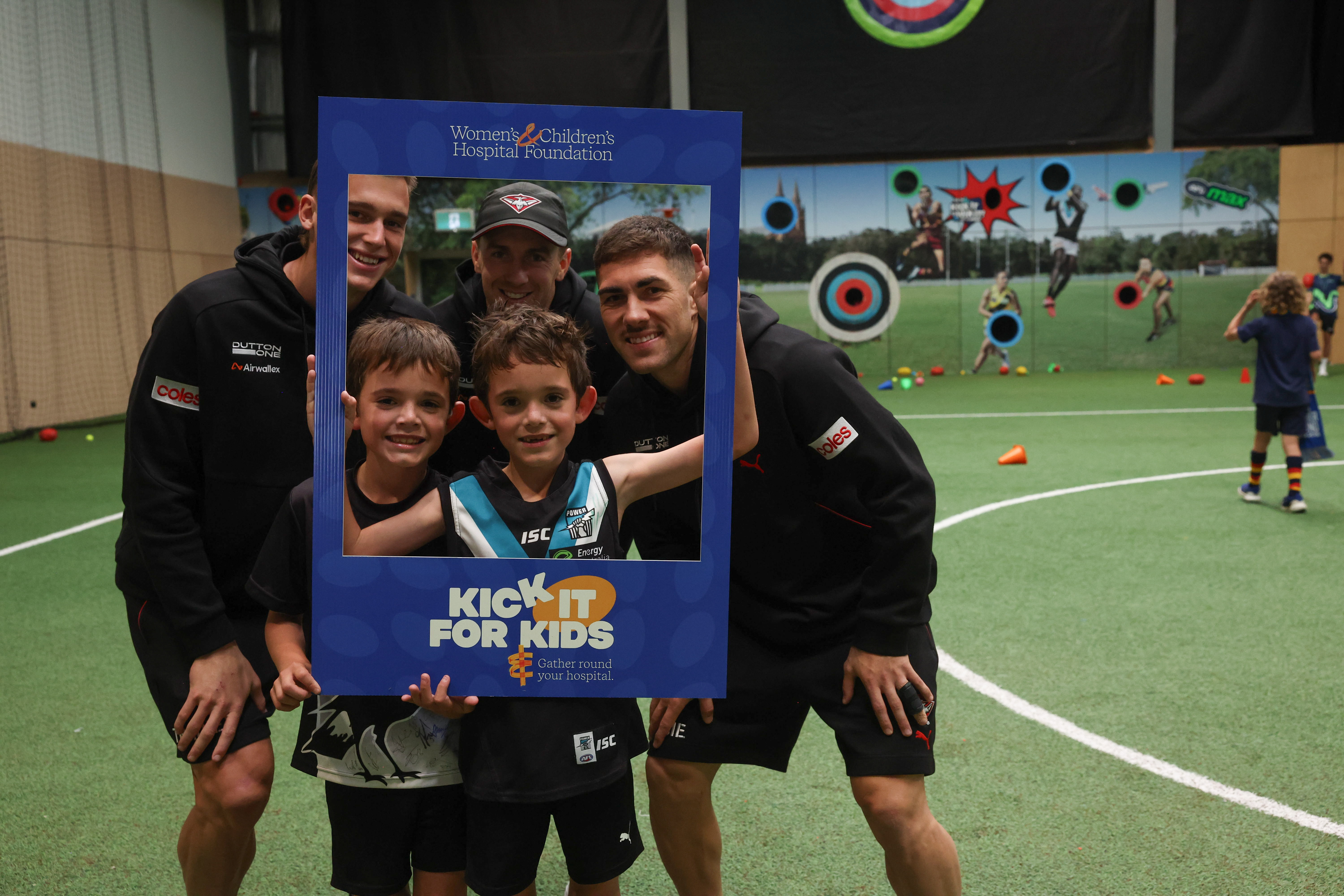
More than $150,000 has been raised through the Women’s & Children’s Hospital Foundation Kick it for Kids campaign as part of the 2026 AFL Gather Round, with the community coming together to support sick children and their families connected to the Women’s and Children’s Hospital.

As the official charity partner for the 2026 AFL Gather Round, the WCH Foundation set out to help sick kids get back to what they love most: their families, their backyards and their footy. This year’s result reflects a broad community effort, with supporters, businesses and families all playing a part.

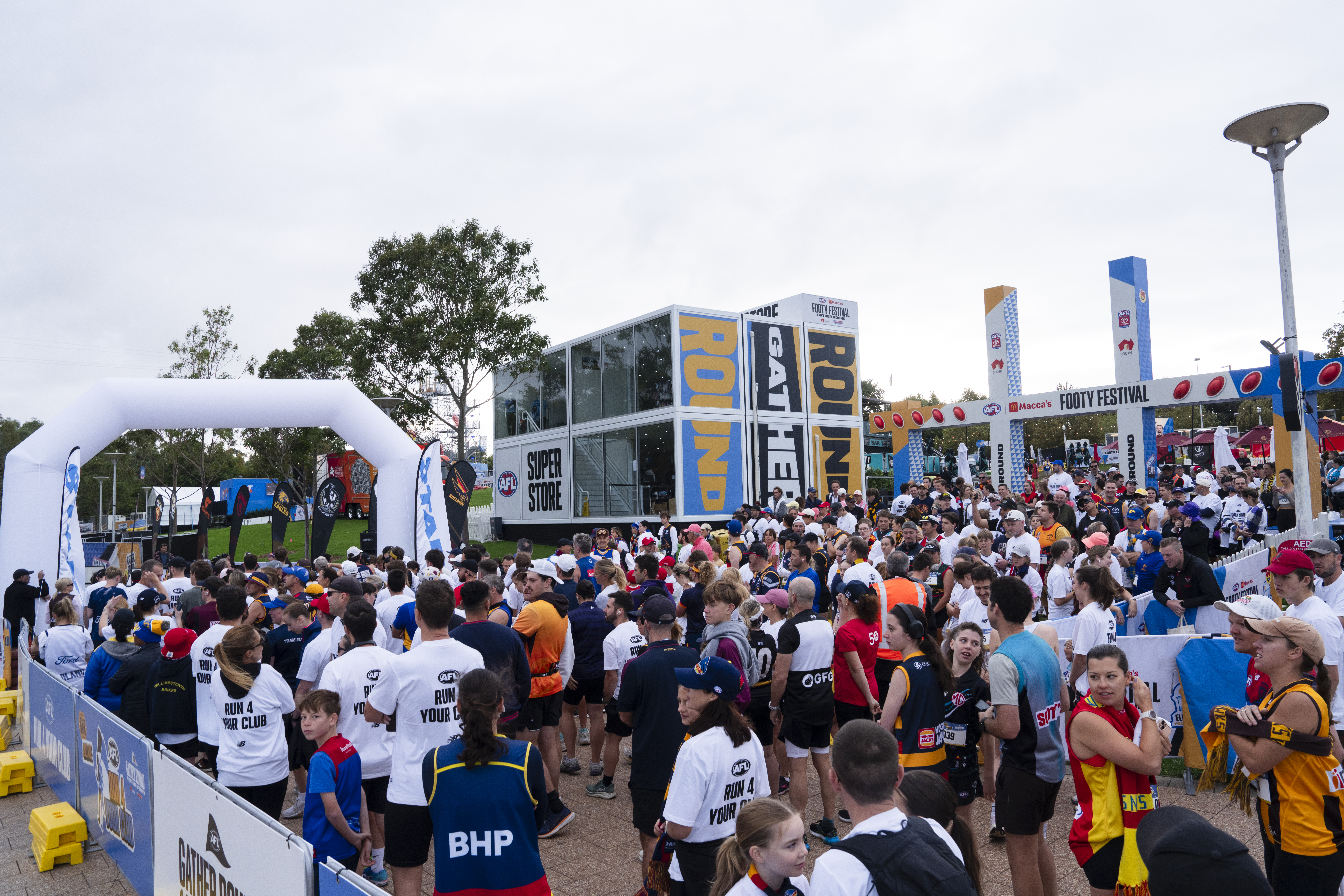
The campaign was brought to life through a range of fundraising and family-focused activities. Local venues took part in a friendly fundraising competition, Run 4 Your Club gave footy fans another way to show their team spirit, and the chill-out zone at the Footy Festival created a welcoming space for children and families during the weekend.

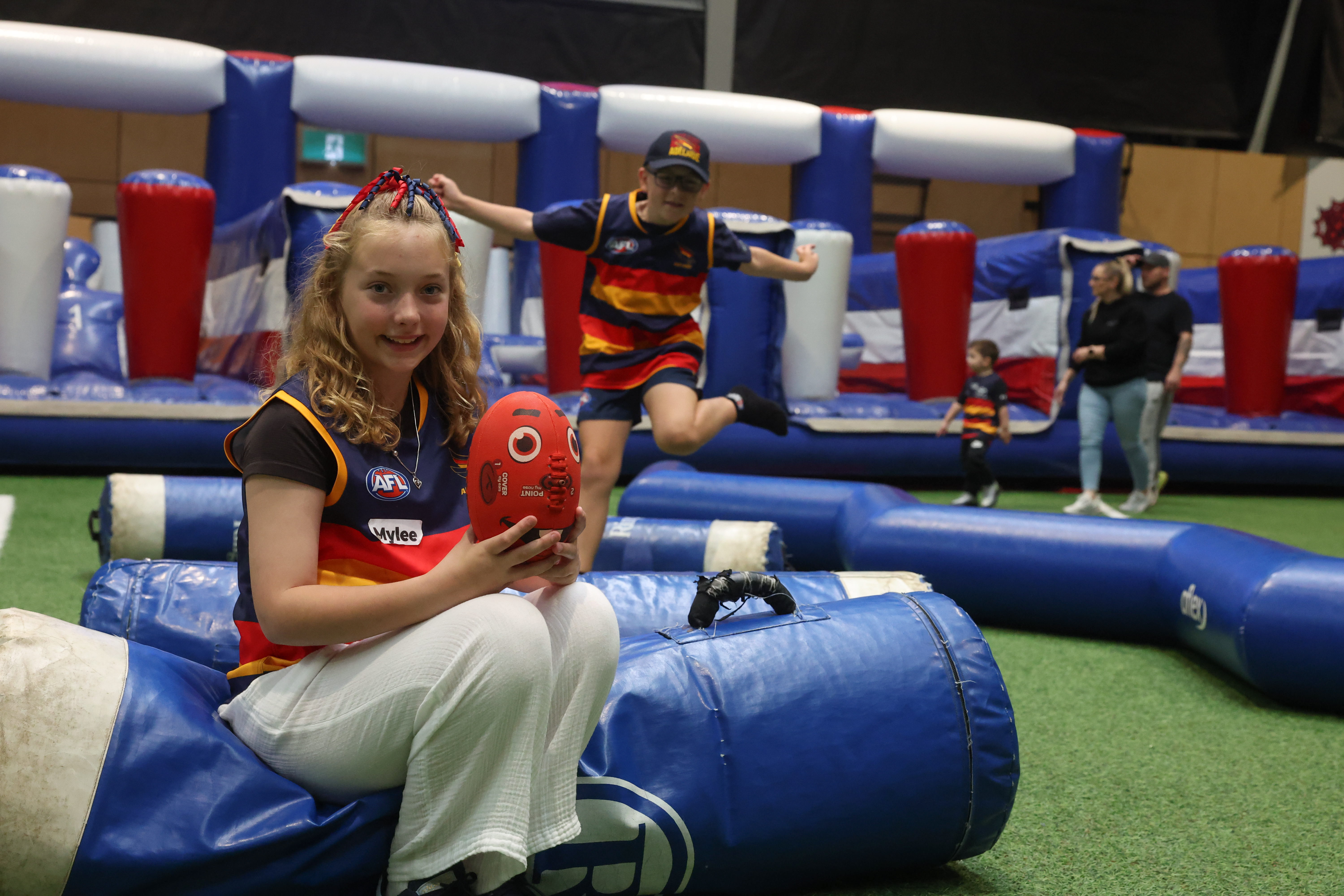
Beyond the fundraising total, the campaign also delivered important moments of connection and joy. Children and families were able to step away from the hospital environment to attend games, meet players and take part in a truly special experience at AFL Max created especially for them.

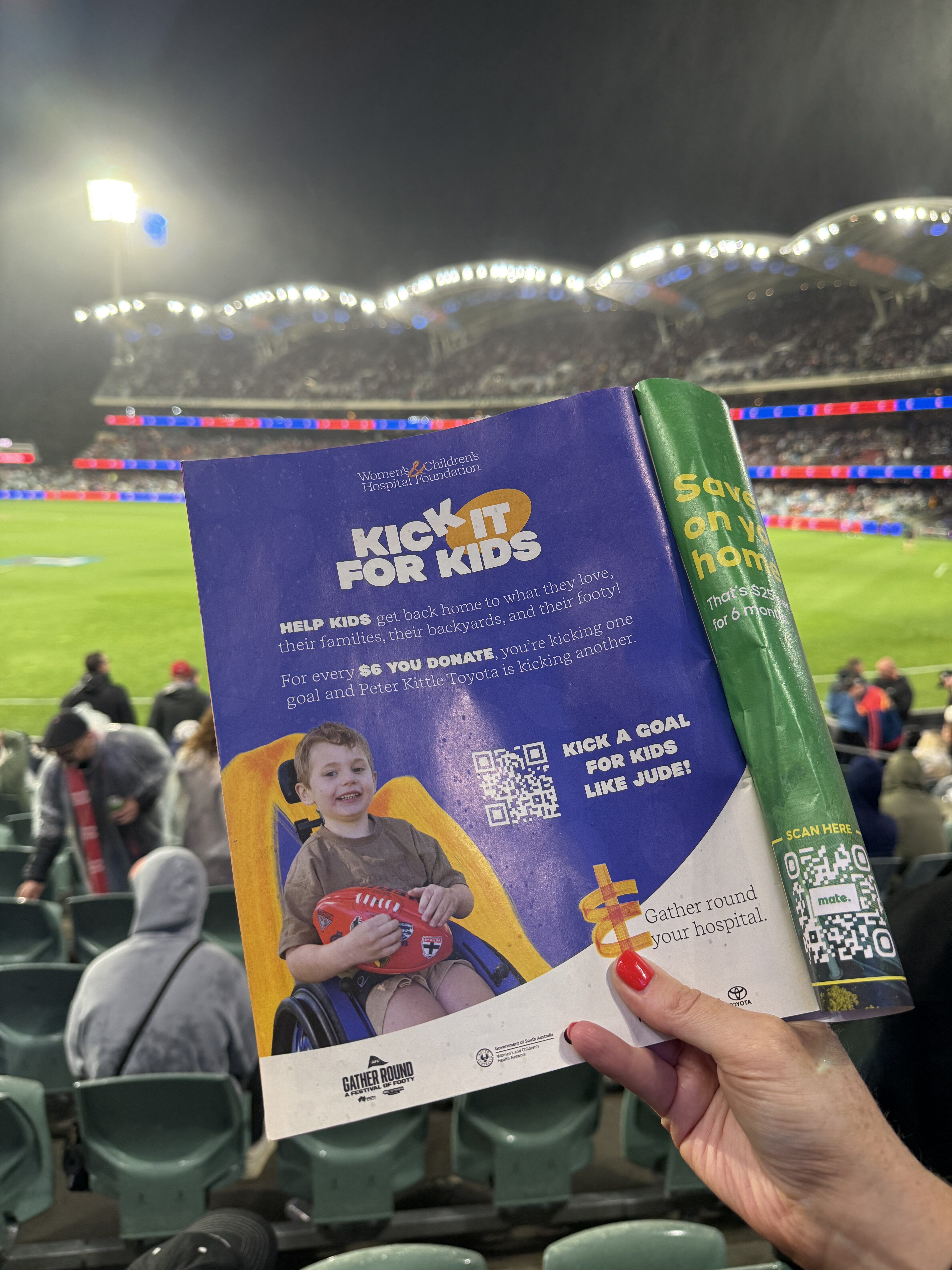
Strong support from partners and the wider community helped drive the result. Peter Kittle Toyota, the campaign’s major dollar-match partner, matched the first $25,000 in donations. Unified Solar Solutions also supported the effort by matching donations up to $5,000.
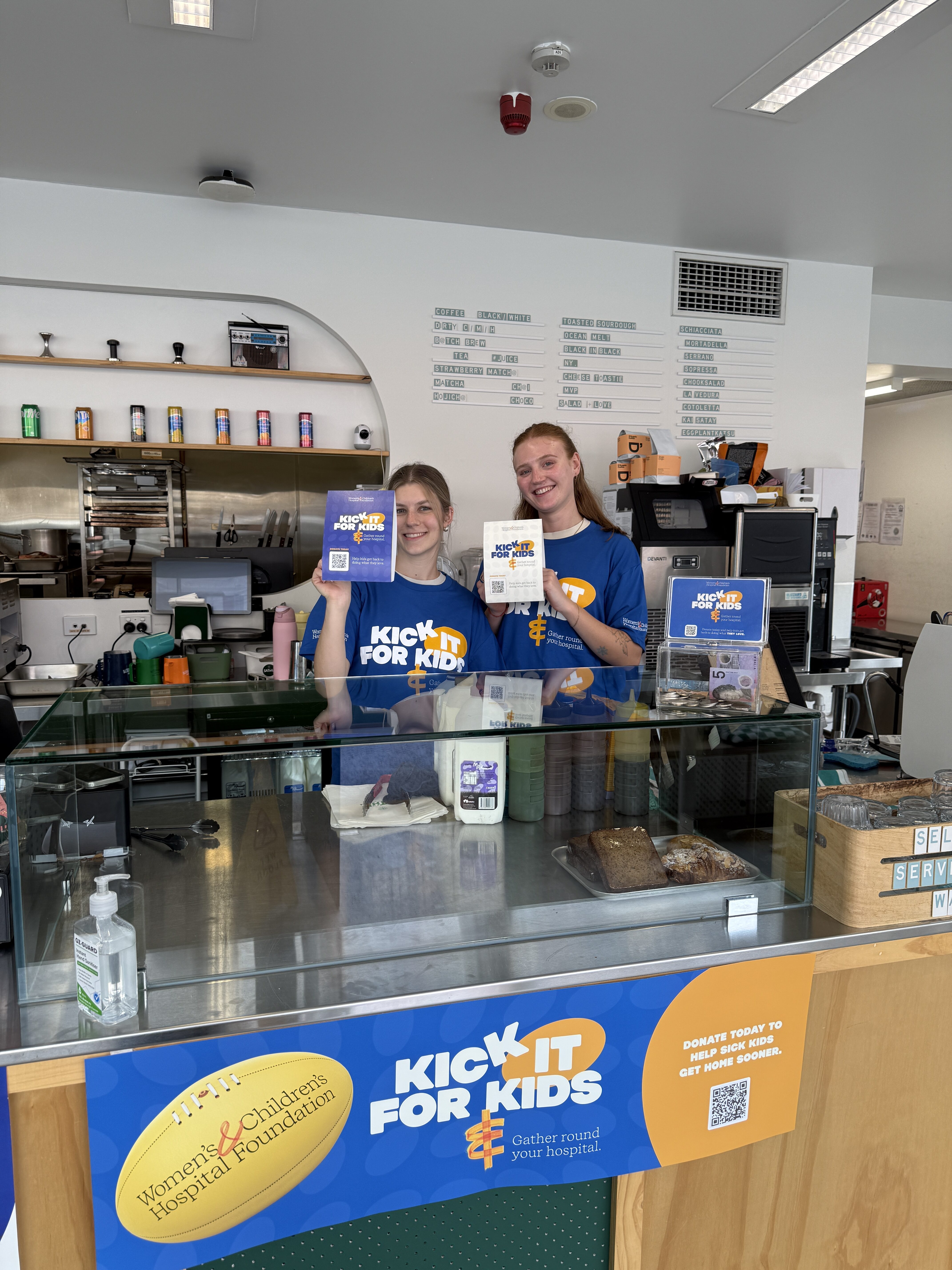
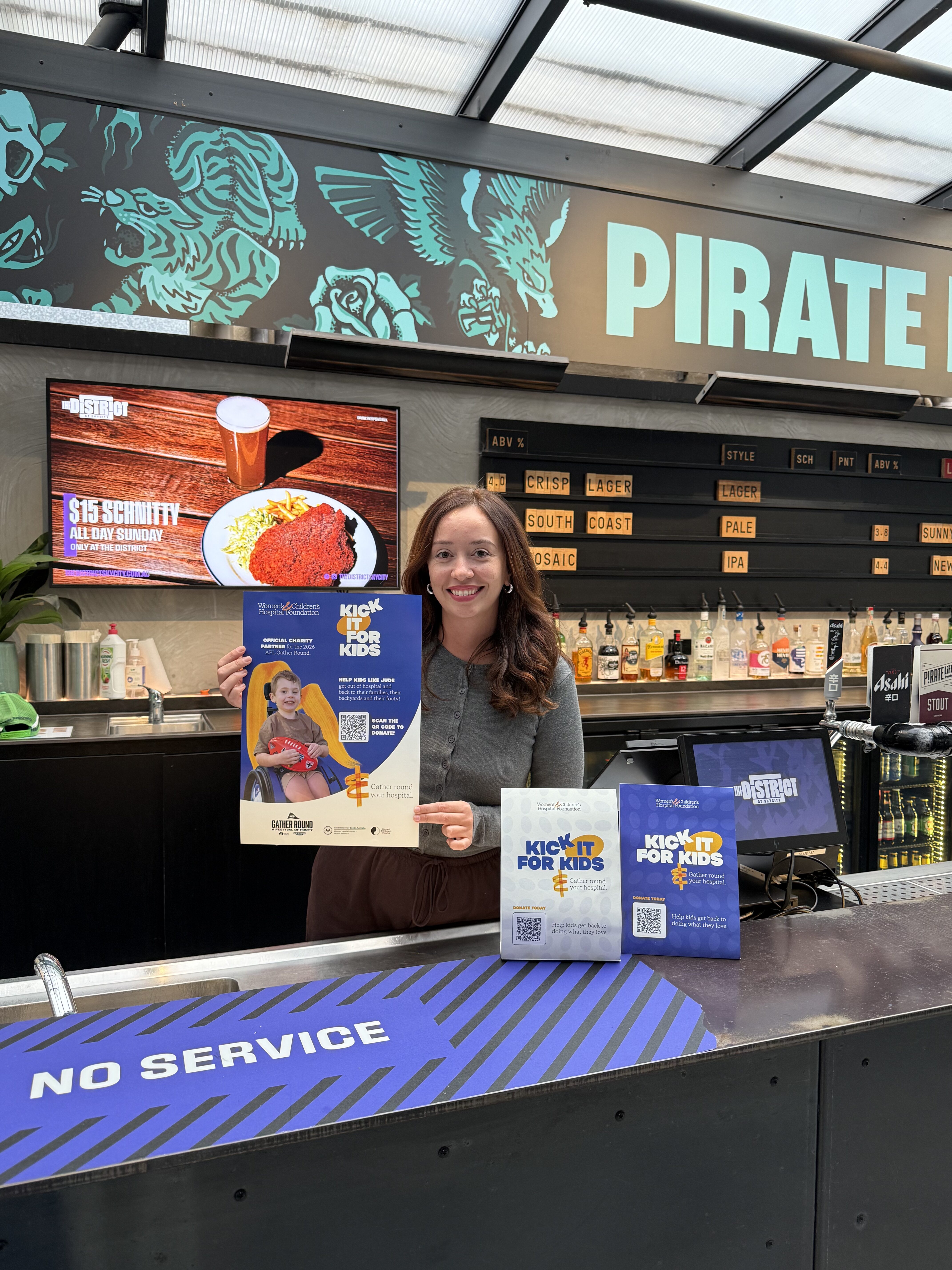
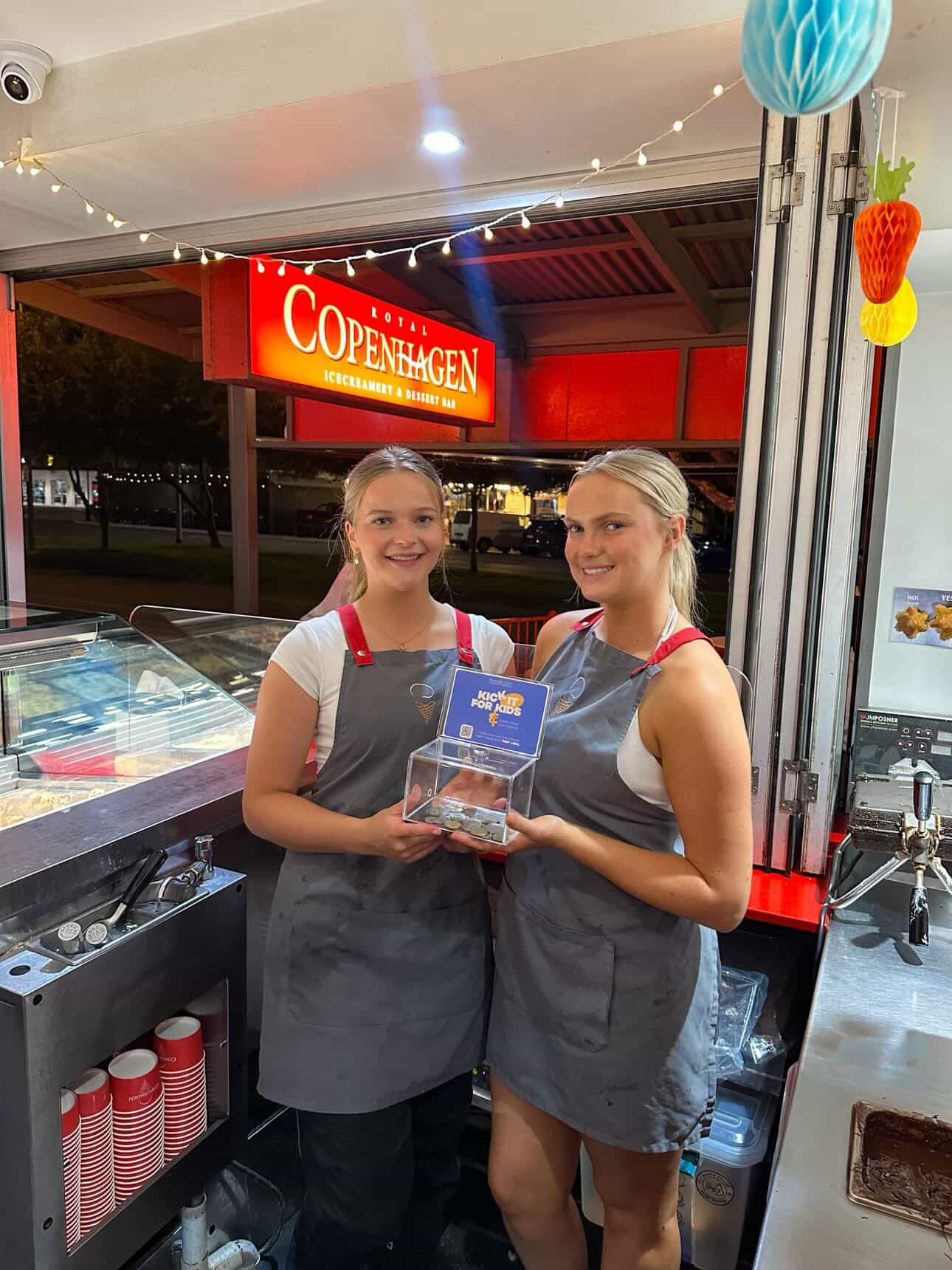
Local pubs and cafes rallied their communities throughout Gather Round, with SATHU Cafe, the Archer Hotel, the Cathedral Hotel, Royal Copenhagen Semaphore, The District at SkyCity, the Seacliff Hotel and The Highway all helping to raise funds and awareness for sick kids and their families. Venues donated proceeds from sales and backed the campaign in creative ways, with one publican even shaving his head to help raise funds for sick kids.

The campaign also drew strength from families willing to share their stories. Jude, Daisy, Tara and Sam helped put a human face to the appeal, reminding supporters why it matters to help children get back to the people and places where they feel strongest and safest.

With more than $150,000 raised, this year’s Gather Round campaign showed what can happen when a community backs families through difficult times. The support generated over the weekend will help deliver care, comfort and meaningful moments for children and families well beyond the final siren.

Alkisty Long was awarded the 2020 Matthew Scriver PICU Nurses Scholarship for her innovative project, The Screening and Follow-Up for Post-Intensive Care Syndrome in Paediatric Patients (PICS-p). While the project’s start was delayed until 2023 due to the COVID-19 pandemic, her work has since significantly advanced understanding of the long-term challenges faced by children following admission to a Paediatric Intensive Care Unit (PICU).

Alkisty’s project aimed to explore existing knowledge, identify at-risk patients, and establish the foundations for a paediatric-specific screening tool and family education resource. Her efforts have brought much-needed attention to Post-Intensive Care Syndrome in Paediatrics (PICS-p), a condition that can affect children physically, cognitively, and emotionally after critical illness.

“Before the follow-up program was established, children who had received Extracorporeal Membrane Oxygenation (ECMO), a life-support treatment that oxygenates the blood outside the body, had no structured support after leaving PICU,” Alkisty explained.

“Families often faced anxiety and uncertainty, unsure what signs to watch for, how to support their child’s recovery, or where to turn if complications arose.”

Through the newly developed ECMO follow-up program, children were assessed for potential post-intensive care complications, and families received tailored guidance and resources. This included education on the physical, cognitive, and emotional changes that can occur after PICU admission, as well as connections to appropriate support services. The proactive approach allowed the clinical team to identify early signs of difficulties and intervene promptly, while families felt reassured and confident in their child’s recovery.

Reflecting on the program’s impact, Alkisty shared a particularly moving moment: “One of the most memorable moments in this project was during a follow-up assessment with a child who had recently been discharged from PICU after ECMO support. The family was clearly anxious, unsure what to expect during recovery, and overwhelmed by the many uncertainties following such a critical illness. As we went through the screening process and discussed the potential signs of PICS-p, I watched the tension gradually ease from their faces. Seeing the immediate difference that personalised support made for the family was incredibly moving. It reinforced the importance of this program and highlighted the real impact structured follow-up can have for families navigating life after PICU.”

Alkisty credited the scholarship’s grant funding for making this work possible.

“The support enabled the creation of a program that addresses a previously unmet need, demonstrating the tangible benefits of targeted funding for high-risk paediatric populations,” she said. “Families now receive the guidance and care they need, ensuring the long-term health and wellbeing of children recovering from the most critical illnesses.”

The Matthew Scriver PICU Nurses Scholarship was established in 2006 in memory of Matthew by his parents. Valued at up to $5,000, the scholarship supports projects undertaken by nurses working in the Women’s and Children’s Hospital PICU. This year, the scholarship has expanded to include allied health professionals, broadening its reach to support even more innovative initiatives. While all project types are eligible, the scholarship strongly encourages projects focused on holistic and psychosocial care for children and their families, particularly those experiencing extended stays in the PICU.

L-R: Past recipients of the Matthew Scriver PICU Nurses Scholarship, Carley Manhire, Alkisty Long, Alyssia Baker and Cathy Lyon.

The Women’s & Children’s Hospital Foundation is incredibly proud to announce that Dr Anya Arthurs has received the prestigious MS McLeod Early Career Research Award. Her groundbreaking research focuses on one of the most heartbreaking experiences a family can face, stillbirth. Through her dedication and compassion, this research is taking vital steps toward keeping more babies safe and giving families the healthy futures they deserve.

Every year, around 2,300 Australian families experience the devastating loss of a baby to stillbirth. In many cases, the cause remains unknown, leaving families without answers.

“Stillbirth is a really traumatic experience, and it’s so important that we find ways to diagnose problems before they happen, especially since there’s been no change in the rate of stillbirth for decades,” Dr Arthurs shared.

One possible reason for this tragic outcome is that the placenta, the essential organ that supplies oxygen and nutrients to a baby during pregnancy, can age too early. When this happens, it stops working properly, which puts the baby at significant risk.

Dr Arthurs and her team have identified an important clue. In some pregnancies, molecules build up in the placenta as it ages, and the body struggles to break them down. Over time, these molecules can damage cells and disrupt normal placental function.

To help address this, Dr Arthurs’ research project will focus on two main areas:

Reflecting on this recognition, she said, “I was just really honoured to have this opportunity. It was an absolute dream come true.”

This vital research is funded through the MS McLeod Research Fund, a memorial fund established to support the advancement of research in paediatrics and child health. The Women’s & Children’s Hospital Foundation proudly manages and administers this fund alongside a dedicated group of Trustees, including prominent South Australian researchers and clinicians.
We are relentless in our pursuit of the best health care and support services for children and their families. By supporting brilliant researchers like Dr Anya Arthurs, we are working hand in hand to make pregnancy safer, prevent stillbirths, and ensure every child and family has every chance.
Within the Neonatal Intensive Care (NIC) at the Women’s and Children’s Hospital (WCH) is a unique and quiet space known as the Mayfly Room.

This space serves as a sanctuary for families experiencing the loss of a baby, offering them a private place to grieve, connect, and create lasting memories.

Over the past year, this special room has provided comfort to 12 families. Designed to be a “home away from home,” its less clinical environment allows families to spend precious time with their little one. Here, they can share moments that will be cherished forever, from creating special artwork to spending quiet nights holding their baby skin-to-skin.

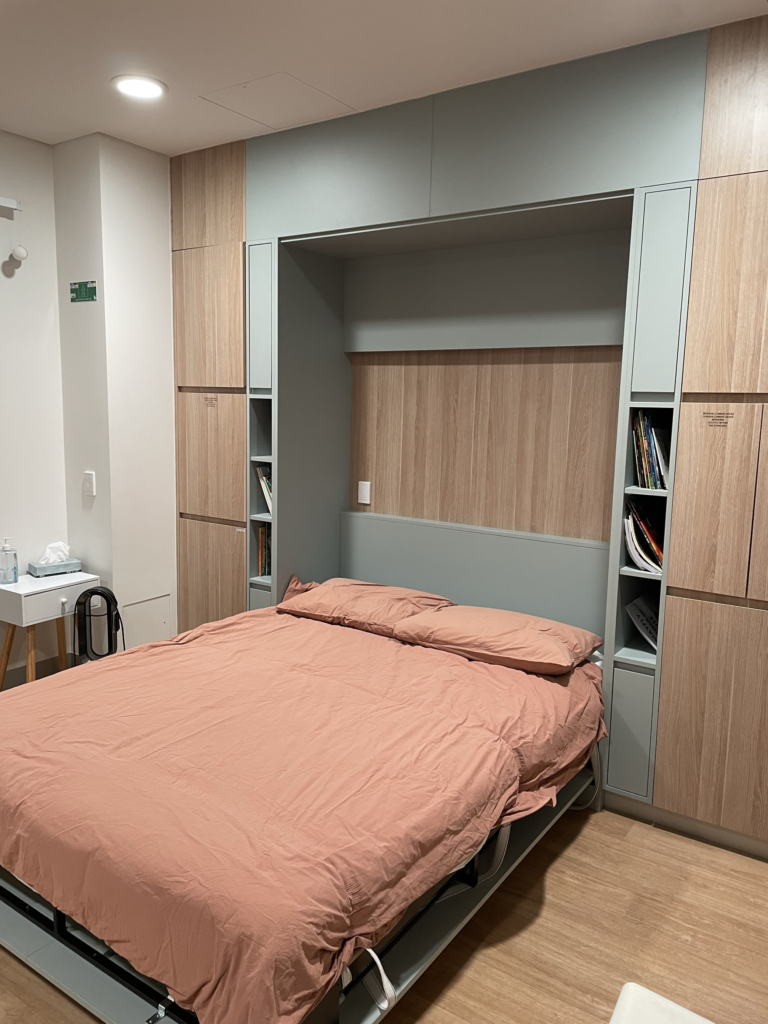
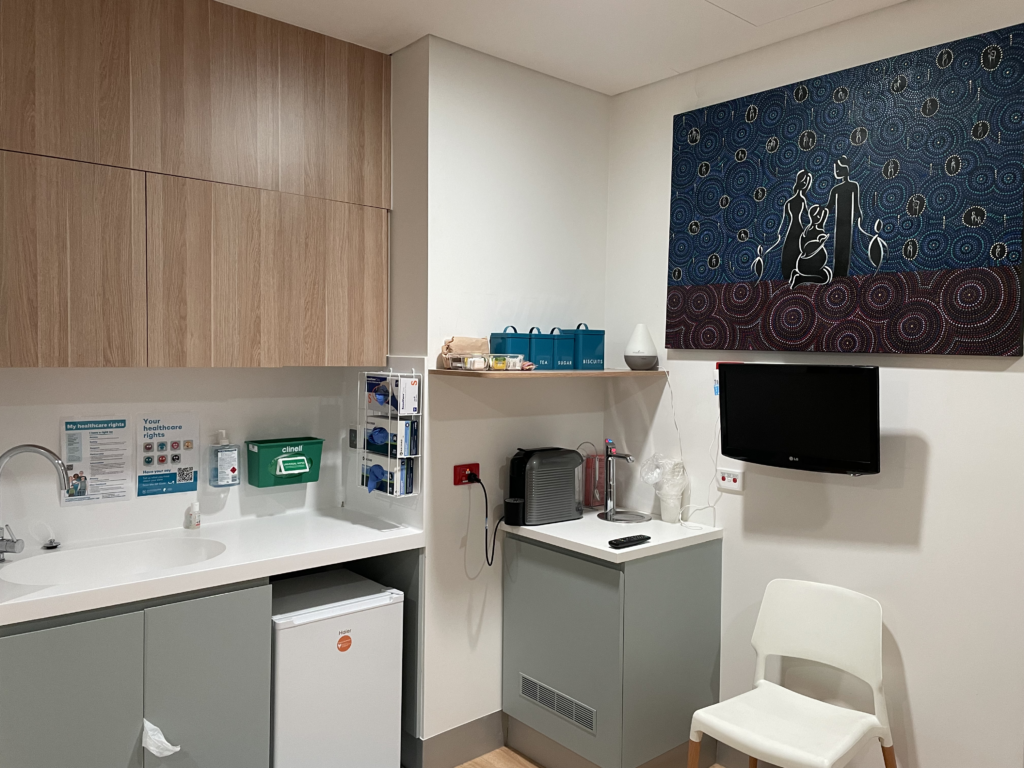
Complete with a bed, private shower, and kitchen facilities, the Mayfly Room is a haven for love, connection, and healing.

Neonatal Services (NNS) nurse Georgina has seen the vital impact of the room firsthand. “This space allows families to process their grief and loss in a much more private and personal way while making a lifetime of memories with their little one,” she shares.

“Many of these families have welcomed loved ones, held blessings or baptisms in private, and created handprint artwork with siblings and their baby.”

Its creation was inspired by the compassion and vision of Rebecca May, a dedicated NNS nurse who recognised the need for a comfortable, private space for families facing loss. With the support of our generous community, we were able to bring the Mayfly Room to life, providing families with a place to create memories and find comfort.

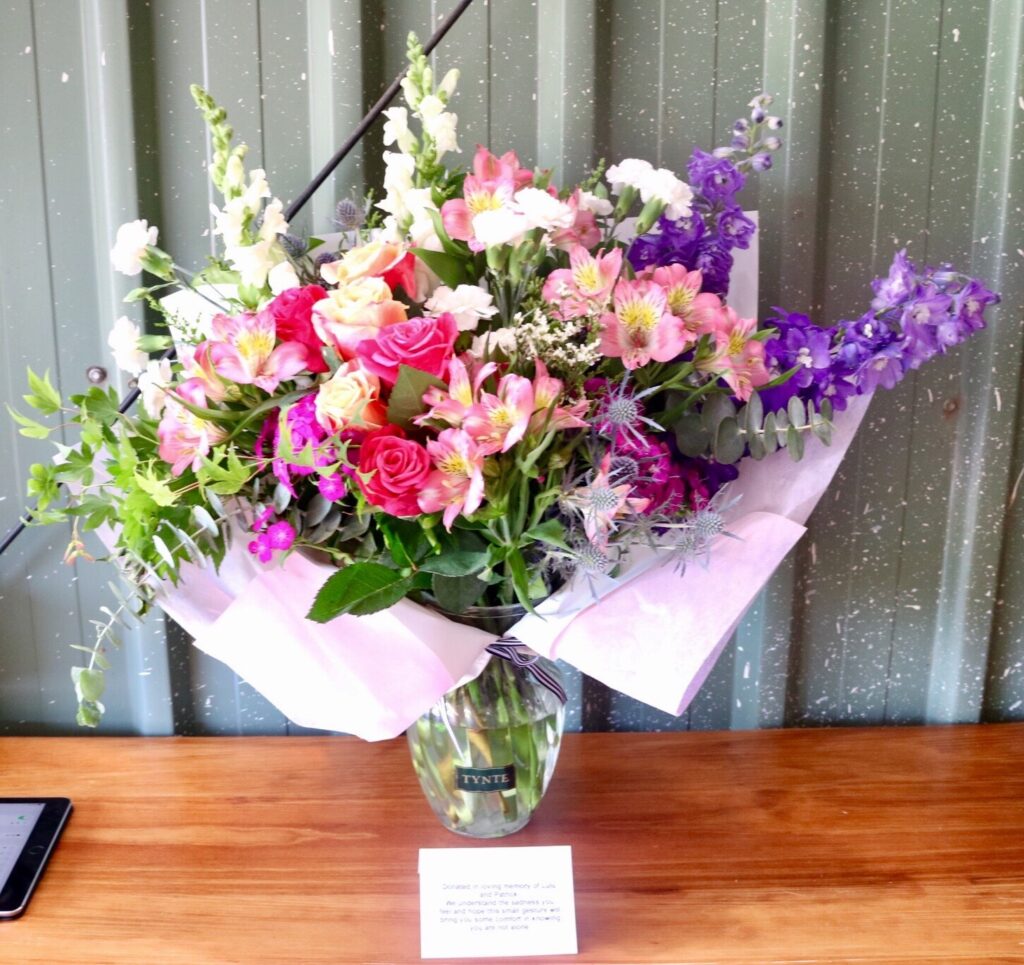
When the Mayfly room is in use, the Women’s & Children’s Hospital Foundation, with support from Paddy and Lulu’s Gift, assists families through the provision of meals, as well as flowers and items to assist with memory making. These gestures of care help to bring a small measure of light to families during their darkest days.

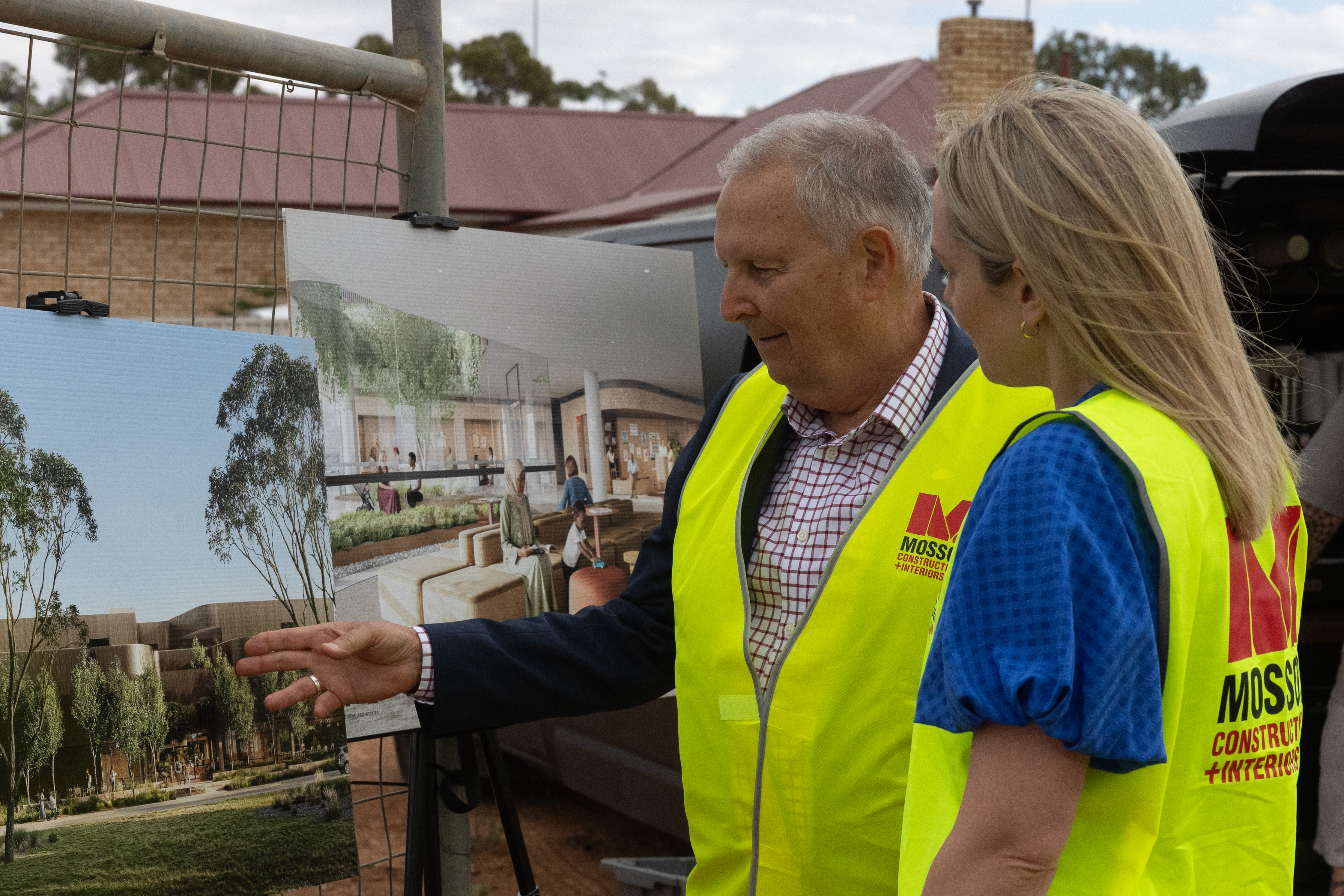
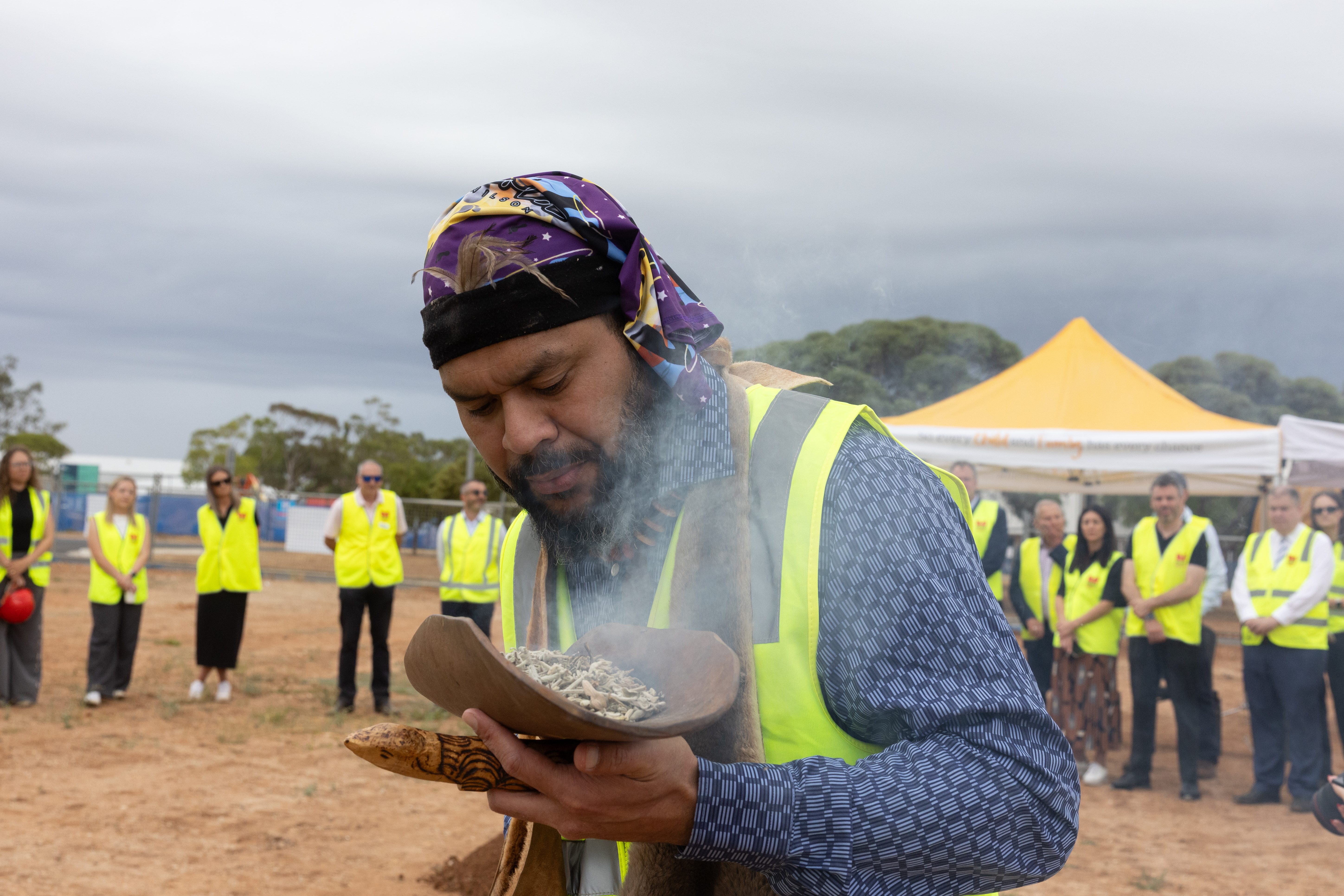
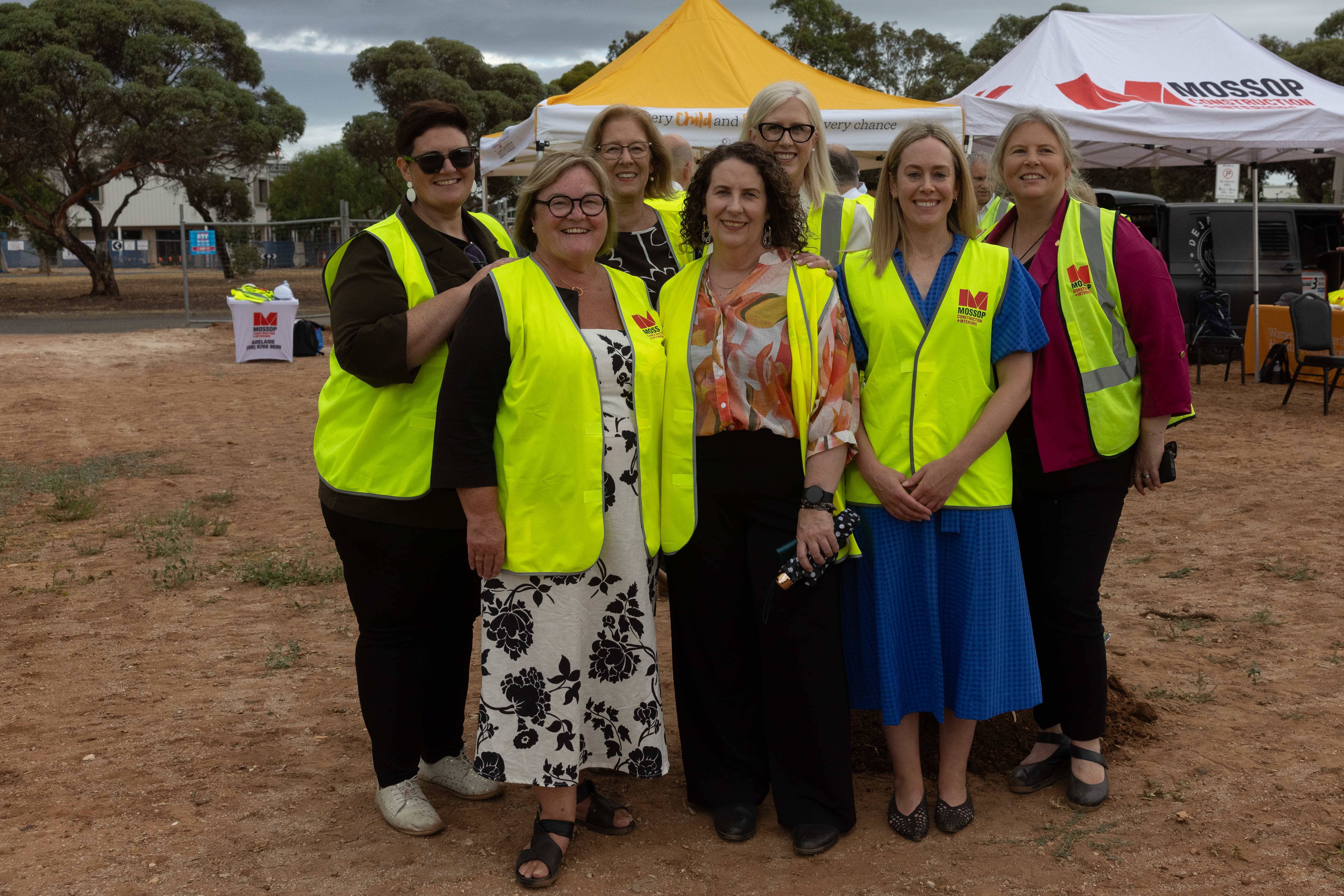
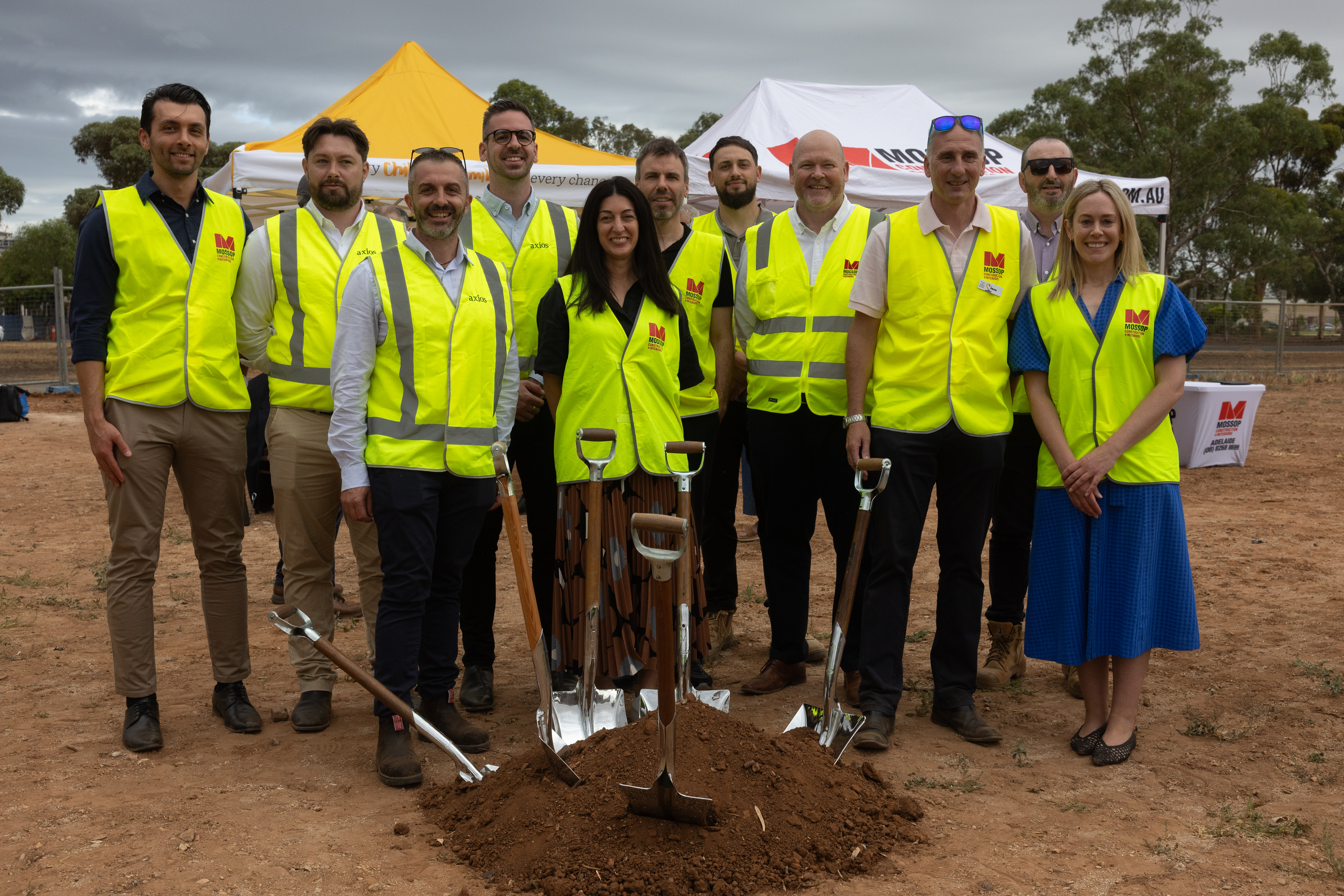
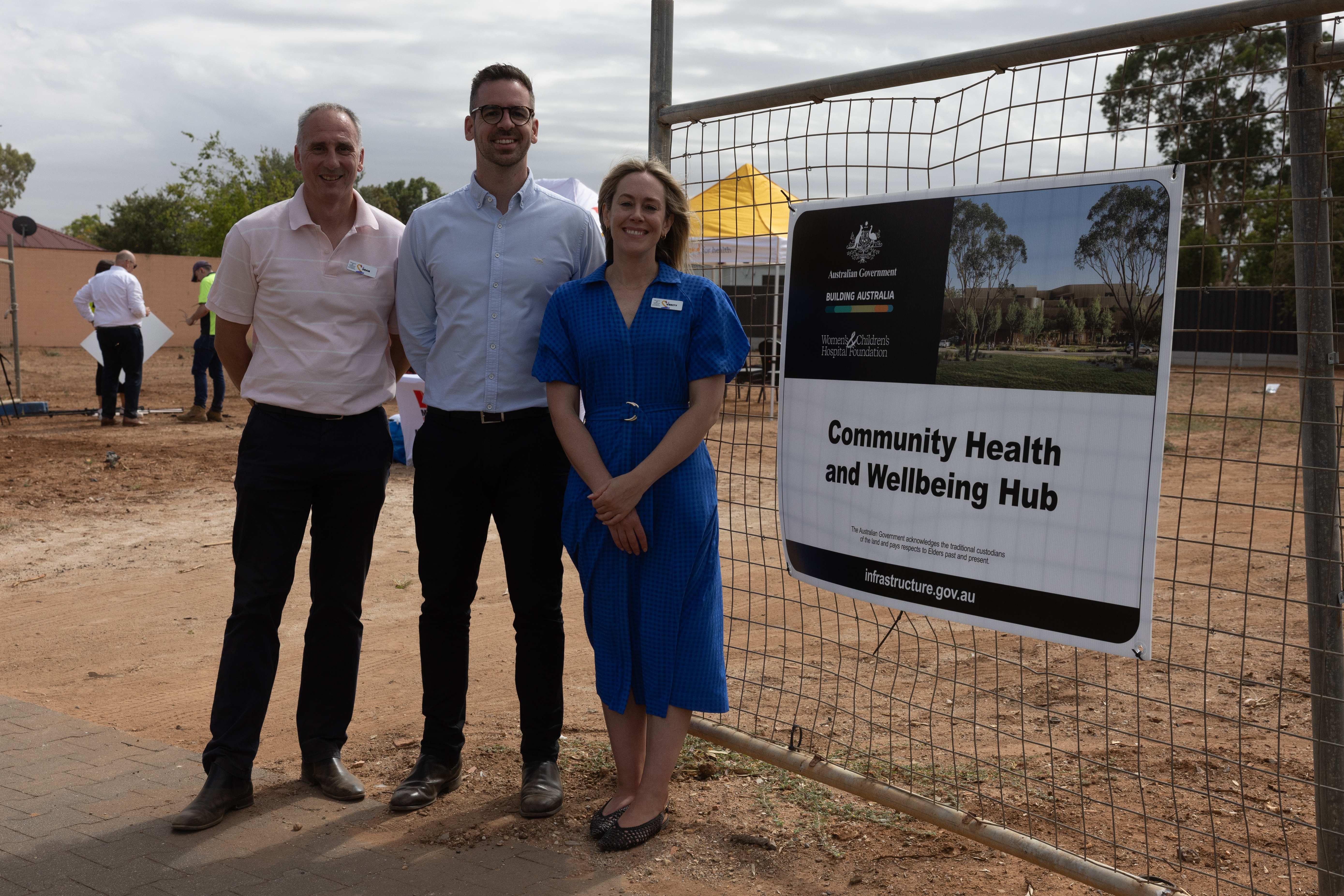
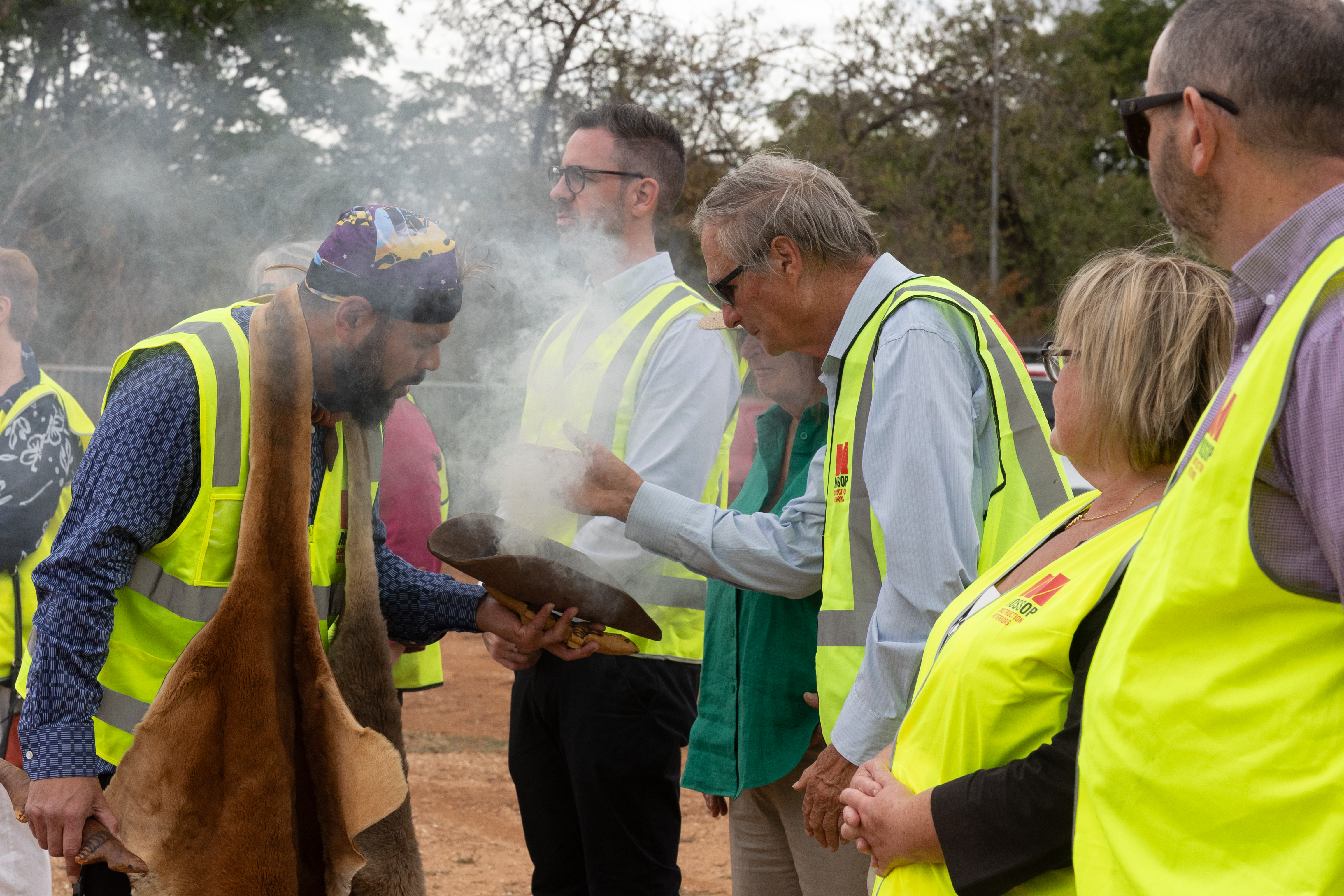
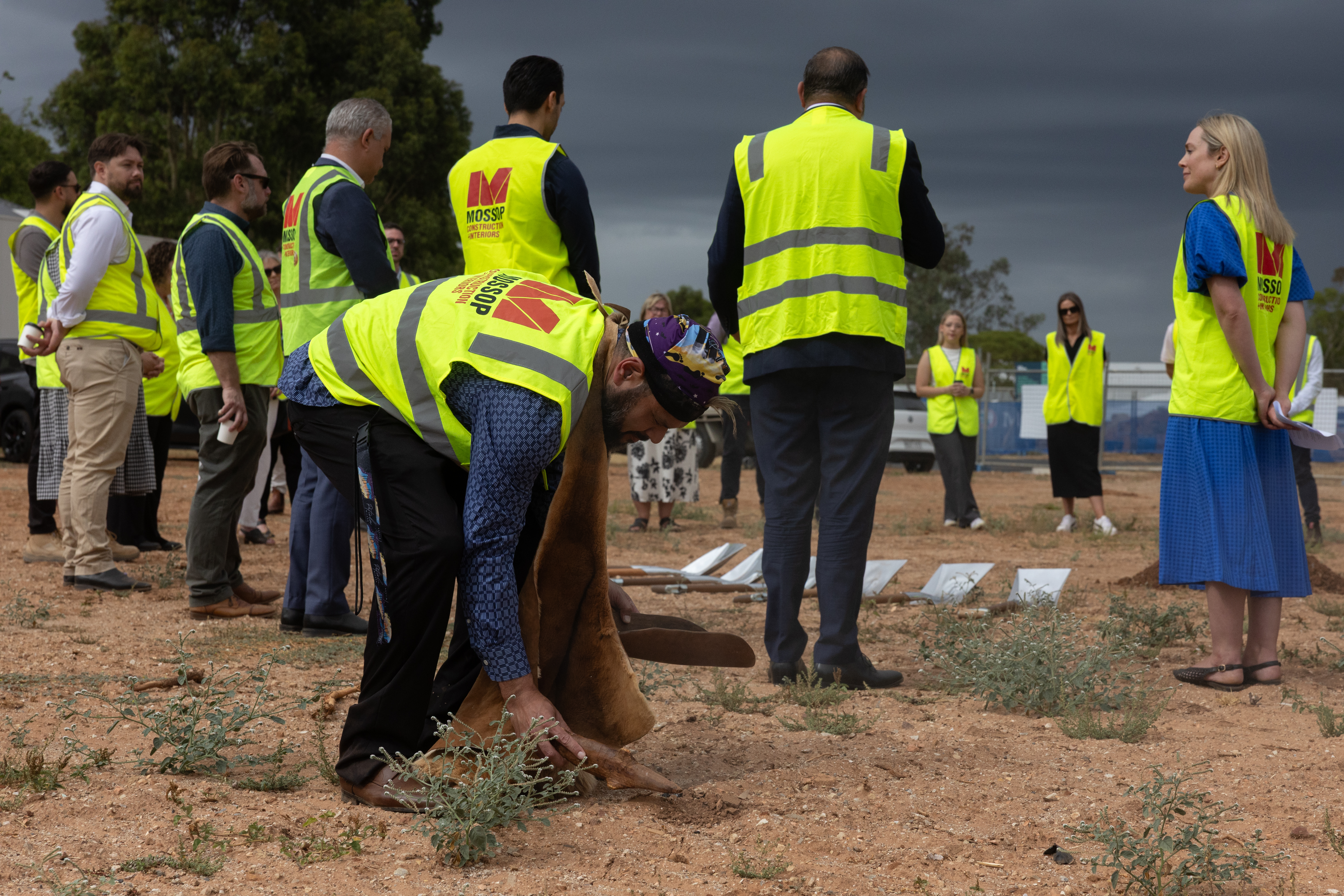
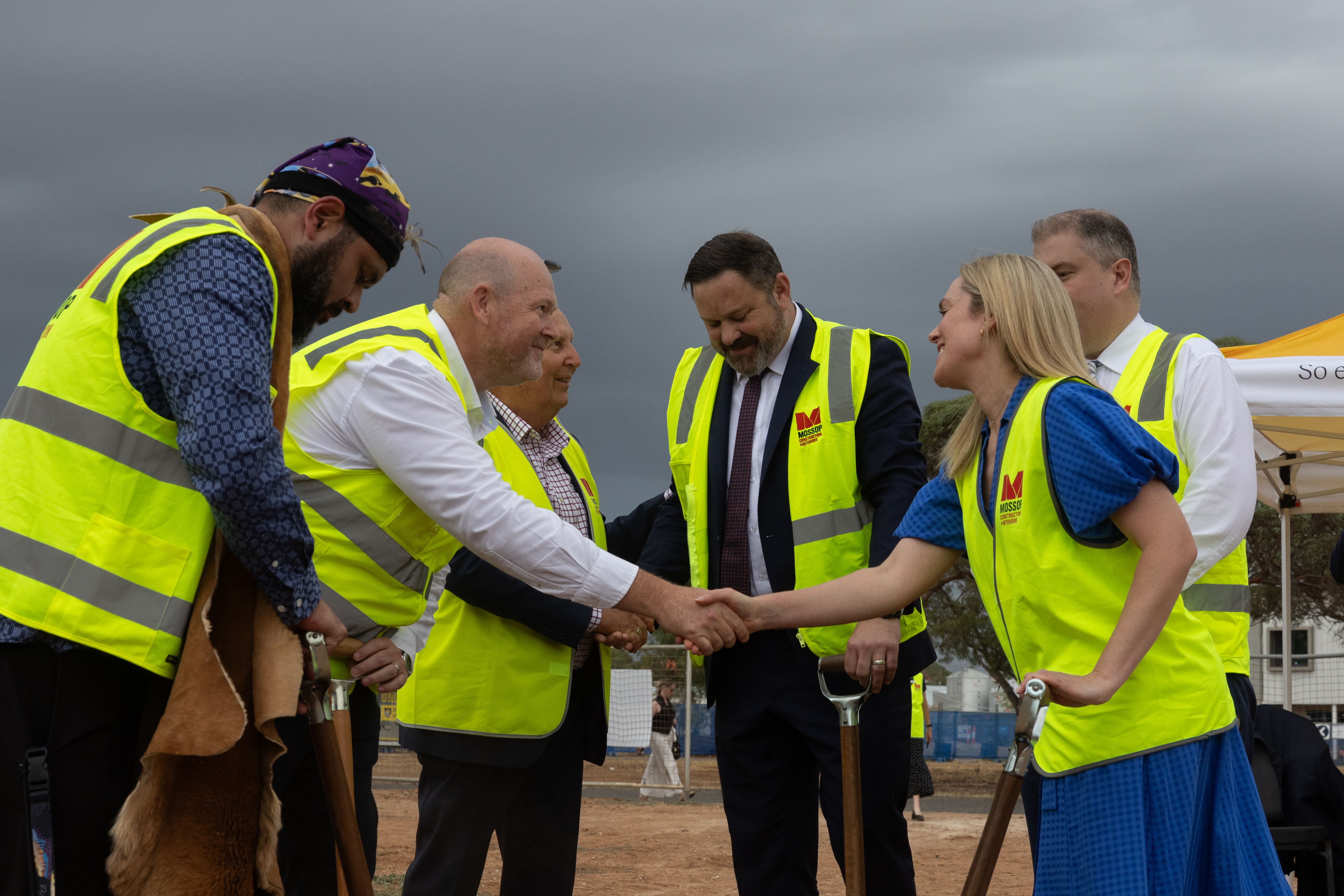
The Women’s & Children’s Hospital Foundation (WCH Foundation) has celebrated an exciting milestone, the start of construction for a new Community Health and Wellbeing Hub in Elizabeth Vale, marked with a Breaking of the Sod ceremony on 17 February 2026.

Construction is being led by Mossop Construction + Interiors, with the Hub expected to open mid-2027. Located adjacent to the Lyell McEwin Hospital, this vibrant facility will bring families, children, and community organisations together, providing access to vital health services closer to home and fostering connection across the community.

With $26 million in funding from the Australian Government’s Urban Precincts and Partnerships Program (uPPP), the Hub is set to transform the way families access health and wellbeing services in Adelaide’s northern suburbs. The uPPP supports projects that unite communities, grow local economies, and bring essential services closer to those who need them most.

“The Hub has the potential to make a profound difference to a region experiencing entrenched disadvantage. We are excited to be one step closer to bringing to life our vision of a vibrant, village-based approach to health and wellbeing to the community,” said Verity Gobbett, CEO WCH Foundation.

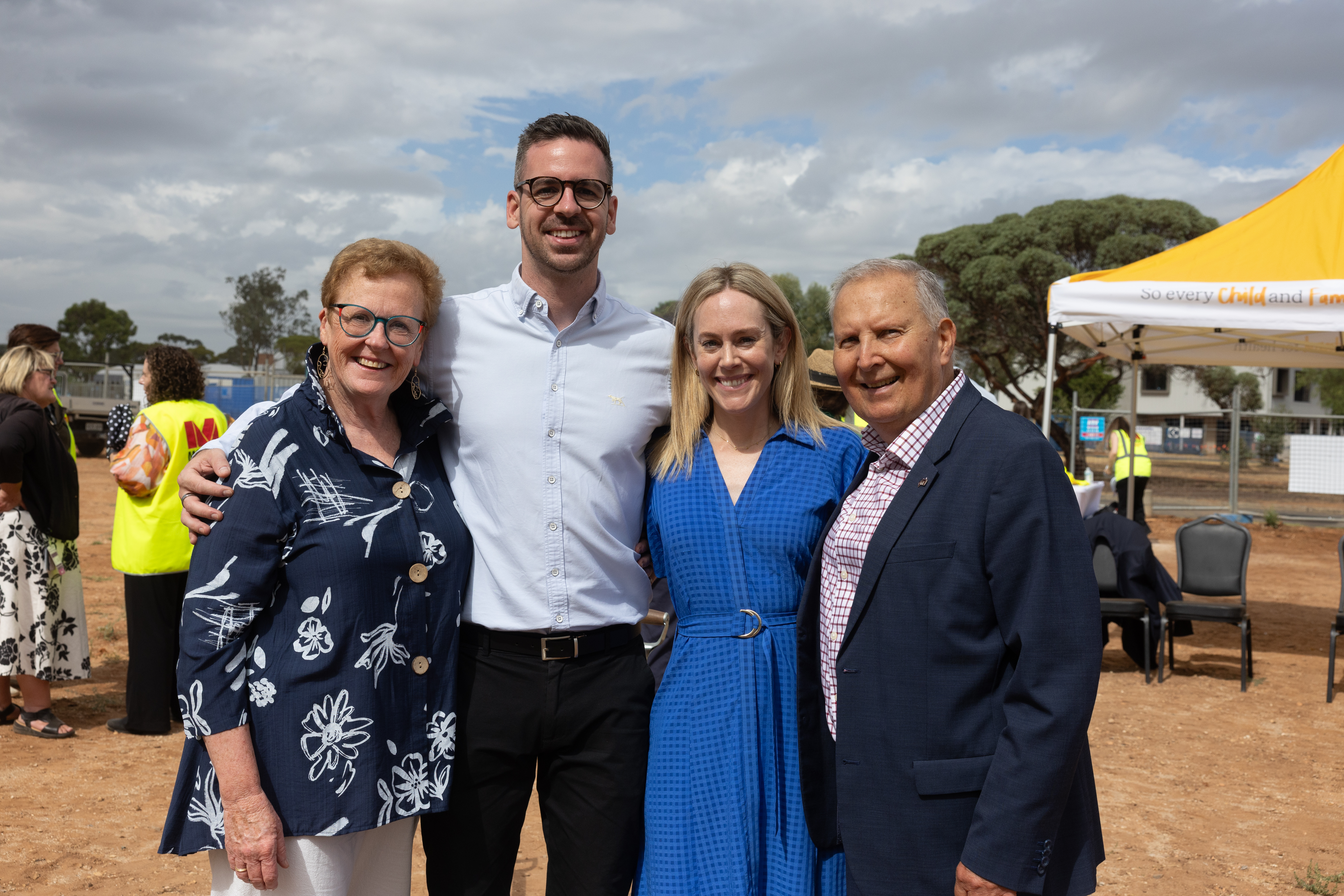
Representatives from WCH Foundation, Women’s and Children’s Health Network (WCHN), City of Playford, NAHLN, Flinders University, and the federal government attended the Breaking of the Sod ceremony to celebrate the start of this transformative project.

This Hub isn’t just a building. It’s a place where families, neighbours, and organisations can come together to learn, connect, and thrive. It’s a bright step forward for the North, and for the many children and families who will benefit for years to come.

For Susannah and her family, time away together isn’t easy to come by, making their recent Laklinyeri Beach House stay all the more special.

Susannah lives with multiple complex health challenges, including Spina Bifida, hydrocephalus, and severe scoliosis that affects her lung function. She requires full-time care, using a manual wheelchair and specialised equipment to support her daily needs. Their recent Beach House stay offered a rare opportunity to slow down, reconnect, and enjoy being together as a family.

“We’re so grateful to have had the opportunity to spend time here with family and close friends, especially to share this special time with the grandparents who’ve supported us so much over the years,” shared Susannah’s mum, Kylie.

From the moment they arrived, every detail helped create a sense of welcome and calm. A thoughtfully prepared welcome basket and quiet moments in a peaceful, home-like space allowed the family to slow down and simply enjoy each other’s company. “It’s amazing to come to a place where it’s all just there,” said Kylie.

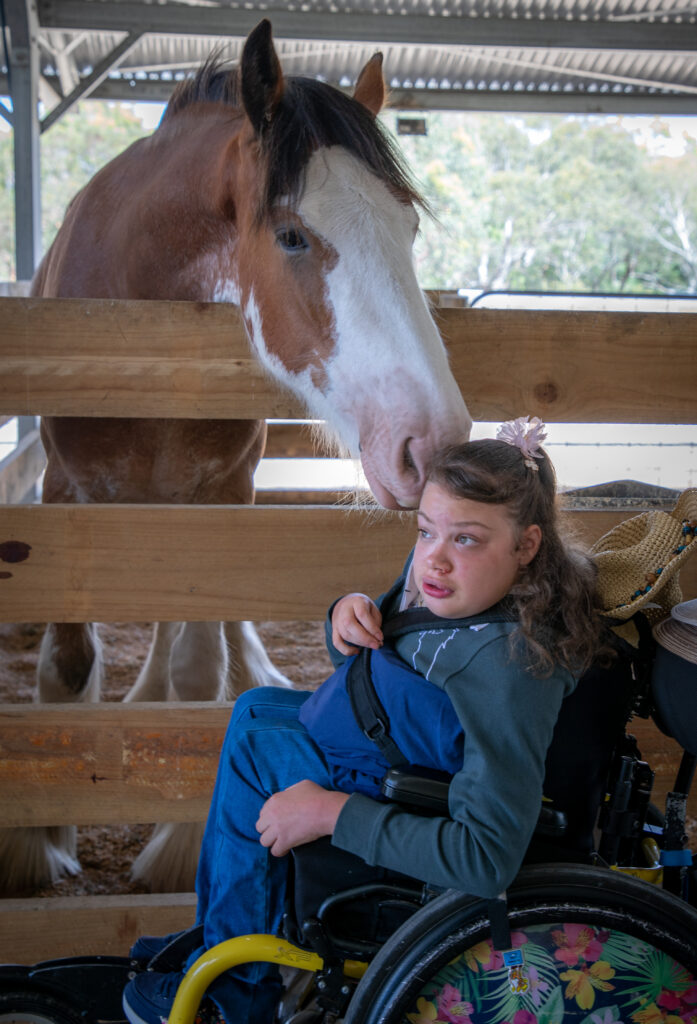
A highlight of the stay was a behind-the-scenes visit to the Horse Drawn Tram Stables. “Susannah absolutely loved the Beach House, and the stables were a highlight! She was thrilled to get up close to the horses,” says Kylie.

Susannah at the stables of the Horse Drawn Tram in Victor.

Beyond rest and fun, the stay also offered practical benefits. During their visit, the family had the opportunity to trial equipment, including a ceiling hoist and sling lifter, giving them valuable insight and confidence as they plan for Susannah’s future care needs.

“We’re so thankful. There’s no way we could have afforded this experience without the Foundation’s support,” they shared.

For families managing complex medical care every day, time away isn’t just a holiday it’s a chance to reset, reconnect, and create joyful memories together in a safe and supportive environment.

Our Beach House program is made possible through the generosity of our supporters, including the HAS Foundation who help enhance Beach House stays with special family outings and experiences.

As the rush of the holiday season settles and the New Year begins, many of us take a quiet moment to reflect on the past and look forward to the future. It’s a time for setting goals, embracing fresh starts, and considering the legacy we wish to leave behind.

Writing a Will provides peace of mind, knowing that your wishes will be honoured. It is also an opportunity to make a lasting impact through a bequest. Leaving a gift in your Will to the WCH Foundation is a powerful way to ensure that future generations of South Australian women, children, and families continue to receive the best possible health care and support.

For some of our supporters, this decision comes from a lifetime of connection to the Women’s and Children’s Hospital. Doris Henderson (née Findlay) is one such supporter whose journey with the hospital began more than five decades ago as a nurse trainee.

“It was very rewarding, and I felt very privileged to be there,” Doris explains.

“My time as a nurse at the Women’s and Children’s Hospital has ingrained it in my heart as a place I want to support.”

Today, Doris continues that support not on the wards, but as a dedicated member of the WCH Foundation Golden Hearts Bequest Society. Having witnessed the hospital’s evolution and the vital work of the WCH Foundation firsthand, she is passionate about contributing to programs that enhance patient care.

She holds a special interest in the Arts in Health program, particularly the Animal Assisted Therapy program, which brings pets onto the wards to comfort patients and encourage movement. Her support also extends to the WCH Foundation Beach House at Victor Harbor, a holiday home designed for families with children requiring complex care.

“Having seen evidence of the amazing work of the Foundation, I am very happy to assist this group of dedicated workers,” Doris says.

By leaving a bequest, Doris ensures that the care and compassion she embodied as a nurse will continue to support families long into the future.

If you would like to learn more about leaving a bequest to the WCH Foundation, please visit our Gift in Wills page here or contact us.

Sign up for our latest news

"*" indicates required fields

This field is for validation purposes and should be left unchanged.

Name *

Name*

Email *

Email*