Patients at the Women’s and Children’s Hospital (WCH) were over the moon to meet some of their sporting heroes when team members from the Adelaide 36ers came to visit.

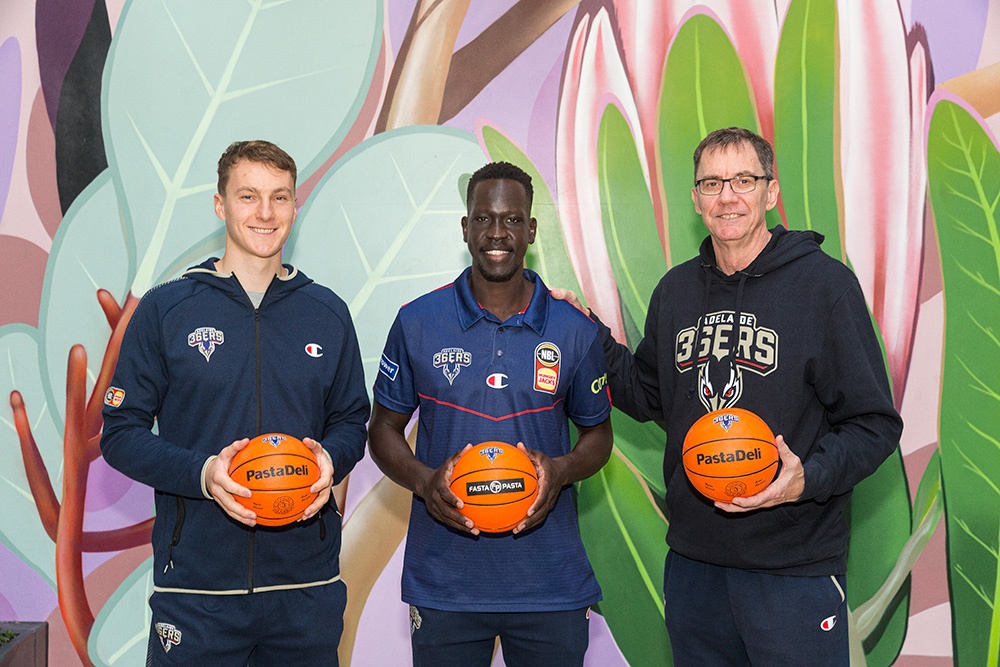
Thanks to Adelaide 36ers sponsors and WCH Foundation corporate partners, Fasta Pasta and Pasta Deli, teammates Sunday Dech, Keanu Pinder and Alex Mudronja, along with Head Coach Conner Henry, popped in to lift the spirits of their young fans on ward.

Left to right: Alex Mudronja, Sunday Dech, and Head Coach Conner Henry at the Women’s and Children’s Hospital.

Massimo’s injury

The Sunday before the 36er’s visit, an AFL injury left 14-year-old Massimo with a black and swollen eye that continued to worsen throughout the afternoon. The young sports fanatic was taken to the WCH via ambulance and admitted to the Paediatric Intensive Care Unit (PICU).

In the days following it was discovered that Massimo had a skull fracture at the roof of his eye socket which caused a lesion and internal bleeding, putting pressure on his brain. By Tuesday night, Massimo was taken in for neurosurgery.

Massimo’s mum, Antonietta, teared up while recalling the stressful event.

“His doctor came out and said it all went well though and was really happy with him. He woke up and was fine.”

The brave teen didn’t seem as phased as his mum though.

“I was probably more worried about not being able to play sport,” Massimo said.

His doctor’s recommendation to not participate in any sport for a whole 12 months post-surgery was the toughest pill to swallow for the teenager whose life revolves around game days.

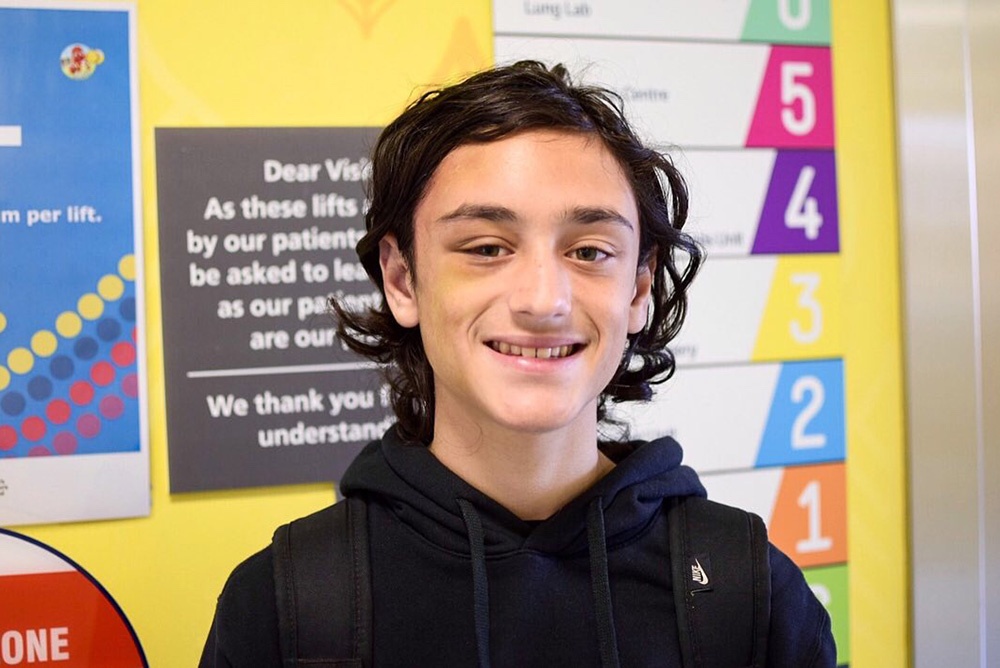
Massimo in the Women's and Children's Hospital.

Massimo in the Women’s and Children’s Hospital.

Adelaide 36ers Hospital visit

The Friday after Massimo’s injury he and a group of other patients recovering in Kate Hill Ward were paid a visit by the 36ers teammates.

The visit was made possible by the WCH Foundation’s corporate partners, Fasta Pasta and Pasta Deli, who wanted to give families at the WCH a bit of excitement and distraction by getting the team they sponsor onto the wards to meet their littlest fans.

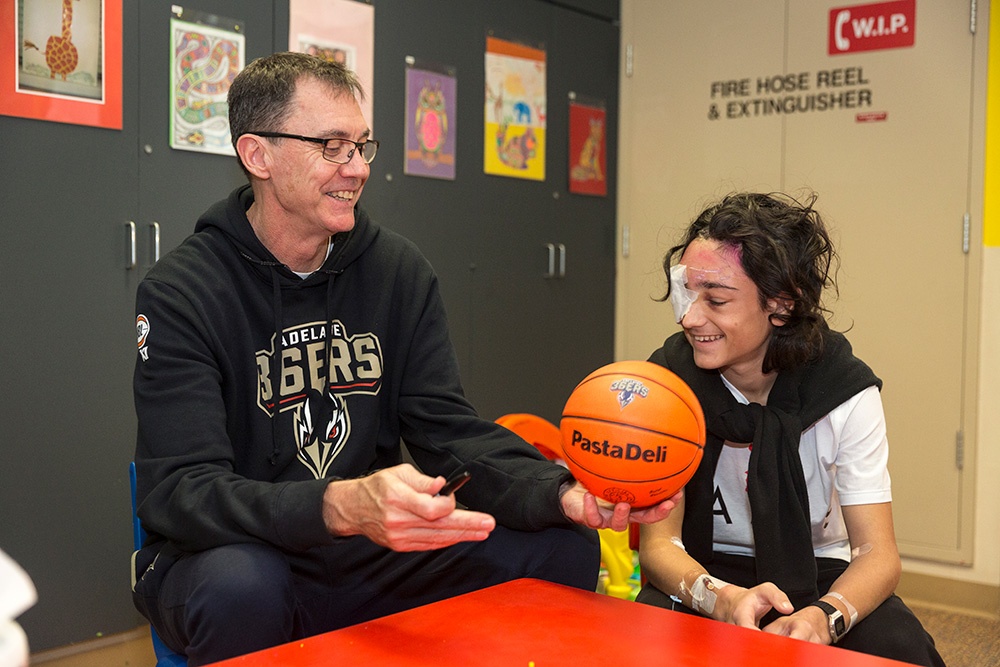
Massimo’s mum, Antonietta, said, “Massimo just sort of sat back in the corner to let the younger kids have their turn, but then Coach Conner went straight to him.”

The pair chatted away like best friends, bonding over their favourite basketball players. Coach told Massimo he had a “good basketball mind” which Massimo loved.

“They built a connection,” Antonietta said.

Massimo said Coach Conner then made an extra effort to cheer him up.

“At the end, he gave me his autograph and he said, ‘Also, give me a piece of paper to write down my number, then message me and come to a game when you get out of hospital.”

Coach Conner with Massimo post-operation in Kate Hill Ward.

Coach Conner with Massimo post-operation in Kate Hill Ward.

More than just a visit

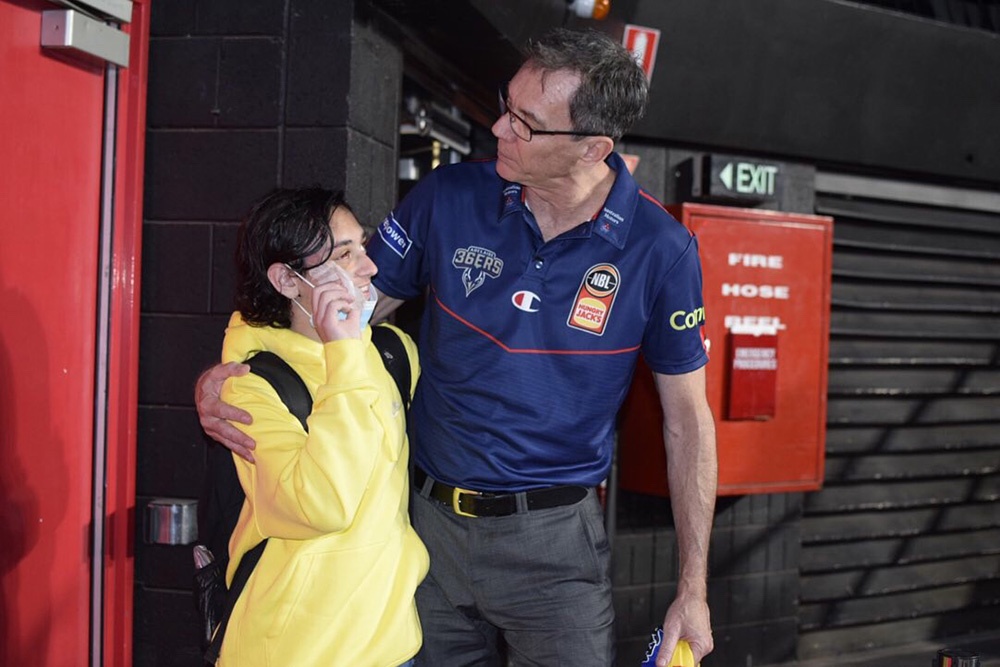
After some text messages between Coach and Antonietta and an all-clear from his doctor, Massimo and his family attended a 36ers home game as VIP guests. He got to meet more of the team courtside and was treated to a tour of the change rooms, a signed jersey and a special mention at halftime.

At the end of it all, Coach Conner told Massimo, “I still want to see you again. Next year, because this season is coming to an end, message me at the start of the season and come out to a training.”

Being able to still connect with sports like this during a time when playing sports isn’t an option for Massimo meant so much to him and his family.

“We did not expect to have met the team at all and then to go that further step, it was really lovely of them to do that extra,” Antonietta said.

“A lot of sports players are just like, ‘We have to make an appearance to look good,’ but this visit made an actual impact.

“The extra step that they took and just that extra care and the connection they made with Massimo, it was so much more.

“The kids all loved it.”

Massimo at the 36ers game with Coach Conner

Massimo at the 36ers game with Coach Conner

Corporate partnerships

The WCH Foundation is extremely grateful to have corporate partners like Fasta Pasta and Pasta Deli to make events like this happen.

Our corporate partners are a valued part of our organisation and they make an incredible impact in brightening lives and supporting brilliant care for families cared for by the Women’s and Children’s Hospital.

Fasta Pasta and Pasta Deli CEO, Frank Taddeo, said, “There are so many children doing it tough in hospital and we’re really happy we could help brighten their day and distract them from the challenges they are facing. It’s so rewarding to see the smiles on their faces and know our donation to the WCH Foundation will help support their care.”

“We are thrilled to be able to bring our partnerships with the WCH Foundation and the Adelaide 36ers together to make a difference to these children and their families.”

Massimo now, well on his way to a full recovery.

Massimo now, well on his way to a full recovery.

For more information about our corporate partnerships, click here.

We are celebrating our Laklinyeri Beach House’s second birthday with a perfectly suited new addition to the WCH Foundation team.

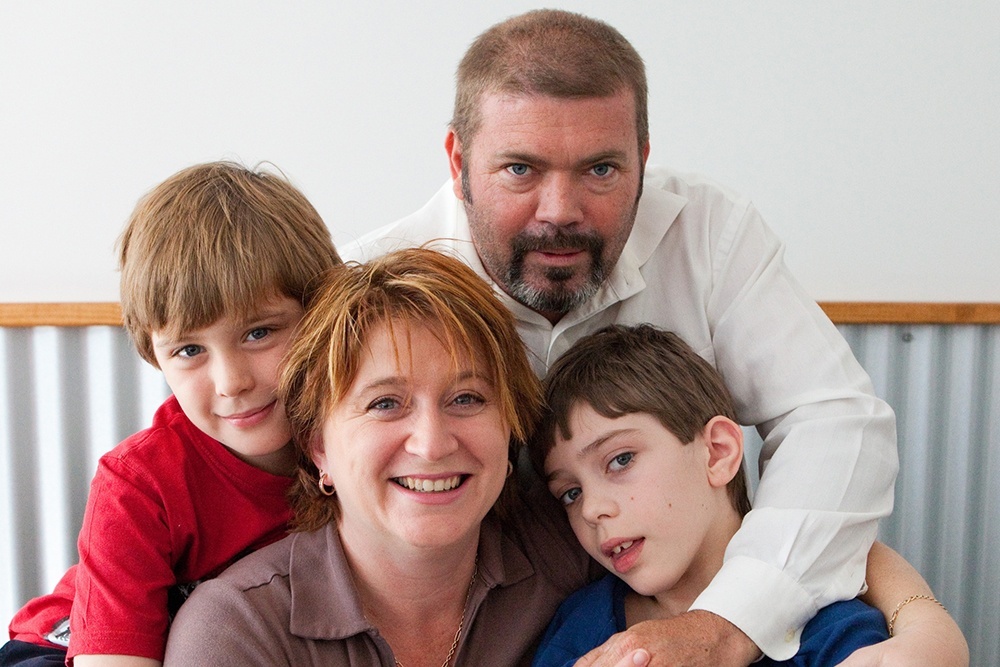
Cheryl and Rob Minniss lost their eldest son, Mason, to an incurable genetic metabolic condition called Metachromatic Leukodystrophy (MLD) in 2011. Mason’s diagnosis came when he was six years old and he passed away aged 10 years and 10 months.

Just after losing his big brother, Cheryl and Rob’s youngest son, Rohan, said, “We are now a family of four, just in three bodies.” This inspired the name for the family’s fund created in Mason’s honour, ‘4 in 3’ the Mason Minniss Fund. Money raised through this fund has supported the Women’s and Children’s Hospital’s Palliative Care Service for many years.

Cheryl, Rob, Rohan and Mason Minniss.

Cheryl, Rob, Rohan and Mason Minniss.

Beach House founding family

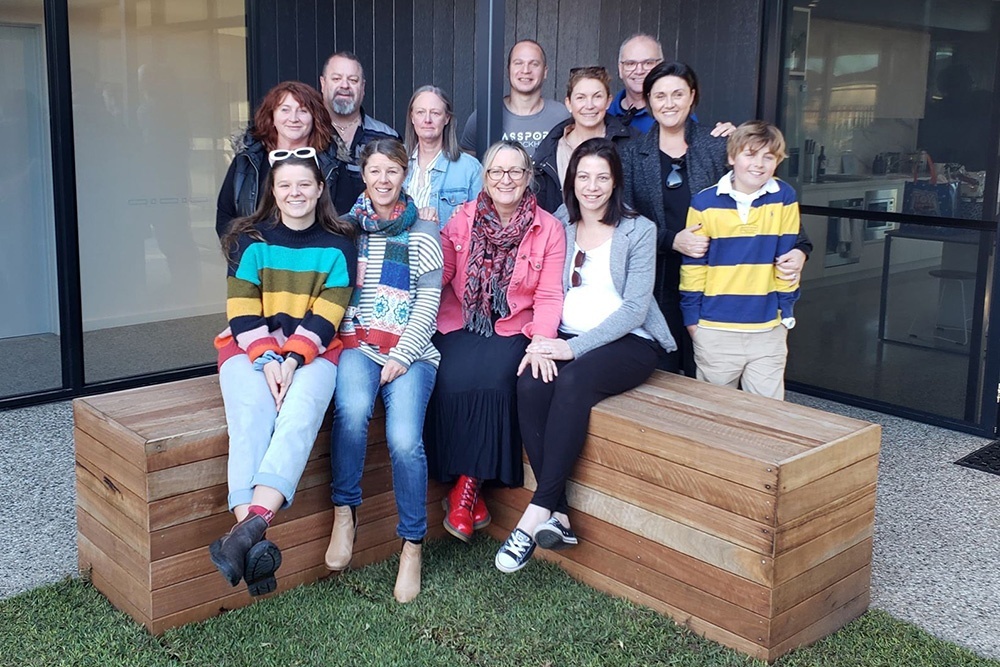
The Minnis family were also one of our Laklinyeri Beach House’s founding families, giving insights to help to shape the Beach House into the beautiful and functional space it is today.

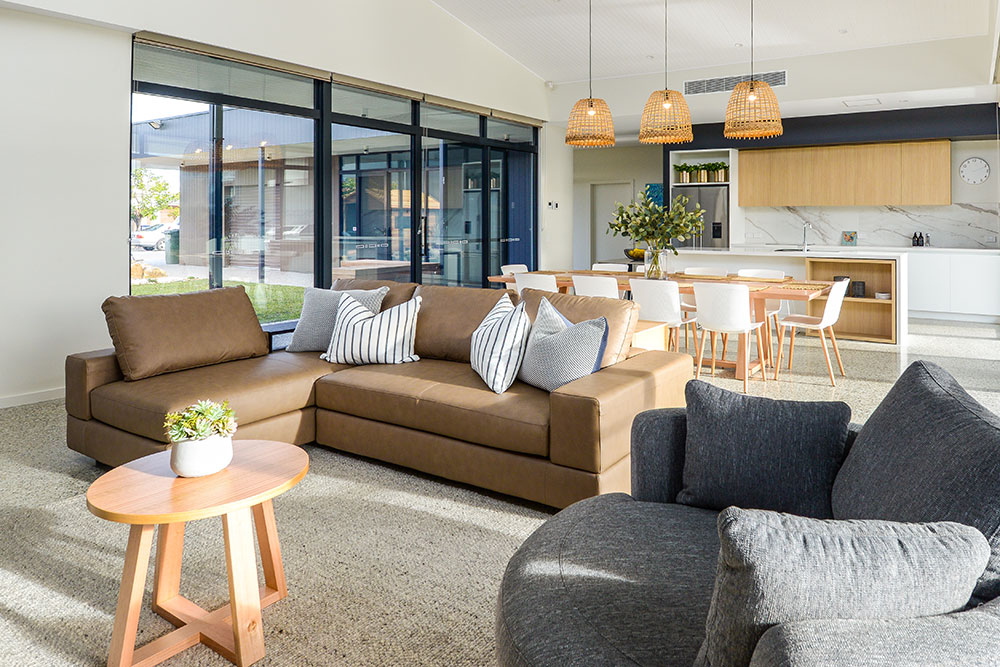
The Beach House in Victor Harbor is a place for families with children who have complex care needs or are in palliative care, as well as bereaved families, to have a relaxing experience where they can rest, connect and create memories together.

When the Beach House first opened, Cheryl said, “There will be many memorable moments shared within these Beach House walls: smiles, laughter and tears, and many treasured photos taken. This special Beach House will become part of the journey of many families for years to come.”

The Beach House founding families visiting the completed Beach House for the first time in 2019, including Cheryl Minniss (top, far left).

The Beach House founding families visiting the completed Beach House for the first time in 2019, including Cheryl Minniss (top, far left).

New role for Cheryl

Now, two years since its doors first opened, Cheryl herself is going to be a part of these families’ journeys, taking on the role of WCH Foundation Beach House Support Officer. The Mount Compass local will be on the ground in Victor Harbor making sure everything runs smoothly to ensure our families have the best time possible.

Cheryl said her family’s experience with caring for Mason has given her an understanding of how challenging planning a holiday can be for some families.

“Being from a family who’s had a loss, we had the experience where we were able to go to a home and have a holiday, and those memories are just very priceless,” she said.

“You can’t imagine it, just a holiday for some people with such complex care patients, they are hard to get away with sometimes, so having somewhere like this just makes it easier.

“I know what the families are feeling when they’ve booked their stay – the excitement that they have just to get out of their own house and to go into an area where they have everything set up and safe and they know that everything is done for them to make the holiday as comfortable as possible.

“To be able to be a part of that, to see them pull up and know that they’ve actually got a week that they are going to enjoy, they’re not going to stress, they’ve got everything they need and they’re safe, it’s very special.”

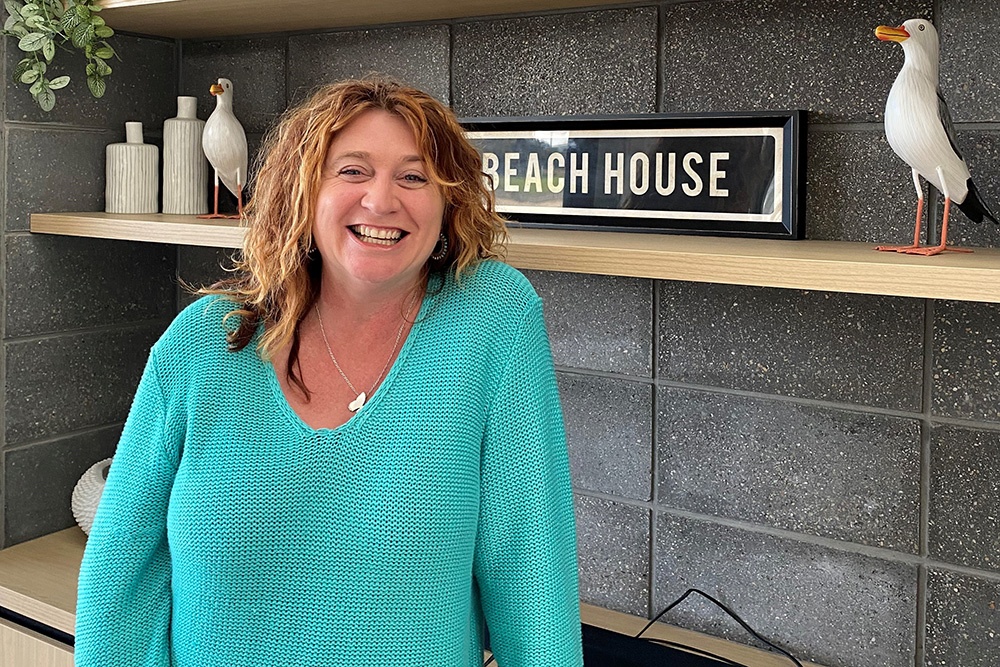
Cheryl Minniss standing in front of Beach House sign at the Beach House.

Welcome to the team, Cheryl.

A comforting welcome to the Beach House

Cheryl hopes that she can provide some comfort to our Beach House families on their arrival, having been in a similar situation to many of them.

“I can give them some guidance, not medically or anything like that, but I can just say that you’re going to be okay, you’re going to have fun, just take it for what it is.”

“Just having that background I think has helped me in that I can pass on a little bit of joy to them. I know how hard it is and what they’re going through just to get the child to the Beach House. I understand all of that and I think I’m empathetic with that.”

It was evident from the huge ear-to-ear smile on Cheryl’s face after her induction at the Beach House that she is just as excited to start as we are to have her join us.

“I walked away with the biggest swell on my heart,” Cheryl said, “I was just in the right spot.”

The WCH Foundation Laklinyeri Beach House.

The WCH Foundation Laklinyeri Beach House.

For more information about our Laklinyeri Beach House, click here. To help support family stays at the Beach House, click here.

Some of the Women’s and Children’s Hospital’s (WCH) most loved helpers look a little different to what you’d expect.

Our four-legged, fur-covered friends are the Delta Therapy Dogs. They help kids get better in a fun and engaging way as part of the Collaborative Animal Assisted Therapy (C-AAT) program at the WCH.

C-AAT is a collaboration between the Women’s & Children’s Hospital Foundation’s (WCH Foundation) Arts in Health program, Delta Therapy Dogs and the Women’s and Children’s Health Network. The WCH Foundation arranges Delta Therapy Dog teams – a temperament assessed dog and their owner, to work as part of the Hospital’s Paediatric Rehabilitation Department.

Collaborative Animal Assisted Therapy with Delta Therapy Dogs

Mel Mason is an Occupational Therapist at the WCH. Her role is to help patients achieve their rehabilitation goals following a serious injury or illness.

“We use rehabilitation techniques and principles to work towards improving skills that will make a significant difference to a child’s level of function in their day to day lives. One of the ways is to work with a Delta Therapy Dogs team,” Mel said.

“For any therapy to be effective, it needs to be fun, meaningful and motivating. This relates to areas such as mobility, balance, strength or hand function, thinking skills, communication or social skills. Having access to the Collaborative Animal Assisted Therapy Program has a significant impact on our ability as therapists to deliver rehabilitation to children in this way.”

Delta Therapy Dogs provide a welcome distraction from some of the challenges that Hospital patients and families face.

“This can often be a time when many patients experience pain, anxiety, feelings of fear and uncertainty. The dogs bring a sense of joy and truly lift the spirits of the patients that access this service. There are obvious benefits to mood, motivation and participation during a Delta Therapy Dog session. As a therapist, this is invaluable,” Mel said.

Clara, Mel and Delta Therapy Dog Harper

Left to right: Clara, Mel and Harper.

Clara and Harper

Two-year-old Clara recently underwent surgery to remove a tumour from her spine. Mel has been working with Clara since her surgery. She recently introduced C-AAT with Delta Therapy Dog, Harper and his owner, Andrea.  Mel said that when she began treatment, Clara was fearful and anxious. She had difficulties moving her body in ways she had previously been able to.

“Clara was understandably wary of the hospital environment following her traumatic experience. Having the opportunity to engage Clara with the Delta Therapy Dogs has helped to build trust, develop rapport and associate her visits to the Hospital with fun, exciting and enjoyable experiences,” she said.

Clara’s sessions consist of activities like walking Harper, playing fetch, brushing his fur and feeding him treats. This encourages movement in an exciting way. The pair get along like best friends and the sound of Clara’s excited squeals are the best indicator that the program is well-received.

Clara undergoing fun rehabilitation with Delta Therapy Dog, Harper.

Clara undergoing fun rehabilitation with Delta Therapy Dog, Harper.

“In a short period of time, Clara has demonstrated amazing resilience, strength, determination and motivation. Not only has she made great physical improvements, she has shown all of us her beautiful, bright, bubbly and happy personality,” Mel said.

“Clara’s confidence has grown considerably. There are noticeable improvements in all aspects of her function thanks to the opportunity to incorporate Collaborative Animal Assisted Therapy into her rehabilitation program.”

Michelle and Marty Roberts’ middle child, Sam, had just turned two when they were given the shattering news that their gorgeous, blonde-haired, little boy was terminally ill with a very rare neurological degenerative condition called Niemann-Pick Disease Type C.

After a courageous battle fought in the Women’s and Children’s Hospital (WCH), young Sam passed away in 2005 just before his fifth birthday.

Sam and his family spent many years in and out of the WCH, his siblings Lucy and Charlie (pictured above) growing up by his side in the Hospital environment.

“We are just one of hundreds of families who have experienced this situation though,” Marty said.

Lucy, Sam and Charlie Roberts

Sam Roberts in the WCH with siblings Lucy and Charlie.

Remembering Sam

“Sam was beautiful and the cutest little boy. We were so fortunate to have many happy and joyful memories when he was with us,” Michelle said.

“We’re deeply indebted to the care and love that he got from the Hospital,” Marty added.

The Roberts family have spent the past 15 years fundraising for the Women’s & Children’s Hospital Foundation (WCH Foundation) in his memory. They created the Sam Roberts Family Fund and through their Cycle 4 Sam fundraiser have contributed over $750,000 to various projects for the WCH Foundation and the WCH Paediatric Palliative Care Service.

They celebrated Sam’s 21st birthday on June 30, 2021.

“We always used to like to celebrate birthdays with him,” Michelle said.

“Even though, for me, he’s still forever a four-year-old, so it’s hard to imagine him 21.”

“We remember Sam as being a little boy who endured a huge amount in his short life,” Marty agreed, “So to honour him on his 21st birthday is really important.”

“It reminds us of not only the time that we had with him but also the years since and the joy we’ve had having Cycle 4 Sam in his memory.”

The pair said it is a joyous experience remembering Sam with their family and friends through their fundraising events.

“It’s a way that we can keep Sam part of our lives and our family,” Michelle said.

“He was very cute and cheeky, and he did love having people around him, so he’d probably be amazed with all the fuss being made about him.”

The Roberts Family

Charlie, Michelle, Marty and Lucy Roberts at a Cycle 4 Sam event.

Challenge 21

In honour of Sam’s 21st birthday, we are asked our community to challenge themselves to raise funds to support families like the Roberts who benefit from the WCH Foundation.

We launched the inaugural Challenge 21, so that anyone, anywhere, can take on any challenge they like to support sick kids.

It’s simple; choose and take on a challenge related to the number 21. You could run 21km’s, give something up for 21 days, or get creative and come up with your own challenge! Then, get your friends and family to sponsor you and raise funds for some of South Australia’s most vulnerable children and their families.

Sam Roberts collage

Gorgeous, fun, lovable little Sam.

Are you up for Challenge 21?

Registrations for Challenge 21 are now open. Sign up for free as an individual or a team and start raising funds in the lead up to our Challenge period.

“No matter what you do, you can all make a difference,” Michelle said.

“You can be as creative as you like, there are no limitations,” Marty added.

“Any challenge that someone does with the number 21 is going to benefit them physically, mentally or spiritually – they’re going to become better people as a result of setting a challenge in Sam’s memory. We’re really excited about it.”

For more information on Challenge 21 click here

Mario Corena is a passionate advocate for young people experiencing mental illness. His daughter Lauren died nearly six years ago after spending much of her early adolescent years in the Women’s and Children’s Hospital’s Boylan and Adolescent wards.

Now, as her legacy, Mario has created the Lauren Corena Fund. Through support from this fund, patients in the Women’s and Children’s Hospital’s Mallee Ward (previously Boylan Ward) will now have the opportunity to undertake gardening art activities in their new outdoor space through our Arts in Health program. The new ward is purpose-built to allow patients to be outdoors whilst still inside the Hospital campus.

Mario said, “The new ward gives patients an environment that’s not like hospital, even though it is in the Hospital, it’s really, really marvellous what they’ve done.”

Mallee Ward gardening art project

The Mallee Ward Play Therapist, Kate, will run weekly sessions to plant seedlings, decorate pots and undertake small mosaic activities. Patients can learn skills in caring for the plants, growing produce and can then use the produce in a cooking session on the ward, with the scraps going into the new worm farm, also supplied to the ward through the fund.

Kate said, “The gardening and outdoor art program will be a great addition to the current activities on Mallee Ward and will see young people further utilising our beautiful outdoor space.”

“Gardening programs are an excellent way to introduce young people to outdoor-based activities which can assist in the development of new skills that may aid recovery. Additionally, gardening promotes mindfulness which has been proven to reduce stress and improve mood.

“As a play therapist, I am super excited to be able to offer a variety of activities to patients and to be able to promote more time outside in the sunshine is always a plus! I am most looking forward to patients being able to grow their own fruit and vegetables which we can hopefully later use in cooking groups.”

There is increasing evidence that gardening activities and exposure to green space can be beneficial to an individual’s psychological health, assisting in improving mental and physical wellbeing. This project combines gardening with art activities so patients can learn how to grow their own plants and create craft items like pots, mini mosaics and terrariums to take home to their own backyard.

Keeping Lauren’s legacy alive

The WCH Foundation is incredibly grateful to be working with Mario to facilitate this project in the Hospital.

Mario said, “I’m going through a journey of my own trailing back through Lauren’s journey and trying to figure out where the gaps are still in the system today, which is why we’re honouring her in these Wards, because that’s where part of her early journey was.”

“I’m trying to establish her story and help others so that they have some sort of comfort. It’s not about me, but about what she would want and what it would mean to her. She wanted to help others in the same situation.”

Mario said that programs like this that help children in the early stages of their illness are crucial and that the new Mallee Ward is the perfect place for it.

Ultimately, Mario hopes this program will be one way of keeping Lauren’s Legacy going and allowing others to know and remember her.

“This will keep her spirit alive,” he said.

To learn more about the impact of the WCH Foundation’s Arts in Health program, click here

“If you had said to me years ago that we would raise $15,000, I’d have called you crazy. I would’ve told you there’s no hope in the world. So to do that is just amazing – a nice ‘wow’ moment,” Mike Garrick said as he reflected on his fundraising journey.

For seven years, Mike and his wife Deb have held their annual Garrick Golf Day fundraiser for the WCH Foundation.

The final Garrick Golf Day was held on Friday 26 March at the Blackwood Golf Course, with 92 players and 15 helpers supporting the day. The weather was wet and overcast but didn’t dampen spirits, with everyone pitching in to raise a record $15,000, bringing the couple’s total amount raised for the Foundation to over $75,000.

“This amazing figure would not have been possible without the magnificent generosity of the Blackwood Golf Club, a wonderful group of supporters, an amazing collection of helpers and very bighearted players who participated in the day,” Mike said.

“This figure will go a long way to assist sick children and their families.”

Larg group of people waving

95 players and 15 helpers at Garrick Golf Day’s last hurrah.

Garrick Golf Day supporting the ‘Laklinyeri’ Beach House

The money raised by Mike and Deb goes towards funding the WCH Foundation’s ‘Laklinyeri’ Beach House which hosts families who are bereaved or whose children are in palliative care or have complex care needs.

“The Beach House has actually given us something unique here in South Australia and I think that’s a point of difference for the Foundation,” Deb said.

“That’s made it really easy for us to be able to raise money because it’s something that people can see. You’ve got the stories to tell about it, it’s very tangible.

“It doesn’t matter whether it’s $50, $100 or $15,000, everything is going to help to make that journey for those families at the Beach House that much better. So from my point of view, that’s satisfying as a Fundraiser.”

Mike and Deb explained that the planning and effort that goes into these Golf Days is huge.

“Running a golf day is like herding wild cats,” Mike said.

Despite the time it takes, the pair are passionate about doing their bit to support the Foundation. Mike said it “defies his logic” as to why more people don’t raise money for sick kids and their families.

“Why do we have to wait for a child to die to get active in helping kids?” he asked.

On the day of the last hurrah, Mike shared stories of families who have stayed at the Beach House which pulled at the heartstrings of the golfers.

“I must have been fairly passionate when I spoke because when I looked up, everyone was crying,” Mike said, “I couldn’t believe it.”

Passing the baton

Mike has fundraised for various charities over many years, in 2006 receiving an Australia Day Achievement Medal (ADAM) for his fundraising service to the community.

Now, he and Deb are stepping back to enjoy retirement and “smell the roses” after years of hard work.

“It’s been a great journey. It’s been fun and we have learnt a lot along the way also. Not just through the Golf Day, but just being associated with the Foundation,” he said.

Community fundraiser accepting artwork

WCH Foundation CEO, Jane Scotcher, presenting artwork as a thank you to Deb and Mike.

The artwork presented to Deb and Mike, created by the WCH Foundation's Arts in Health and Fundraising teams.

The artwork presented to Deb and Mike, created by the WCH Foundation’s Arts in Health and Fundraising teams.

Mike is passing the fundraising baton and is challenging people to raise money for the Foundation in his absence.

“They can hold a barbecue if they want to or play a game of cards or eight-ball with their workmates, just do something. Raise some money and help this organization,” he said.

If you’re interested in hosting a fundraiser for the WCH Foundation, you can find more information here.

“A mum’s voice in a hospital setting is the safest sound the baby will hear while they’re there,” said Registered Music Therapist, Maybelle Swaney. “How lovely would it be to hear mums all throughout the Hospital nurseries singing with their babies and letting them know that they’re there for them?”  

Music therapy is an evidence-based allied health intervention. It makes use of music as the primary modality for promoting positive changes in participants. Maybelle is a paediatric Music Therapist at the Women’s and Children’s Hospital. Her work involves the use of music-based experiences to help children and their families better cope with their Hospital journey. The Music Therapy program in the Nursery is funded through the WCH Foundation’s Arts in Health program.

In the Hospital nurseries, Maybelle partners with parents to provide positive sensory stimulus for their babies and promote bonding experiences. This includes supporting families to create songs and lullabies, play music and sing to their baby. There is evidence that this helps to encourage attachment, support recovery and improve growth and development for babies in hospital.

Freddy, Kara and Haydn

Baby Freddy and mum, Kara, at the Women's and Children's Hospital.

Baby Freddy and mum, Kara, at the Women’s and Children’s Hospital.

Baby Freddy was born 10 weeks premature at the WCH. He spent one week in the Neonatal Intensive Care Unit (NICU) and five weeks in the Specialist Care Baby Unit (SCBU).

A SCBU coordinator introduced mum, Kara, to Maybelle. She began the Music Therapy program with her husband, Haydn, as a welcome distraction from hospital life.

“In the first month I couldn’t do much for Freddy. I could express milk and I could hold him for a couple of hours a day. He needed to be in his incubator growing though. So, to be able to focus on something else made it a lot easier,” she said.

The Music Therapy program

Maybelle came into Kara’s first session with a guitarlele and some nursery rhymes, but Kara asked if she could try singing something she felt more comfortable with. The first thing that came to mind was the Sound of Music.

“I grew up listening and watching that movie with my Nonna, repeatedly. I think it was the only time I would hear her sing in English, so there was a personal connection. I knew I would be able to sing those songs, whereas I wouldn’t be able to sing Twinkle, Twinkle Little Star.”

Kara said Maybelle was completely keen to change things up.

“She was incredibly open to the idea, there was no judgment or criticism.”

Maybelle explained that music therapy is all about working alongside families.

“It’s not about me coming in and being the expert. It’s about learning from the families as the experts on their own babies,” she said.

“It’s asking families how they think music is going to be useful for them in that setting, and then working to see if we can build a bit of a bridge between here and there.”

“Think about it in terms of mum as the soloist and the therapist as the accompaniment. That’s a really good reflection of what music therapy as a service provides. We’re there to accompany the parents on their journey and never to take over.”

With Maybelle’s help, Kara recorded herself singing songs from the soundtrack and even rewrote some of the lyrics to suit her family’s situation. Haydn recorded himself at home reading books for Freddy. With all the recordings, Maybelle made the family a beautiful album of songs and readings that they played for Freddy in the Hospital and continue to play for him now at home.

“When he wakes up in the middle of the night for his feed and I really don’t have any energy to sing, I’ll put him down, play the recording, and slowly remove myself from the room while he falls asleep.”

A new experience

Although Kara was sold at the words “music therapy”, Haydn was a little wary about the experience to begin with. Kara said his recordings turned out “really sweet” with his anecdotes and sound effects, including recording their dog Moki, to add to the stories.

“I think that’s an example of how, if you’re presented with an experience, and even if you need a little push to do it, what can come out of it is amazing,” she said.

“It highlighted that when you are open and willing to share ideas, to really collaborate, you can create something incredibly special.”

Kara couldn’t speak more highly of Maybelle and the Music Therapy program. She encourages everyone who has the opportunity to give it a go, even if it may seem out of their comfort zone.

“No matter what you wanted the program to look like, I’m confident that Maybelle would make it very personal and do whatever works for that family. It’s not as though this is a strict program; it really is a journey and a fluid process.”

With support from donors, the WCH Foundation aims to expand the Music Therapy service. This will provide support to more patients and families like Kara’s across the Women’s and Children’s Hospital.

To support the Music Therapy program, click here

Maybelle with SCIBU staff who assist with the Music Therapy program.

Maybelle with SCBU staff who assist with the Music Therapy program.

A revolutionary therapy that homes in on and destroys cancer cells could soon be used to tackle hard to treat cancers, including those commonly seen in children.

The CAR-T Cancer Immunotherapy Research project is moving closer to its first-in-man clinical trials. The project was developed here in South Australia by WCH researcher and Chief Medical Scientist, Professor Simon Barry, with biotechnology research and development company Carina Biotech.

Initially backed by WCH Foundation funding in 2017, the CAR-T therapy involves genetically modifying a cancer patient’s own immune cells (T cells) with a chimeric antigen receptor (CAR) that can recognise and attack the cancer. By using a patient’s own cells it avoids the problem of them being recognised as foreign, making the therapy much safer and more effective.

Early CAR-T research has already been shown to have great success in treating blood cancers, but the research team here in South Australia are directing their efforts toward designing a CAR-T therapy for solid cancers. These account for around 30 per cent of childhood cancers and are typically much harder to treat. Professor Simon Barry says:

“We are focused on building smarter CAR’s that have a unique homing capability. Cancer cells release hormones that the immune cells can sense and follow. If we learn what is being released by the tumour, we can add the relevant receptors so the CARs will follow it – so we are building receptors that can actively seek, recognise and destroy cancer cells. This ability is not needed for blood cancers because in that instance the CAR’s are mixed directly into the blood, however it is critical for treating solid cancers.”

CAR-T researcher, Professor Simon Barry.

CAR-T researcher, Professor Simon Barry.

CAR-T research progress

In the past two years, great progress has been made toward making this therapy a reality for children and adults with otherwise incurable cancers.

“Over the last two years, our research has focused on the ‘back room’ work that is required to build a clinical trial. We need to be able to say that we know how to make CAR-T better than anyone else – and we are close! We could be looking at our first human trials getting underway in as little as 18 months,” says Professor Barry.

Research funding provided by the WCH Foundation has been used for specialised researchers and experiments – two critical components when clinical trials are on the horizon. Professor Barry says:

“Clinical trials are safety driven and also very costly, so we must be able to undertake the very best research and development, and gather pre-clinical data to give us the most confidence to build a case for the clinical trial.”

A key success for the team has been improving the efficiency of the CAR manufacturing by optimising the research team’s own protocols. For example, the first approved CAR-T treatments target the antigen CD19 (present in blood cancers such as leukemia) with a CAR expression rate of only 50 per cent. However, Professor Barry and his team have managed to increase the amount of CAR being expressed to 90 per cent – an enormous improvement because the more CAR expressed, the more chance it has to find and kill cancer cells. They also believe it will last longer.

The team has also made advances in the time it takes to create these modified cells.

“Previously, it took 30 days for us to make the appropriate number of cells for testing. It now takes us only 9-14 days which is a huge reduction in cost and manpower. We’ve also broadened the CAR-T pipeline with new baroreceptor targets including a new lead targeting a gene called LGR5,” says Professor Barry.

Gifts in Wills supporting medical research

Gifts left in Wills are a major source of funding for medical research at the Women’s and Children’s Hospital. Importantly, these funds enable researchers to pursue promising research leads that may otherwise go unfunded.

“This success would not have been possible without the funding that we were fortunate to receive from the Foundation,” says Professor Barry. “This funding is critical for starting the type of high risk, high return research that the larger funding agencies are less willing to support until it is proven successful.”

The team has also set its sights on establishing Australia’s very first clinical-grade virus facility right here in Adelaide within the next 5 years.

“Currently our lab has the expertise for pre-clinical virus manufacturing but we are limited by the need to purchase the virus for clinical trials from overseas providers,” shares Professor Barry. “If we can make CAR-T viruses for clinical trials here in Adelaide, it will reduce the cost of testing them in phase 1 safety clinical trials in Australia dramatically, and could provide this capability for all CAR-T trials in Australia.”.

If you would like to find out more about leaving a gift in your Will to support the health and care of future generations, please contact us or click here.  

“It just felt like people cared and that they knew this was hard for us,” Justine Petrick said about her family’s stay at the WCH Foundation’s ‘Laklinyeri’ Beach House.

Justine is mum to Xander, Isla and Theo. Xander has cerebral palsy and multiple severe disabilities due to this. He is wheelchair-bound, has a vision and a hearing impairment and is peg fed, meaning he requires around the clock care.

He’s also a bubbly boy who loves being around his friends and family.

“If he’s comfortable, he’s quite a happy kid,” Justine said, “And he’s very social, even though he’s nonverbal. He enjoys socializing and being around other children.”

Xander loving being around his family.

Xander loving being around his family.

Challenges in getting to the Beach House

Xander was born in Alice Springs but was severely unwell and brought to the Neonatal Intensive Care Unit (NICU) at the Women’s and Children’s Hospital.

“We started our life down at the Women’s and Children’s and it has been a part of our life ever since,” Justine said.

The Petrick family.

Xander is cared for by the Palliative Care Team at the WCH whose care extends to children in the Northern Territory. Xander has some medical visits locally but some where the family must travel to Adelaide.

The Petrick family love holidaying, but this has become challenging. A trip they had planned to the WCH Foundation’s Laklinyeri Beach House in January fell through and with that, the family made a tough decision.

“Because of Xander’s failing health, holidaying just became too difficult. We resigned ourselves to the fact that we wouldn’t ever go on holiday again with him,” Justine said.

After seeing some improvements in Xander’s health and speaking with the Palliative Care team though, Justine realised that maybe there was still hope for a family holiday.

Trip to the Beach House: attempt number two

In March, the Petrick family made the 1700km journey from Alice Springs to Victor Harbor to the WCH Foundation’s Laklinyeri Beach House. Donations made to the WCH Foundation fund stays at the House for families with children who have complex care needs or are in palliative care, as well as bereaved families.

The Petricks packed their car up with medical equipment, adjusted their vehicle to have Xander lying down to make it easier on him and had two nurses fly out and meet them at the Beach House. The family were the first from the Northern Territory to stay at the House and tested more of the House’s facilities than any visitors so far.

“I can honestly say I’m so happy we dug deep and had another crack at getting here,” Justine said.

“It has been the best holiday we’ve ever had.”

Xander had fun in the water, Isla and Theo loved playing with the cricket set and Justine and Clarke had a chance to rest and relax.

Xander having fun in the water.

Xander having fun in the water.

“One day we sat around and had a picnic on the grass at the House, playing cricket and table tennis. Xander just laid on the chair in between all of the different games that were happening and just was happy being around everyone,” Justine said.

“He enjoyed the fact that everyone else was having a good time.”

The thought that counts

When families enter the Beach House they are greeted by a table of goodies – from food and drink to activities for the kids. Justine said this little touch made a big difference.

“It might have just been a nice packet of biscuits and some chocolate but it’s the thought that goes into someone spending that money,” she said.

“It just felt like people cared and that they knew this was hard for us.”

Justine is trained as an Occupational Therapist and her husband, Clarke, is an Engineer. The two designed an extension of their home together to fit Xander’s complex needs but when walking into the Beach House they said that, although they’re extremely proud of their extension, they wished they had seen this before starting.

“It’s an Occupational Therapist’s paradise!” Justine said.

“I tried really, really hard and I couldn’t think of anything that you would need that was missing. It was really great.

“All families have different challenges, but that house caters for it all. It doesn’t matter what the challenge is, I feel like the house meets the standard.”

Petrick family enjoyin lunch at the Beach House.

Petrick family enjoying lunch at the Beach House.

Lifted spirits

After this trip, the family are feeling so much more hopeful about holidaying together into the future.

“Now we’re like, no, we could do this!” Justine said.

“My husband has been taking the other two kids camping, but it’ll be nice to be able to all do it together again.

“It’s definitely restored our positive attitude about being able to get out and about a bit more with Xander again.”

The Petrick family taking a trip on the Steam Ranger during their stay at the Beach House.

The Petrick family taking a trip on the Steam Ranger during their stay at the Beach House.

Justine is incredibly grateful to everyone who made the trip a reality.

“A huge thank you to anyone that’s ever contributed to the Beach House in the past or ongoing. It’s such a gift for a family who has its challenges,” she said.

“So, thanks to everyone that supports it and supports the Foundation.”

For more information on the ‘Laklinyeri’ Beach House, click here. To support families like the Petricks, click here.

Some budding young master chefs at Hospital School SA helped the WCH Foundation celebrate the launch of Coles’ new ‘Mum’s Sause’ Pizza Sauce.

The new sauce is the latest release in a range of ‘Mum’s Sause’ pasta sauces. They have been created by Coles to support children’s hospitals around Australia. 50 cents from each bottle or jar sold in South Australia and the Northern Territory will be donated to the WCH Foundation in support of the Curing Homesickness initiative to get kids home from hospital sooner.

The students were treated to a pizza making class, with the main ingredient, of course, being Mum’s Sause Pizza Sauce. Both patients and their siblings can attend Hospital School and it serves as a great way for the kids to have some normality amongst Hospital life.

Bryce (5) was diagnosed with Leukaemia in September last year. He has since relocated to Adelaide from Darwin with his family to receive specialist care at the WCH.

He needs fuel to keep his larger than life energy going throughout the day. So, he piled his pizza up high with Mum’s Sause Pizza Sauce, ham, cheese and salami!

Bryce (5) with his mountainous pizza!

Bryce with his mountainous pizza!

Melody (8) attends Hospital School while her older sister is cared for at the Hospital. She said the Coles cooking class was really fun!

“My favourite part of the school day was making the pizza,” she said.

Melody (8) enjoying pizza making class.

Melody enjoying pizza making class.

Coles partnership

Coles Chief Sustainability, Property & Export Officer, Thinus Keevé, said, “We’re extremely proud of our partnerships with children’s hospitals across Australia.”

“Together with our customers, Coles has already raised over $1.8 million for Curing Homesickness. This has helped fund hospital upgrades, medical equipment and research as well as health specialists and therapists to support sick kids.”

Curing Homesickness is a national campaign that brings children’s hospital foundations and paediatric services from across Australia together to raise awareness and funds. Money raised through national partnerships like Coles go towards helping kids at the Women’s and Children’s Hospital get back home sooner.

WCH Foundation CEO, Jane Scotcher, said, “We are incredibly grateful for the ongoing support of Coles through the sale of the Mum’s Sause product range and the recent $2 donation card campaign. Funds previously raised through this partnership have supported the redevelopment of the Home Equipment Centre. This allows patients to continue their treatment at home and live their lives outside the walls of the Hospital.’’

A delicious pizza made with Mum's Sause Pizza Sauce.

A delicious pizza made with Mum’s Sause Pizza Sauce.

The final verdict on Mum’s Sause Pizza Sauce? According to Melody, “It’s very good!”

Have a go at making some pizzas with your family and support the WCH Foundation!

Sign up for our latest news

"*" indicates required fields

This field is for validation purposes and should be left unchanged.

Name *

Name*

Email *

Email*