This National Diabetes Week, we’re proud to share that research first supported by the Women’s & Children’s Hospital Foundation (WCH Foundation) has reached a significant international milestone. A world-first study into Continuous Glucose Monitoring (CGM) in very young children at high risk of type 1 diabetes, an initiative the Foundation helped launch in 2019, has now produced four published articles in leading international journals.
Backing a bold idea
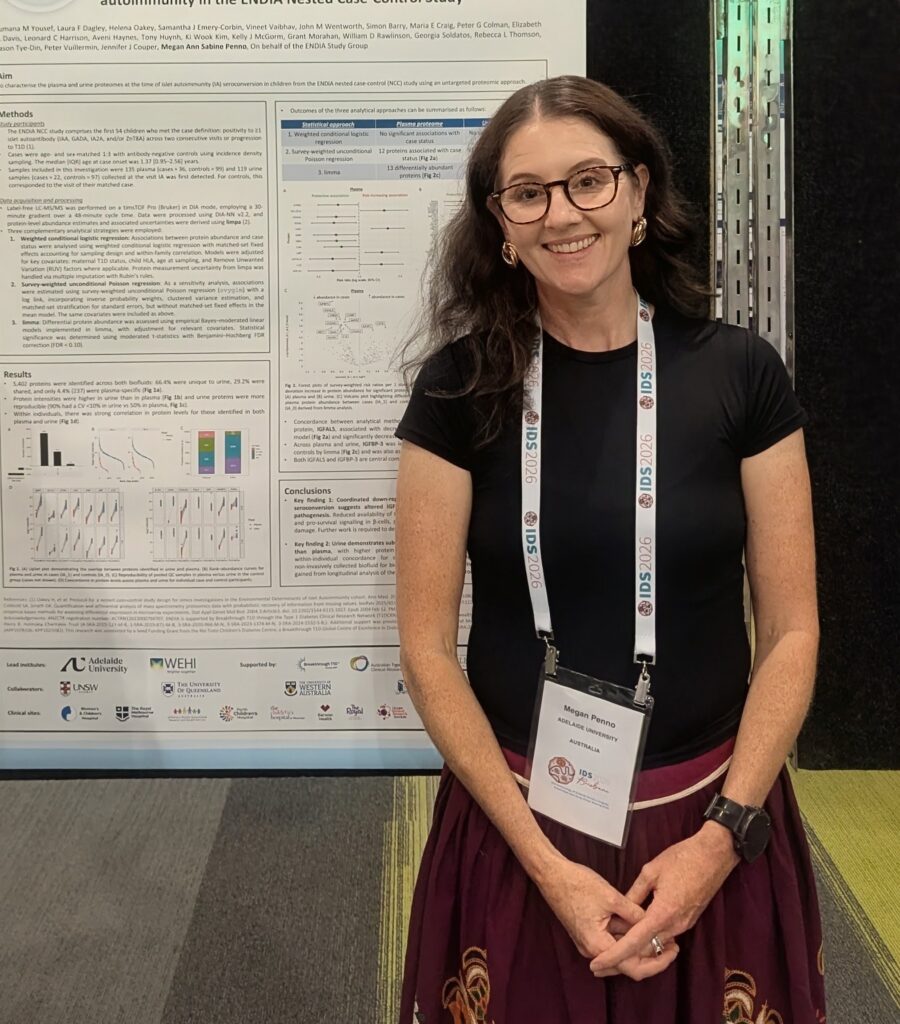
Dr Megan Penno’s work sits within the ENDIA (Environmental Determinants of Islet Autoimmunity) study, the first in the world to explore how environmental exposures from pregnancy through early life may contribute to, or protect against, the development of T1D in children.
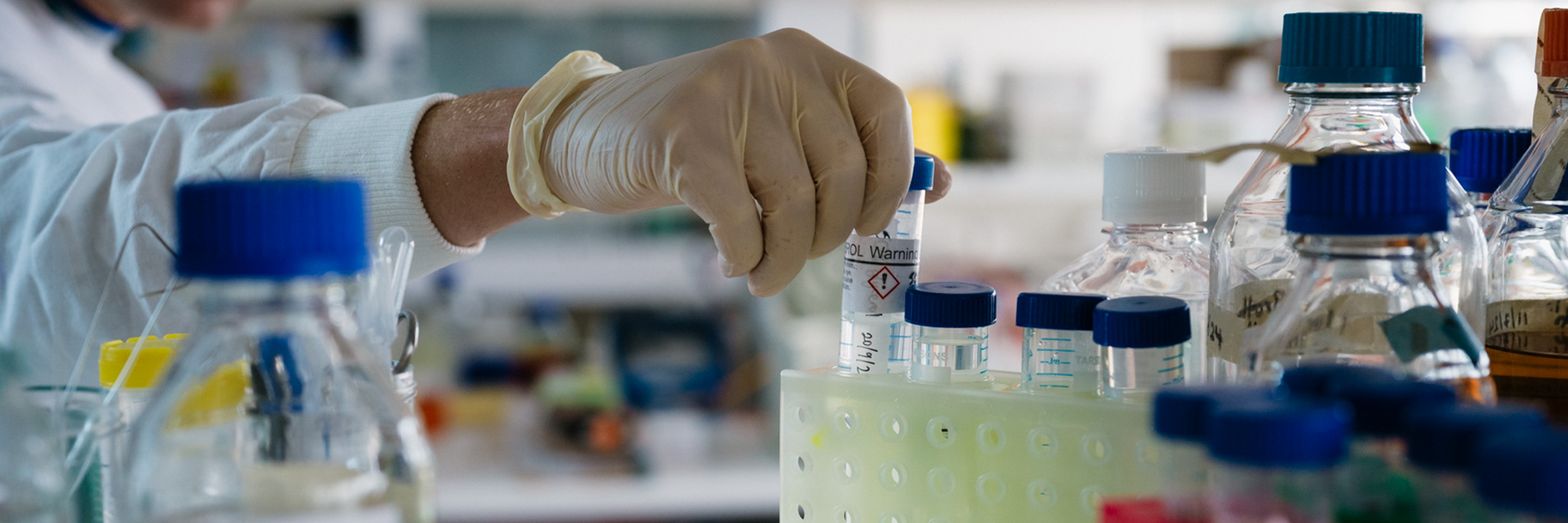
In a sub-group of ENDIA children with early warning signs of type 1 diabetes but not needing insulin, researchers used CGM to track glucose changes over two-week blocks. The children underwent monitored every 6 months for many years with some achieving the milestone of ten CGM sessions. Most showed no obvious physical symptoms of type 1 diabetes, making early detection both difficult and critical.
The CGM study was led by A/Prof Aveni Haynes from The Kids Research Institute Australia in Perth and involved children and families from South Australia and across Australia.
Through its 2019 Research Project Grant scheme, the WCH Foundation backed Dr Penno to help establish the project with A/Prof Haynes, one of the earliest investments in what would become a significant, multi-year research program.
That early funding proved instrumental. It enabled the team to generate the early evidence needed to secure subsequent international funding. That support, in turn, allowed the program to expand its CGM platform and extend its longitudinal follow-up, building a far richer picture of how T1D develops in its earliest, presymptomatic stages.
Why it matters
For families, earlier detection can make an enormous difference. Children with undetected T1D often don’t show symptoms until the condition has progressed to diabetic ketoacidosis (DKA), a serious and potentially life-threatening complication. Earlier diagnosis means reduced risk of DKA, shorter hospitalisations, and less trauma for families facing a life-changing diagnosis.
Stories like this are why the WCH Foundation invests in research. Early-stage grants don’t always make headlines, but they plant seeds. Our 2019 support of Dr Penno’s work shows what it means to back researchers at the right moment and the impact that can follow.
From humble beginnings to multiple published papers in top global journals, this research demonstrates what is possible when community support meets scientific excellence. We are proud to have played our part, and we look forward to sharing more milestones as the program continues to grow.