New body composition technology funded through the Women’s & Children’s Hospital Foundation is helping clinicians gain a more detailed understanding of health and nutrition, supporting more personalised care for children with complex medical conditions.
For 13-year-old Levi, life is full of determination, resilience and a healthy dose of humour.
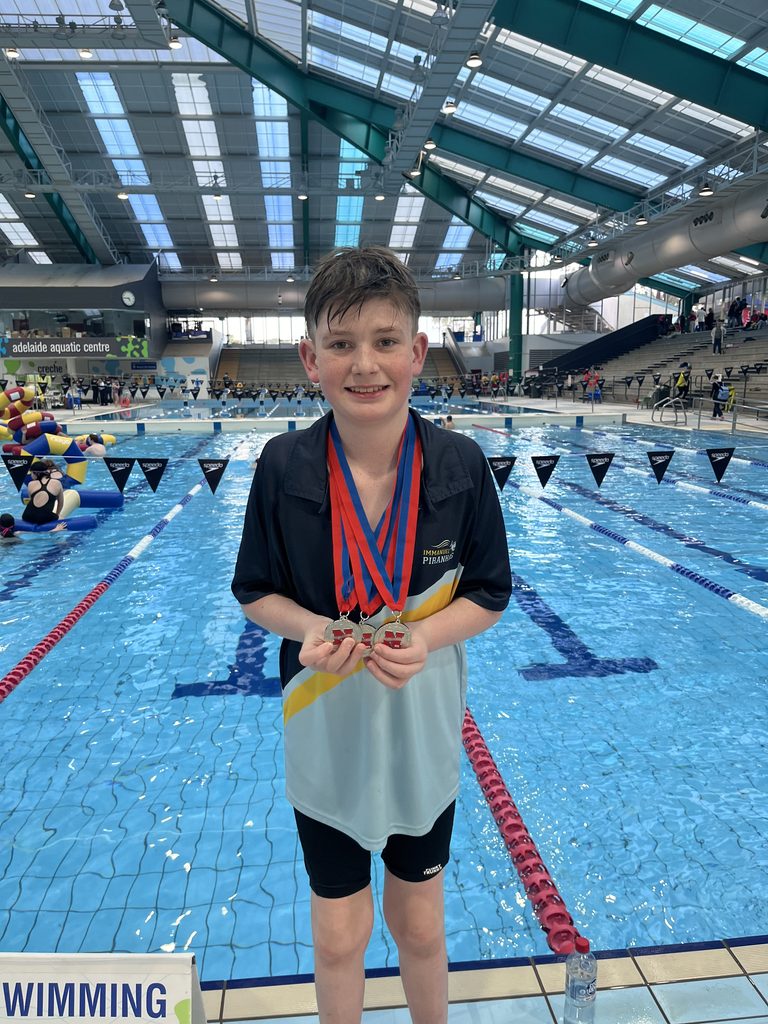
A passionate para-swimmer who has represented South Australia at the Australian School Sport Swimming Championships three times. Despite facing complex health challenges since birth, his family says he has always focused on what he can do rather than what he can’t.
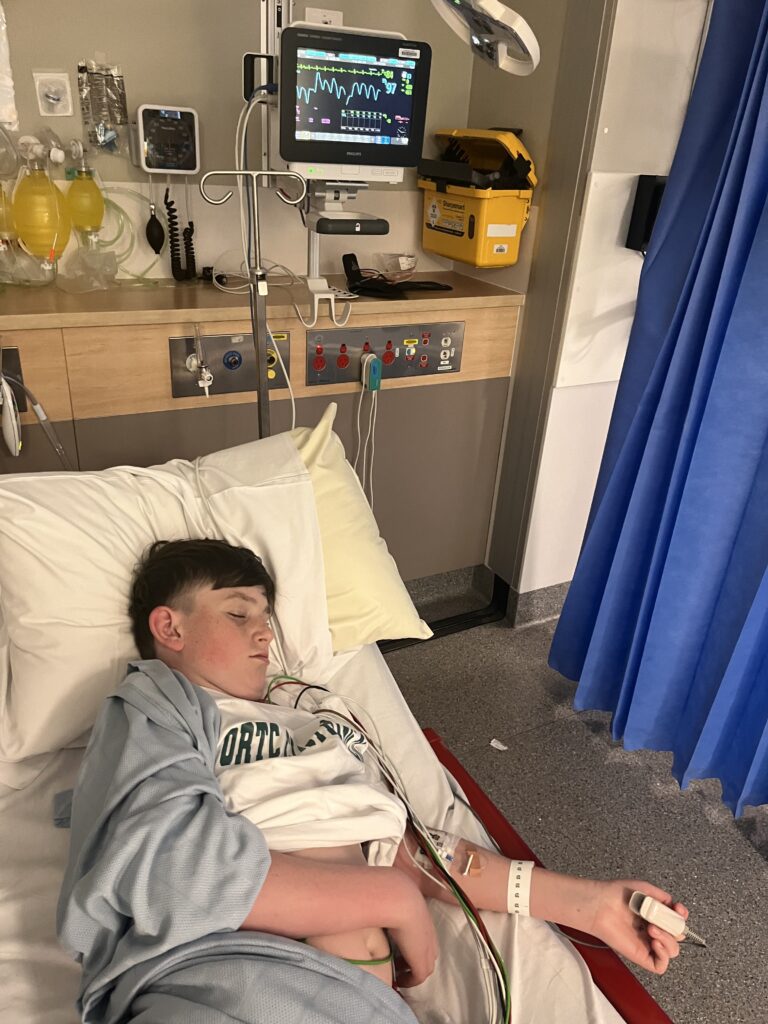
Levi’s medical journey began shortly after birth when he was transferred to the Women’s and Children’s Hospital with breathing and feeding difficulties. He spent his first months in hospital and the first 18 months of his life reliant on oxygen and tube feeding.
Over the years, he has received care from numerous specialist teams across the hospital, including Respiratory, Craniofacial, Neurology, Genetics, Cardiology, Physiotherapy and Nutrition.
Although his condition remains undiagnosed, Levi and his family continue to work closely with specialists and researchers seeking answers.
“The hardest part has probably been living with uncertainty,” said Levi’s mum, Kerrin.
“The moments of hope have come through the dedication of the clinicians and researchers who continue searching for answers. Every new test, every research project and every piece of information brings renewed optimism that we are one step closer to understanding Levi’s condition.”
Supporting nutrition and growth
The Nutrition team has become an important part of Levi’s care after significant and rapid weight loss related to his underlying condition.
“Jodi (Senior Clinical Dietitian and Nutrition Clinical Lead) has worked closely with him to develop alternative strategies, including nutritional supplements, meal planning and practical dietary advice aimed at helping him regain and maintain a healthy weight,” Kerrin said.
“Her support has been both professional and incredibly compassionate.”
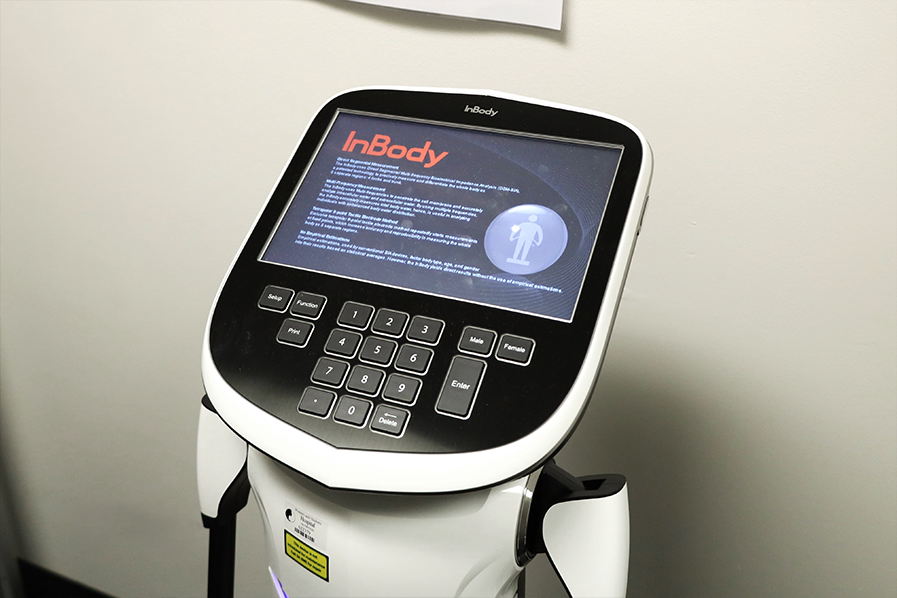
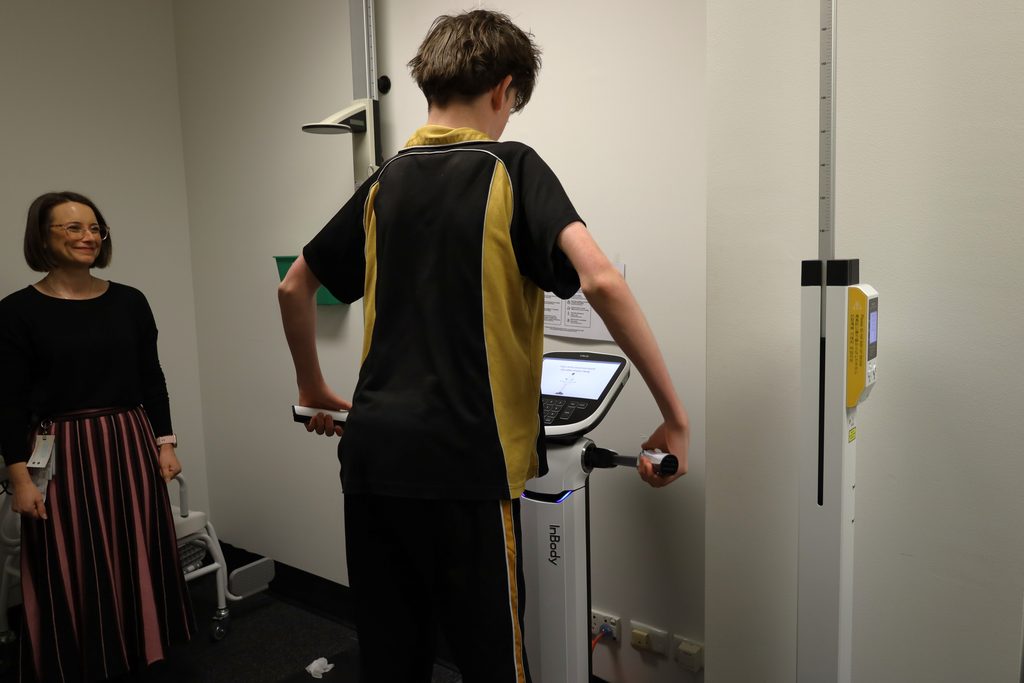
The team’s work is now being strengthened by the new InBody 580 body composition analyser. Unlike traditional measurements such as weight, height and Body Mass Index (BMI), the technology provides detailed information about muscle mass, fat mass and fluid balance.
For example, the scales can also help identify fluid changes in children with renal or liver disease, where fluid accumulation can affect body weight and make nutritional status more difficult to assess accurately.
Suitable for children as young as three years old, the scales provide detailed information in a matter of seconds, making them easy to incorporate into routine appointments.
Jodi says the technology fills an important gap in paediatric nutrition assessment.
“High-specification body composition scales such as the InBody 580 can help us better assess nutritional status and provide patients with more information and targeted, individualised goals,” Jodi said.
Making a difference for families
For families like Levi’s, the technology offers reassurance that clinicians have access to more information when making decisions about care.
“The new body composition technology is a fantastic addition,” Kerrin said.
“For Levi, it was easy and comfortable, which is particularly important for children and teenagers who already spend a lot of time attending medical appointments.”
Through the generosity of donors, children like Levi are benefiting from advanced tools that help clinicians look beyond the numbers, delivering more personalised care and supporting healthier futures.