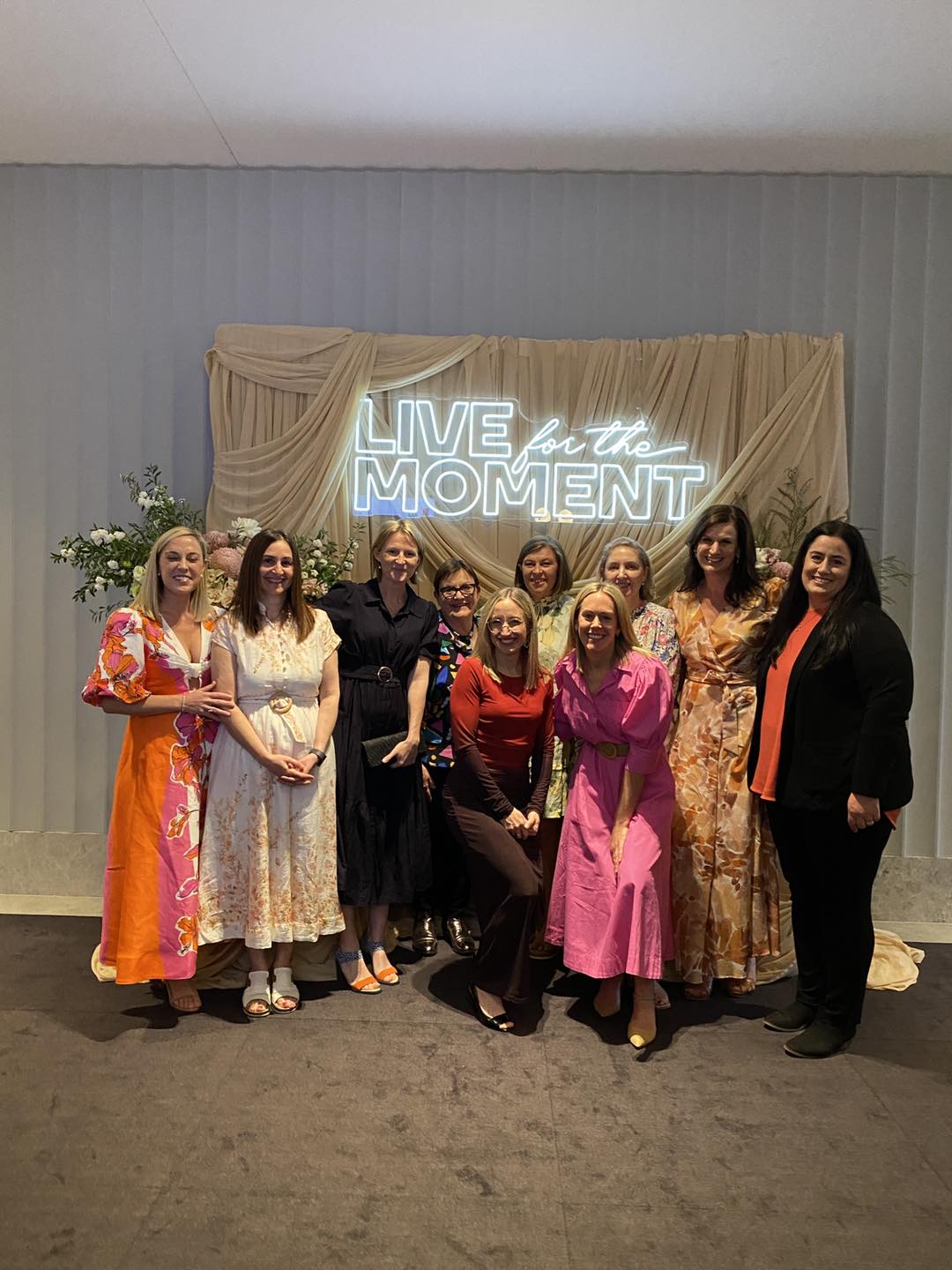
Every September, we pause to reflect on the immense strength of children facing cancer, and the courage of their families who walk beside them. Childhood Cancer Awareness Month is not just about raising awareness, it’s about honouring the stories, the challenges, and the legacies of those who have faced this journey. One of those stories is Lucy’s, whose kindness and determination continue to inspire lasting change.

In 2007, at just six years old, Lucy was diagnosed with brain cancer. For the next 18 months, she received treatment at the Women’s and Children’s Hospital (WCH). Her strength and determination were nothing short of extraordinary. She never once asked, “Why me?” Instead, she faced every challenge with courage and resilience.

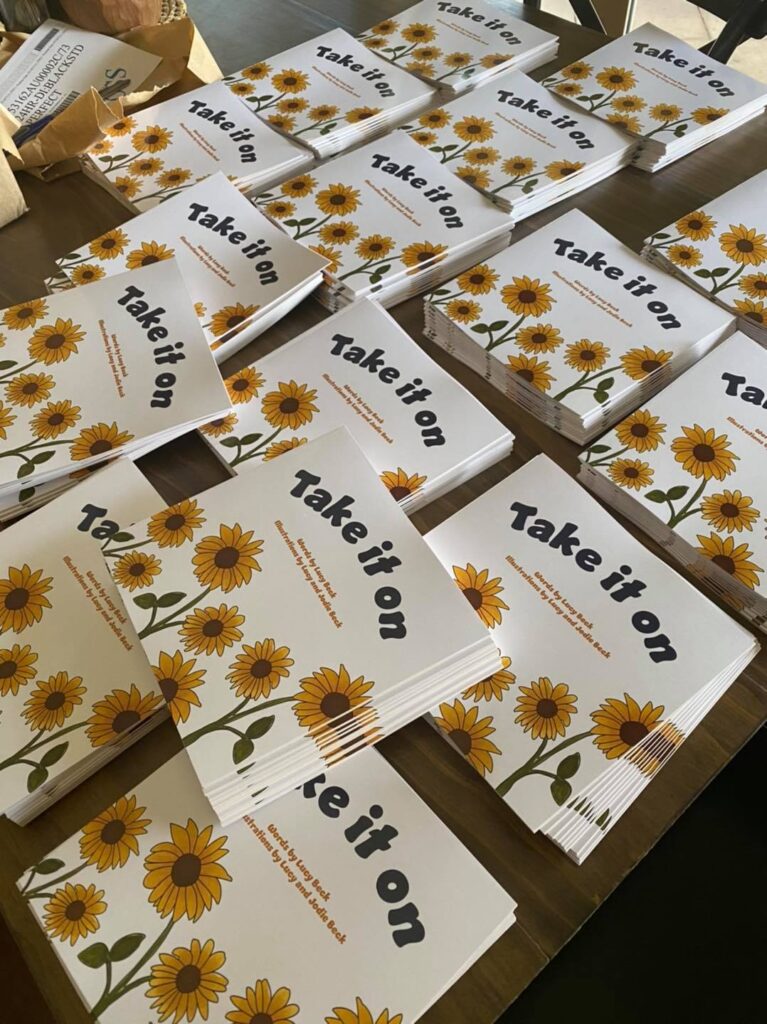
Lucy’s compassion for others was just as strong as her fight. At the age of 15, she wrote a children’s book called Take it On with the hope that other kids with cancer would never feel alone in their journey.
Tragically, on 9 June 2020, Lucy suffered a sudden brain haemorrhage and passed away the following day. 

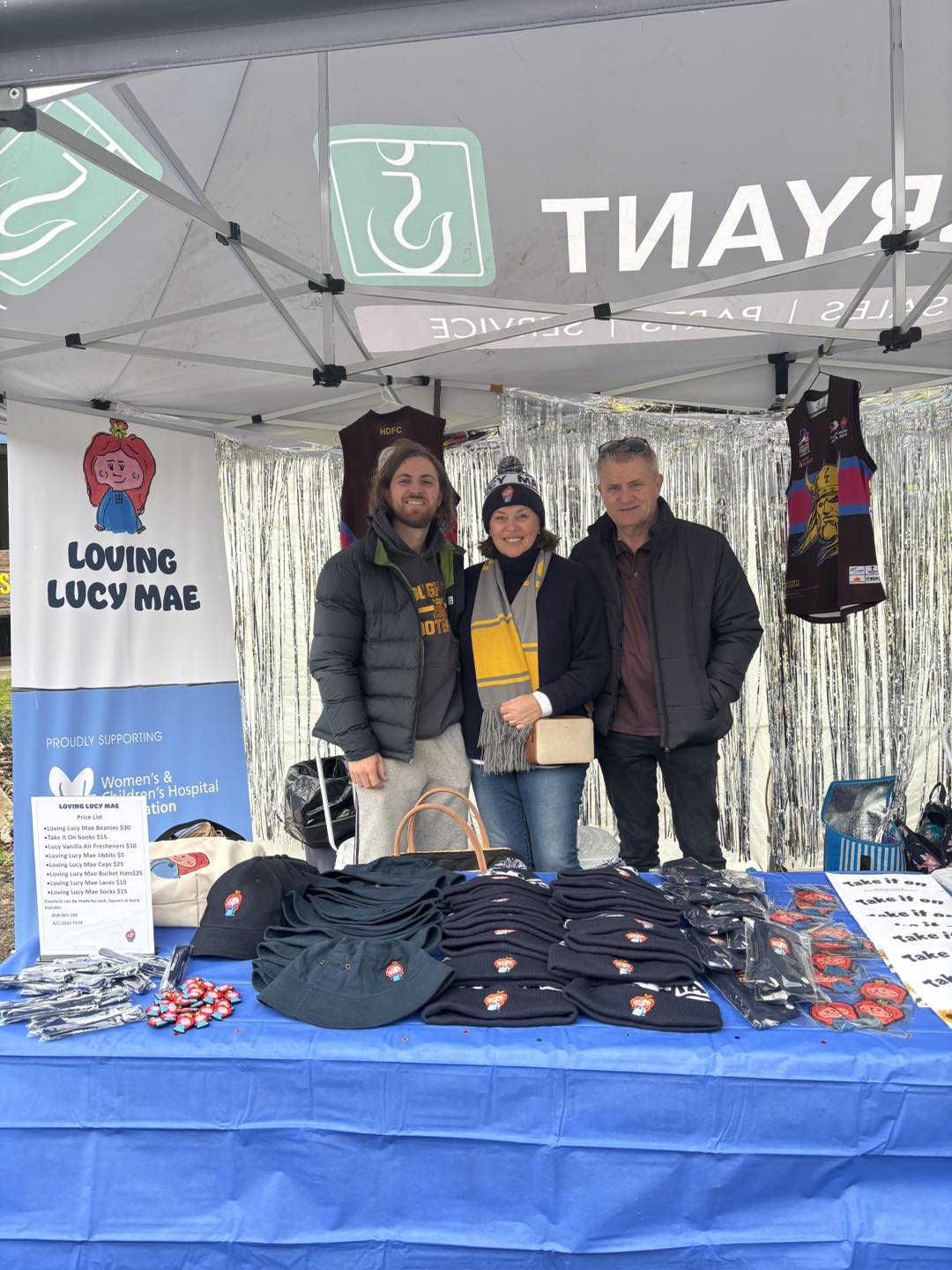
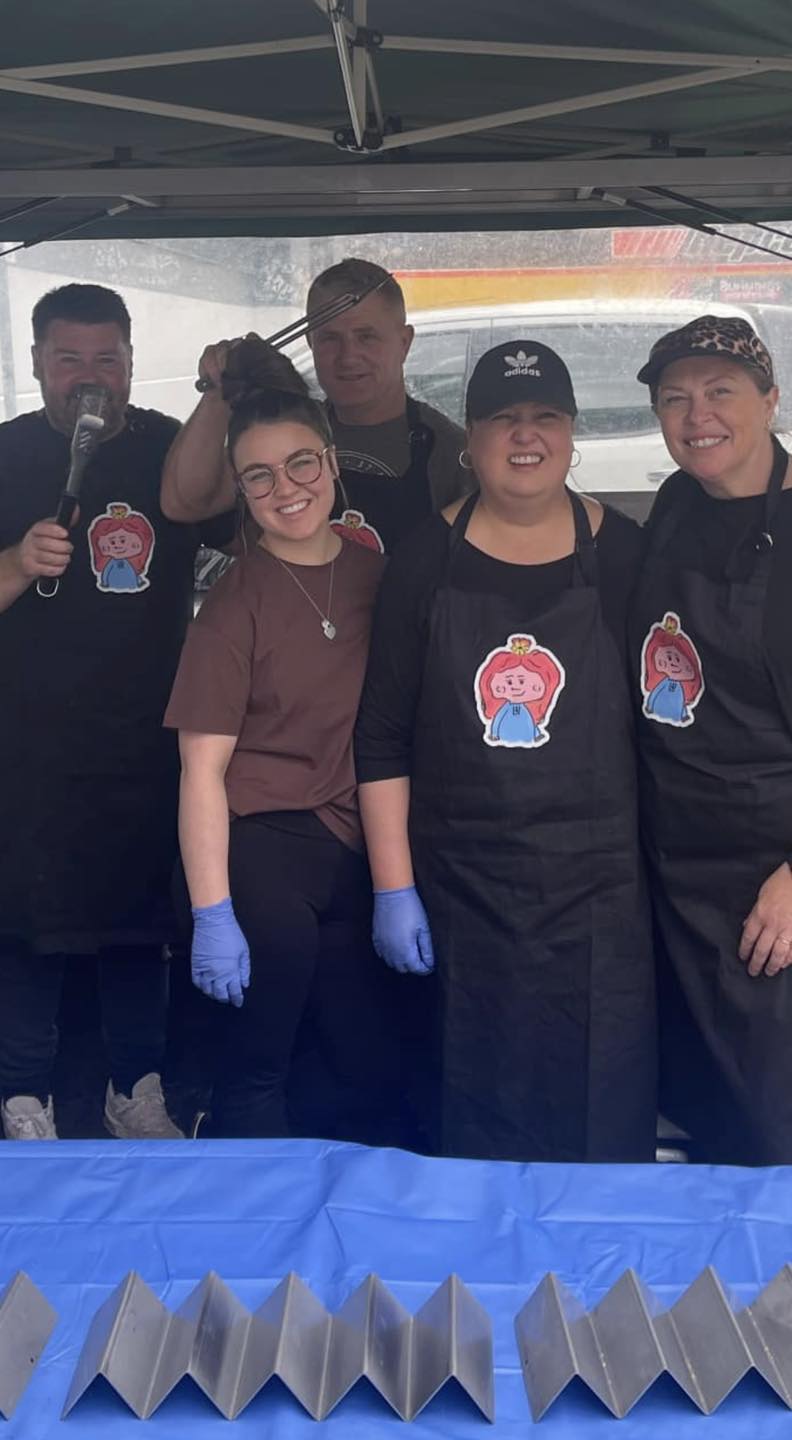
But Lucy’s legacy lives on. Her mum, Jodie, has dedicated herself to ensuring Lucy is never forgotten, rallying their community in her memory. From Bunnings sausage sizzles to gala balls marking what would have been Lucy’s 24th birthday, Jodie’s efforts have raised nearly $25,000 for the Loving Lucy Mae Fund at the WCH Foundation.
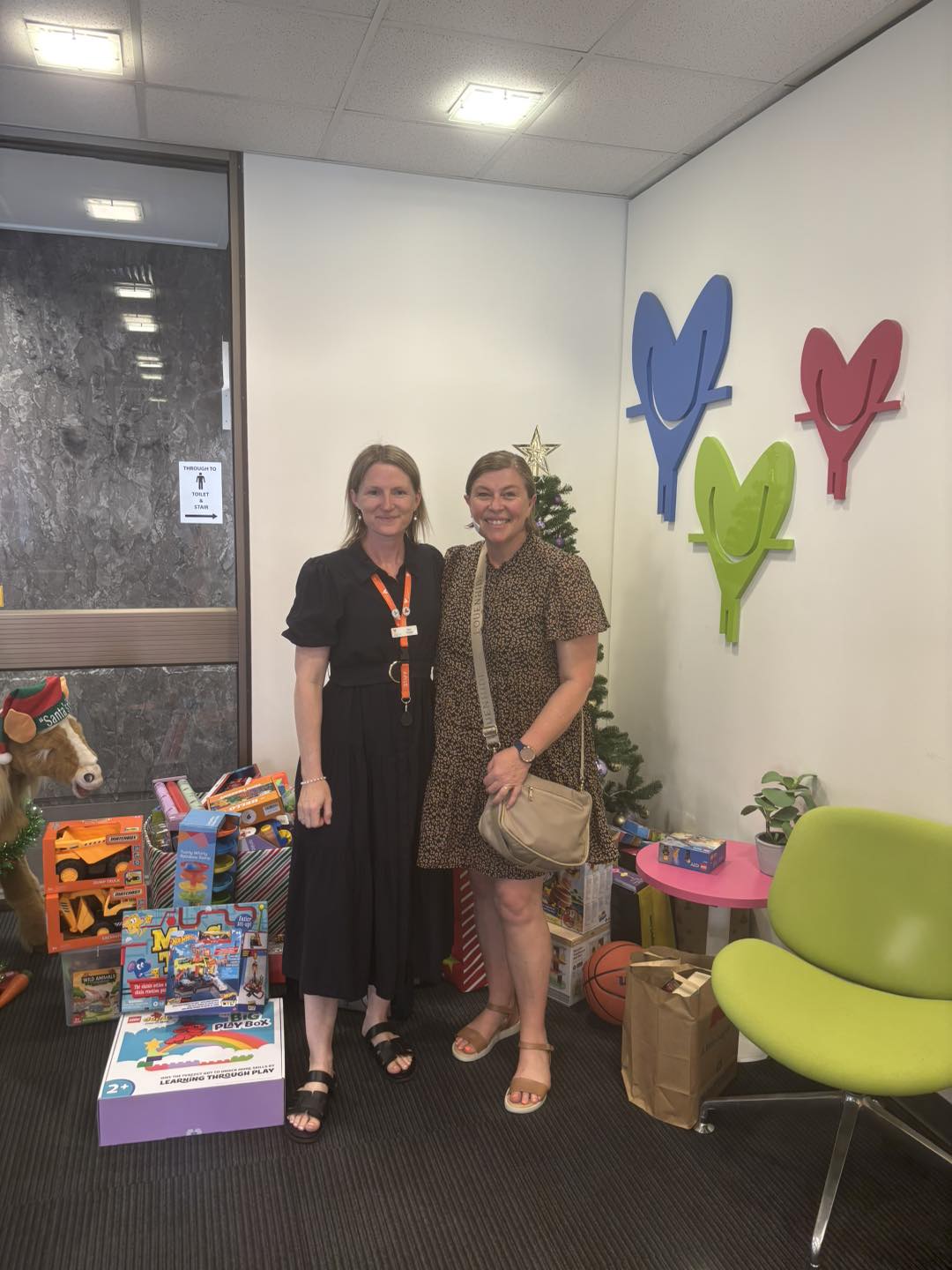
Most recently, these funds have been directed toward the Oncology@Home project at the WCH. This initiative is designed to make life a little easier for children with cancer and blood disorders, and their families. Instead of long drives to the hospital or extended stays on the ward, this project will help deliver more treatments where kids feel safest and most comfortable – at home. 

The Loving Lucy Mae Fund has contributed an initial $15,000 to support a dedicated project nurse who is working to explore what’s needed to safely provide more care at home. Over three months, the nurse will consult with families, health professionals, and service providers to shape the best possible model of care. 

These findings will lay the foundation for a future where children can receive vital treatment without leaving the comfort and security of home, reducing the emotional and practical strain that hospital visits so often bring.

Lucy’s story reminds us of the resilience of children facing cancer and the incredible impact one family’s determination can have. This Childhood Cancer Awareness Month, we honour Lucy, her family, and every child who has faced or is facing this journey. 

Donate today to support children like Lucy and help bring vital care to their homes.

The Chad Hancock Support Program, administered through the WCH Foundation, was established in partnership with the Chad Hancock Cancer Foundation for Young Adults.

The Chad Hancock Cancer Foundation, which wound down earlier this year, was established in 2005, in memory of Chad Hancock. Chad was a young adult who battled with cancer for four years before passing away in 2004 at the age of 22.

Through the ongoing support of the founders, the program provides funding to assist with support services for young adults in South Australia and the Northern Territory, aged 15-28, who have been diagnosed with cancer.

This includes financial assistance or things such as utility bills like rent and power, vehicle registration or transport for treatment, accommodation and travel costs, food and fuel vouchers, wigs, education expenses and physio intervention.

As well as this, we support gym memberships and exercise physiology as part of the Youth Cancer Service SA/NT cancer and exercise program.

25-year-old Jackson was diagnosed with Acute Myeloid Leukemia (AML) at the age of 24 and is part of the Youth Cancer Service exercise program.

“He says, “I was doing small movement up until about seven months ago, when I was good enough to start doing this stuff. Before that, they would come to my place and to the hospital, and it was just a lot catch with a kilo medicine ball and things like that. I was down to about 50 kilos, so I was very limited, I couldn’t do a whole lot. Some days, they would just move me around, just lifting my legs and things like that because I couldn’t.”

“Then when I was fit enough, and I got the tick from my hematologist to start coming to gym, we started coming and doing this. It’s been good in the past six months to start putting on weight and being able to do more actual strength work.”

“It’s good meeting people through the Youth Cancer Service too, that’s been really nice meeting people who have gone through similar sorts of things.”

21-year-old Elias started with the program just over two years ago after doing some rehabilitation after surgery.

He says, “There have been two different kinds of benefits, both physical and personal.”

“When I joined the gym group, I was very shy and reserved, and I didn’t really have an opportunity to meet anyone in my situation – young people going through cancer health treatment. So I was able to develop friendships, meet other people, kind of network and gain new friends, but also physically learn how to exercise safely in a manner that benefits me and isn’t at risk of putting myself in danger with my different health parameters.”

“As my individual journey has progressed, it’s kind of developed into more of a mentorship program in which I can experience and receive quality mentorship and guidance in a safe, controlled environment where my individual needs are met, with the ability to have access to good equipment and very highly trained professionals.”

“I think it’s very important that we’re supporting people to have access to this kind of support.”

Young people can access the Chad Hancock Support Program upon referral by the Youth Cancer Service.

Sign up for our latest news

"*" indicates required fields

This field is for validation purposes and should be left unchanged.

Name *

Name*

Email *

Email*