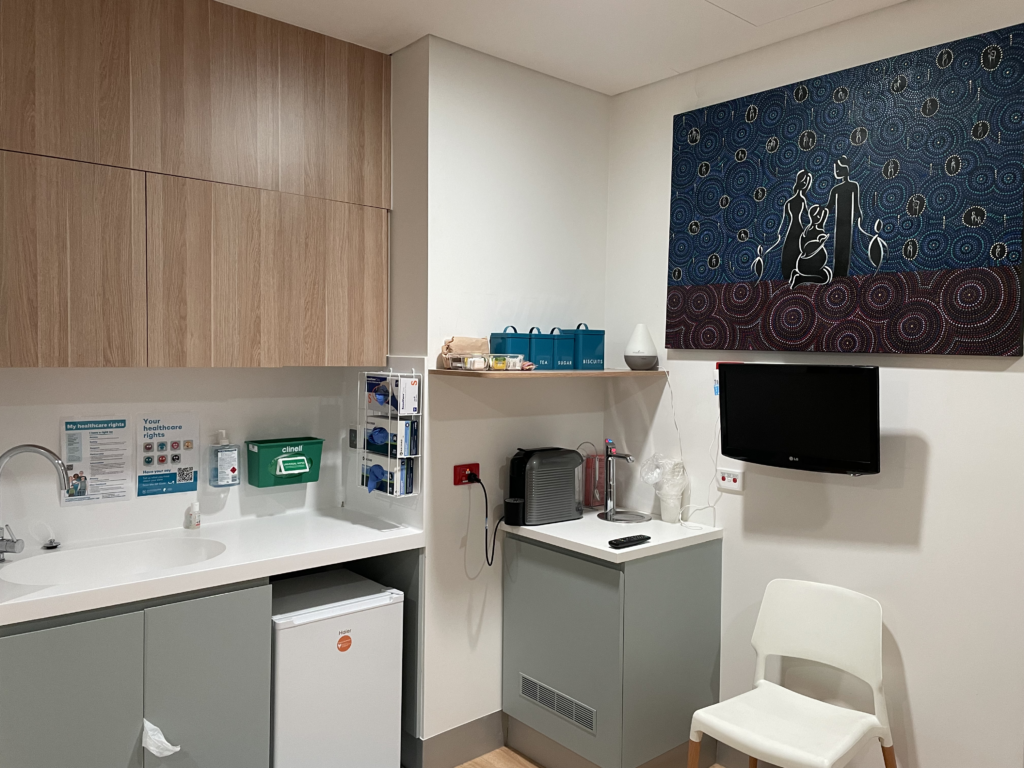
Within the Neonatal Intensive Care (NIC) at the Women’s and Children’s Hospital (WCH) is a unique and quiet space known as the Mayfly Room.

This space serves as a sanctuary for families experiencing the loss of a baby, offering them a private place to grieve, connect, and create lasting memories.

Over the past year, this special room has provided comfort to 12 families. Designed to be a “home away from home,” its less clinical environment allows families to spend precious time with their little one. Here, they can share moments that will be cherished forever, from creating special artwork to spending quiet nights holding their baby skin-to-skin.

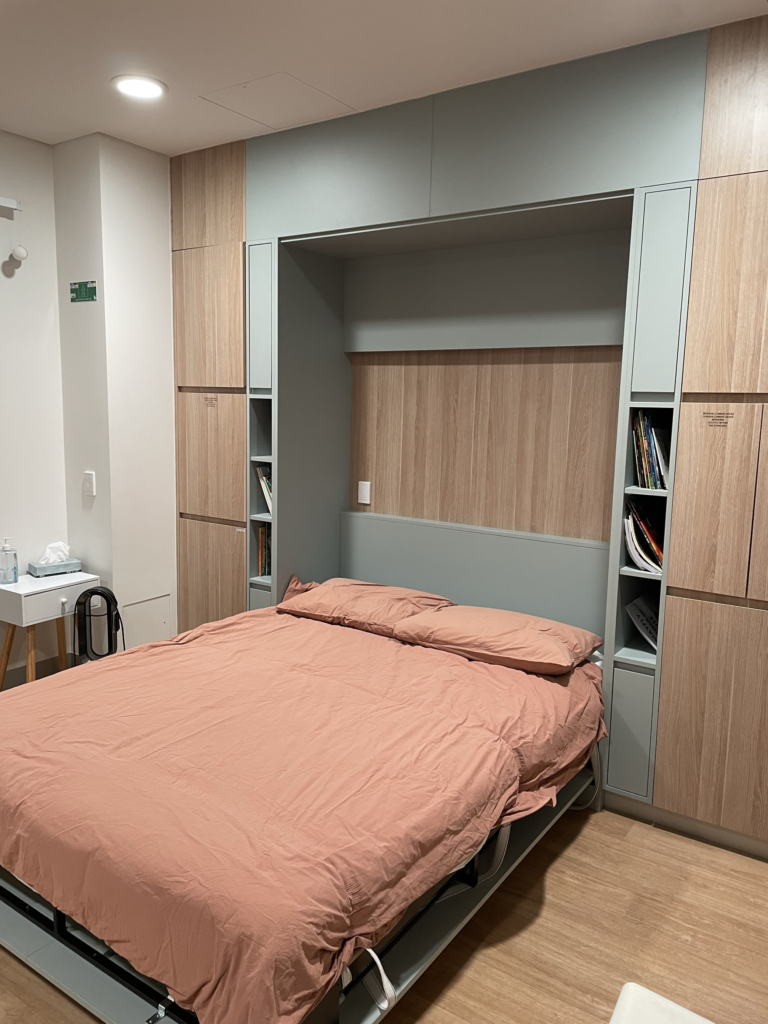
Complete with a bed, private shower, and kitchen facilities, the Mayfly Room is a haven for love, connection, and healing.

Neonatal Services (NNS) nurse Georgina has seen the vital impact of the room firsthand. “This space allows families to process their grief and loss in a much more private and personal way while making a lifetime of memories with their little one,” she shares.

“Many of these families have welcomed loved ones, held blessings or baptisms in private, and created handprint artwork with siblings and their baby.”

Its creation was inspired by the compassion and vision of Rebecca May, a dedicated NNS nurse who recognised the need for a comfortable, private space for families facing loss. With the support of our generous community, we were able to bring the Mayfly Room to life, providing families with a place to create memories and find comfort.

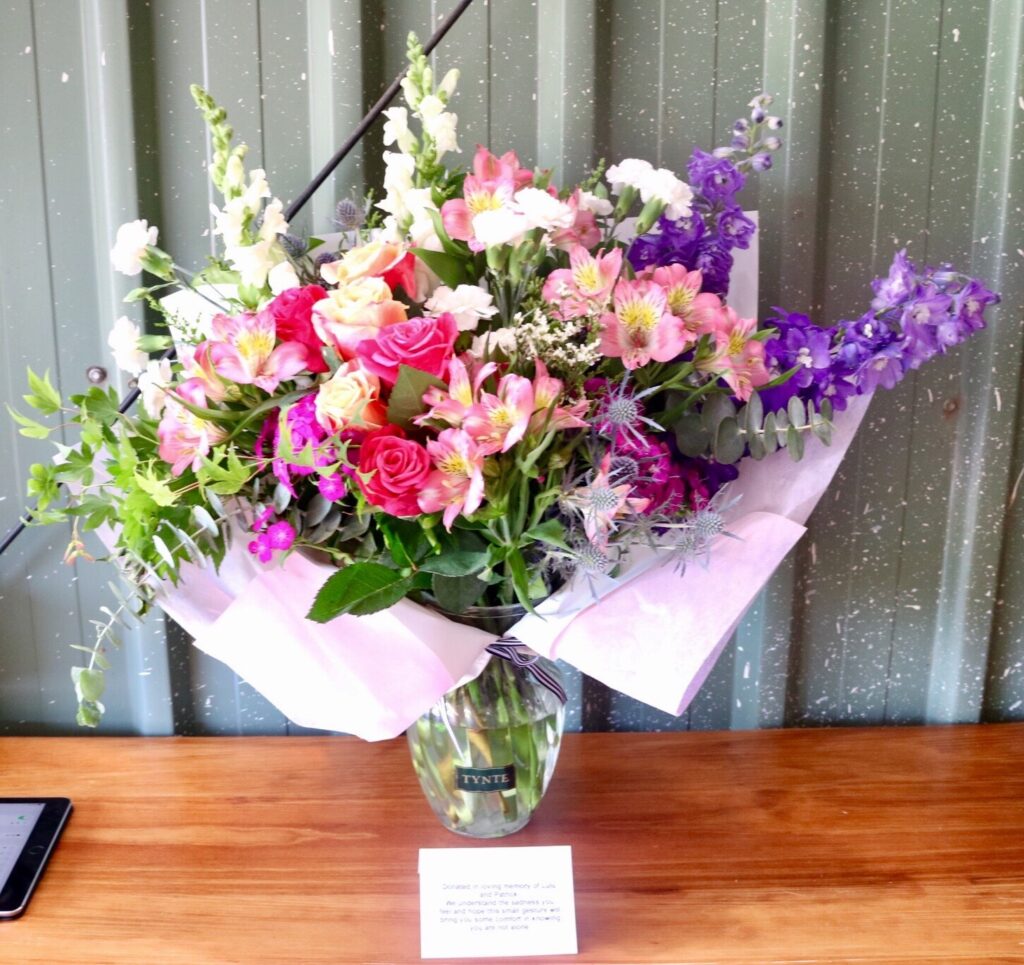
When the Mayfly room is in use, the Women’s & Children’s Hospital Foundation, with support from Paddy and Lulu’s Gift, assists families through the provision of meals, as well as flowers and items to assist with memory making. These gestures of care help to bring a small measure of light to families during their darkest days.
For some families, the joy of welcoming a newborn is quickly overshadowed by fear when their baby is born with a congenital condition requiring urgent surgery.

These major abdominal or chest surgeries, though rare, account for 17% of all Neonatal Intensive Care Unit (NICU) admissions in Australia. For these tiny patients, recovery is a delicate and challenging process.

Feeding after surgery is one of the biggest hurdles. Instead of breastmilk or formula, these newborns often rely on intravenous nutrition made up of carbohydrates, fats, and amino acids. Until now, the standard practice has been to provide all these components immediately. However, emerging evidence suggests that delaying amino acids in critically ill children may significantly improve recovery, reducing time in intensive care by nearly one-third and time on breathing support by almost half. The youngest and most vulnerable patients may benefit the most.

Despite this promising evidence, no large-scale study has ever tested whether this approach works for surgical newborns. Without robust data, doctors cannot confidently change practice, leaving families to endure long, stressful, and costly hospital stays.

That’s where the DELA3Y Trial comes in.

Supported through the WCH Foundation’s Bloom Research Program, Professor Michael Stark and his team are leading a world-first clinical trial to investigate whether a simple change in nutritional timing can transform outcomes for babies recovering from major surgery. This groundbreaking study will compare early versus delayed provision of amino acids in newborns and measure the impact on their recovery.

“Because it’s a simple intervention, there’s every chance that it will be rapidly translated into clinical practice and change the approach to neonatal care for these babies worldwide” – Professor Michael Stark

If successful, the DELA3Y Trial could shorten intensive care stays, reduce reliance on breathing support, improve long-term health outcomes, and revolutionize global medical practice with a simple, cost-effective intervention for NICUs. Prof. Stark’s work has the potential to make a lasting impact on the lives of the youngest and most vulnerable members of our community.

Find out more about the research we support, here.

Sign up for our latest news

"*" indicates required fields

This field is for validation purposes and should be left unchanged.

Name *

Name*

Email *

Email*