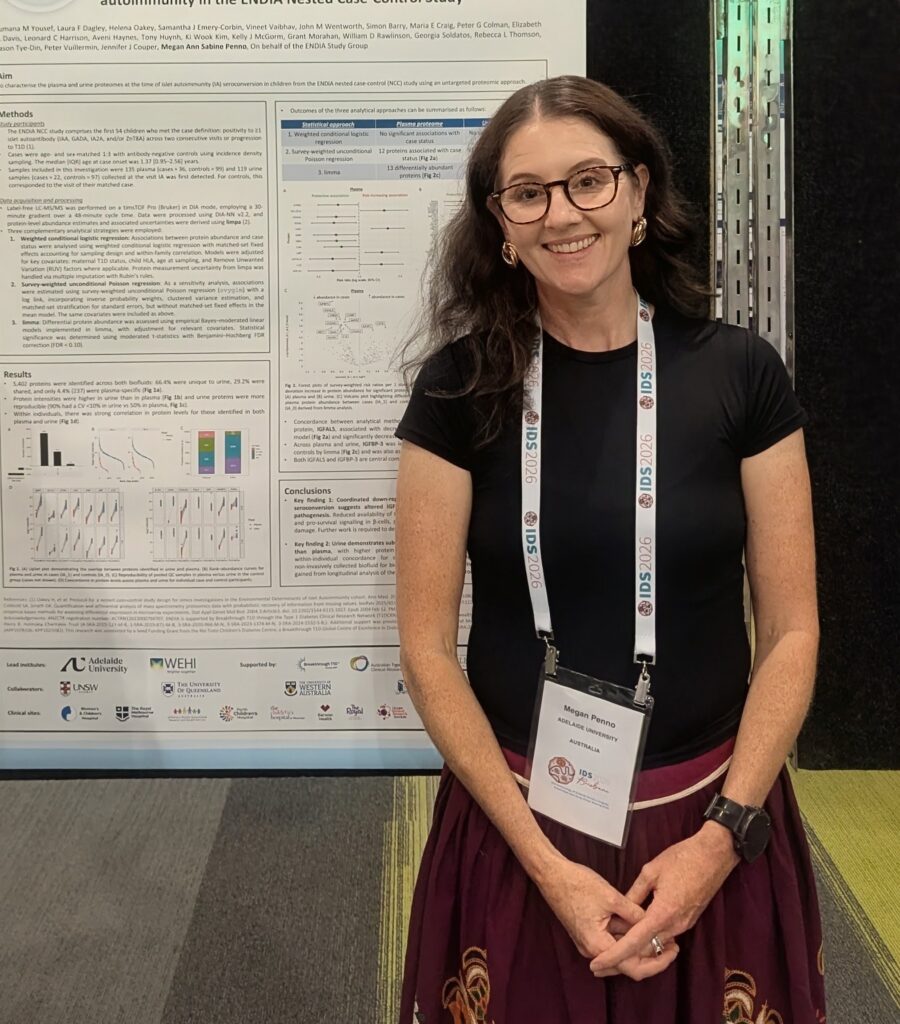
Alkisty Long was awarded the 2020 Matthew Scriver PICU Nurses Scholarship for her innovative project, The Screening and Follow-Up for Post-Intensive Care Syndrome in Paediatric Patients (PICS-p). While the project’s start was delayed until 2023 due to the COVID-19 pandemic, her work has since significantly advanced understanding of the long-term challenges faced by children following admission to a Paediatric Intensive Care Unit (PICU).

Alkisty’s project aimed to explore existing knowledge, identify at-risk patients, and establish the foundations for a paediatric-specific screening tool and family education resource. Her efforts have brought much-needed attention to Post-Intensive Care Syndrome in Paediatrics (PICS-p), a condition that can affect children physically, cognitively, and emotionally after critical illness.

“Before the follow-up program was established, children who had received Extracorporeal Membrane Oxygenation (ECMO), a life-support treatment that oxygenates the blood outside the body, had no structured support after leaving PICU,” Alkisty explained.

“Families often faced anxiety and uncertainty, unsure what signs to watch for, how to support their child’s recovery, or where to turn if complications arose.”

Through the newly developed ECMO follow-up program, children were assessed for potential post-intensive care complications, and families received tailored guidance and resources. This included education on the physical, cognitive, and emotional changes that can occur after PICU admission, as well as connections to appropriate support services. The proactive approach allowed the clinical team to identify early signs of difficulties and intervene promptly, while families felt reassured and confident in their child’s recovery.

Reflecting on the program’s impact, Alkisty shared a particularly moving moment: “One of the most memorable moments in this project was during a follow-up assessment with a child who had recently been discharged from PICU after ECMO support. The family was clearly anxious, unsure what to expect during recovery, and overwhelmed by the many uncertainties following such a critical illness. As we went through the screening process and discussed the potential signs of PICS-p, I watched the tension gradually ease from their faces. Seeing the immediate difference that personalised support made for the family was incredibly moving. It reinforced the importance of this program and highlighted the real impact structured follow-up can have for families navigating life after PICU.”

Alkisty credited the scholarship’s grant funding for making this work possible.

“The support enabled the creation of a program that addresses a previously unmet need, demonstrating the tangible benefits of targeted funding for high-risk paediatric populations,” she said. “Families now receive the guidance and care they need, ensuring the long-term health and wellbeing of children recovering from the most critical illnesses.”

The Matthew Scriver PICU Nurses Scholarship was established in 2006 in memory of Matthew by his parents. Valued at up to $5,000, the scholarship supports projects undertaken by nurses working in the Women’s and Children’s Hospital PICU. This year, the scholarship has expanded to include allied health professionals, broadening its reach to support even more innovative initiatives. While all project types are eligible, the scholarship strongly encourages projects focused on holistic and psychosocial care for children and their families, particularly those experiencing extended stays in the PICU.

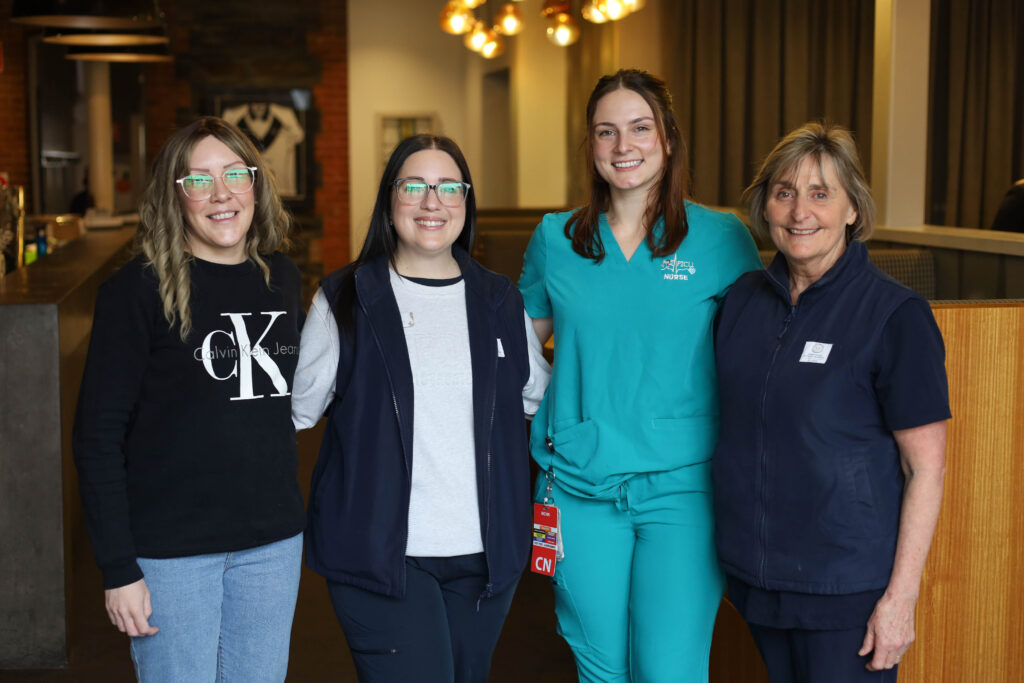
L-R: Past recipients of the Matthew Scriver PICU Nurses Scholarship, Carley Manhire, Alkisty Long, Alyssia Baker and Cathy Lyon.

For families affected by Morquio syndrome (MPS IV), life takes a heartbreaking turn. While children may appear healthy at birth, they soon begin to regress, developing severe skeletal abnormalities that lead to permanent disability, chronic pain, and tragically, a shortened lifespan.

Morquio syndrome comes in two forms type A (MPS IVA) and type B (MPS IVB). Current treatments offer little relief. For type A, enzyme therapy can ease some symptoms, but it does not address the painful bone problems that severely impact a child’s quality of life. For type B, there are no approved treatments at all. Families are left with few options and an urgent need for research and hope.

One of the biggest challenges in finding effective therapies is the lack of reliable animal models that mimic the disease as it appears in children. Existing mouse and rat models fail to replicate the severe bone defects that make Morquio syndrome so debilitating. Without better models, researchers are limited in their ability to test new treatments effectively and efficiently.

That’s why the WCH Foundation is proud to support Dr. Karissa Barthelson’s groundbreaking work to develop zebrafish models of Morquio syndrome. Zebrafish, with their genetic similarities to humans and bone development pathways that closely mirror our own, offer a promising new avenue for research. Their small size and rapid growth also make them ideal for large-scale therapeutic testing.

“Zebrafish are the second most common model organism in biomedical research, after rodents. Biologically, when we compare humans to zebrafish, the way that our bones and zebrafish bones develop, there’s a lot of similarities.” – Dr Karissa Barthelson

This work has the potential to accelerate global research into Morquio syndrome, opening new possibilities for treatment and offering hope to children and families who currently have none.

This vital research is funded through the Malcolm Douglas Grant Research Fund, a memorial fund established to support international-standard research into the causes and treatments of Morquio syndrome, other mucopolysaccharidoses, and genetic disorders involving bone dysplasias within the lysosomal storage disorders group.

By charting new waters with zebrafish models, Dr. Barthelson’s work has the potential to transform the future for children living with Morquio syndrome.

Find out more about the research we support, here.

For some families, the joy of welcoming a newborn is quickly overshadowed by fear when their baby is born with a congenital condition requiring urgent surgery.

These major abdominal or chest surgeries, though rare, account for 17% of all Neonatal Intensive Care Unit (NICU) admissions in Australia. For these tiny patients, recovery is a delicate and challenging process.

Feeding after surgery is one of the biggest hurdles. Instead of breastmilk or formula, these newborns often rely on intravenous nutrition made up of carbohydrates, fats, and amino acids. Until now, the standard practice has been to provide all these components immediately. However, emerging evidence suggests that delaying amino acids in critically ill children may significantly improve recovery, reducing time in intensive care by nearly one-third and time on breathing support by almost half. The youngest and most vulnerable patients may benefit the most.

Despite this promising evidence, no large-scale study has ever tested whether this approach works for surgical newborns. Without robust data, doctors cannot confidently change practice, leaving families to endure long, stressful, and costly hospital stays.

That’s where the DELA3Y Trial comes in.

Supported through the WCH Foundation’s Bloom Research Program, Professor Michael Stark and his team are leading a world-first clinical trial to investigate whether a simple change in nutritional timing can transform outcomes for babies recovering from major surgery. This groundbreaking study will compare early versus delayed provision of amino acids in newborns and measure the impact on their recovery.

“Because it’s a simple intervention, there’s every chance that it will be rapidly translated into clinical practice and change the approach to neonatal care for these babies worldwide” – Professor Michael Stark

If successful, the DELA3Y Trial could shorten intensive care stays, reduce reliance on breathing support, improve long-term health outcomes, and revolutionize global medical practice with a simple, cost-effective intervention for NICUs. Prof. Stark’s work has the potential to make a lasting impact on the lives of the youngest and most vulnerable members of our community.

Find out more about the research we support, here.

Childhood dementia is a devastating condition caused by more than 145 rare genetic disorders, affecting 1 in every 2,900 births.

For children and their families, the impact is profound. As the disease progresses, children lose the skills they’ve worked so hard to develop; walking, talking, eating, and face a rapid decline. With no effective treatments, half of these children will not live to see their 10th birthday, and 70% will not reach adulthood.

But there is hope on the horizon.

A promising drug, N-acetyl-L-leucine (NAL), has already been approved in the United States for one form of childhood dementia, Niemann-Pick disease type C. It is also being trialed for other conditions, and early laboratory research here in Australia suggests that NAL could benefit other forms of childhood dementia that currently have no approved treatments. These include Sanfilippo syndrome, which robs children of their abilities and often leads to death in their teenage years, and GM1 gangliosidosis, an even more aggressive condition where some children diagnosed in infancy may not survive beyond their second birthday.

For families, these diagnoses are heartbreaking, and the lack of treatment options compounds their despair. That’s why the WCH Foundation is proud to support Professor Kim Hemsley’s groundbreaking research to evaluate NAL as a potential treatment for these devastating diseases.

This work will also lay the groundwork for clinical trials, bringing us closer to life-changing therapies for these devastating conditions.

“Wins are few and far between in medical research, and for us in this field, it’s personal. We know these families, and we care about these families. So to realise that you have the funding to potentially make a difference, that’s a very good day.” – Professor Kim Hemsley

Through this vital research, Prof. Hemsley and her team are working to transform the future for children living with childhood dementia. By building on promising laboratory findings, this project has the potential to bring life-changing treatments within reach for children and families affected by this devastating disease.

Find out more about the research we support, here.

Every year, one in seven babies are born with seizures, developmental delays, or the risk of early death due to genetic changes that disrupt brain development.

Despite advances in identifying the genes involved, most of these children face a lifetime without effective treatments, leaving families with heartbreak and uncertainty.

A breakthrough technology called antisense oligonucleotides (ASOs) is offering new hope. These genetic therapies, already proven safe and effective in other diseases, have the potential to transform outcomes for children with rare and devastating brain disorders. By targeting the root cause of these conditions at the genetic level, ASOs could provide treatments where none currently exist.

At present, children with conditions like PCDH19 clustering epilepsy, a severe form of epilepsy that primarily affects girls, and TIMMDC1 neurodegenerative disorder, a rare and life-limiting disease, have few, if any, treatment options. Families are left with no therapies that can truly change their child’s future, compounding the distress of these diagnoses.

The WCH Foundation is proud to support Professors Jozef Gecz and Paul Thomas, along with their multidisciplinary team, in their groundbreaking research to develop ASO therapies for these conditions.

Their work will test new ASO therapies in models that reflect how these diseases affect children, identify safe and effective doses to give children the best possible chance of benefit, and build a treatment pipeline that could be applied to many other rare childhood brain disorders in the future. This research represents a critical step forward in the fight against rare genetic brain disorders, offering families the possibility of treatments that were once unimaginable.

“The donors who make this possible are just phenomenal. I’m eternally grateful to everyone who donates to health and medical research, because in one way or the other, it comes back to all of us.” – Professor Jozef Gecz

Find out more about the research we support, here.

Helping infants feel safe, supported, and understood is one of the most powerful ways parents can nurture their child’s mental health and set the stage for positive social and emotional development.

Yet, for many new parents, the transition to parenthood is filled with the challenges of sleepless nights, soothing a crying baby, and building a strong parent–infant bond. Learning how to navigate these challenges before birth can make a world of difference, but few parents are given this opportunity.

To address this gap, Dr Alyssa Sawyer and her team at the University of Adelaide, SA Medical Imaging (SAMI), and the Women’s and Children’s Health Network (WCHN) developed an attachment-focused intervention. A pilot trial showed that parents facing social and emotional adversity improved their ability to bond with their baby, felt more confident as parents, and gained valuable knowledge about safe infant care. Importantly, parents who participated in the trial asked for one key change: to make this support available to all new parents, not just those at risk.

The WCH Foundation is proud to support the development of this program as a universal intervention, ensuring every family can benefit. The research team will work with parents and clinicians to adapt the program for delivery alongside routine care.

“What we’re hoping we’ll achieve is designing this intervention in a way that can support all parents who come through the hospital to have support for psychological and attachment relational health supported around their routine care across the antenatal and postnatal period.” – Dr Alyssa Sawyer

The program combines innovative approaches to support parents before and after birth, including attachment-focused ultrasounds at the 20-week scan to help parents connect with their baby, antenatal virtual home visits during pregnancy to help parents reflect on their baby’s experiences, and postnatal virtual home visits to provide guidance on bonding, managing crying and sleep, and supporting emotional development.

If successful, this project could strengthen parent–infant bonds, build parents’ confidence, promote infant mental health, and ensure universal access to early support, giving every baby the best possible start in life.

Find out more about the research we support, here.

Borderline Personality Disorder (BPD) is a serious mental health condition that makes managing emotions incredibly challenging. For mothers with BPD, who often carry their own histories of trauma, this can make it harder to respond to their baby’s needs and build the secure attachment every child relies on for healthy development.

When this bond is disrupted, children face a greater risk of developmental, emotional, and mental health challenges later in life. For mothers, the experience can be overwhelming, often leading to feelings of guilt and failure that make parenting even more difficult.

The Mother-Infant Dialectical Behaviour Therapy (MI-DBT) program, developed by the Women’s and Children’s Health Network (WCHN), is changing lives. This 24-session group program teaches emotional regulation and parenting skills to help mothers strengthen their bond with their babies. Mothers who participate often show incredible determination to give their child the best start in life, and the program has been highly successful in improving mother-infant relationships.

However, demand for MI-DBT far exceeds availability. Families face long waits for a place, and for those in rural or remote areas, the program is often out of reach entirely.

The WCH Foundation is proud to support A/Prof Anne Sved Williams and her team (Dr Rebecca Hill, pictured) in developing a telehealth version of MI-DBT, making it accessible to families no matter where they live.

“The benefit is in the relief of both their distress but also changing the trajectories for those kids so they might go on to have better futures and in turn, not repeat that intergenerational transmission.” – Dr Rebecca Hill

This innovative project will expand access to MI-DBT for mothers in rural and remote communities, reduce wait times for families eager to get help, and train more clinicians to ensure the program can grow and be delivered consistently nationwide. By breaking down barriers to care, this project has the potential to transform the lives of mothers and their children, building stronger, healthier families.

Find out more about the research we support, here.

At just eight years old, Divyank is a superhero fan with a big love his dog, Ruby.

In many ways, he’s just like other children his age. However, Divyank lives with a very rare genetic condition called Crouzon syndrome. Divyank has a severe case of craniosynostosis, a condition that causes the bones of the skull to fuse too early, affecting the development of his skull, eyes, nose, teeth, and spine. Because of this, Divyank requires ongoing specialist care and has already undergone dozens of surgeries in his short life.

For Divyank’s mum, Sabina, finding the right care was everything.

“We moved from Canberra to Adelaide because of the incredible Craniofacial and Neurosurgery specialists that the Women’s and Children’s Hospital have” she explains. We’ve been to many hospitals around Australia and the WCH is our favourite. The staff are warm, friendly and they truly hear us.”

Divyank is under the care of multiple teams at the Hospital, including ENT, Gastroenterology, Neurology, Orthopaedics and Speech Pathology. One of his many operations, including a tracheostomy, which requires frequent suction, tape and tube replacement. 

“Having a child with significant healthcare needs is hard,” Sabina shares. “Divyank needs suction throughout the night, so I rarely sleep for long stretches. But we’ve learned to manage, and we just do what’s needed to keep him safe and comfortable.”

The family works together to navigate the challenges. “It has been extremely tough at times,” says Sabina. “I am his full-time carer, and Sanjiv (his dad) often adjusts his work so he can support us with the many appointments. It hasn’t always been easy, but together we do our best to stay strong for Divyank.”  During hospital stays, Sabina says it’s often the small comforts that lift Divyank’s spirits and aid his recovery.

“Sometimes a nurse or therapist will find a special toy that they know Divyank likes. And the play spaces and children’s musical activities in the Hospital really help lift his spirits.”

And what does Divyank look forward to most when he goes home? “Treat-food Saturdays!” he says with a smile. As he is mostly liquid-fed, these special evenings at home enjoying his favourite meal (McDonald’s) are a treasured family ritual.


Despite the immense challenges they face, the family finds joy in their time together. “When we have Divyank at home with us, I forget the hardship and just feel happy and blessed to have him with us.”


The WCH Foundation is supporting innovative research offering new hope for children like Divyank. Led by Professor Peter Anderson, this work could delay or even eliminate the need for invasive surgery for infants with craniosynostosis, reducing the trauma and challenges faced by these children and their families. Read more on Professor Anderson’s research here.

What began as a three-year pilot funded by the Women’s & Children’s Hospital (WCH) Foundation has now secured ongoing support from the South Australian Government, following the program’s remarkable success.

The Cocoon Program, established in 2023 through funding from the WCH Foundation, provides a dedicated clinic for babies under 12 months. More than just general healthcare, Cocoon offers wraparound support that meets the emotional, physical, and mental health needs of infants during their crucial first year. By bringing together multiple aspects of care in one place, the program streamlines treatment and ensures babies receive the support they need, when they need it most. 

From inception to April 2025, the Cocoon Program has supported 132 infants, with families describing the service as ‘life-changing.’ The program was also recently honoured with major accolades, including the Outstanding Service Award at the 2025 South Australian Child Protection and Family Support Awards, and the Out of Hospital Strategies and Care Award at the 2025 WCHN Excellence Awards. 

The Cocoon Program team at the 2025 WCHN Excellence Awards. 

A program made possible through generosity

Cocoon’s success was only possible thanks to the generosity of its early supporters. 

Hospitals United for Sick Kids played a crucial role in launching the program, raising initial funds through community fundraising in partnership with Coles. 

Peter Kittle Toyota embodied the spirit of a community-minded business, providing significant support for Cocoon until it was adopted by SA Health. 

The WCH Foundation is proud to partner with companies like these, bringing together innovative clinicians and visionary philanthropists to create the greatest impact for children in our community. 

To learn more about the Cocoon Program, please visit here.

The Women’s & Children’s Hospital Foundation is proud to announce its 2025 research grant recipients, leading a diverse array of groundbreaking projects aimed at improving health outcomes for children and families.

Almost $3 million has been committed to these projects over the coming years, supporting vital research into mental health and rare diseases:

These projects aim to create transformational change in healthcare for families across South Australia and beyond.

Sign up for our latest news

"*" indicates required fields

This field is for validation purposes and should be left unchanged.

Name *

Name*

Email *

Email*