Child and Family Health Service (CaFHS) provides a key role in the screening of infants and children at over 100 locations across South Australia, from Mount Gambier to Coober Pedy and everywhere in between.

The service completes approximately 11,000 preschool health and development checks each year, which is just over half of the cohort of four-year-old children in South Australia.

As part of the four year health and development checks, vision screening is imperative in identifying issues that are detectable and treatable. Early identification and treatment of eye and vision problems aims to optimise vision prior to starting school and reduces the likelihood of permanent vision loss.

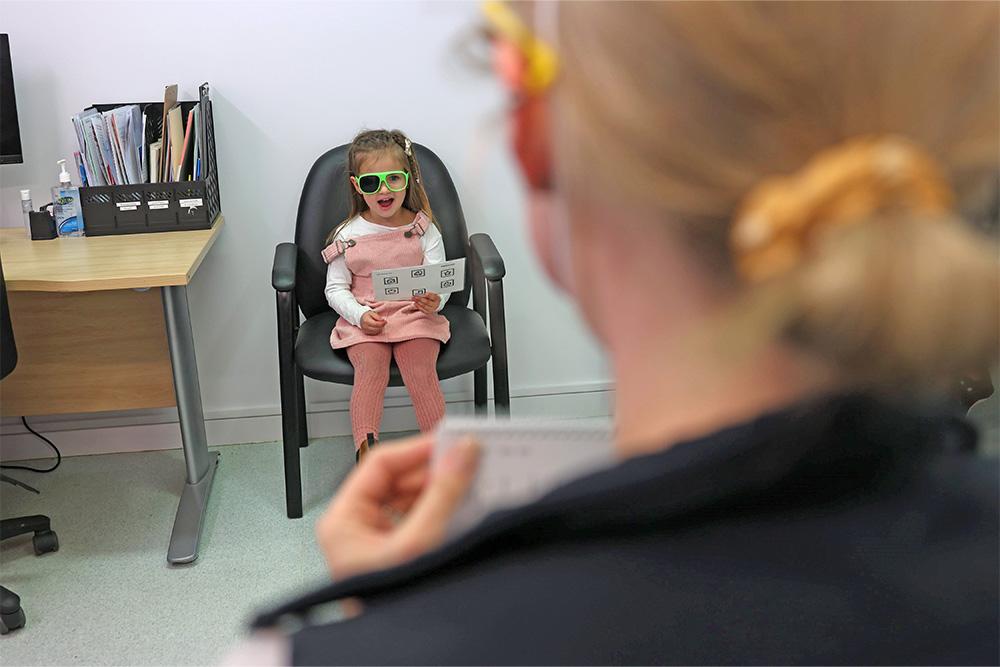
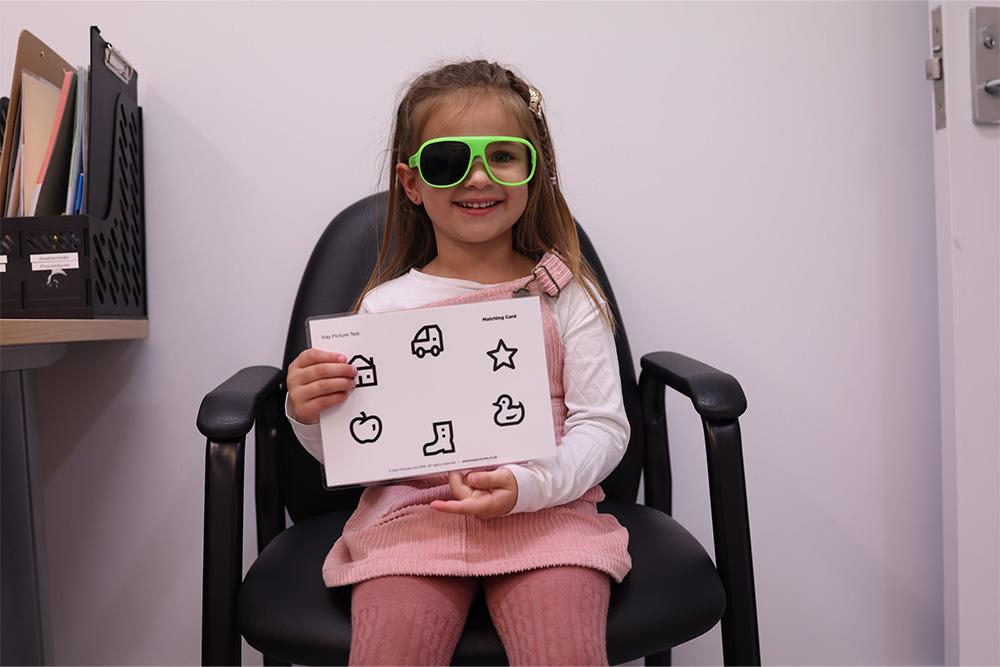
Ellora engaged in her vision screening test with a Kay Picture Test book.

We provided CaFHS with $18,000 to fund the purchase of 122 Kay Picture Test vision screening books – the ‘gold standard’ for vision assessment of four- to five-year-olds. Children engage in the fun ‘game’ of identifying the book’s pictures from a distance to test their eyesight during their preschool checks.

The books are significantly more user-friendly and age-appropriate than the previous charts used and are highly accurate and readily portable.

Four-year-old Ellora found the test lots of fun, making assessing her vision quick and easy!

Fiona Grant, CaFHS Acting Advanced Clinician, says, “The vision screening books will support a more user-friendly and best practice screening approach for the early detection of vision problems in young children.”

“This tool will support referral for further assessment and treatment if required before a child starts school and will positively impact their commencement in formal education.”

Ellora showing off this wonderful new tool for vision screening.

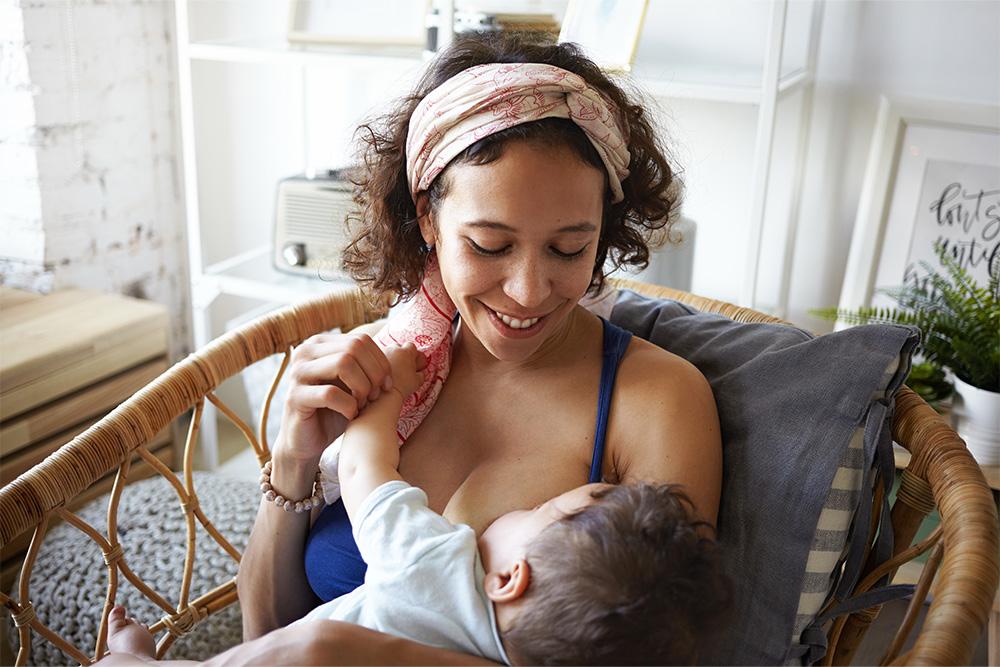
Breast milk has unique qualities that can protect babies from ear infections, vomiting, diarrhoea, chest infections, and asthma. However, some mothers of preterm infants can face challenges initiating and sustaining breastfeeding within the Hospital prior to taking their baby home.

When a baby is born early, they can face extra challenges breastfeeding because they cannot often feed directly at the breast. Breastfeeding rates in babies born late preterm are lower than those born at term. For mothers with late preterm babies cared for at Women’s and Children’s Hospital (WCH), breastfeeding initiation is over 90-95% and decreases to 77% by discharge home.

Current research, funded by the WCH Foundation and conducted by Dr Amy Keir, aims to establish improved supports for breastfeeding women with late preterm babies to increase these rates. Led by Dr Keir, the multidisciplinary team includes Lactation Consultants Susie Jones, Laura Summers and Jess Ramsay who are also nurses and/or midwives from the WCH.

Investing in research to increase breastfeeding rates.

The research has shaped a greater understanding of the challenges families and healthcare professionals face in providing breastmilk to babies born early and how to overcome them.

Dr Keir explains, “Preliminary results show that the project has already positively impacted clinical practice with the development of improved sustainable systems and is showing improvement in breastfeeding rates of babies on discharge from the Women’s and Children’s Hospital.”

This study is one of many we have supported aiming to improve the health and wellbeing of women, children and families under the care of the WCH.

To help us continue to invest in health and medical research in South Australia, click here.

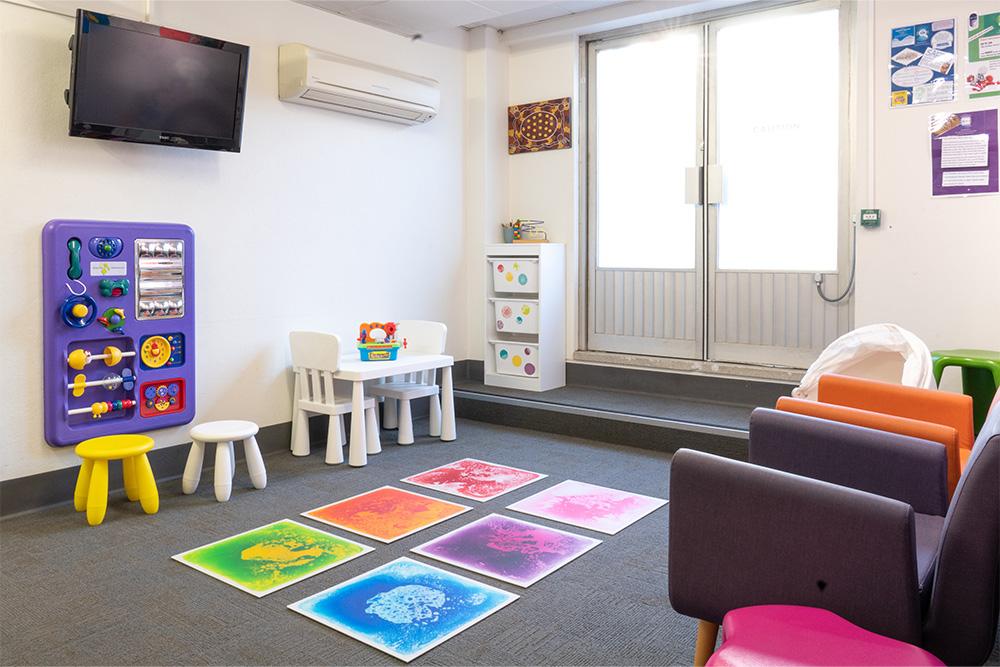
We have helped create a more welcoming and calming space for children at the Women’s and Children’s Hospital (WCH) Out of Home Care (OOHC) Clinic with $10,000 in funding.

Franca Foti, OOHC Clinical Coordinator, and Dr Jane Rosser, Paediatrician, led this initiative and shared their thoughts on the project:

“The OOHC Clinic at the WCH provides health assessments and reviews for children and young people under the Guardianship of the Chief Executive Officer of the Department for Child Protection (DCP). It is based in Child Protection Services within the WCH.

It is well documented that children and young people under Guardianship have higher medical, developmental, educational and psychiatric needs than other children, due to the nature of their prior experiences (abuse and neglect) or lack of access to preventative health services.

The OOHC Clinic aims to provide a comprehensive, child-friendly, trauma-informed service with a focus on improving the overall health and wellbeing of young people under Guardianship by identifying and responding to their physical, developmental, psychological and mental health needs.”

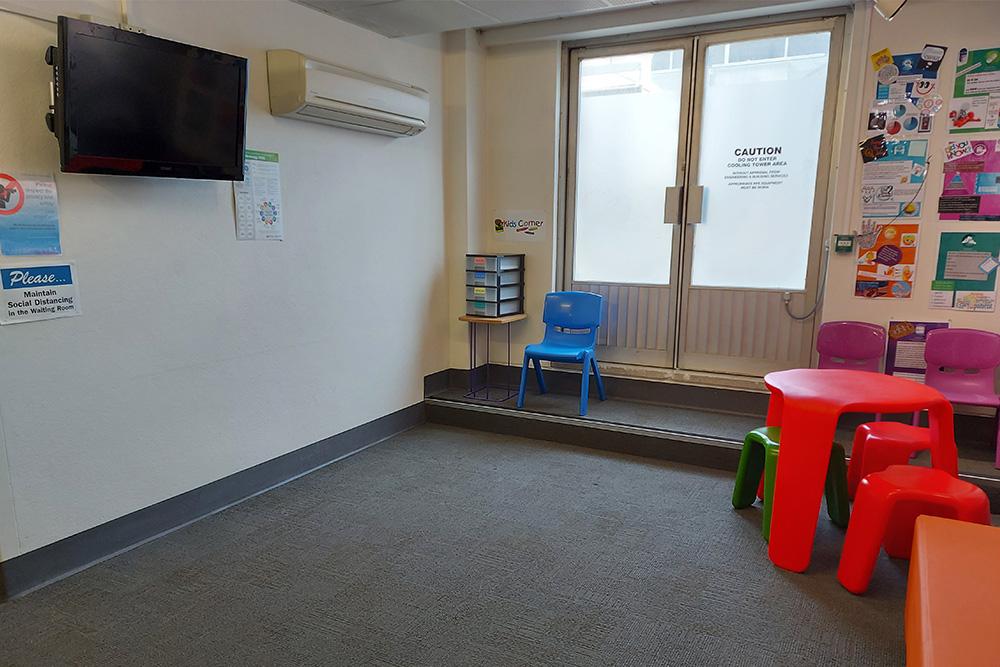
Before the purchase of new resources for the OOHC Clinic.

After the purchase of new resources for the OOHC Clinic.

“In October 2021, the OOHC Clinic moved from the Outpatient Department of the WCH to Child Protection Services. It was determined that this space would better meet the needs of the vulnerable children and young people attending the clinic and potentially provide a quieter and sensory calming space.

The WCH Foundation grant has allowed the clinic to purchase much-needed furniture, toys, books, iPads, and a range of sensory aids to enhance the consumer’s experience of what could otherwise be an anxiety-provoking and often difficult assessment.

The clinic has also been able to purchase age-appropriate gifts to place in ‘gift bags’ which are given out to the young consumers who attend the clinic for the first time. These gifts are an acknowledgement of the incredible bravery and resilience shown by many of the young people who attend the clinic, particularly when discussing traumatic past experiences.”

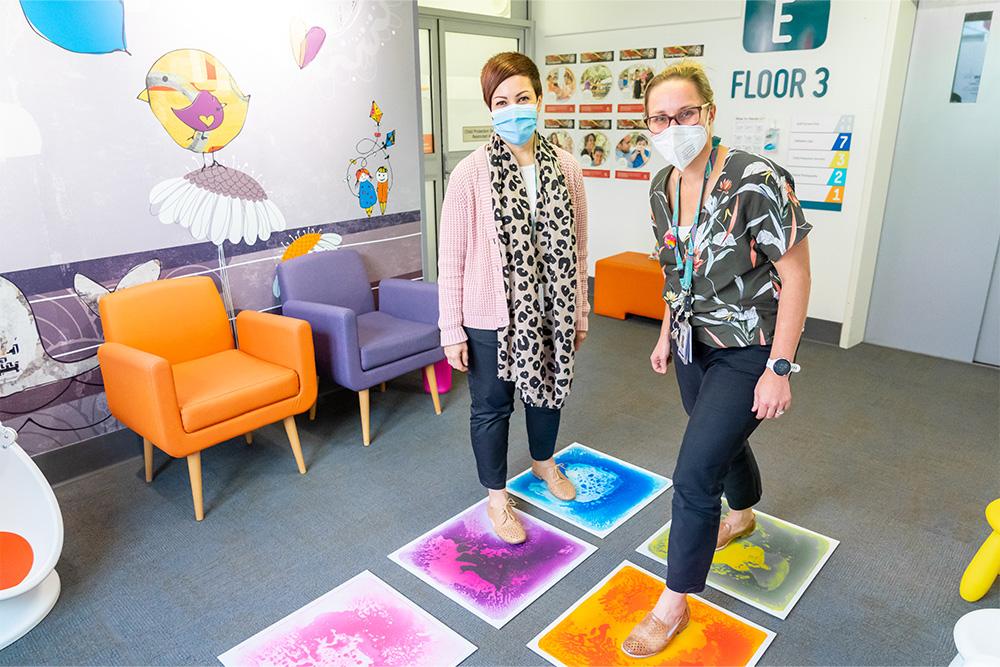
Franca Foti and Dr Jane Rosser with some of the clinic’s new sensory aids.

“A sensory calming room has also been furnished with the grant money. This is a space that can be used by young consumers who may find the usual waiting room space overwhelming or who may need some time away from a difficult discussion.

In addition to this, two iPads have been purchased to be used for distraction when young consumers visit the clinic. It’s acknowledged that some of the discussions during the assessments are difficult for young people to hear and continue to participate in. With the use of noise-cancelling headphones, the iPads provide a welcome distraction in the clinic room whilst allowing the young person to be physically present and in the company of a trusted adult (their carer).

The clinic has also been able to purchase sensory toys and aids for use at our monthly outreach at Wonggangga Turtpandi Aboriginal Primary Health Care Service in Port Adelaide. The funds have provided much-needed resources to allow this clinic to operate functionally and be culturally responsive in an off-site location.

We are truly grateful for the grant funds which have allowed us to create a service which better responds to the physical and emotional needs of our vulnerable consumer group.”

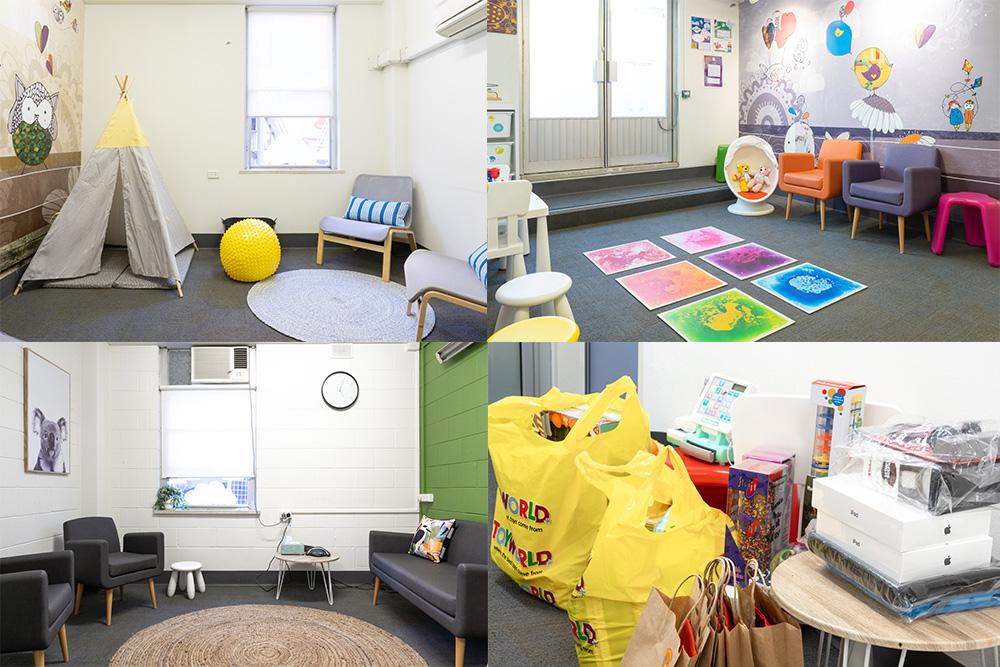
The new, welcoming space for the OOHC Clinic and a collection of toys and sensory aids purchased.

This initiative was made possible with support from Event Hospitality and Entertainment.

In Australia, 1 in 4 children is estimated to be impacted by Chronic Pain, just like 15-year-old Lexie.

Lexie’s pain started in her legs when she was three and she was later diagnosed with Shin Splints. Lexie explained her daily experience of pain as “shooting pain down my shins” that could “last for a whole day and go up to a 10 out of 10”.

Like many others with chronic pain, Lexie expressed having felt sad, lonely and anxious about why she was in pain and worried about if it was something she had done.

Lexie underwent surgery for this, which eased her pain but only for a short time. Soon the pain returned. Lexie’s mum, Sara, says the family tried multiple medical specialists and treatments to battle Lexie’s ongoing pain, which only came back worse each time.

A referral to the Paediatric Chronic Pain Service (PCPS) at the Women’s and Children’s Health Network (WCHN) was the turning point for things starting to get better.

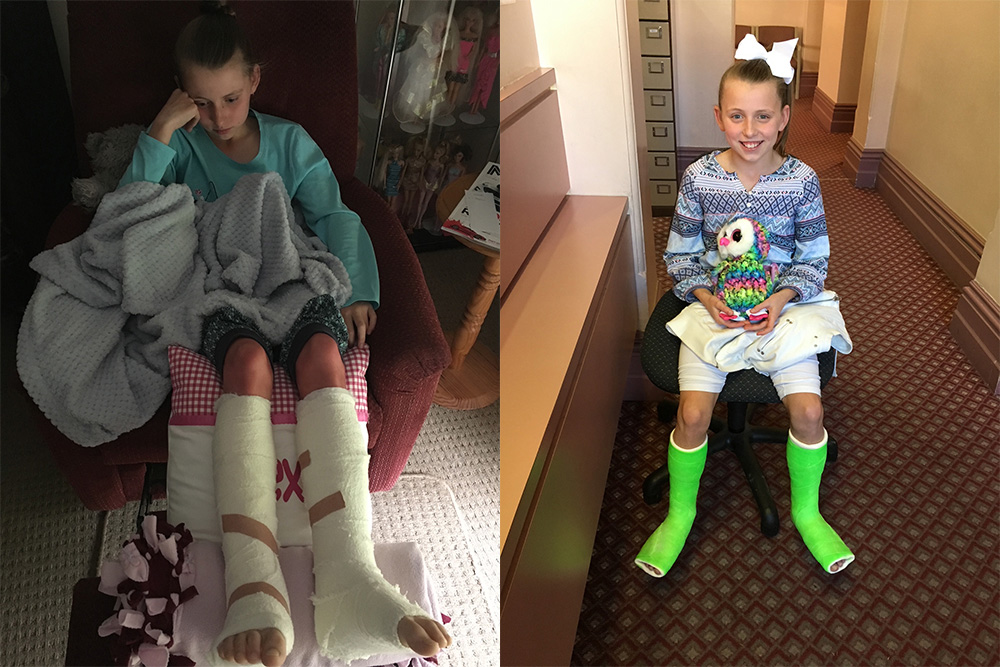
Lexie during treatment and after surgery.

During treatment and after surgery.

Finding a Diagnosis

On visiting the PCPS, they explained that Chronic Pain is a diagnosis in its own right.

“Not many people understand chronic pain, especially when you can’t see anything physically wrong,” Sara says.

“A doctor once told Lexie the pain was ‘in her head’ and I remember being so angry.”

Sara went on to say, “When we got the phone call to advise that there was an upcoming place in the Comfort Ability Program (run by the PCPS), we were so relieved that we were finally getting help.”

Dr Nicki Ferencz, who is the Service Lead for the WCHN PCPS says, “For many families at the PCPS, it can be extremely helpful and validating to have a diagnosis of chronic pain.”

Comfort Ability Program

The Comfort Ability Program is a one-day workshop, run a few times each year to help young people and their parents manage chronic pain and build comfort skills. It focuses on strategies for improving function, sleep, school attendance and overall mental health and wellbeing.

“This program acts as a fast-tracked way of learning a variety of skills in one day that would otherwise take weeks, or months, of therapy,” Dr Ferencz explains.

These include cognitive behavioural skills, biofeedback, relaxation, mindfulness and breathing techniques.

“We know that when you feel like there is something that you can do to manage your pain, that puts you back in control rather than your body controlling you,” Dr Ferencz says.

Parents are also taught skills to help their young people cope.

“Supporting parents is really effective for helping young people because we want them to be modelling behaviour. Parents can be incredibly stressed from parenting a child in pain, so the more we can do to help them, the better that’s going to be for the child.”

Dr Ferencz says the most crucial element of the workshop is when Peer Mentors, who have previously completed the program, are invited to speak about their journey of managing chronic pain.

“It’s really good for the group to hear from someone who has come out the other side. Their voice is so much more powerful than anything we could say.”

Lexie is now thriving despite her chronic pain thanks to the Comfort Ability Program!

Lexie is now thriving despite her chronic pain thanks to the Comfort Ability Program!

The Other Side

The Women’s and Children’s Hospital was the first hospital in Australia to run this internationally acclaimed, evidence-based program, and its success has been seen internationally with other Hospitals jumping on board.

Dr Ferencz says, “The research has shown this model is effective, and our experience certainly bears this out. We’ve had young people that have only needed one or two more follow-up sessions and then they’ve been able to be self-sufficient in managing their pain better.”

Of the previous Comfort Ability Program participants, 100% of parents and 85% of adolescents reported that the program was beneficial to them.

Lexie said, “Before the program, I struggled to go to school and found the classroom environment really tough to be in. Now, it’s still hard but I’m able to go and do my best. I still get anxious at times and worry about the pain but then I pull out my folder they (PCPS) helped me create and follow the steps to try and help myself.”

“I love being able to live a kind of normal life.”

Sara says, “The program opened my eyes to just how close I was to burnout as a carer and the need for me to get help.”

“With the tools and support, we can live our best life and know that we have done everything in our power to support Lexie to help her to be the best she can be.”

Lexie, Sara and their family living their best life

Lexie, Sara and their family living their best life.

Corporate Support

We are excited to have been successful in being awarded a CommBank Staff Foundation Community Grant in support of the Comfort Ability Program.

Thank you to the staff at CommBank who participate in Workplace Giving for supporting brilliant care for families like Lexie’s!

Corporate Partnership opportunities

14-year-old Teiana is giving back to the Women’s and Children’s Hospital (WCH) after spending the start of her life there.

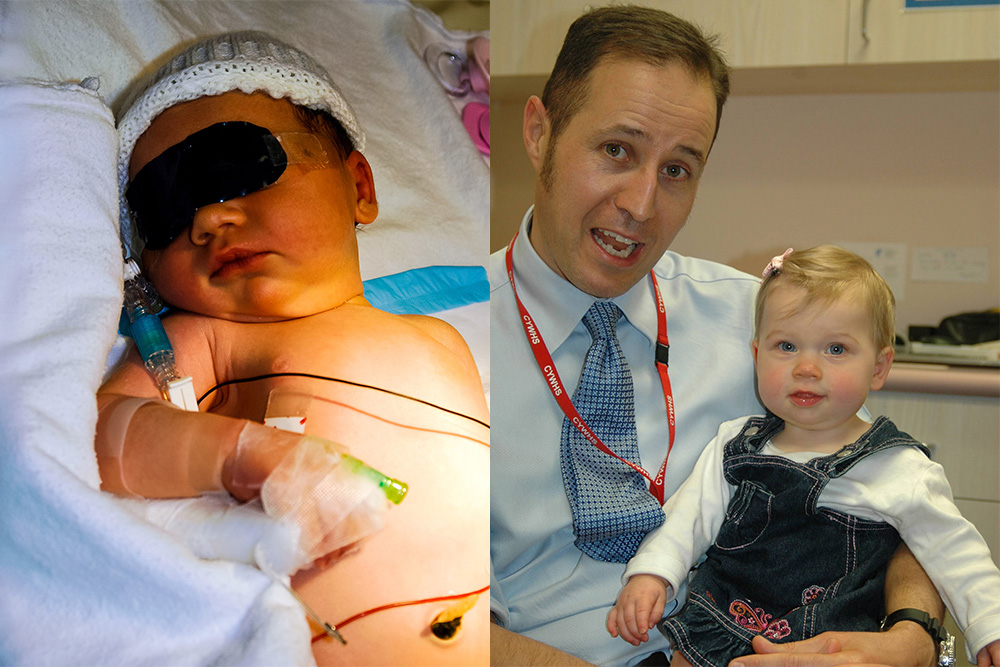
“When I was 36 hours old, I was transferred from another hospital to the Special Care Baby Unit (SCBU) because I was very sick. At first, they weren’t sure if it was a virus, meningitis or a stroke – it turned out to be a stroke,” Teiana says.

“Mum and Dad were told that I might never talk, and if I walked, it would probably be with callipers.”

Now, Teiana is in year nine at school and defying the odds.

“I know I am a complete miracle. I live with a brain injury and seizures, however I have never let it stop me. The care and support that Dr Chad Andersen and his team gave both me, Mum and Dad over the years has been amazing.”

Teiana in SCBU as a newborn and then years later with Dr Chad Andersen.

Haircut for Sick Kids

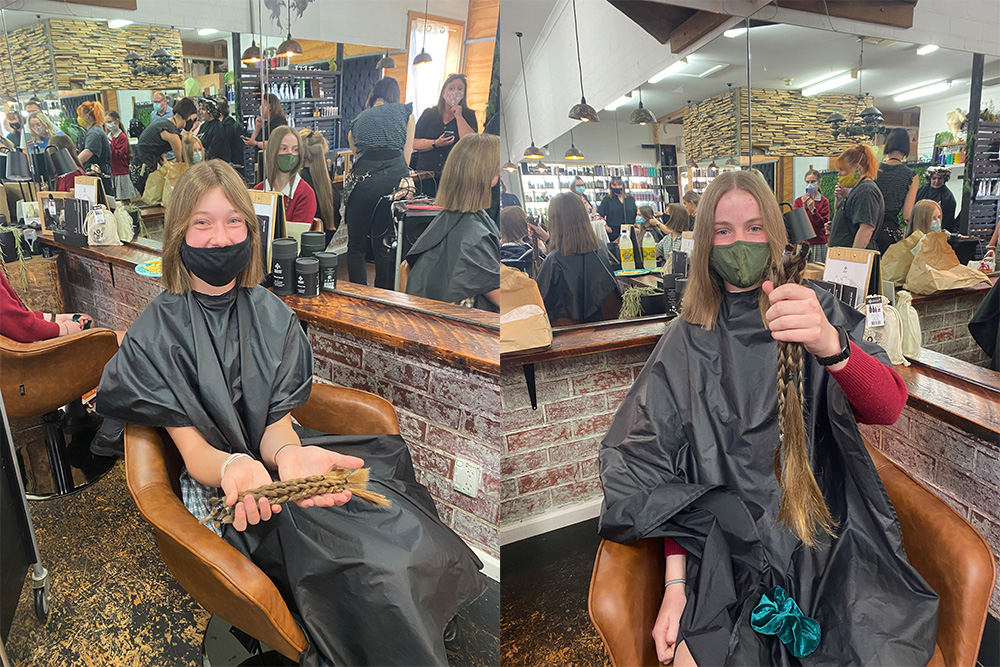
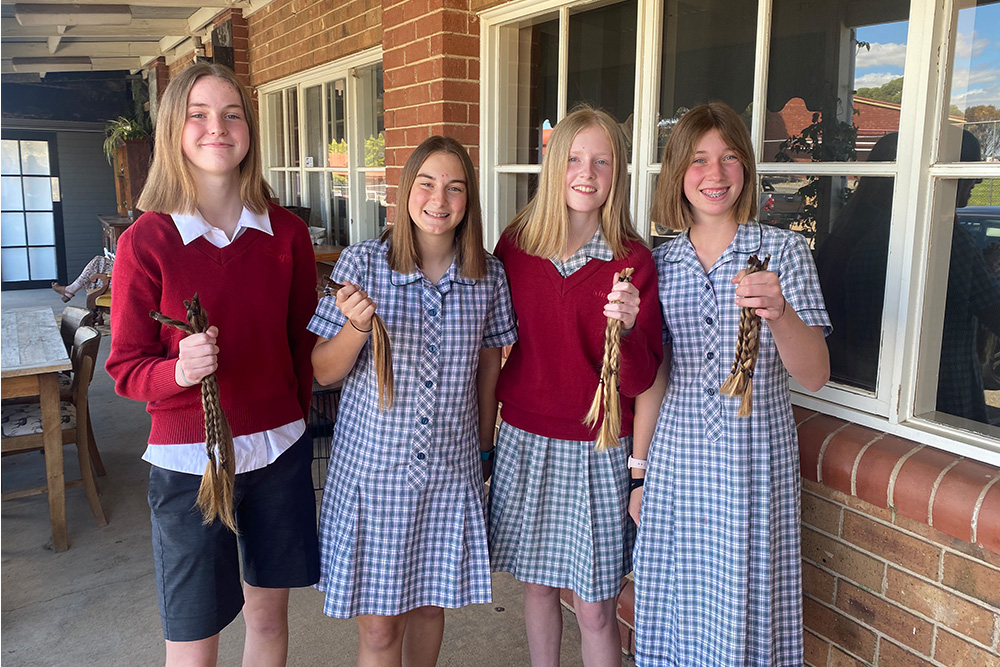
This March, Teiana rounded up four of her school friends, Hannah, Alice, Eden and Emily, and they chopped off their long locks to raise money for women, children and families cared for by the WCH.

“The Hospital has a special spot in my heart,” Teiana says.

“I wanted to give back to both the hospital and Dr Andersen so that is why I chose to raise money for the WCH Foundation.”

The haircut was a great success and the girls are thrilled with their new looks. They even sent their ponytails off to wigmakers to make charitable wigs.

“We all love our new haircuts! Knowing that our hair is going to people, maybe kids like us, and giving them joy, gives us great joy as well,” Teiana says.

“We were so excited when we hit the $6,000 mark! A little sacrifice for us can change lives … that’s amazing.”

They encourage other young people to try a fundraiser of their own.

“Just do it! Being able to change lives is a win/win situation – it brings joy to others and fills your heart knowing you are making a difference.”

Teiana and Emily super excited post-haircut!

The Future of Nursing

Teiana isn’t stopping at a haircut. She has heard many stories from her parents over the years about how amazing the care was that she received at the Hospital, which has given her the dream of becoming a paediatric nurse after school.

“I’d love to train as a paediatric nurse so that I can help kids in need,” she says.

“I’d also like to help their family during tough times, spread a little love, and give a little bit of hope and peace.”

Emily, Eden, Alice and Teiana loving their new dos!


Fundraise For Us

Kids across the Women’s and Children’s Health Network (WCHN) are ocean diving with sea creatures, snuggling kittens at cat cafés and relaxing at the beach, all during their healthcare appointments!

Thanks to Coles and Curing Homesickness, we have purchased ten new Smileyscope goggles – taking WCHN patients on Virtual Reality (VR) adventures to relieve their stress, make their procedures more seamless and get them home quicker.

Jeanette Tininczky, WCHN Manager Telemedicine, explains, “These VR headsets have been invaluable in supporting our consumers through some challenging times.”

“Our clinicians tell us that they have been particularly helpful during needle-based procedures, including COVID vaccinations, and those that cause children some anxiety, such as dressing changes or fracture care.”

Smileyscope is a medical-grade VR goggle being used widely across Australian hospitals and clinics. Smileyscope has programs to support children and teens in a wide range of healthcare settings.

It has experiences that help keep patients calm and is used as a non-pharmacologic aide for pain and anxiety management.

It also has wellness and mindfulness content and deep breathing exercises for relaxation and wellbeing.

Tyler and Zara’s VR venture

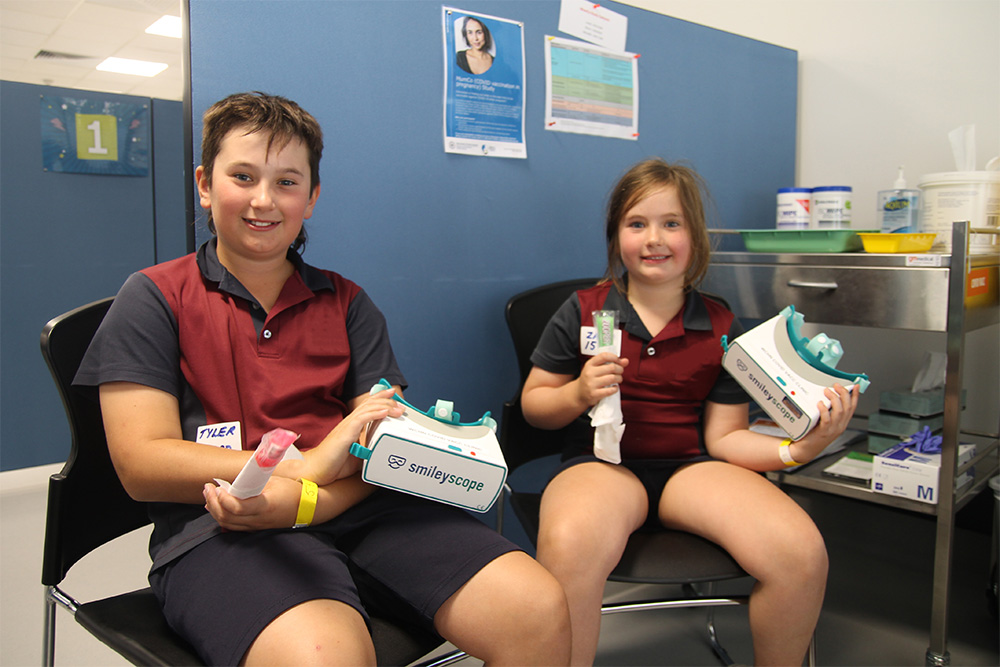
Two children holding the Smileyscope googles at a vaccination clinic.

Tyler and Zara had a ball using these Smileyscope headsets.

Siblings Tyler (11) and Zara (7) visited the WCHN COVID Vaccination Clinic to get their first round of COVID immunisations and were very keen for a chance to explore the Smileyscope headsets!

Tyler was taken on an adventure through the ocean and Zara was amazed at the cliff she was looking down at from her chair. The pair were entertained and relaxed, meaning staff could complete their vaccinations with no fuss, making their appointment as quick and easy as possible.

Their dad, Chris, says, “They both loved the goggles. Zara said it was fun being in a virtual world!”

For situations such as these, clinicians can choose specially choreographed programs to reframe needle experiences. In an underwater scene, when the clinician applies antiseptic, a wave washes over the child to mimic the cold feeling of the wipe, and when the needle is inserted, fish are shown to nibble at them to simulate the pinch they may feel. This is hoped to create a more positive attitude towards needle procedures in the future for these children and prevent needle phobia.

The benefit of VR

Using Virtual Reality for paediatric patients has been found to reduce a child’s pain by up to 60%, reduce their anxiety by 40% and reduce the need for restraint by 48%, all of which will help save time soothing patients and reduce their time overall in the medical setting.

Jeanette says, “We’ve noted the VR headsets have reduced anxiety in our patients and has helped reduce the amount of time taken for some of these procedures.”

Coles and Curing Homesickness

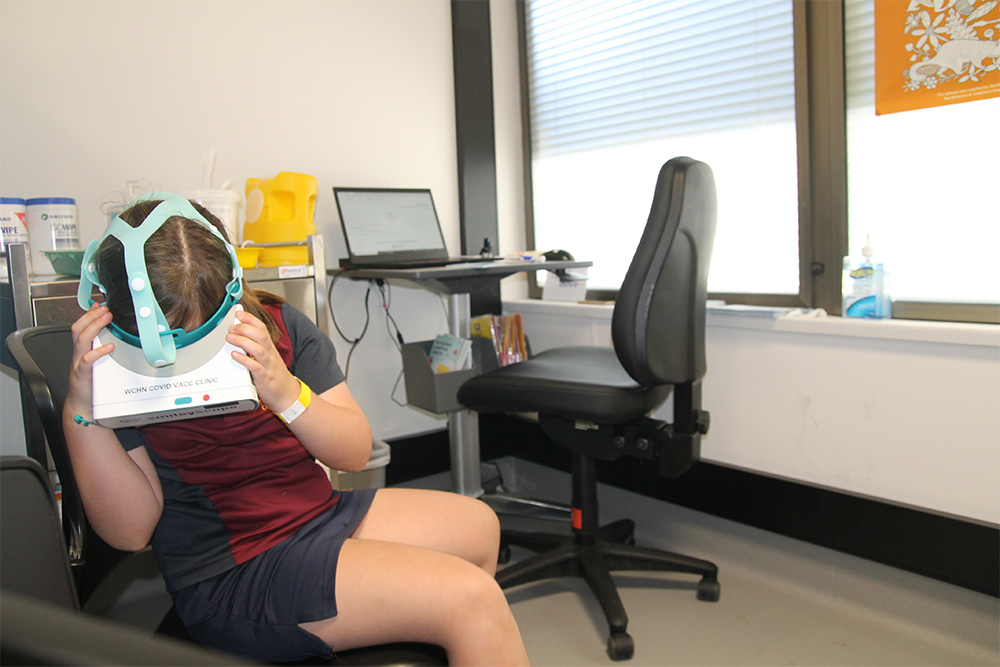
Child using Smileyscope goggles

Zara completely absorbed in the fun of Smileyscope.

Funds raised through the sale of Coles ‘Mum’s Sause’ products and donations cards, as part of the Curing Homesickness initiative, have helped purchase Smileyscope headsets for use across the WCHN, including:

Our CEO, Jane Scotcher, says, “The WCH Foundation is proud to partner with Coles through the Curing Homesickness initiative. We are so grateful for the ongoing generosity of Coles staff and customers who, through the purchase of ‘Mum’s Sause’ products and donation cards, help us support patients and families in hospital.”

To celebrate International Nurses Day, we have been delving into our Hospital’s rich nursing history and recognising all that our past nurse trainees have contributed and achieved.

International Nurses Day is celebrated all around the globe on 12 May each year. The date coincides with the birth of Florence Nightingale, who many consider to be the pioneer of modern nursing, and is a fitting time to reflect on the contribution that nurses have made to our Hospital and community for generations.

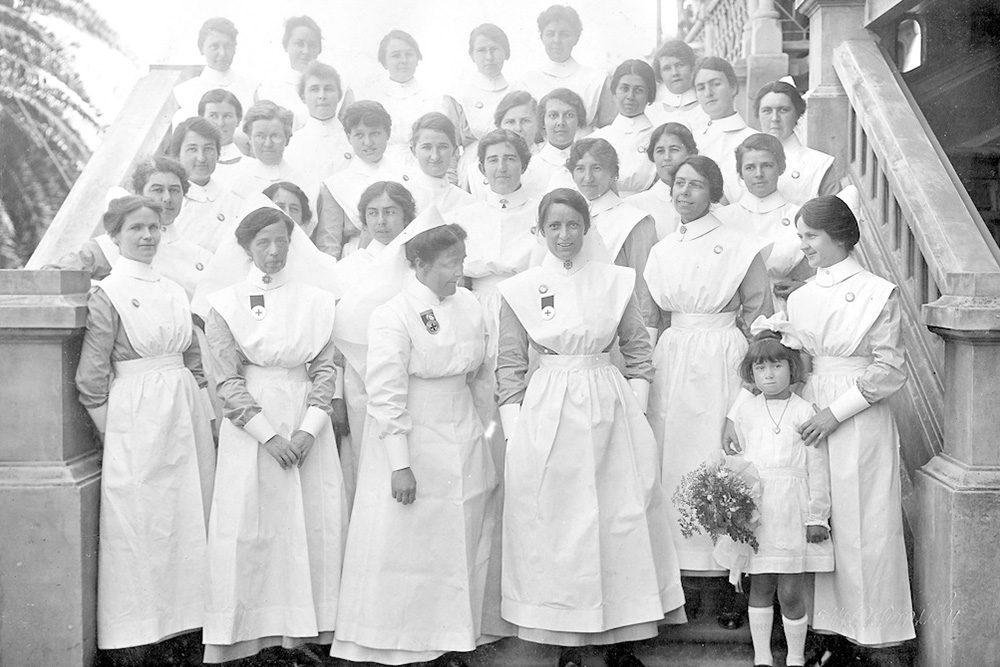
Nurses on the steps outside the Adelaide Children’s Hospital, 1918. Image credit: State Library of South Australia PRG 280/1/18/66

Adelaide Children’s Hospital Nurse Trainees

Our Women’s and Children’s Hospital has a rich history of nursing, being the first Hospital to offer Hospital-based training to nurses. This began way back in the late 1800’s just after the then Adelaide Children’s Hospital initially opened. Nurses continued to be trained inside our facility for decades until hospital training for nurses was phased out in the early 1990’s and undertaken completely within the higher education sector.

Our CEO, Jane Scotcher, says, “When we look at how nursing has evolved through the decades, it’s important to recognise how past nurse trainees of our Hospital have played a significant role in the care of women, children and their families.”

While the training for our modern nursing workforce looks quite different today, many aspects of life as a nurse remain the same. Our nurses continue to bring comfort, relieve pain, fight infection and help our young patients and families feel less vulnerable.

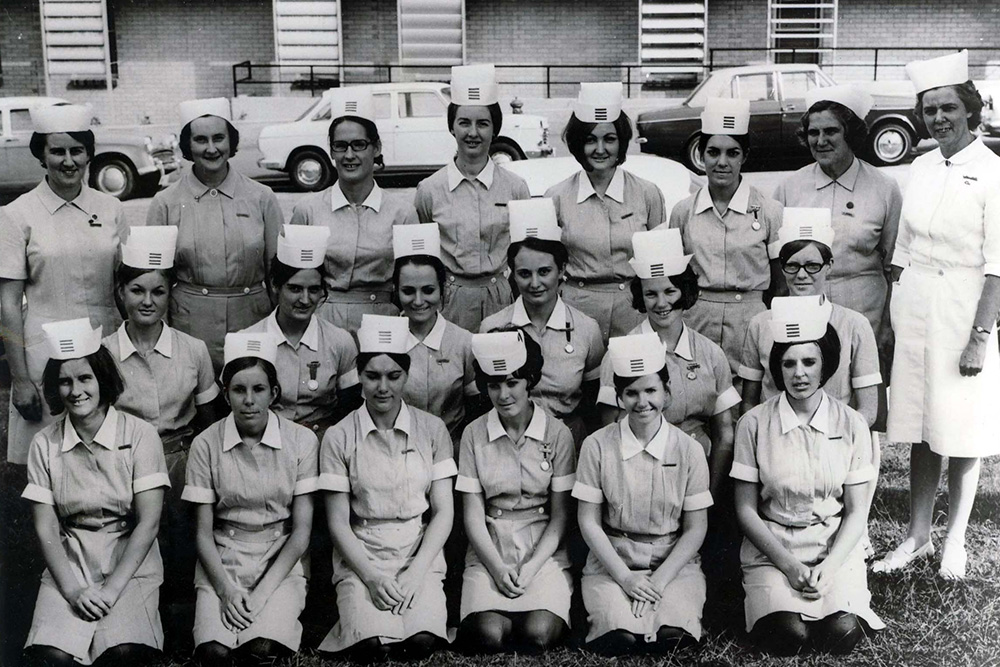
Nurse graduation photo, 1971 – supplied by Ros Coutts.

Nurses Roll Call

Through our Nurses Roll Call, we have been inviting past nurse trainees to reveal their fondest memories of training at “The Kids” and many have already shared tales of the fun and camaraderie of those early years.

Beth Freeman-Gray, who trained with PTS 384 from 1984 to 1987, sums up her nurse training experience in three words – Fun. Caring. Strict.

During her training, Beth lived in the residential nursing quarters – as did most of her counterparts at the time. “It was a wonderful collective of so many different people and many of us remain close-knit today,” she says.

Some of Beth’s proudest trainee memories include specialising in Critical Care and Wound Management.

“Both areas allowed patients to achieve their best and improve their wellbeing and quality of life,” she shares.

Beth has gone on to spend her whole career in health, moving from nursing into medical sales, then business development and recently coming full circle back into nursing at the Royal Adelaide Hospital.

“In 2020, I decided to leave my Business Development Manager role and return to fulltime nursing, leading me back to The Royal Adelaide as a Nurse Consultant working on Nursing Practice Improvement Projects. Whilst nursing has changed, and the old days were amazing, new times bring a heightened sense of fiscal accountability, improved safety and quality and a real sense of consumer engagement and empowerment,” says Beth.

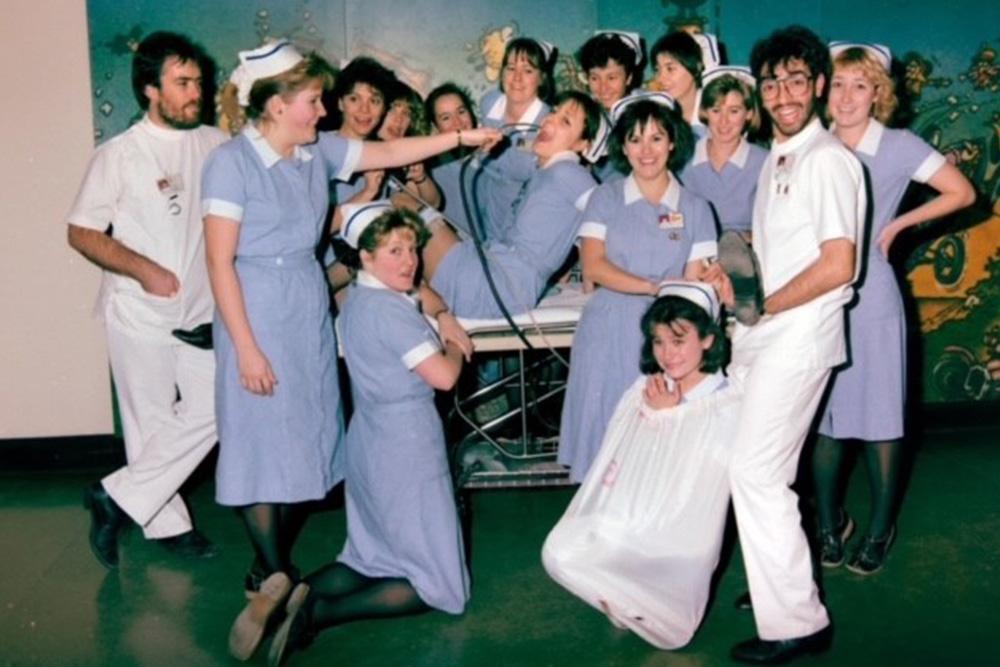
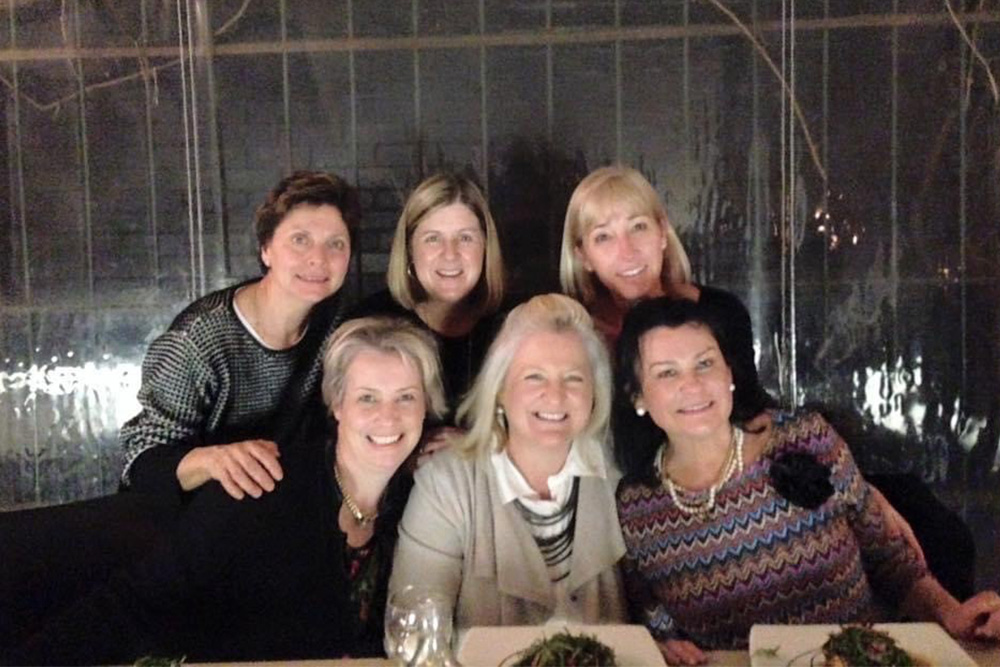
Nurses from PTS 384, pictured circa 1987 and then at a recent reunion.

Share Your Story

If you trained as a nurse at the Adelaide Children’s Hospital, or know someone who did, we’d love to hear your nursing tales. Complete our Nurses Roll Call to share your fondest memories and photos.

Share your story.

We’re celebrating decades of play at the Women’s and Children’s Hospital (WCH)!

Time to Play: a History of Play Therapy at the Women’s and Children’s Hospital recognises the importance of play in the hospital setting as part of the 2022 South Australia’s History Festival.

Curated by Alex Del Gaudio, a volunteer who works with the WCHN History and Heritage Collection, this exhibition focuses on the different aspects of Play Therapy in the WCH and how the program has developed over the years.

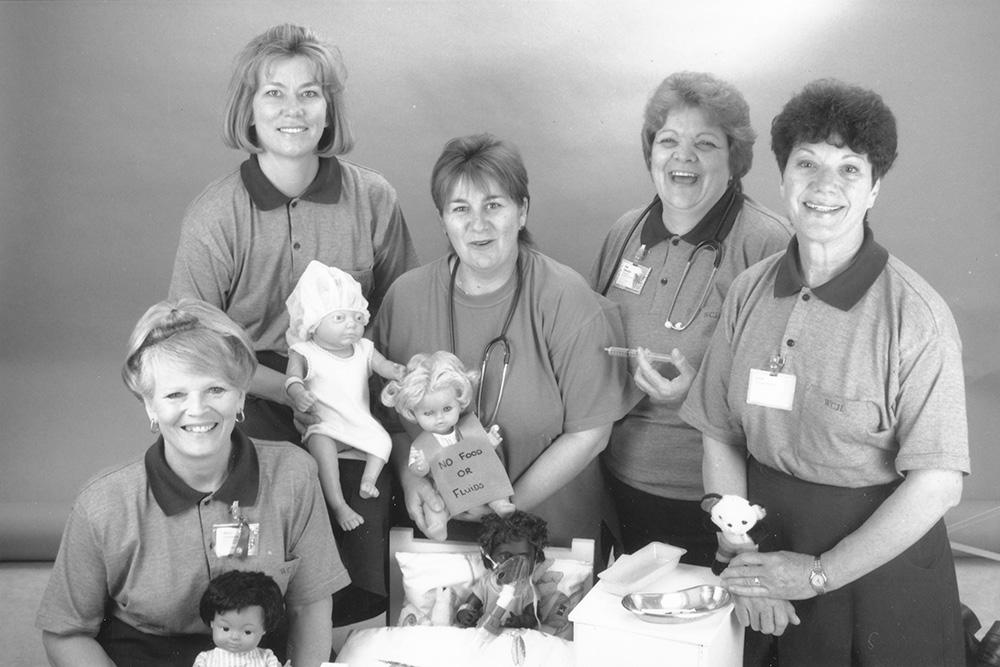
Five female Play Leaders in 1995

Play Leaders, WCH, c1995. Left to right: Jenny Gomersall, Barbara Mynhart, Janet Cleveland, Sue Macklin and Rosie Gugenberger

Where it Started

Forms of Play Therapy were introduced at the former Adelaide Children’s Hospital (ACH) in the late 1930s.

The Hospital’s first Play Therapist was Joan Lupton. She was brought over from the United Kingdom to establish a dedicated department that would rapidly expand in the ensuing decades. In the beginning, Joan was known as an Almoner. At the time an Almoner had a broad role, encompassing aspects of Social Work and Nursing.

As time went on, this field of work became much more specialised, and called ‘Play Therapy’.

The Play Therapy Department at the ACH greatly expanded and supported different staff from around the Hospital, including Social Workers and Occupational Therapists.

As the profession also grew across the country, the ACH excelled in the area, receiving commendations from organisations such as the Association for the Welfare of Children in Hospital.

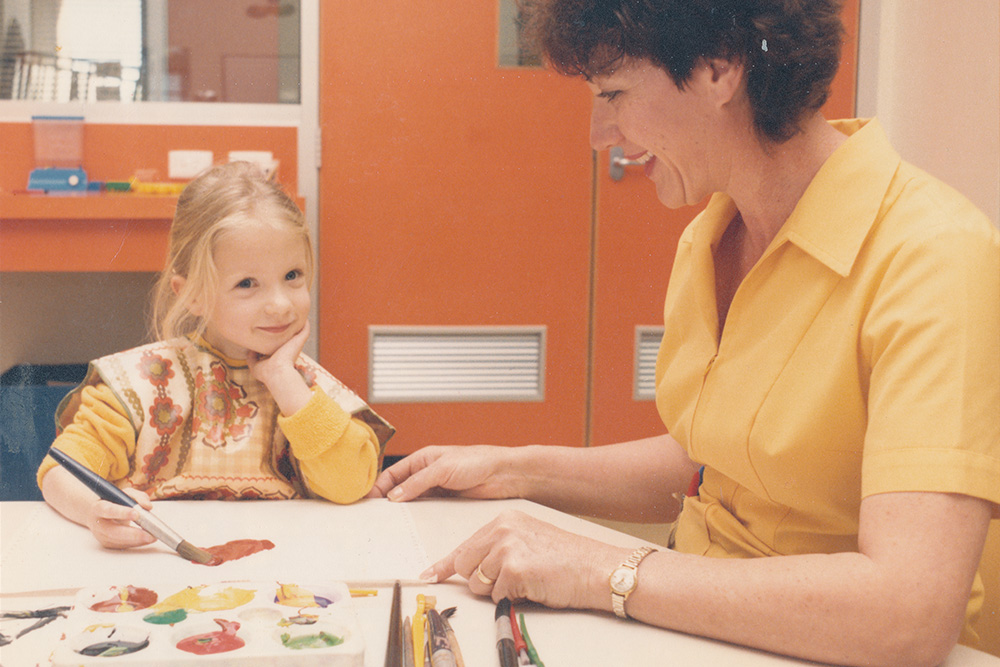
Play leader and child painting in 1986

Play leader engaging patients in fun activities, ACH, 1986.

Play Therapy Now

Fast forward to the present day, and a specialised program of Play Therapy is provided here at the now Women’s and Children’s Hospital, which we support through our Arts in Health program.

A Play Therapist’s role does not only involve children playing with toys, but they also provide distraction to minimise stress and fear, help keep patients safe, prepare and support patients for procedures, provide emotional support, provide clothing and toiletries in emergencies, connect children to their home life and schooling, contribute to a vibrant hospital environment and create positive, fun and meaningful experiences.

The WCH currently has 11 dedicated Play Therapists who work hard to ensure that every child who enters the Hospital has access to the tools they need to express themselves.

Rather than eliminating unpleasant feelings altogether, the goal of the Play Therapy service is to allow children to ‘feel what they feel’ and give them a safe space to communicate this without becoming overwhelmed.

Play Therapy is much more than just fun and games!

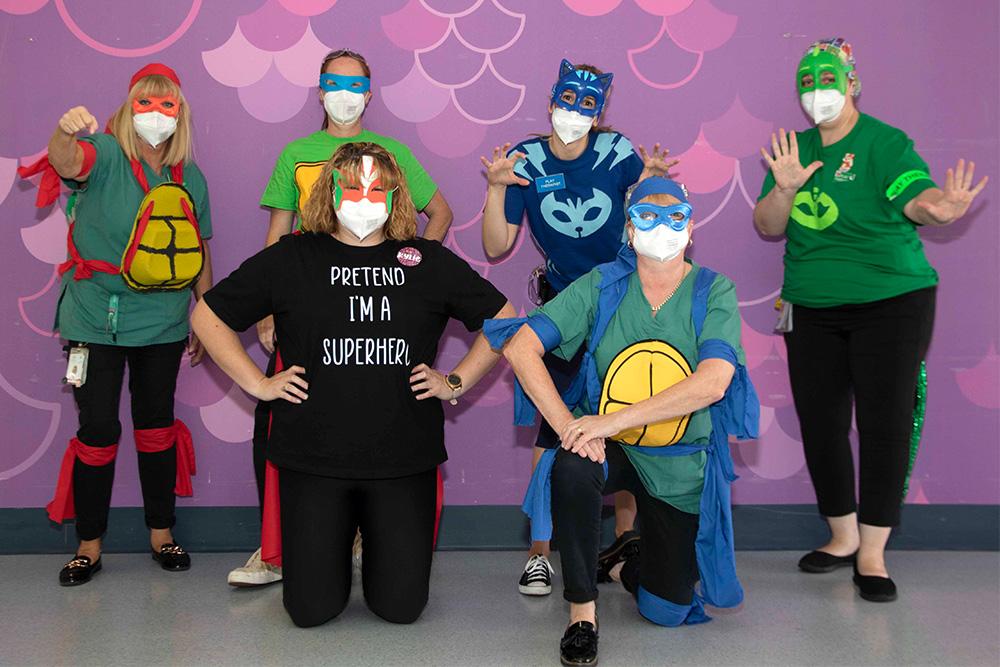
The current Play Therapy team dressed up for Superhero Day in the WCH.

Exhibition Details

Time to Play: a history of Play Therapy at the Women’s and Children’s Hospital is exhibiting in the Pink Heart Gallery at the WCH until 1 August 2022.

*Please note: Due to COVID-19 there are visitor restrictions in the Hospital. To remain updated on this information, visit www.wch.sa.gov.au

We are delighted to share that Sara Fleming, Nurse Practitioner and Clinical Care Director of the Palliative Care Service at the Women’s and Children’s Hospital, has been awarded the honour of a Public Service Medal for her incredible work!

Public Service Medal awards are given for outstanding service with nominations approved by governor-general David Hurley.

The governor-general says the recipients are a “reminder and reflection of the richness of spirit, selflessness and good in our community”.

“To the individuals being celebrated; thank you for your contribution to Australia and congratulations on being recognised by your peers and your nation,” he says.

Sara’s Story

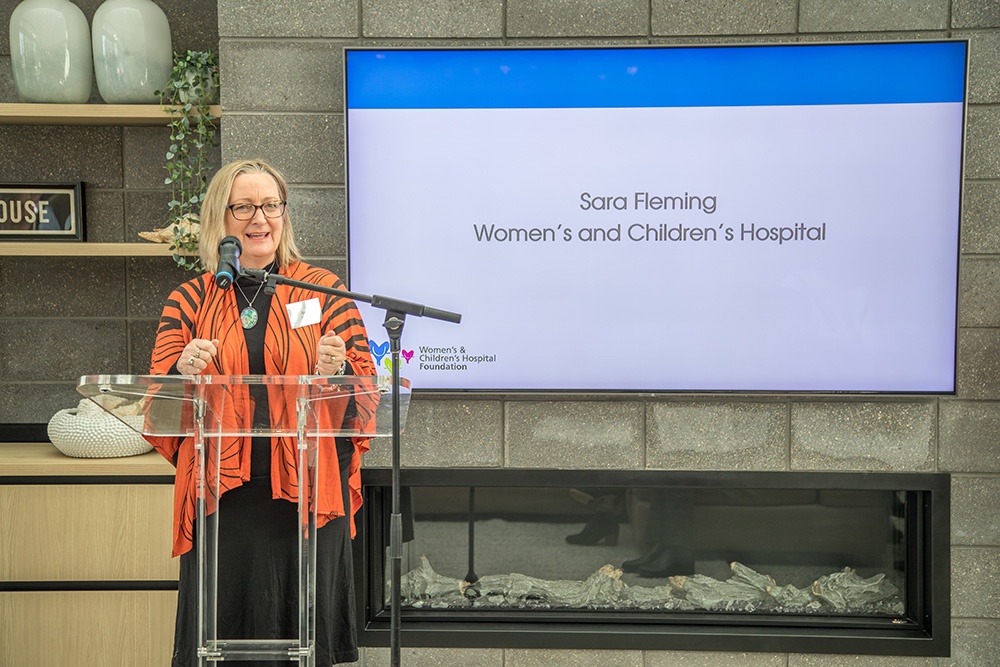
Sara Fleming at the opening of the Laklinyeri Beach House.

In 1999, Sara set up the first Paediatric Palliative Care Service in Australasia at the Women’s and Children’s Hospital in Adelaide.

Every day, Sara and her team help children and families who have limited time together live for every moment. Out of her desire to make a difference, the dream for the Beach House was born.

In 2013, when the WCH Foundation heard of Sara’s dream to build a Beach House for families we were driven to make it a reality.

Sara says, “I identified that a property of this type was needed in South Australia when I realised how hard it was for these families to holiday.”

“The opportunity for a family to go to the Beach House means the child will see that from their diagnosis and journey good things can come.

“If people are happy, relaxed, feel valued and safe, the wellness and the chance for the family to bond are increased.”

Now, thanks to Sara, over 350 people have had the opportunity to stay in this wonderful holiday home – now hosting not only families whose children are in palliative care but also those whose children have complex care needs as well as bereaved families.

Thank you, Sara!

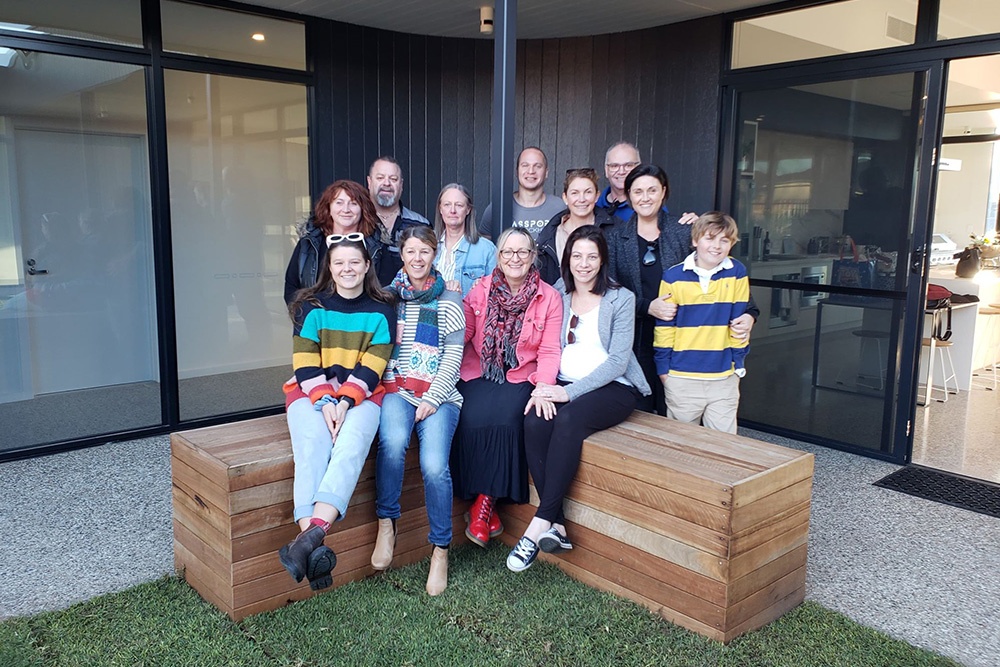
Sara Fleming (middle) with just some of the many families she has supported.

Every day, Sara, along with her team, cares for families facing the most challenging of circumstances but through it all, she is always positive, pragmatic and an absolute fearless advocate for her families.

WCH Foundation CEO, Jane Scotcher, says, “Thank you Sara for your vision and commitment to families. This is a well-deserved acknowledgement.”

Congratulations again to Sara, we are in awe of her talents and her incredibly modest approach to her work.

After tripping over some sticks, 3-year-old Theo spent over two weeks in the Women’s and Children’s Hospital with a broken leg.

To help make the time a little easier during his stay, Theo was visited by Book Buddy, Chris.

Chris found out that Theo was a Bluey fanatic and picked him the perfect book! Although he was a bit tired and unhappy at the start, by the last page Chris had him smiling and engaged with the story, which served as a perfect distraction from the discomfort of his leg.

The Book Buddies project is a joint initiative of the WCH Foundation and Hospital School SA, with expertise from the members of the Children’s Book Council of South Australia, where qualified book readers visit the wards to encourage reading, improve literacy skills and provide a distraction for patients.

Theo and his mum being read to by Book Buddy, Chris.

Theo and his mum being read to by Book Buddy, Chris.

Book Buddy, Chris, says, “My love of being a Book Buddy comes from enjoying the connections and conversations with young people and their families. It brings me so much joy to read and bring a book to life, taking young people on adventures that can be created through reading.”

“I love seeing young people’s faces light up and smile with enjoyment when they’re engaged in the book and when they ask for another read. For some, initially, they may take some time warming up, but with a dose of enthusiasm and a great book they can be hooked.

“It is such a privilege and joy being a Book Buddy! The positive feedback of appreciation from young people, their families and hospital staff is amazing.”

Thanks to donations from our community, through our Arts in Health program we’re able to provide books for patients to keep each time a Book Buddy visits, meaning they can enjoy the stories for years to come.

Hospital School SA Principal, Matthew McCurry, says, “The books are a great present that enables the young people to continue reading at home with their parents, which aligns with the idea that parents are a child’s first teacher.”

“Our Book Buddies are all retired school librarians and teachers, meaning their combined wealth of knowledge and experience provides the young people with readers who can bring books to life.

“Many times, it isn’t just the child who gets engrossed in the reading but also the parents, siblings and other family members, which can be a nice pause or distraction.”


To learn more about our Arts in Health program, click here

Sign up for our latest news

"*" indicates required fields

This field is for validation purposes and should be left unchanged.

Name *

Name*

Email *

Email*