Thank you to everyone who entered the WCH Foundation’s Super Mum competition this year.

With over 400 heart-warming entries to choose from celebrating the amazing women in our lives, it was incredibly hard to narrow it down to just one winner.

However, it is our pleasure to introduce you to Nadine – our 2021 Super Mum!

Thanks to our wonderful friends at Burnside Village, Nadine has won a $500 Burnside Village shopping voucher.

Nadine, who is mum to Oliver, Daisy, Edward and Violet, was nominated by her husband Matthew.

Super Mum Nadine with her husband Matthew and children Daisy, Oliver and Edward.

Super Mum Nadine with her husband Matthew and children Daisy, Oliver and Edward.

Matthew wrote:

My wife Nadine is a Super Mum because of all her hard work and dedication to raising our four children.

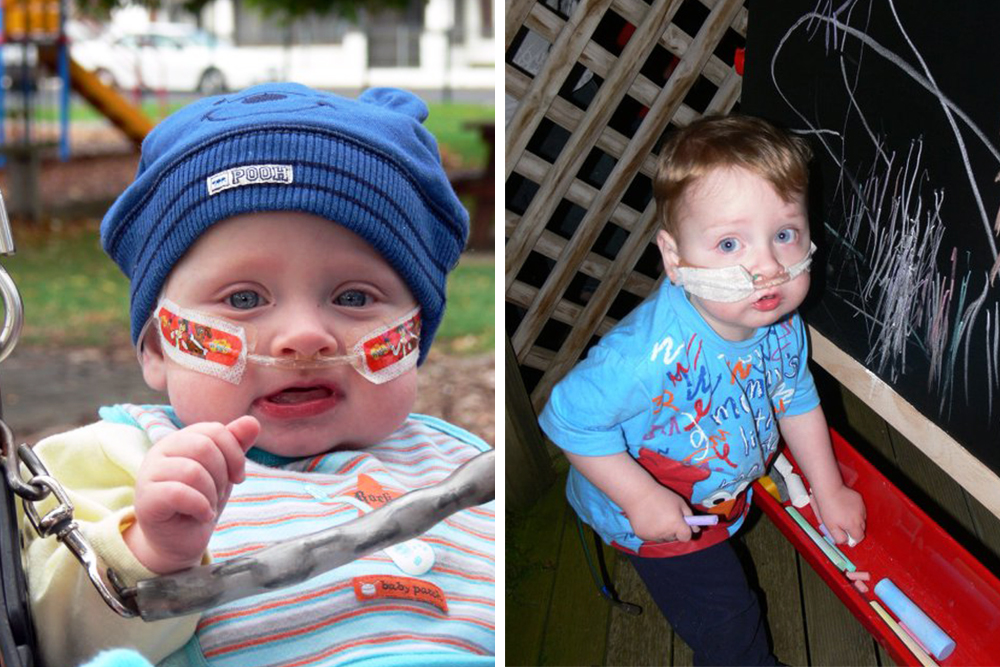
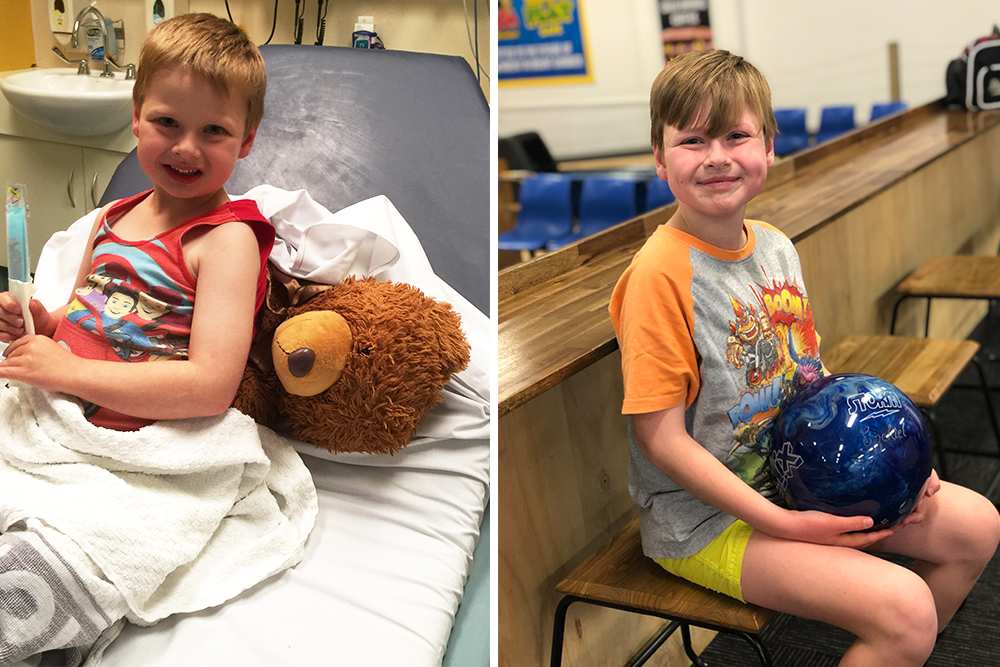
Unfortunately, our oldest child, Oliver, was terminally ill and passed away nearly two years ago after a six-year battle with a very rare mitochondrial disorder called Pearson’s syndrome. Nadine’s mother also passed away a month earlier. Our youngest daughter was born with Tetralogy of Fallot (TOF) and had open heart surgery in Melbourne straight after our son’s funeral service. Then, one of our twin 3 year olds had been diagnosed with severe autism and global development delay.

My wife is originally from England and all her family are still there, so she keeps our household in order and functioning on her own, juggling specialist appointments, NDIS, hospital and everything day to day while I’m at work.

Life isn’t easy for her and sometimes things can get very overwhelming especially when still grieving the losses of both her mum and first born.

I feel this voucher would go a long way into cheering her up a little and hopefully she can spend some time and money on herself for a change as she is always putting others first.

Nadine with her family at Christmas.

Christmas with the Climas family.

Nadine thanked Matthew for the surprise nomination:

I’m still in shock but very happy and truly blessed to have such a fantastic soul mate who nominated me.

When I received your call, I was in disbelief as these kinds of things don’t usually happen to me. I can’t believe I was chosen, what an honour!

With the voucher, I’m sure I will share with my family and squeeze in some pampering for myself which I haven’t done in such a long time.

Motherhood to me is a gift and an honour. I treasure my gorgeous cherubs every day and enjoy every memory, happy or sad. I love the unconditional love I am given from each of them, and they look into my eyes like I’m the best person in their little world.

This Mother’s Day, I will be thinking of my mum and what she means to me and all the lovely memories we created. As a family we’ll go out and celebrate the day having fun with the kids, enjoying each other’s company and treasure all our memories we created with Oliver.

From everyone at the WCH Foundation and Burnside Village we congratulate Nadine and wish her family all the best!

Nadine playing with her children.

“I treasure my gorgeous cherubs every day,” Nadine (pictured with her three children) said.


Musician Ilona Weir treats tiny babies, their doting parents, and staff in the neonatal nurseries to harp performances every week.

Ilona’s performances are proudly funded through the WCH Foundation’s Arts in Health program. Arts in Health worked with the neonatal growth and development team at the Hospital to establish the Music for Wellness sessions.

While the magical music is a joy to listen to, research shows the tunes also have positive health impacts on pre-term babies.

“The research shows the most appropriate tunes for babies are very simple, repetitive, calm tunes,” Ilona, who has been playing the harp for 20 years, said.

“If you played fast music it would be overwhelming, the music is designed to keep them very calm.”

Ilona playing the harp in neonatal nurseries.

Ilona Weir playing the harp in the neonatal nurseries at the Women’s and Children’s Hospital.

The benefits for babies include:

In November 2020, new parents Mandy Lewis and Stuart Sampson, welcomed twin daughters Sage and Kora born at 28 weeks. The neonatal nurseries cared for the twins and whilst there they heard Ilona play. They told their story to The Advertiser ahead of World Prematurity Day.

“It was really special to share that with the babies,” Mandy told The Advertiser.

“They were a little bit cranky to begin with, but as she (Ilona) started playing they went to sleep, so I think the beautiful music really soothed them, really relaxed them.”

Babies and their parents in the neonatal nurseries listening to the harp.

Harpist Ilona Weir plays lullabies for Mandy Lewis and Stuart Sampson and their daughters Sage and Kora at the Women’s and Children’s Hospital. Photo courtesy: Naomi Jellicoe / Newspix.

Positive feedback

Ilona said the harp tunes don’t just create a soothing environment for families but are also beneficial for staff.

“It’s also for the staff so I mix it up by playing some slowed down pop tunes, tunes that people are familiar with,” Ilona said.

“I’ve received positive feedback from families and staff. They come up and say to me ‘thank you’, ‘the music is beautiful’, and ‘it’s very calming’. I can really see the benefits of harp music in the neonatal nurseries.”

From what started as a ‘hello’ and wave across the fence grew into a much-loved friendship for the Roberts family and their long-time neighbour the late Hazel Glencross. Hazel died in late-2019 and left a bequest to the Sam Roberts Family Fund in memory of the boy she called ‘dear little Sam’.

Many in the WCH Foundation community will know of the Roberts family. Marty and Michelle Roberts’ youngest son Sam passed away in 2005 at the age of four after a courageous battle with Niemann-Pick Disease Type C, a rare neurological disease for which there is currently no known cure.  They established The Sam Roberts Family Fund soon after leading the charge on raising funds in Sam’s memory.

“The care we received from the Paediatric Palliative Care Service at the Women’s and Children’s Hospital was much needed and made a huge difference to how we enjoyed the limited time we had with Sam.” Marty said.

This was the inspiration behind setting up Cycle 4 Sam – a biennial bike riding event which has so far raised over $750,000 for the WCH Foundation. The event helps other families supported by the Paediatric Palliative Care Service. Due to COVID-19, the Roberts family were unable to undertake their ride last year, so they were deeply appreciative to learn that Sam’s fund was to receive a special gift from Hazel.

“Hazel was a lovely lady who had long supported our efforts to raise money in Sam’s memory,” Marty said. “To learn that she has included a gift in her Will for Sam’s Fund is very special indeed.”

The late Hazel Glencross, who left a bequest for the Roberts Family Fund, pictured with Marty Roberts and his daughter Lucy Roberts.

The late Hazel Glencross (centre), pictured with Marty Roberts (right) and his daughter Lucy Roberts (left).

Hazel’s memory

During her lifetime, Hazel was a proud member of the Women’s Auxiliary Australia Air Force (WAAF) at the end of World War II. She travelled extensively in Europe and the UK, as well as working in the diplomatic corp in Asia.  She moved to Darwin around 25 years ago to join her son, Andrew, and his family who had relocated there.

“Hazel was our next-door neighbour when I was a young boy, and growing up she always remembered our birthdays,” Marty recalled. “Over the years she became a much-loved family friend and we stayed in touch, even after she moved to Darwin.”

Marty’s mum Margaret said, “Hazel often spoke about Sam because she called in on one of her Adelaide visits when I was looking after him. She called him ‘dear little Sam’. She was a very dear friend to us all and it’s such a lovely thing that she has done in leaving a bequest.”

Left image: The late Hazel Glencross (left), pictured with Margaret Roberts. Right image: Sam Roberts.

Leaving a bequest

You can dedicate a gift in your Will to the WCH Foundation in honour of someone you have loved and lost as a wonderful way of ensuring their memory lives on.

“Hazel had several conversations with staff here at the WCH Foundation when preparing her Will. She was clearly very passionate about ensuring that she could leave a gift in Sam’s memory.  She once said, ‘it won’t be a sheep station, but I’ll leave what I can’. We are so pleased to now be able to honour her wishes,” Fern Cargill, WCH Foundation Bequests and Research Manager said.

For a confidential discussion about leaving a Will gift, or to request wording for your solicitor, click here or contact Fern Cargill, Bequests and Research Manager, on (08) 8464 7900.

The Cycle 4 Sam will return in 2021 with preparations currently underway – stay up to date with the latest news here.

When cases of COVID-19 began to spike in Australia, Venita Coutts made the decision to take her 11-year-old son Ezekiel out of school. If Ezekiel contracted coronavirus his parents were extremely worried about the effect it would have on his health.

Ezekiel suffers from chronic kidney, liver, and lung diseases; conditions he was born with and have resulted in regular visits to the Women’s and Children’s Hospital since birth.

“Without the Hospital Ezekiel wouldn’t be here today. The nurses and doctors who have cared for him have always been so professional and caring,” Venita said.

Despite self-isolating for three weeks, Ezekiel became incredibly unwell in late-March, with what looked like a type of pneumonia, and was rushed to the Women’s and Children’s Hospital via Medivac flight from their hometown, Mount Gambier.

“Ezekiel has been flown to Hospital many times before and, like I have done previously, I raced back home to collect our belongings before the plane arrived,” Venita said.

Ezekiel has spent a lot of time being cared for in the Women's and Children's Hospital.

Since birth Ezekiel has spent a lot of time receiving care in the Women’s and Children’s Hospital.

However, this time was different. Due to COVID-19 restrictions, Venita wasn’t able to accompany her son on the emergency flight as she normally would. Instead she drove five hours to Adelaide early the next morning.

“I was devastated. That moment was so heartbreaking for me as I couldn’t be with my son who was so sick, but the doctors took exceptional care of him and rang me close to midnight to say they had arrived safely at the Hospital,” she said.

Ezekiel was initially admitted into the ward assigned to COVID-19 patients where they tested him for coronavirus plus other viral and bacterial infections.

Venita said, “He was showing symptoms for a virus and I just kept thinking how could he have contracted it? We had had him at home.”

Each test thankfully came back with a negative result, and he was later diagnosed with severe sepsis due to an unknown cause.

“He was moved into the intensive care unit and placed on three different IV antibiotics, which brought the infection under control,” Venita said.

Ezekiel’s story is just one of hundreds that show health conditions children have battled long before coronavirus don’t stop during the pandemic. The care they require at the Women’s and Children’s Hospital continues to be vital.

“The infection was so cruel and horrible for Ezekiel and it broke my heart to watch him put up with so much in just 12 days. It was enough to last a lifetime.”

When Ezekiel had been admitted to Hospital in the past, another family member or his dad, Allan, had always been at his side to offer support. However, this time due to the COVID-19 regulations and infection prevention, just one consistent support person could be at a patient’s side.

Venita said she found the 12-night hospital stay quite surreal.

“Even though Ezekiel didn’t have coronavirus, the changes made in the Hospital due to the pandemic had a big impact on our time.”

“I was told to limit my time outside the Hospital to just when I had to move our car. This meant I left the Hospital every couple of days and as the cafes and shops were closed my meals were delivered to our room.”

Now back home in Mount Gambier, Ezekiel has recovered and is increasing the number of hours he goes to school each day.

Venita said, “After being at the Hospital and speaking with the nurses, I felt a lot calmer about how prepared the Hospital is if we did have an outbreak of coronavirus in South Australia. To see the precautions put in place was reassuring.”

Ezekiel has spent a lot of time being cared for in the Women's and Children's Hospital.

Ezekiel’s hobbies include playing with Lego and video games. He also likes swimming and has begun to play the trumpet.

“Mum’s lasagne, our pet dogs and the TV in my bedroom.” That is the response from Madi Fox when asked what she missed most about her family home while in the Women’s and Children’s Hospital.

Madi is one of almost one million Australian children and young people admitted to hospital each year, and after spending more than six months in the WCH, Madi has experienced what it is like to feel home sick.

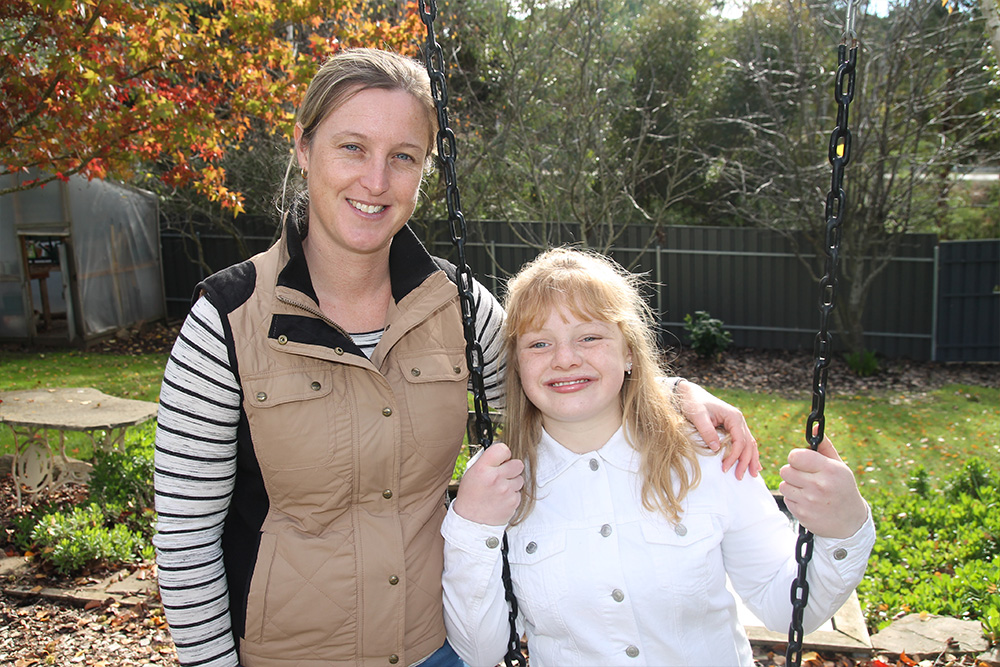
Young girl smiling on a swing with her mother

Madi Fox with mother, Sally, four years after her accident.

Almost four years ago, Madi – who was nine at the time – was hit by a car, while walking Bentley, her family’s dog in the Adelaide Hills. She sustained a traumatic head injury and had bleeding on her brain.

“It changed our lives forever,” Madi’s mum, Sally said.

“Madi’s friend came rushing through the door saying that Madi had been hit by a car. They had been walking a street away from our house. I ran to Madi and a lady was giving her CPR.

“When the ambulances arrived, Madi was transported in one and I was in the other. The ambulance driver told me to call a family member and that Madi’s condition was serious. I was praying for a miracle from the start.”

Madi spent almost three weeks in an induced coma, followed by six months in the Kate Hill Ward.

“It was 55 days before we had any response from her. The first sign from Madi showing she could hear us was a thumbs up,” Sally said.

Madi’s rehab program was intense. She had physiotherapy, speech therapy and occupational therapy every weekday.

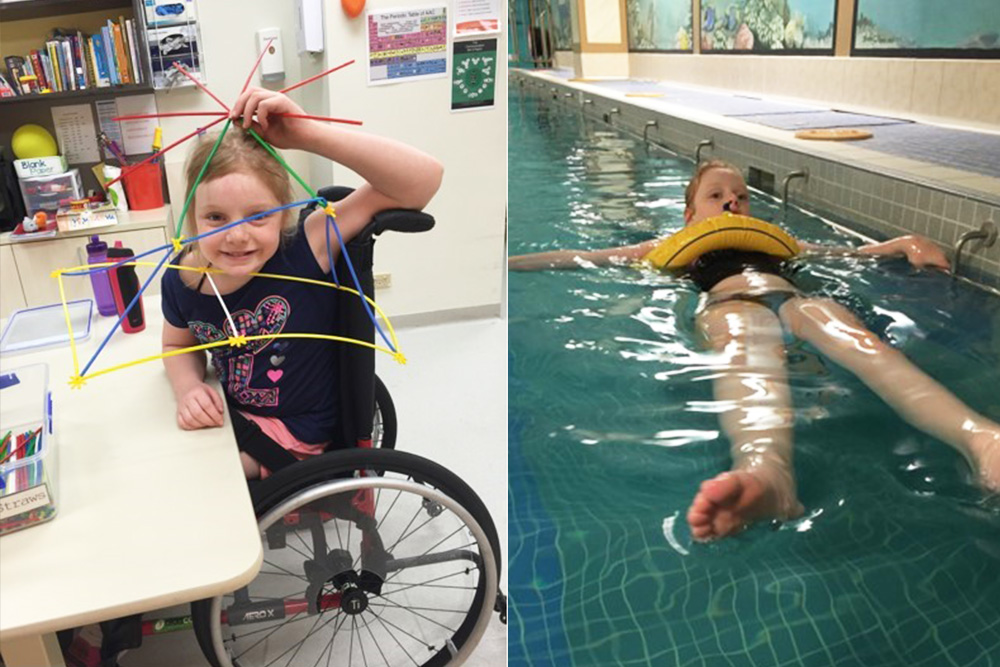
Young girl in a wheelchair and during rehabilitation in a pool.

Madi Fox had to learn how to walk, talk and eat again after being hit by a car.

“The rehab team still say Madi didn’t complain even when she didn’t want to go to rehab,” Sally said.

“She didn’t give up and was determined not to stay in a wheelchair. She’s my little fighter.

“If we hadn’t had the support, we had at the WCH Madi wouldn’t be where she is today. The support and reassurance from the doctors and nurses got us through the trying time.”

While Madi was in the Hospital, Sally and Madi’s brother Tyson lived at Adelaide’s Ronald McDonald House.

“I would spend 10 hours a day at the Hospital and Tyson was at Hospital School. Each night we would leave Madi, we could hear her crying,” Sally said.

“When you are away from your own home for so long you realise how being in your own surrounds is so comforting and how much you miss it. I missed my own bed, our pets, having a backyard, fresh air, and the normality of life at home.”

The day Madi was able to go home, is her most fond memory.

“We had a going away party with the nurses and rehab staff who had looked after me,” Madi said.

Four years on, Madi is a keen basketballer and loves to practice shooting goals in the backyard. She is back at school, has tutoring every week to continue to help with improving her speech and still sees a physiotherapist.

“In the Hospital, I wanted to do a lot of stuff by myself and I tried, but it was hard. Getting help from the doctors, nurses and other staff was good. Having Mum with me also made me keep going,” Madi said.

“Now I want to keep improving my running, because I like running fast.” 

#CuringHomesickness

The Women’s & Children’s Hospital Foundation has teamed up with children’s hospitals across Australia on a unified mission – #CuringHomesickness.

Every day there are hundreds of thousands of children in hospitals around the country.

With the support of the community, we are raising vital funds to get kids in hospital home sooner or for those that cannot go home, help make them feel more at home during their treatment.


On Tuesday 27 November, a beautiful piece of the Women’s and Children’s Hospital’s 140 year history was returned to its home at the hospital, thanks to a generous donation from the artist’s family and our Foundation via our Arts in Health Program.

The imagery in the original painting by Dorrit Black, the ‘Legend of Creation’, was used to decorate walls of the outpatients department at the original Adelaide Children’s Hospital in the 1940s, to create a welcoming space for children and their families, and especially for Aboriginal children and families, by bringing images of Aboriginal Australia to the fore. Although Dorrit was not of Aboriginal descent, these murals were an early form of public recognition of Aboriginal people and their culture, seen by hundreds of thousands of patients in their formative years.

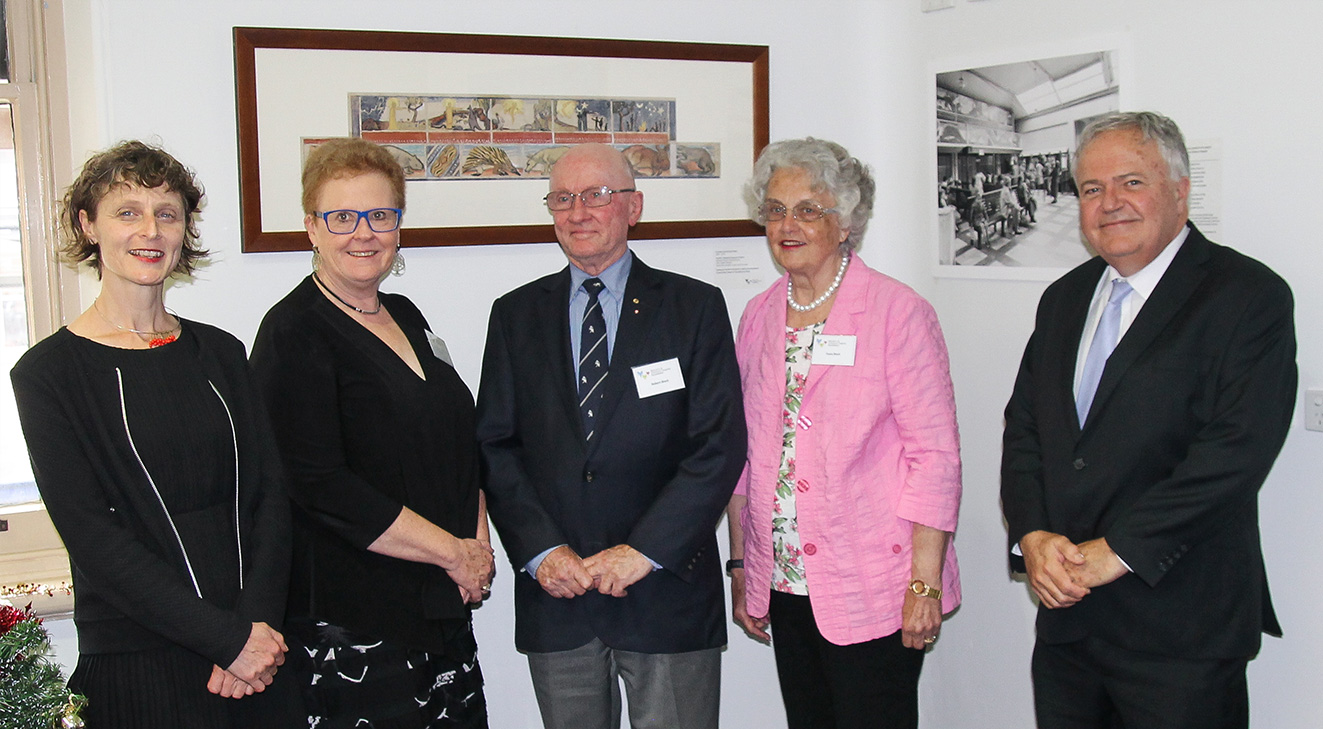
Members of the Black family joined staff from the WCH Foundation and WCHN Executive at a morning tea to celebrate.

L-R: Emily Collins (WCHN History Curator), Jane Scotcher (CEO, WCH Foundation), Robert and Tania Black (Dorrit Black’s family members), and Phil Robinson (WCHN Executive Director, Corporate Services)

The Black family has a rich history with the hospital, with several members of the family having worked at either the Adelaide Children’s Hospital or Women’s and Children’s Hospital. Robert Black, Dorrit’s nephew said he was pleased to see Dorrit’s work returned to “its proper place”.

The painting is on display in the WCH Executive office, along with images, which highlight how the artwork was displayed in the original hospital.

Dorrit sketch was recently included in one of our Arts in Health exhibition in our History and Heritage Gallery at the hospital (known as the Yellow Heart Gallery). As part of our look back on both our history and that of the hospital over the past 140 years our new exhibition in this gallery titled ‘Greatest Hits – Great images form the first 100 years of the Women’s and Children’s Health Network’, will showcase photos of how your hospital have evolved throughout its history.

Download the WCHF Forgotten Murals Brochure.

For more information on this and other exhibitions across our five gallery spaces, click here.

During October, Children’s Hospitals around Australia celebrate Play Therapy month in recognition of the amazing work Play Therapists do with children every day.

The Women’s & Children’s Hospital Foundation is proud to provide funding and resources to support this initiative through our Arts in Health program at our own Women’s and Children’s Hospital (WCH) here in Adelaide.

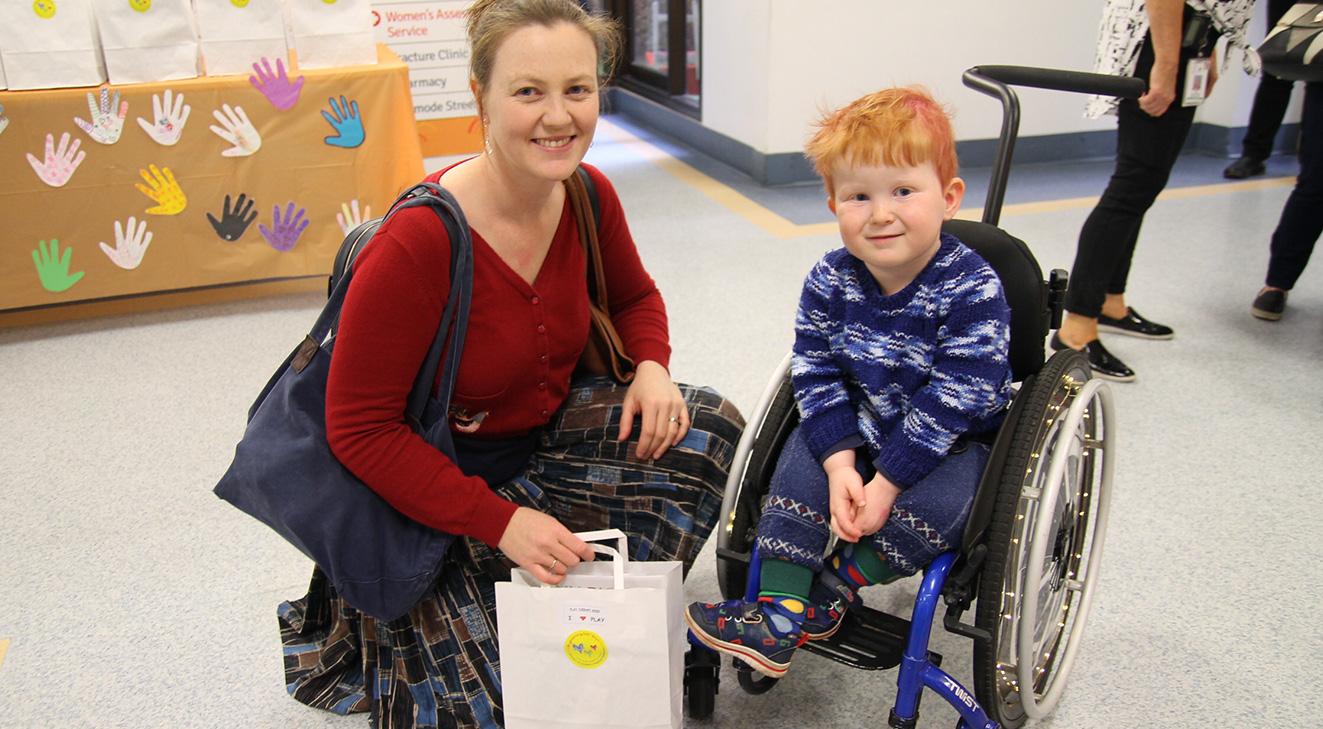
Euan with mum, Luella.

Jill Newman from our Foundation says there is evidence to suggest that Play Therapy can speed up recovery rates and decrease sensitivity to pain.

“Working with a Play Therapist is often one of the few times that children in hospital get to make their own decisions because play time is their time,” Ms Newman said.

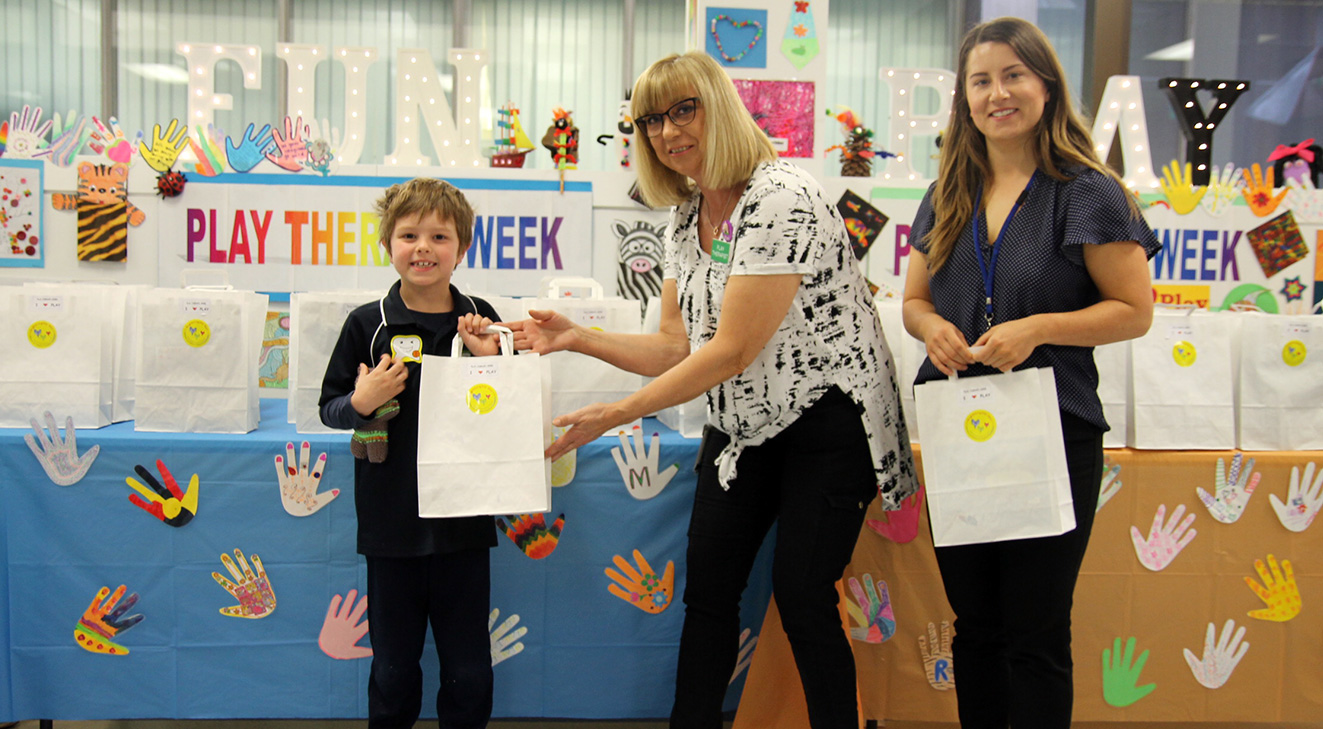
On, Tuesday 16 October during Play Therapy Week at the WCH, members of the team gave out goodie bags to patients and visitors with items for distraction and creativity to keep them entertained long after they have left the hospital.

Women’s and Children’s Health Network Chief Executive Officer, Lindsey Gough, says the team’s work is more than just child’s play.

“Play Therapists provide an incredibly important service for our hospital, working to distract and entertain young patients,” Ms Gough said.

“They not only keep our patients occupied and stimulated through long hospital stays, they also make the hospital less scary for those who might be anxious about their visit and help children cope with invasive procedures.

“The therapists work with children of all ages and with a number of different medical conditions, from chronically ill patients, those in palliative care, those with life changing injuries or those who are only with us for a short while.

“I would like to take this opportunity to personally thank their hard work, dedication and creativity that contributes to our proud history of caring for South Australian families.”

Dedicated Play Therapists are assigned to one of eight wards at the Women’s and Children’s Hospital, with one therapist situated in the paediatric outpatient department, which can see up to 450 children each day.

Jack with Play Therapists, Kim and Georgie.

Senior Play Therapist, Marisa Salvati, says the WCH is unique in that it is the only hospital to use a ward-based approach, with Play Therapists elsewhere operating on a referral basis.

“Having our therapists dedicated to a ward means they are consistently there for the children, creating a special bond with our patients and their families” Ms Salvati says.

“It’s not unusual to find the children waiting for us when we arrive at work in the morning.”

The benefits programs such as Play Therapy has on the time children spend in hospital is not only great for patients, but also for siblings and waiting parents, providing a distraction from the usual hospital environment and waiting time.

The method each of the hospitals 10 Play Therapists use to entertain and distract a child varies across the wards. For long stay patients, often who are recovering from a traumatic incident, Play Therapist, Linda becomes a fixture in the lives of these children and their families. She is also know for making birthdays and rehabilitation milestones special for the children she cares for while they are in hospital.

Play Therapist, Leeza sees patients who don’t often come to hospital and are there for only a short period of time. She uses familiar activities like sand play and creative projects to help normalise the hospital experience.

And Kim, who looks after surgical patients, often those with serious injuries or burns, uses guided imagery with patients to help them cope with painful procedures.

The contribution made by our donors and supporters is priceless in relation to how many children and families have been impacted by the amazing and personalised treatment the Play Therapy team can provide. Making a difference every day through smiles and laughter.

Last June we shared with you the story of identical twins, Summer and Lily. Mum, Michelle and Dad, Michael were so excited when they discovered they were having beautiful twin girls. The family was devastated when they learnt that one of their precious girls may not survive and the other was at risk of suffering a fatal stoke.

After being delivered via emergency caesarean, Summer stayed at the Women’s and Children’s Hospital for three months and sister, Lily for eight. Michelle and Michael spent countless nights in the Paediatric Intensive Care Unit (PICU) family area while their daughters received lifesaving treatment.

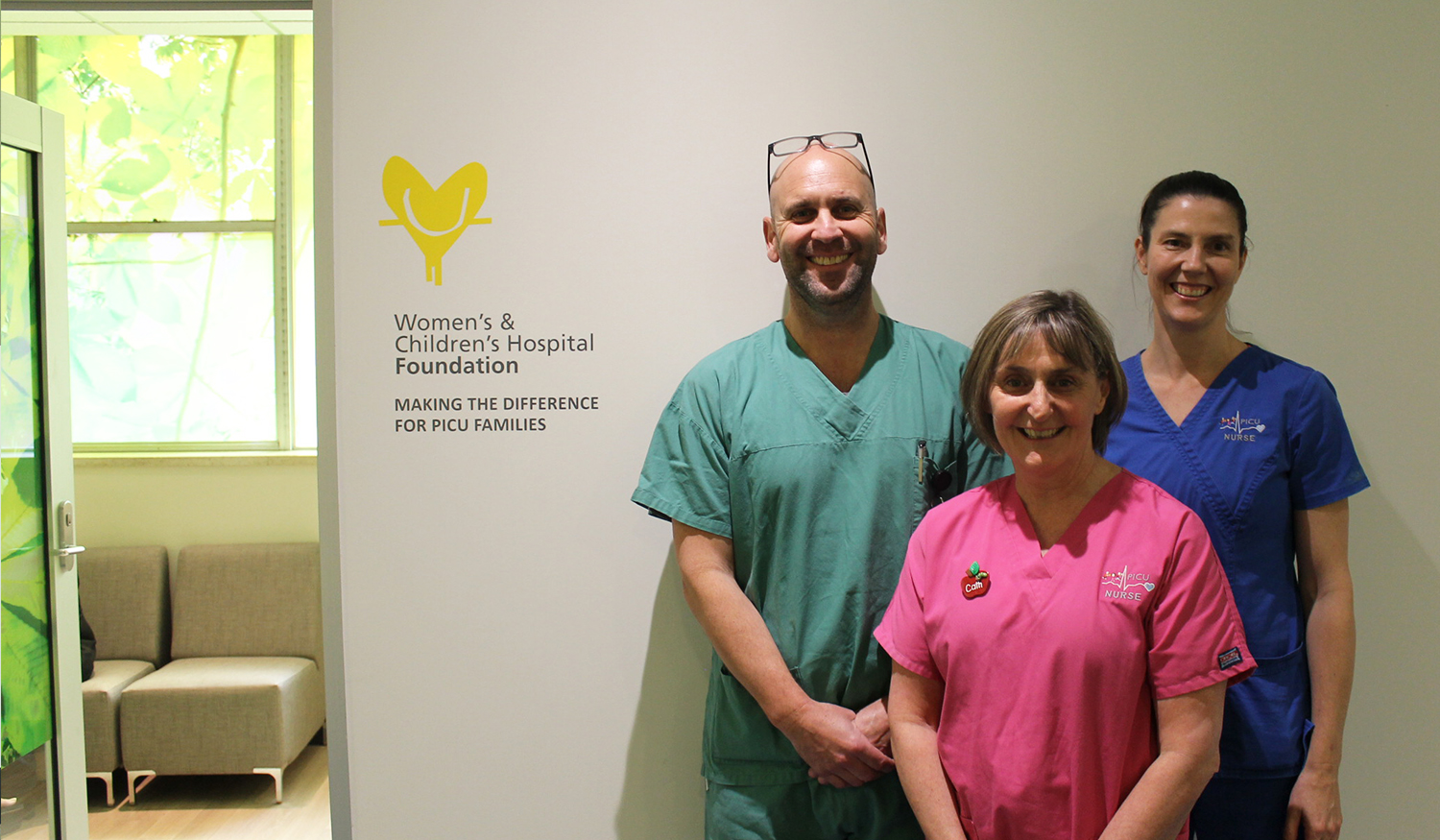
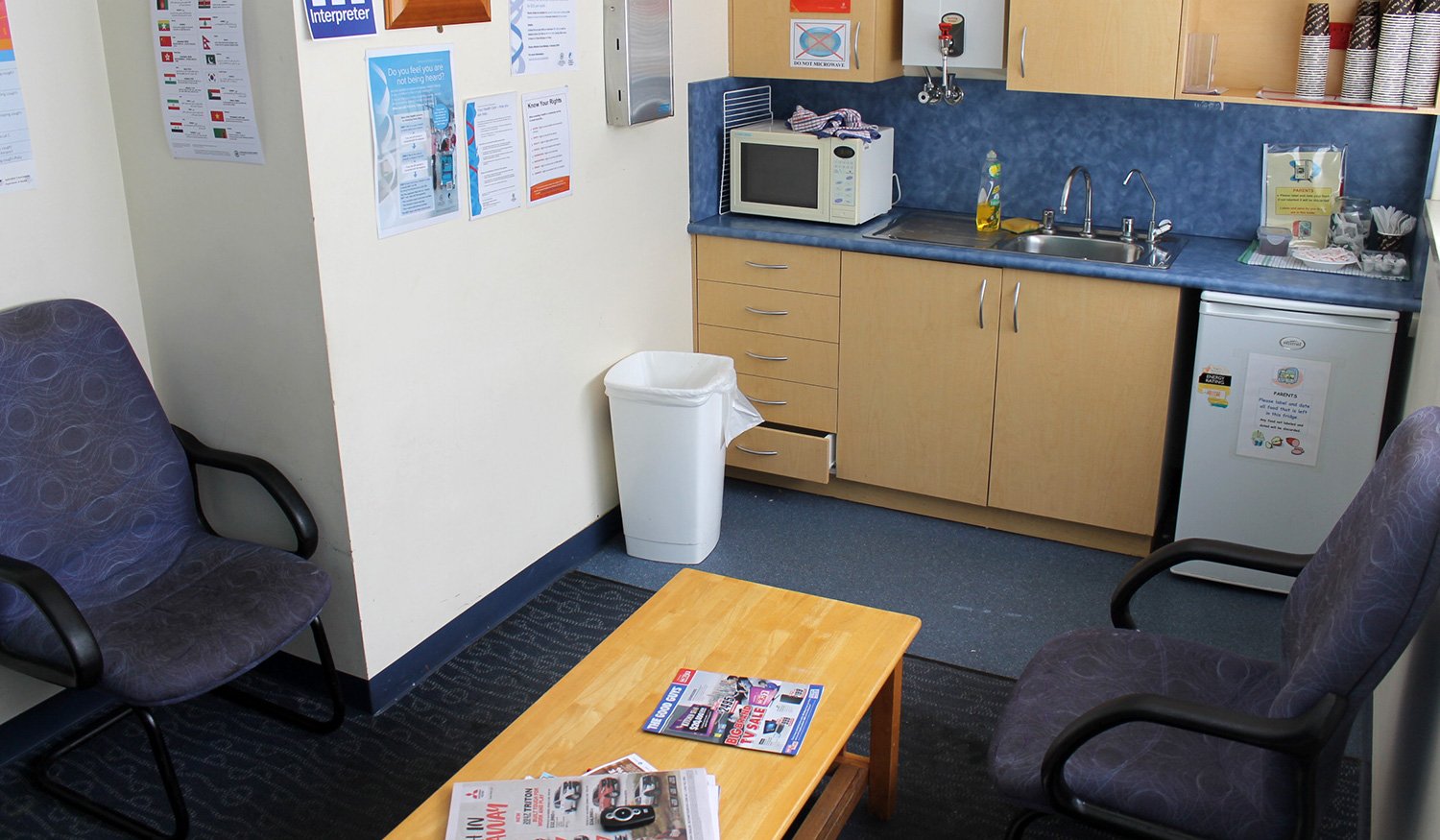
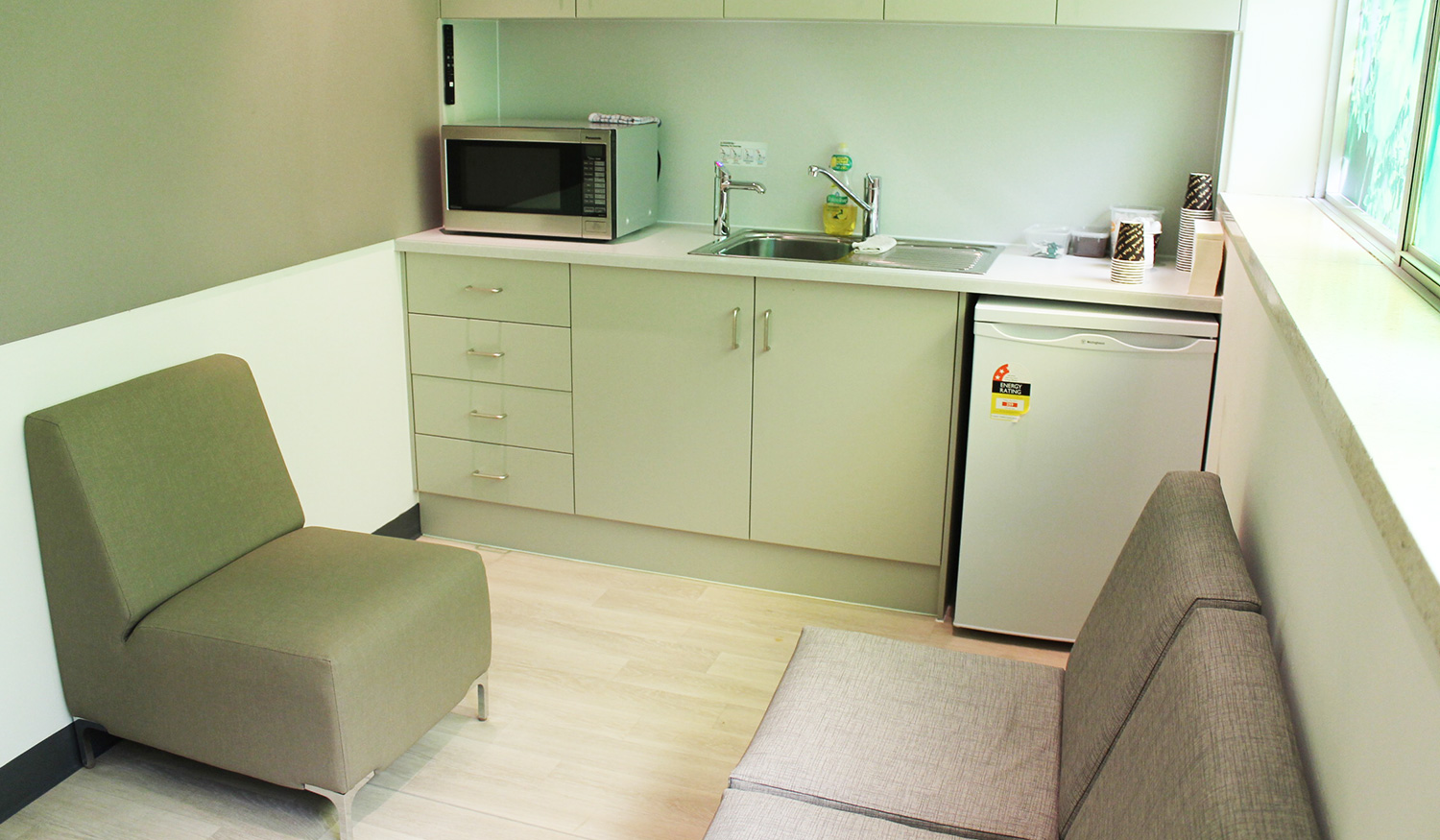
PICU Family Facilities provide a place of solace for more than 2,100 families every year. The Roberts-Cobbing Family’s story highlighted the need for our Foundation to raise the funds to renovate the tired and outdated PICU families’ facilities.

Many parents who rely on the services of the Women’s and Children’s Hospital every year want to be as close to their child’s side as possible and this area provides them with a place close by to get some rest while being there if their child needs them. Through the generous support of our donors, we have been able to fund the upgrade to the family waiting room, bathroom and overnight rooms.

These rooms now match the warm and welcoming care and attention provided by the PICU doctors and nurses. Today, Summer and Lily are happy and healthy 7 year olds. Because of our donors generous support for important projects like this one, we are able to provide families with access to the best facilities and care at times when they need it the most.

BEFORE

AFTER

Thank you for making the difference for families.

This year we are proudly partnering with your Women’s and Children’s Hospital to celebrate 140 years of caring for families. Since the first group of philanthropic women raised the initial £2,500 pounds needed to build the first Adelaide Children’s Hospital, we have worked with the community to raise funds for equipment and facilities upgrades, for vital research and programs that make our Hospital look better and feel better for families.

One major campaign of the 1930s had a fundraising target of £25,000 pounds, which was the amount needed to care for children suffering ‘infantile paralysis’ (otherwise known as polio) for one year. In today’s terms, that amount would equate to £1,716,049.78 (or $3,042,300 in Australian dollars).

Entitled ‘How the children suffering infantile paralysis are treated at the Adelaide Children’s Hospital’ this historical file footage obtained from the SA State Library, shows how the children receive treatment to help them walk again. Our narrator ends his report by encouraging the community to help make a difference in the loves of these children by sending a donation to the Adelaide Children’s Hospital.

 “Don’t let the little ones down! £25,000 IS NEEDED EVERY YEAR – One shilling will maintain the Hospital for one minute. Will YOU help?”

Today, through the support of the entire community, our Foundation continues to fund support programs and services across the entire Women’s and Children’s Hospital raising $36 million in the last 10 years. Ways in which to raise funds have changed from fetes and picnics to include activities driven by corporate and community groups and individuals who often want to give back to the hospital in some way.

Over the next 12 months as we celebrate with the hospital community on our 140-year partnership, our Foundation will provide a look back on past fundraising activities, projects and families to rediscover the impact we all have had in the lives of families in the past and continue to do so today.

Photo credit: Adelaide Children’s Hospital Outpatients Department. Ingerson-Arnold Studios Ltd.

On Friday 27 July, more than 530 guests attended an exclusive fundraising dinner, in the William Margery Room at Adelaide Oval, to raise funds for the WCH Foundation Beach House project hosted by our proud build partner, Bella Build & Design.

Paul and Marisa Bellardino hosted guests from the South Australian building industry, along with members of the Women’s and Children’s Hospital executive team, Foundation staff, board members and other VIPs. The event was to raise awareness for the project and to encourage industry backing to raise the additional funds and the in-kind support needed for the construction of this purpose-built holiday home.

Marisa and Paul Bellardino with WCH Foundation mascot, TK Bunny!

The fundraising highlight was some frantic bidding competition among guests for a wide range of items enthusiastically auctioned by Will Fitridge, from Klemich Real Estate and Bronte Manuel, from Toop & Toop.

The show-stopping part of the evening was when Remiko Prosser shared the inspirational story of her daughter, Allira’s challenges due to having a rare genetic condition. Over the past nine years she has spent over 750 days at the Women’s and Children’s Hospital, however despite all of her health problems, she is strong, courageous and ready to live her life as fully as possible.

South Australia currently has no purpose-built holiday accommodation for families of children with complex medical needs. Remiko’s story is just one of the many families’ who know the importance of being able to make special memories with loved ones.  Once completed, the Beach House will provide an environment for families, just like Remiko’s, to take a break away and create special memories together.

Guests enjoyed a gourmet three-course meal and were entertained with performances from the Australian Company of Performing Arts, well-known illusionist, Matt Tarrant and MC, Oliver Sebastian. Later dancing the night away to the tunes of local band, Shaken Not Stirred.

Paul and Marisa were thrilled and completely overwhelmed by the generous response with the fundraising tally reaching an incredible $155,410! A massive thank you to everyone involved in making the event such a great success and for an incredible night.

Bella Build & Design are proud to be collaborating with us as the build partner for the construction phase of this exceptional project. More information about the Beach House project and how you too can make a difference for families can be found here.

Sign up for our latest news

"*" indicates required fields

This field is for validation purposes and should be left unchanged.

Name *

Name*

Email *

Email*