For Madeleine, the journey to motherhood was anything but certain.
Diagnosed with chronic kidney disease at just 13 years old, she spent her teenage years balancing boarding school, assignments, friendships and regular appointments with the renal team at the Women’s and Children’s Hospital. Growing up in regional South Australia meant much of her care happened from a distance, with frequent travel becoming part of everyday life.
After around two years of managing her condition, Madeleine received a kidney transplant donated by her father. It was life-changing, but it also meant weeks in hospital recovery and time away from school during an already challenging stage of life.
“It was a lot to navigate at such a young age,” she said.
As she got older, Madeleine always knew that starting a family could be complicated.
“I always knew having children was going to be difficult,” she said.
A pregnancy filled with hope and uncertainty
When she later fell pregnant, Madeleine returned to the Women’s and Children’s Hospital, supported by the Maternal Fetal Medicine team working closely alongside her local GP in Port Lincoln.
Despite careful planning and expert medical care, Madeleine’s pregnancy became increasingly complicated. She developed high blood pressure and was subsequently diagnosed with pre-eclampsia. At just over 30 weeks pregnant, she underwent an emergency caesarean section. Although Poppy arrived much sooner than expected, Madeleine and her husband, Jarred, were overjoyed to welcome their beautiful daughter into the world.
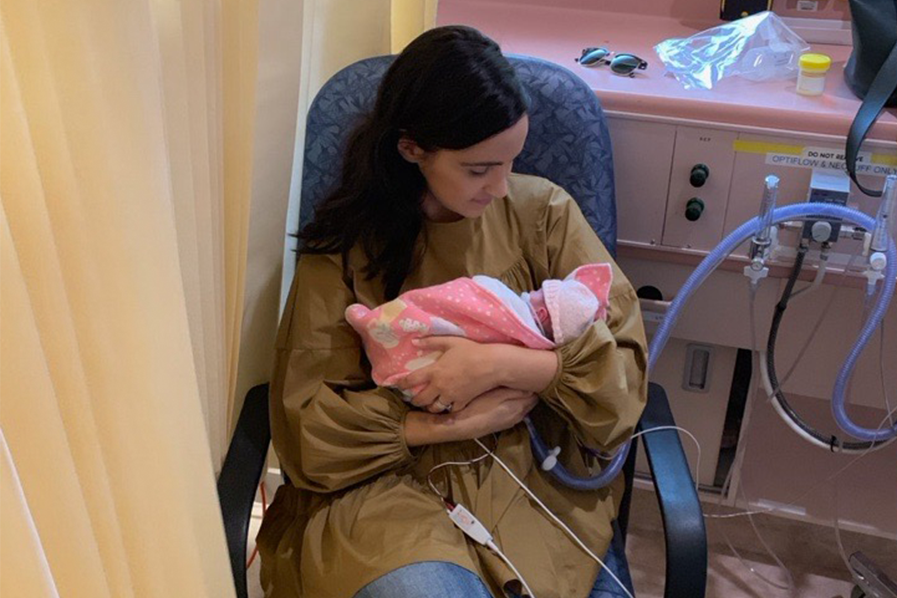
Poppy required specialised care in the Neonatal Intensive Care Unit (NICU), where she spent her first weeks of life closely monitored.
At the same time, Madeleine faced her own serious recovery challenges. “It was difficult for them to control my blood pressure, and my kidney function really struggled,” she said.
In the years following Poppy’s birth, Madeleine’s health journey continued, and she later underwent a second kidney transplant donated by her mother, another major chapter in her health journey.
Building a safer future for mothers like Madeleine
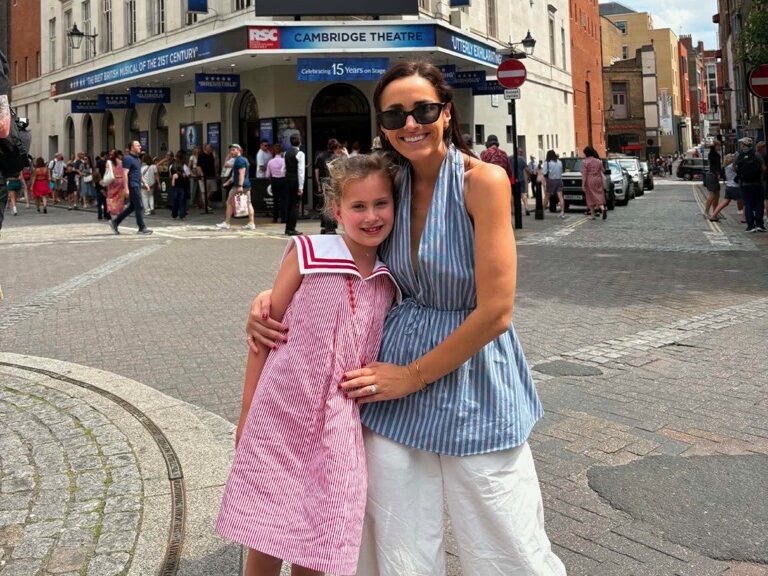
Today, her story reflects the resilience of women living with chronic kidney disease, and the complex decisions many face when considering pregnancy. For many, the decision to start a family is filled with uncertainty, with limited information about the risks to both their health and their baby.
That’s why the Women’s & Children’s Hospital Foundation is proud to support research led by Dr Nishanta Tangirala. Her work focuses on improving how women with chronic kidney disease and their clinicians navigate decisions about pregnancy.
By strengthening the evidence base, exploring decision-making experiences and developing tools to support safer planning, this research aims to ensure women have access to the information, care and confidence they need from the very beginning.

Support healthier futures for families
Through the generosity of our donors, research like this is helping more women look towards motherhood with greater confidence, hope and possibility. Donate today to help create healthier futures for women, babies and families.
Donate now