Medical Research
Through collaborating on a range of medical research projects, our Foundation and the Hospital continue to redefine best practice, discovering new treatments and cures that will raise the bar for Paediatric healthcare worldwide.
In the last financial year (2016/17), the WCH Foundation raised over $1.5 million towards medical research projects at Hospital.
Our research grants are developed for early to mid-term researchers. We work within the Women’s and Children’s Hospital with the aim of the findings being able to be translated into better outcomes for our patients.
Some of our recent research award include:
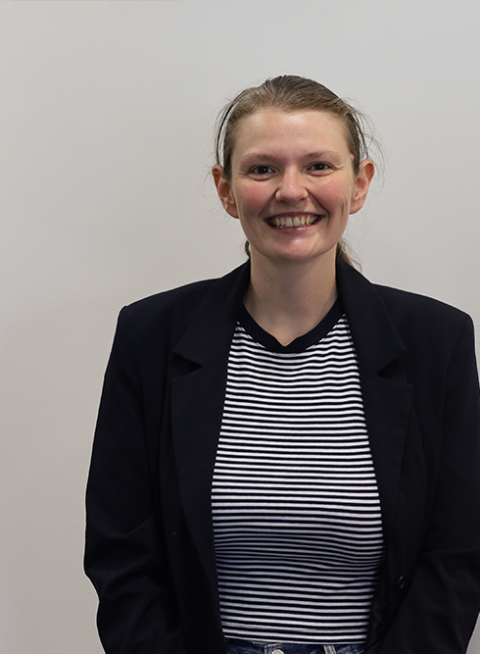
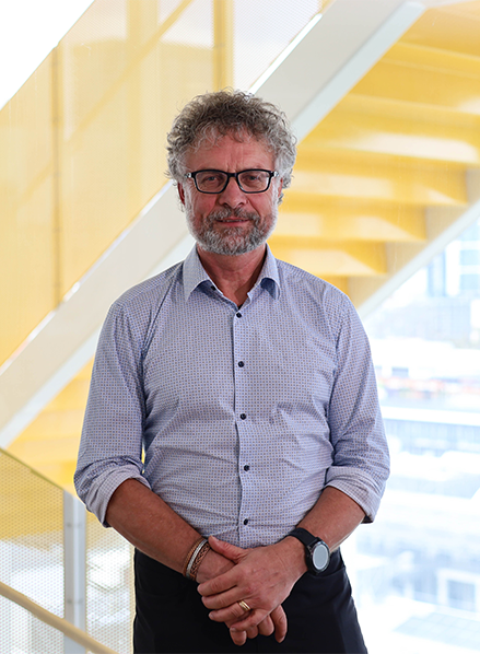
Associate Professor Maria Fuller
Will be researching treating inherited neurodegenerative disease in children.
Inherited brain disorders present throughout life although disease burden is greatest in childhood. Neurological regression is relentless with a loss of acquired skills – eg the ability to speak, walk, eat – and a devastating impact on the child and family. There is no cure and as yet no treatment for the progressive decline in brain function.
The outcome will inform on the timing and efficacy of treatment as well as explore sites for therapeutic intervention to address existing pathology that is not reversible with the gene therapy approach.
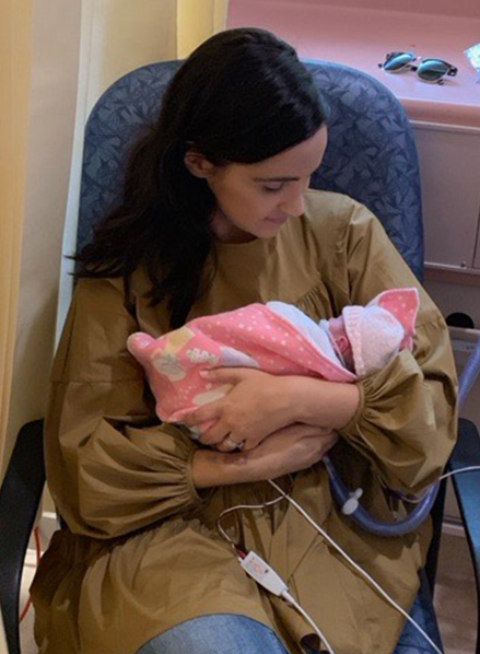
Dr Merryn Netting
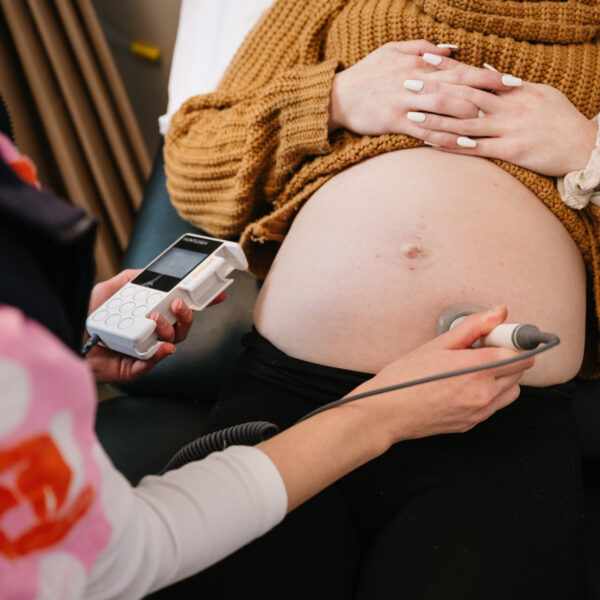
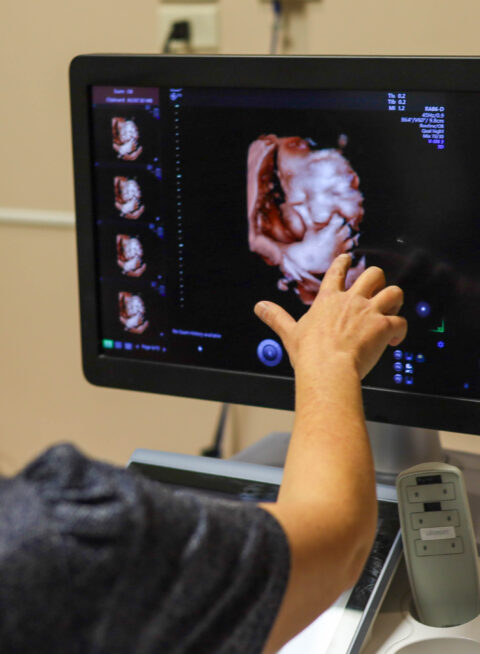
Will be conducting BabyEATS Study (Baby’s Eating and Allergen Timing Study): Parental Update of Infant Feeding Guidelines for Prevention of Allergy.
There have been recent changes to the Australian infant feeding guidelines aimed at preventing food allergy. The new guidelines advise parents to give their babies ‘allergenic’ foods like peanuts, eggs, and wheat before they turn 1 year old. However, many parents who think their babies at risk of food allergies do not give them these foods. They are afraid of an allergic reaction, despite being the group that may benefit the most from giving these foods early.
We aim to find out if families are aware of the changes to the infant feeding guidelines, to see if they are feeding their babies allergenic foods, and find out the reasons why if they are not.
This study will give us important information about the choices parents make when they start to give their baby solid foods, particularly ‘allergenic’ foods like peanut. The study will also help us improve the information that health professionals provide to parents about feeding their baby.
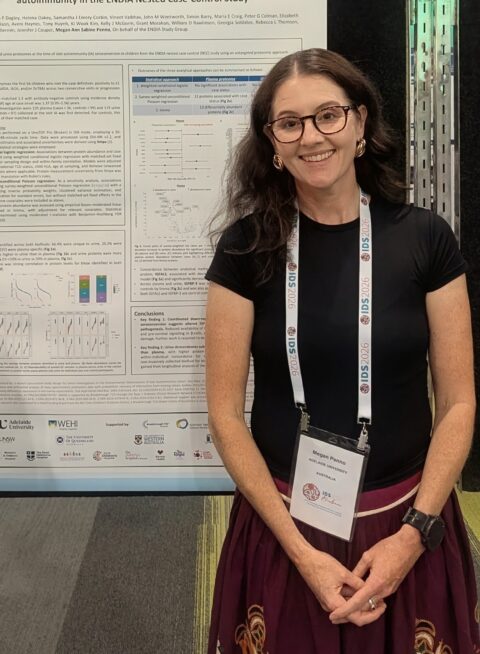
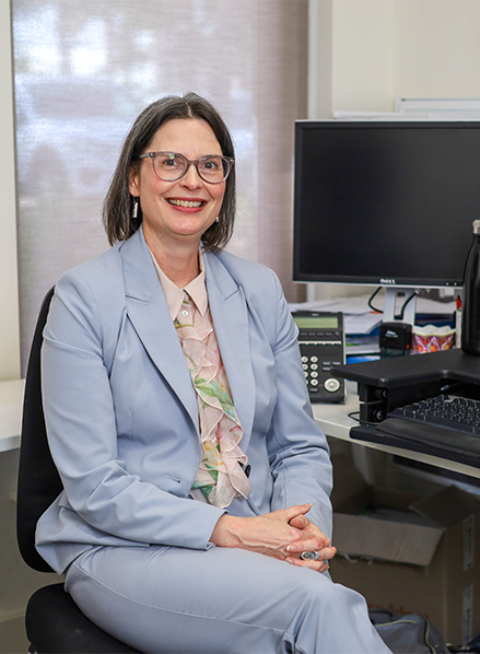
Professor Jenny Couper
Will be researching “Does treatment of early periodontal disease improve vascular health of children with Type 1 diabetes?”
Blood vessel disease is the cause of heart attacks, strokes, kidney failure, and blindness in diabetes. Despite substantial improvements in diabetes care in the last 10 years, the serious complications from blood vessel disease can occur from young adult hood.
Heart disease is approximately six times more common in adults with Type 1 diabetes and early cardiovascular disease is the leading cause of death. Children with Type 1 diabetes have abnormal function of the lining of their blood vessels (blood vessel function). These blood vessel abnormalities are critical in the development of heart disease, appear early before other blood vessel complications in diabetes, and, importantly, are potentially reversible at this young age.
Multifaceted prevention strategies are required when these changes begin, in addition to improvement of diabetes care. Whilst we know that children with Type 1 diabetes have abnormal blood vessel function and poorer oral and gum health than children without diabetes, we do not know whether improving oral health improves early blood vessel disease. This project, for the first time, will answer this important question and therefore guide better dental care for children with diabetes.